
)

China PPI Inflation Surge 2026 | Critical Cost Impact for Cross-Border Sellers
- China's first PPI increase in 42 months (0.5% March 2026) driven by Iran war energy shock; energy-intensive categories face 22-36% cost surges; sellers must renegotiate supplier contracts immediately































Overview
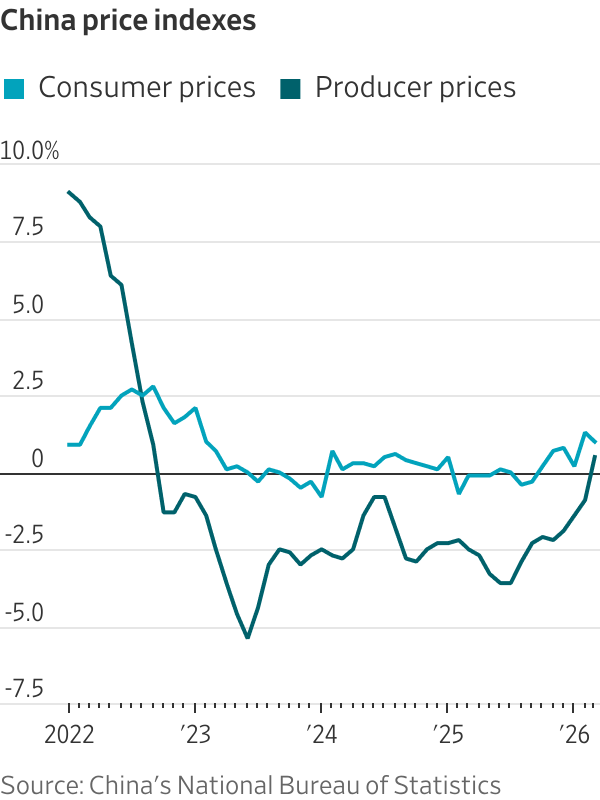
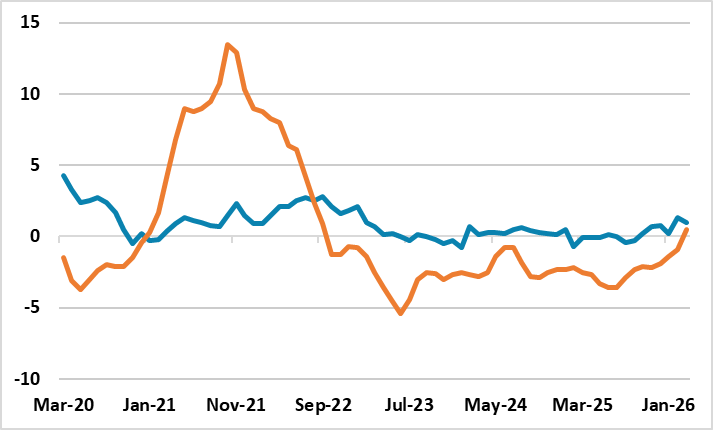
China's manufacturing cost structure has fundamentally shifted following the Iran-U.S. conflict, marking a critical inflection point for cross-border e-commerce sellers. According to China's National Bureau of Statistics (April 9-10, 2026), the Producer Price Index rose 0.5% year-on-year in March—the first increase since September 2022, ending a 41-42 month deflationary streak. This reversal directly stems from escalating energy costs triggered by Middle East geopolitical tensions, with Brent crude reaching $96.7/barrel (up 33% since February 28) and WTI crude at $98.5/barrel (up 47% from pre-war levels).
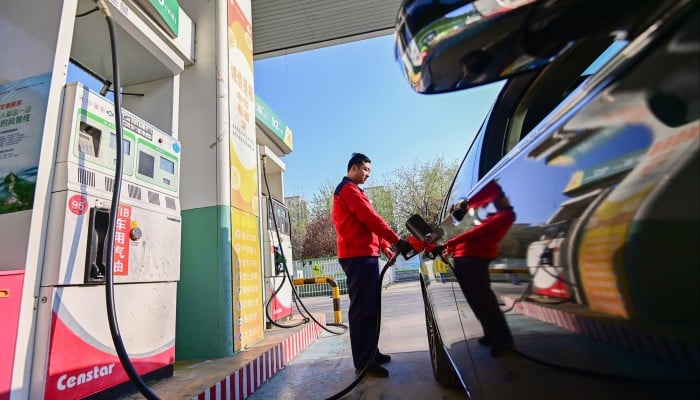
The cost impact is highly concentrated in energy-intensive categories, creating a bifurcated market opportunity. Non-ferrous metal mining surged 36.4% and non-ferrous metal smelting jumped 22.4%—directly affecting sellers in electronics, machinery, and metal goods categories. Gasoline prices increased 11.1% month-on-month in March alone, with China's government raising retail fuel prices by 420 yuan ($61.18) per metric ton. This represents "bad inflation"—cost-push rather than demand-driven—where manufacturers absorb upstream price increases while consumer prices remain suppressed (CPI only 1.0% in March, missing 1.2% forecasts). Morgan Stanley projects China's PPI will rise 1.2% throughout 2026, with GDP growth potentially declining to 4.2% if oil exceeds $150/barrel in Q2.
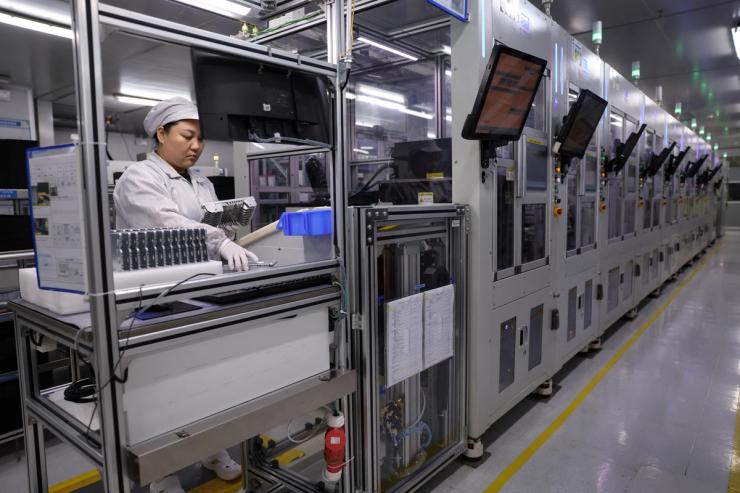
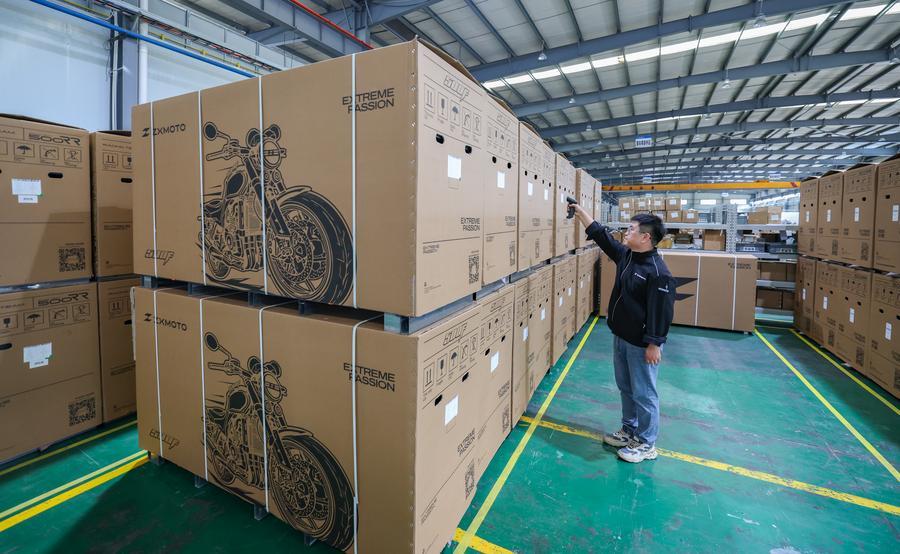
For cross-border sellers, the operational implications are severe and time-sensitive. Sellers in electronics, textiles, heavy goods, and metal products face immediate wholesale price increases from Chinese suppliers. The critical timing issue: many sellers locked in supplier contracts before this inflation emerged, limiting negotiation leverage. However, the window for renegotiation exists now before Q2 2026 when oil prices could spike further. Sellers in lighter product categories (apparel, accessories, non-metal goods) experience minimal cost pressure, creating a competitive advantage opportunity. China's domestic demand weakness (month-on-month CPI decline of -0.7%, sixth consecutive month of auto sales declines) suggests Chinese manufacturers have limited pricing power—they cannot pass full cost increases to end consumers, creating potential margin compression that sellers can exploit through aggressive supplier negotiations. The People's Bank of China maintains a cautious monetary easing stance with potential rate cuts possible, suggesting policy support for manufacturers facing margin pressure.
Questions 8
How much will my sourcing costs increase from China due to the PPI inflation?
Cost increases vary dramatically by product category. Energy-intensive sectors like electronics, metals, and textiles face 15-25% wholesale price increases, while lighter categories (apparel, accessories) see minimal impact. Non-ferrous metal costs jumped 22-36% according to March 2026 data. Gasoline prices rose 11.1% month-on-month, directly affecting manufacturing and logistics. However, Chinese manufacturers face margin compression and cannot fully pass costs to consumers (CPI only 1.0% vs. 1.2% forecast), creating negotiation leverage for sellers. Immediate action: audit your supplier contracts by category and prioritize renegotiations for high-impact items before Q2 2026 when oil prices could spike further.
Which product categories are most affected by China's inflation surge?
Energy-intensive categories face the highest cost pressure: electronics (semiconductors, components), non-ferrous metals (copper, aluminum products), textiles (synthetic fibers, dyes), machinery, and heavy goods. Non-ferrous metal mining costs surged 36.4% and smelting rose 22.4% in March 2026. Conversely, lighter categories like apparel, accessories, and non-metal goods experience minimal inflation impact. This creates a strategic opportunity: sellers can shift inventory allocation toward lower-cost categories or negotiate aggressively with suppliers in high-impact categories. Monitor your product mix by HS code and energy intensity to identify which SKUs require immediate pricing strategy adjustments.