


SpaceX $1.75T IPO Reshapes Retail Investment Access | Seller Capital Implications
- Unprecedented 30% retail allocation signals democratization of mega-IPO investing; creates $75B capital reallocation affecting e-commerce seller financing options and market volatility through June 2026




















Overview
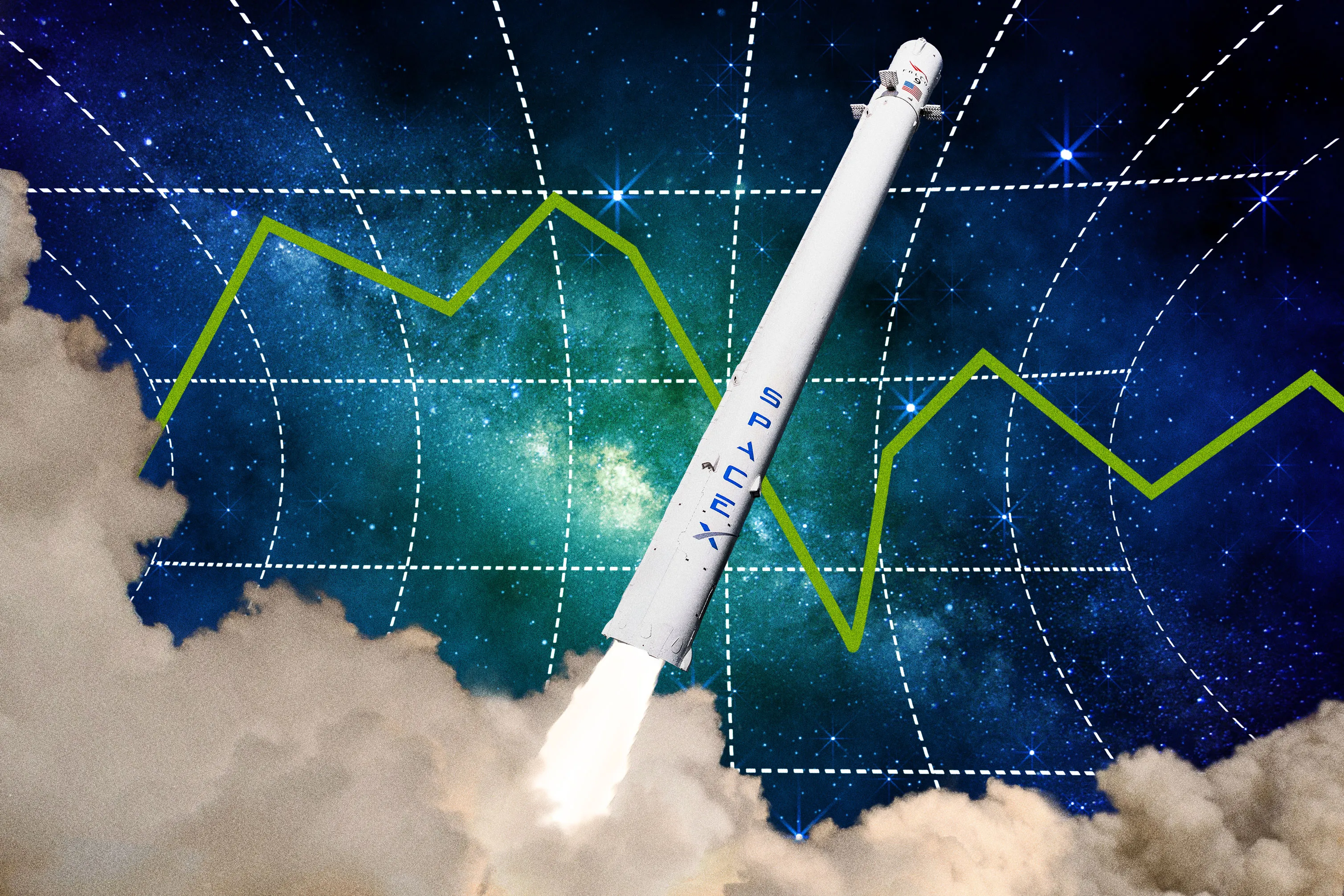
SpaceX's historic $1.75 trillion IPO represents a watershed moment in capital markets democratization with direct implications for e-commerce seller financing, market volatility, and retail investor behavior through 2026. According to Reuters reporting from April 6, 2026, SpaceX plans to launch its IPO roadshow during the week of June 8, with prospectus publication in late May and a $75 billion capital raise. The defining characteristic is unprecedented retail allocation: CFO Bret Johnsen stated "retail is going to be a critical part of this and a bigger part than any IPO in history," with up to 30% of shares earmarked for retail investors versus typical 5-10% allocations. This represents a deliberate recognition of retail supporters' 18-year backing and signals a fundamental shift in how mega-IPOs access capital markets.
For e-commerce sellers, this IPO creates three critical dynamics. First, retail capital reallocation: The $75 billion raise will draw retail investor capital from alternative investments, potentially reducing available venture funding for e-commerce startups and logistics infrastructure companies. Morningstar's PitchBook research indicates SpaceX, OpenAI ($840B valuation), and Anthropic ($330B valuation) mega-IPOs could create more value than all venture-backed IPOs since 2000 combined, concentrating investment in AI and space tech rather than commerce infrastructure. Second, market volatility management: Bankers are implementing modified lock-up periods with gradual share releases tied to price and trading volume thresholds—similar to Alibaba's 2014 IPO staggered releases—to prevent post-IPO selling cliffs. This 6-12 month volatility window (May-November 2026) will create unpredictable market conditions affecting seller access to public market financing. Third, retail investor behavior shifts: SpaceX's June 11 investor event targeting 1,500 retail participants, combined with international eligibility (UK, EU, Australia, Canada, Japan, Korea), signals retail investors are increasingly sophisticated and globally distributed—a demographic that overlaps significantly with e-commerce seller communities and potential marketplace investors.
The IPO structure reveals critical market concentration risks. SpaceX will have less than 5% public float compared to typical 20%+ offerings, limiting immediate public market impact despite the $1.75T valuation. However, the concentration of venture capital into mega-IPOs (top 10 unicorns represent 40% of 1,424 venture-backed $1B+ businesses) means traditional venture funding for mid-market e-commerce infrastructure, 3PL technology, and logistics optimization will face increased scarcity. Sellers relying on venture-backed fulfillment networks, payment processors, or marketplace infrastructure should monitor funding announcements closely. Additionally, the article notes Gen Z AI adoption increased from 47% to 51% daily/weekly usage, but sentiment declined regarding AI's benefits for information accuracy—a critical signal for sellers developing AI-powered product recommendations, customer service, or inventory management tools. The mega-IPO wave may crowd out subsequent listings in 2026, potentially deterring exits for venture-backed e-commerce infrastructure companies and delaying innovation in seller-focused technology platforms.
Questions 8
How does SpaceX's 30% retail allocation differ from typical IPO structures?
SpaceX's allocation is unprecedented—30% of shares for retail investors versus the typical 5-10% in most IPOs. CFO Bret Johnsen stated this represents 'a bigger part than any IPO in history.' This signals a fundamental shift toward democratizing mega-IPO access. For e-commerce sellers, this means retail investor capital that might have funded marketplace infrastructure or seller financing platforms will be redirected to SpaceX. The June 11 investor event targeting 1,500 retail participants, with international eligibility across UK, EU, Australia, Canada, Japan, and Korea, indicates retail investors are increasingly sophisticated and globally distributed—overlapping with seller communities seeking investment opportunities.
What is the timeline for SpaceX IPO volatility and how does it affect sellers?
SpaceX's IPO roadshow launches the week of June 8, 2026, with prospectus publication in late May. Bankers are implementing modified lock-up periods with gradual share releases tied to price and trading volume thresholds—creating 6-12 months of potential market volatility (May-November 2026). This volatility window directly impacts sellers seeking public market financing or relying on venture-backed infrastructure companies. Historical precedent from Alibaba's 2014 IPO shows staggered releases across three-month, six-month, and one-year intervals can create unpredictable market conditions. Sellers should avoid major capital raises or infrastructure investments during this period and monitor venture funding announcements for companies providing fulfillment, payment processing, or logistics services.