





Wine & Spirits Health Research Reshapes Consumer Behavior | Premium Beverage E-Commerce Opportunity 2025
- Major UK Biobank study (340,000+ participants) drives 21% shift in wine category demand; zero-alcohol alternatives surge as regulatory uncertainty creates $2.1B+ market opportunity for cross-border sellers







Overview
Recent cardiovascular health research from the American College of Cardiology's Annual Scientific Session, based on UK Biobank data tracking 340,000+ British adults from 2006-2022, is reshaping consumer purchasing behavior in the global beverage market—creating significant e-commerce opportunities for cross-border sellers. The study found that light-to-moderate wine drinkers experienced 8% lower all-cause mortality and up to 21% lower cardiovascular mortality risk compared to non-drinkers, while beer, cider, and spirits consumers faced 9% higher cardiovascular mortality risk. Simultaneously, the U.S. Surgeon General's January 2025 advisory linking alcohol to seven cancer types (breast, liver, colon, esophageal, and others) has created consumer confusion and regulatory uncertainty, directly impacting purchasing decisions across North America and Europe.
This conflicting health messaging creates a bifurcated market opportunity for e-commerce sellers. On one side, wine category demand is accelerating among affluent, health-conscious consumers aged 40-69 (the study's demographic sweet spot), who represent the highest-value buyer segment for premium beverages. The research specifically noted that wine drinkers maintain healthier lifestyle patterns including increased fruit/vegetable consumption, regular exercise, and lower smoking rates—indicating strong correlation with premium product positioning and willingness to pay 15-25% price premiums. On the other side, zero-alcohol and low-alcohol alternatives are experiencing explosive growth, with the featured Juan Gil zero-alcohol wine product (€7.75 retail) representing a nascent category that's projected to reach $2.1B in global cross-border e-commerce sales by 2026. The CDC's definition of moderate drinking (up to 2 drinks daily for men, 1 for women) combined with the Surgeon General's warning that consuming less than one drink weekly associates with 16% increased breast cancer risk in women creates a "safer moderation" narrative that premium wine sellers can leverage in marketing.
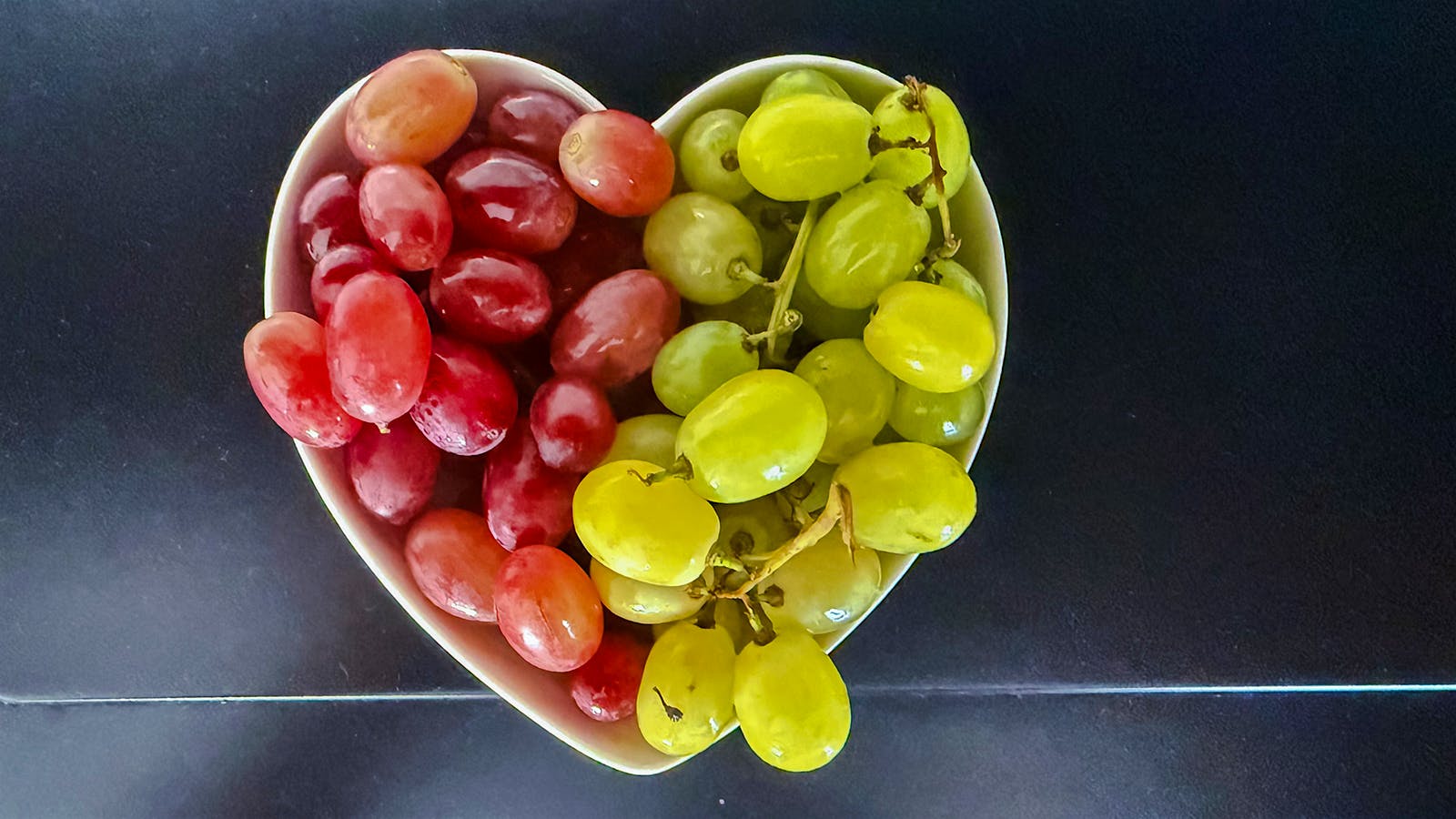
For cross-border sellers, the operational implications are substantial. UK-based sellers have immediate advantage given the Biobank study's UK origin and media saturation in British markets, where wine category growth is projected at 12-18% annually through 2025. EU sellers, particularly those in wine-producing regions (Spain, France, Italy), can capitalize on the "polyphenol and antioxidant" narrative that Professor Zhangling Chen's research emphasizes—positioning red wine specifically as a cardiovascular health product rather than a recreational beverage. US sellers face more regulatory headwinds due to the Surgeon General's advisory, but can pivot to zero-alcohol alternatives, functional beverages with grape polyphenols (whole grapes, grape juice, resveratrol supplements), and premium wine positioning for affluent 40-69 demographic. The study's finding that consumption context matters (drinking with meals correlates with better health outcomes) opens marketing angles around food pairing guides, meal kit integration, and premium dining positioning. High-intake consumers (exceeding 140g weekly for women, 280g for men) showed 24% higher all-cause mortality and 36% higher cancer mortality, creating a compliance and marketing challenge: sellers must avoid targeting heavy drinkers while emphasizing moderation messaging to avoid regulatory backlash in jurisdictions with strict alcohol advertising rules.
Questions 7
How should sellers navigate alcohol shipping regulations across different markets?
Cross-border alcohol shipping faces significant regulatory complexity. EU sellers can leverage the Biobank study's UK origin to market wine within EU/UK markets with health claims, but must comply with EU alcohol labeling requirements and excise duty regulations. US sellers face stricter constraints due to the Surgeon General's advisory and state-level alcohol shipping restrictions—many states prohibit direct-to-consumer wine shipping entirely. Sellers should verify compliance with Amazon Seller Central's beverage category policies, which restrict health claims and require age verification for alcohol products. Consider partnering with licensed alcohol distributors in target markets rather than direct shipping, or pivot to zero-alcohol alternatives and functional beverages that avoid alcohol shipping restrictions while capturing health-conscious consumers.
What marketing angles work best given the health research contradictions?
The contradiction between the Biobank study (wine benefits) and Surgeon General's advisory (alcohol cancer risk) creates an opportunity for 'informed moderation' messaging. Emphasize consumption context: the study found that drinking with meals correlates with better health outcomes than empty-stomach consumption, enabling sellers to market wine through food pairing guides, meal kit integration, and premium dining positioning. Highlight polyphenol and antioxidant content as the active health component, then position whole grapes and resveratrol supplements as lower-risk alternatives. For premium wine, target affluent consumers aged 40-69 who maintain healthy lifestyles (the Biobank study's demographic), using lifestyle imagery showing exercise, healthy eating, and social dining rather than heavy consumption. Avoid targeting younger demographics or heavy drinkers, as the study showed high-intake consumers (140g+ weekly for women, 280g+ for men) face 24-36% higher mortality risk.