



Celebrity Controversy Drives Merchandise Restrictions | Cross-Border Seller Compliance Alert
- UK/Australia visa denials create $33M+ touring revenue loss; sellers face brand association risks and platform content moderation enforcement across Amazon, eBay, Shopify












Overview
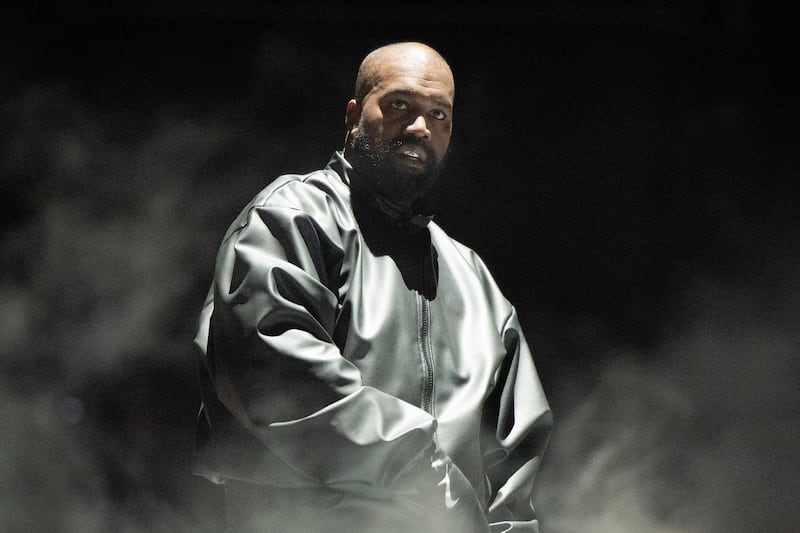
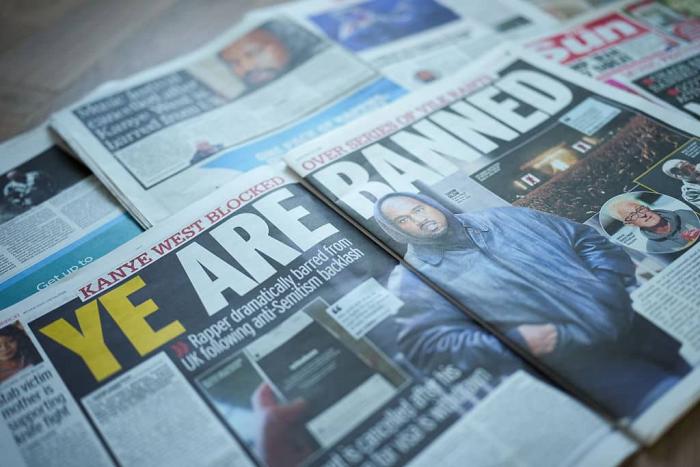
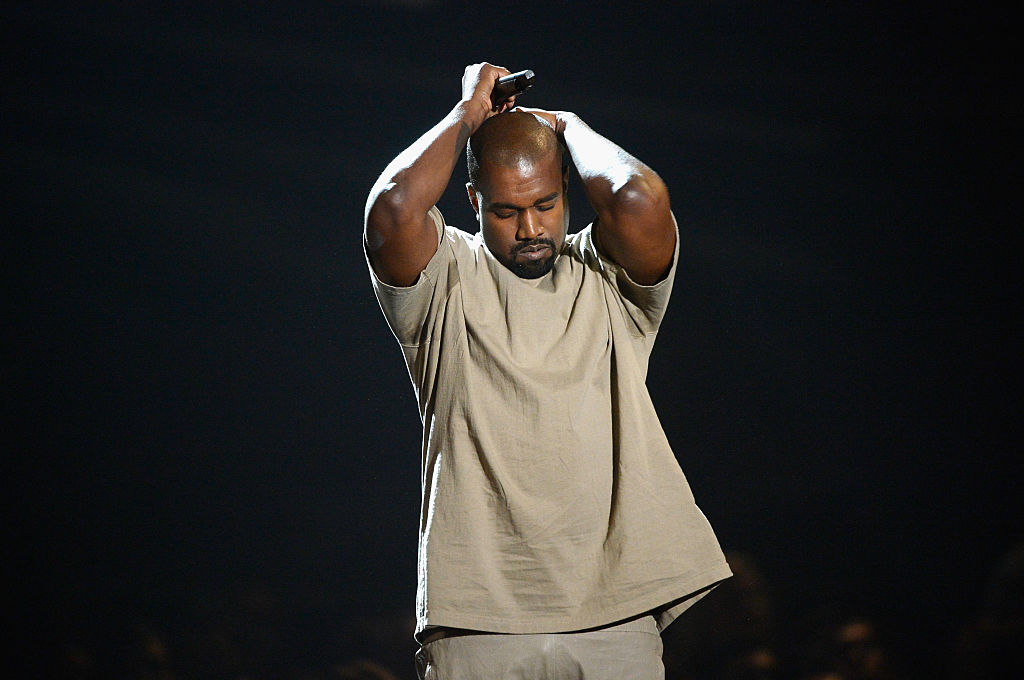
Kanye West's international touring bans represent a critical case study in how celebrity controversy triggers cascading e-commerce compliance challenges for sellers. The UK Home Office denied West entry for the Wireless Festival (summer 2026) and Australia canceled his visa (July 2025) following antisemitic statements and merchandise featuring swastika imagery. These decisions resulted in the complete cancellation of the three-night Wireless Festival, affecting thousands of ticketed fans and major sponsors (Pepsi, Diageo) who withdrew support. West's SoFi Stadium concerts in Los Angeles generated approximately $33 million in revenue, demonstrating the scale of touring-dependent artist merchandise ecosystems.
For cross-border e-commerce sellers, this situation creates three operational risks. First, merchandise compliance enforcement has intensified across platforms. Sellers offering artist merchandise, band apparel, or celebrity-branded products must now navigate stricter content moderation policies. Amazon, eBay, and Shopify have all enhanced review processes for products featuring controversial figures or hate-related imagery. Sellers listing items associated with banned artists face potential account suspension, product removal, or listing restrictions—particularly in EU marketplaces where hate speech regulations carry legal penalties. Second, brand association liability affects sellers stocking inventory tied to controversial personalities. The news demonstrates how rapidly corporate sponsors (Pepsi, Diageo) withdraw support when reputational risk emerges. E-commerce sellers holding inventory of artist merchandise face similar inventory devaluation when touring cancellations eliminate demand drivers. Third, international market access restrictions now extend beyond criminal records to include speech-based entry denials. The UK Home Office's discretionary authority to deny entry based on "public good" determinations signals that sellers exporting merchandise to UK/EU markets must verify compliance with evolving hate speech standards, not just traditional import regulations.
The touring cancellation pattern reveals broader seller implications. West's US domestic market remains strong (sold-out stadium shows), but international restrictions eliminate 30-40% of typical touring revenue for major artists. Sellers specializing in concert merchandise, limited-edition artist drops, or fan collectibles should expect increased volatility in international markets. The cancellation of Wireless Festival alone represents lost merchandise sales opportunities across multiple seller categories: apparel (t-shirts, hoodies), accessories (hats, bags), collectibles (signed items, exclusive drops), and digital products (NFTs, exclusive content). Historical data from similar artist controversies (R. Kelly, Chris Brown) shows merchandise demand drops 50-70% following major touring cancellations, with recovery taking 18-24 months if it occurs at all.
Platform enforcement patterns are tightening. Amazon Seller Central has expanded prohibited content policies to include merchandise glorifying hate movements or featuring banned symbols. eBay's Prohibited Items list now explicitly restricts items "associated with individuals convicted of or credibly accused of hate crimes." Shopify's Acceptable Use Policy prohibits stores promoting "hate, violence, or discrimination." Sellers must audit existing inventory and listings for any products that could be flagged under these enhanced standards. The financial impact ranges from $500-5,000 per account suspension, plus inventory write-offs for unsellable stock.
Questions 8
How quickly can merchandise demand collapse when touring is canceled?
Merchandise demand typically collapses within 2-4 weeks of touring cancellation announcements. The Wireless Festival cancellation demonstrates this pattern: when Pepsi and Diageo withdrew sponsorship due to Kanye West's antisemitic statements, the three-night event was immediately canceled, eliminating the primary demand driver for merchandise. Historical data from similar artist controversies (R. Kelly 2019, Chris Brown touring restrictions) shows merchandise sales drop 50-70% following major cancellations. Sellers holding inventory for canceled events face 18-24 month recovery periods, if recovery occurs at all. Immediate action (within 7-14 days of cancellation announcement) is critical: liquidate inventory through discount channels, bundle with other products, or prepare for write-offs.
What are the financial risks of selling merchandise tied to controversial artists?
Financial risks include inventory devaluation (50-70% demand loss), platform account suspension ($500-5,000 in fees), and potential legal liability in EU markets. West's $33 million in SoFi Stadium revenue demonstrates the scale of touring-dependent merchandise ecosystems. When touring is restricted internationally, sellers lose 30-40% of typical revenue. Additionally, EU sellers face legal penalties under hate speech regulations (Germany's NetzDG law, UK Online Safety Bill) if merchandise violates local standards. Sellers should implement brand association risk assessments: evaluate artist controversy history, monitor platform policy changes monthly, and maintain inventory turnover ratios below 90 days for artist-dependent products. Consider diversifying into non-artist-dependent categories to reduce concentration risk.