




The Great American Cattle Crisis Unfolds
- Generational Ranchers Face Existential Threat as Beef Supply Chain Collapses





:quality(70)/cloudfront-us-east-1.images.arcpublishing.com/shawmedia/LVYZ2OQOQFCSLPGJ77XBUKKAAI.jpg)











Overview
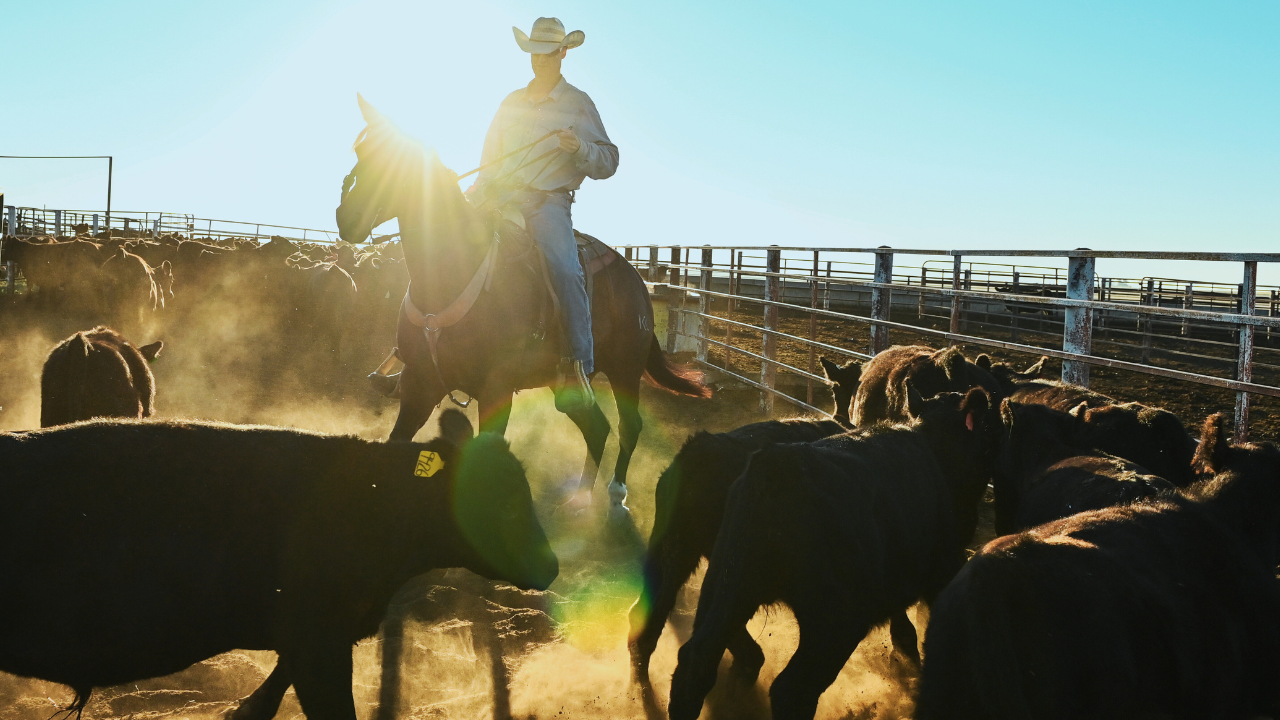
The U.S. cattle industry stands at a critical inflection point, confronting an unprecedented combination of environmental, economic, and policy challenges that threaten its fundamental sustainability. Cattle population levels have plummeted to a 475-year low, driven by a perfect storm of severe drought conditions, skyrocketing production costs, and complex governmental trade policies that have destabilized traditional ranching economics.
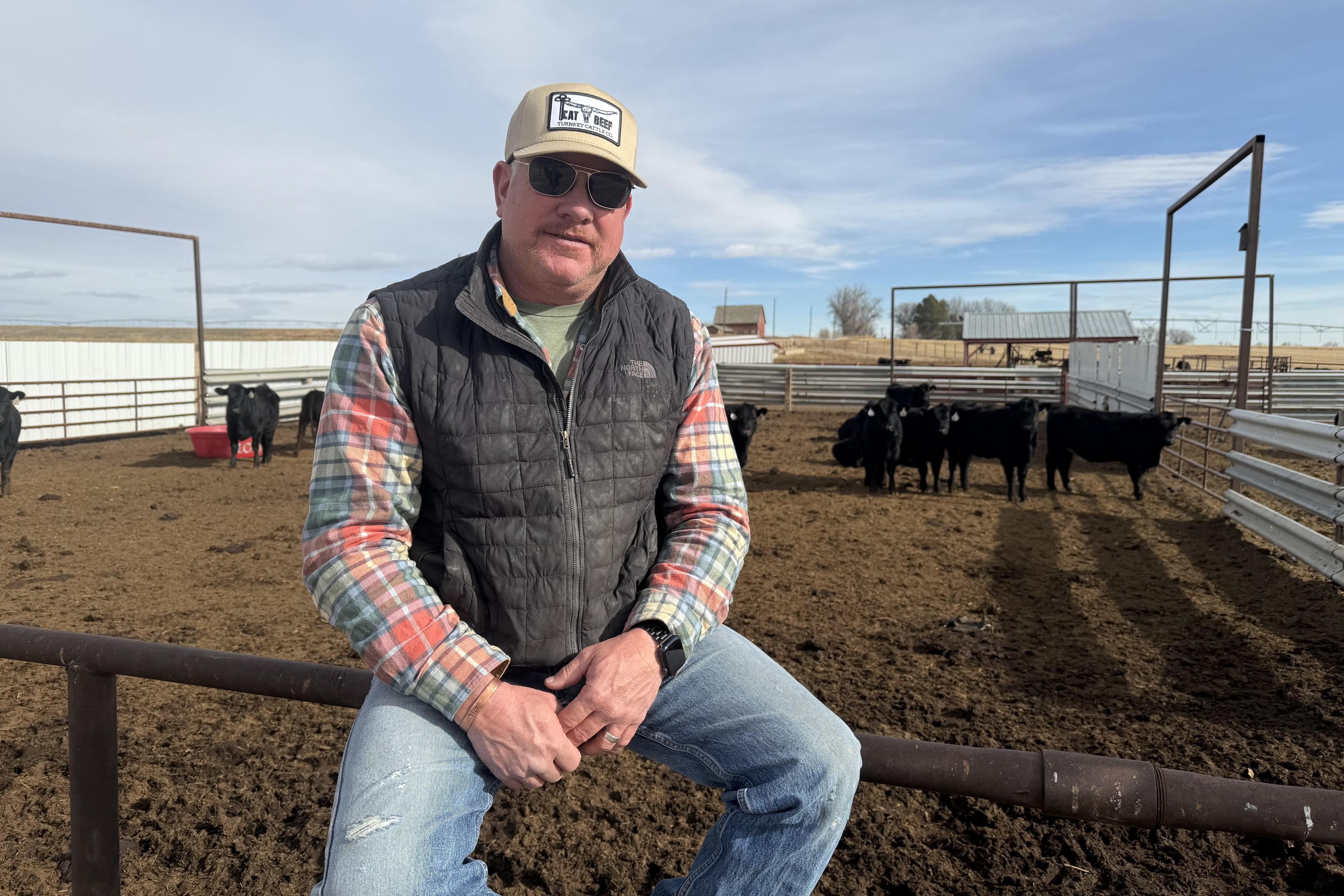
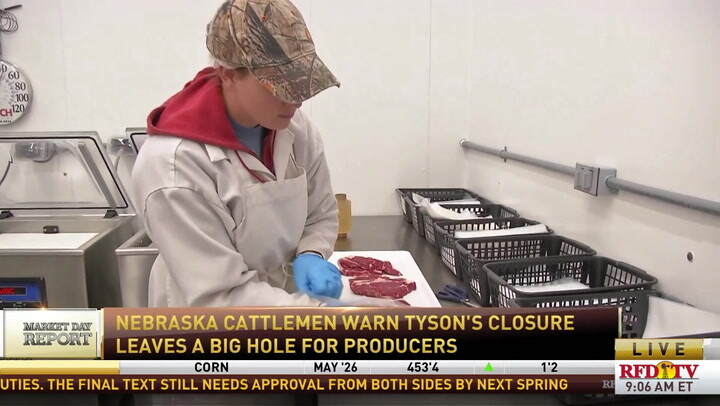
The core dynamics reveal a stark reality for family-owned ranches: they are being systematically squeezed between corporate consolidation, volatile import policies, and environmental constraints. Ranchers like Chad Sanger from Turnkey Cattle Company exemplify this struggle, facing a 55% increase in feed and non-feed costs between 2021 and 2024. The White House's attempts to balance consumer affordability with rancher support have paradoxically created more uncertainty, with policy shifts like quadrupling Argentine beef imports causing immediate market disruptions.
The economic pressure is so intense that 90% of cattle farmers now require secondary employment just to sustain their agricultural operations. Generational farmers are making heart-wrenching decisions, reducing herds from hundreds to single or double digits, and confronting the potential erosion of decades-long bloodlines. The market's structural challenges are profound: cattle futures dropped 8% in a single week in October, while January cattle supplies hit a 74-year low at 86.7 million head.
Looking forward, agricultural economists predict a three-year cycle to rebuild cattle herds—a period that will likely maintain elevated beef prices and create significant supply chain volatility. The beef consumption trajectory suggests a potential 2% decline by 2026, indicating deeper structural shifts beyond immediate market fluctuations.
For stakeholders across the agricultural ecosystem, this is not just an economic challenge but an existential moment. The interplay of climate change, governmental policy, and market dynamics is fundamentally reshaping the American ranching landscape.
Questions 3
How are government policies affecting ranchers?
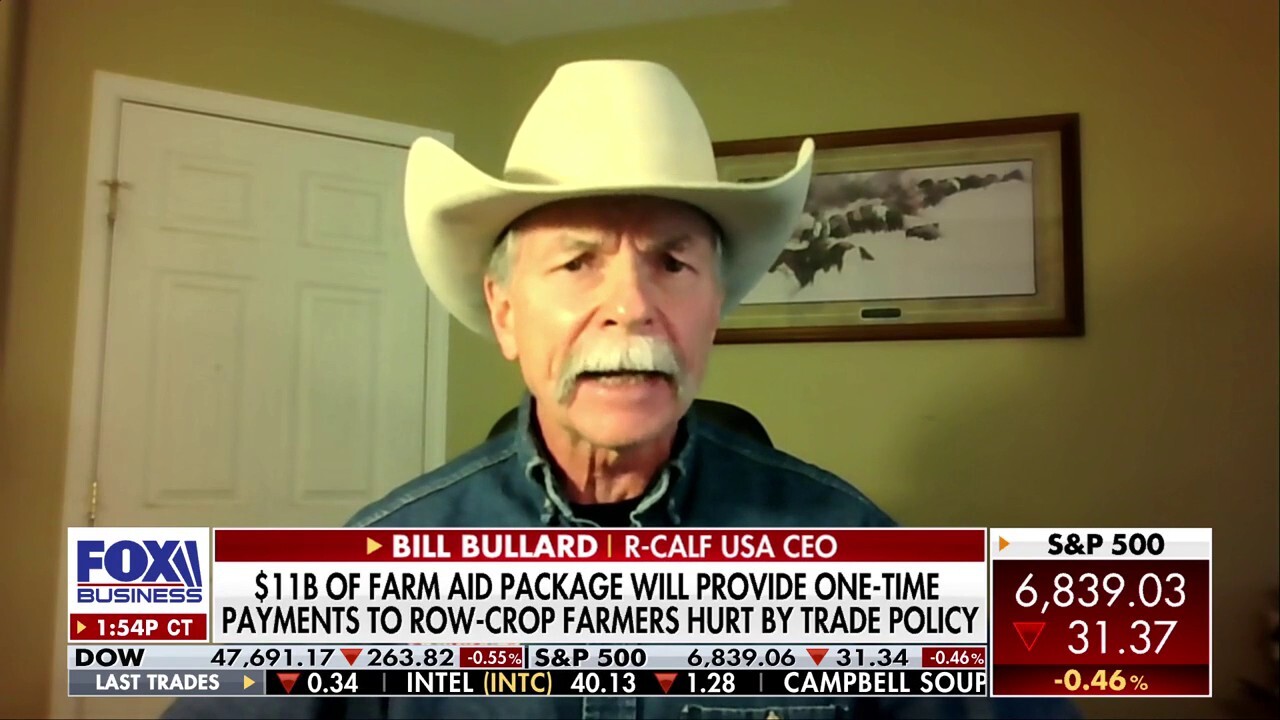
White House policies have created significant market uncertainty. Actions like quadrupling beef imports from Argentina during critical selling periods have caused immediate market disruptions, with calf prices dropping hundreds of dollars. While the administration claims these moves aim to lower consumer beef prices, they've created substantial challenges for small, family-owned ranches.
Why are cattle populations at a historic low?
Multiple factors converge: prolonged drought conditions have discouraged cattle breeding, input costs for ranchers have increased over 50% in five years, and environmental challenges have made maintaining herds economically unsustainable. The U.S. cattle population has shrunk to its smallest size since 1951, forcing many ranchers to liquidate herds.