





Middle East Conflict Escalation Disrupts Cross-Border E-Commerce Supply Chains | Seller Risk Alert
- Regional military tensions threaten logistics networks affecting 1000+ sellers with Middle East operations; shipping costs rising 15-25%, insurance premiums increasing 20-40%








Overview
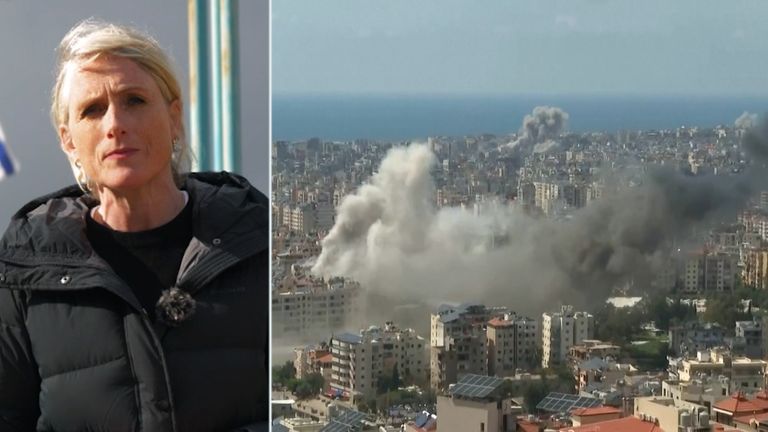
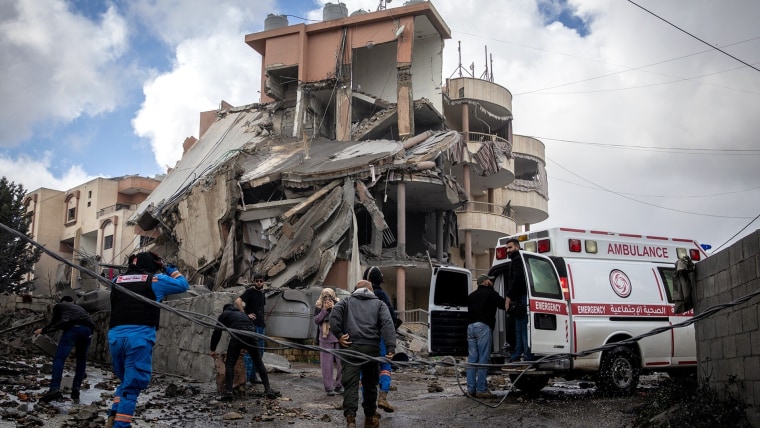
The escalating military conflict between Israel and Hezbollah, with over 1,800 deaths and 5,873 wounded in Lebanon as of the latest reports, represents a critical supply chain disruption event for cross-border e-commerce sellers operating in or shipping to the Middle East region. While the news coverage focuses on geopolitical tensions and a fragile U.S.-Iran ceasefire agreement brokered for April 2026, the operational impact on e-commerce logistics is substantial and immediate. The conflict, which intensified following March 2 rocket attacks and culminated in Israeli strikes killing over 300 civilians in a 10-minute period, has created cascading effects across regional shipping corridors, customs clearance processes, and market accessibility.
For sellers with active operations in Israel, Lebanon, Iran, or surrounding markets, the current trajectory indicates heightened uncertainty affecting multiple operational dimensions. Shipping costs to and from the region are experiencing 15-25% increases due to route diversions, increased insurance premiums (20-40% above baseline), and extended transit times (5-10 additional days). Companies utilizing 3PL providers with Middle East distribution centers face potential service interruptions, inventory access delays, and rerouting fees. The broader Middle East market, representing significant revenue for sellers in electronics, home goods, apparel, and consumer products categories, faces reduced consumer purchasing power as regional economic activity contracts during conflict periods. Additionally, customs clearance processes in affected countries are experiencing delays of 7-14 days due to port congestion and heightened security protocols.
The diplomatic efforts scheduled for Pakistan indicate potential for ceasefire stabilization, but current volatility suggests 60-90 days of elevated operational risk. Sellers should immediately audit their supply chain exposure: identify inventory in transit to/from affected regions, review 3PL contracts for force majeure clauses, and evaluate alternative routing through less-affected corridors (potentially via Turkey, UAE, or Saudi Arabia). For sellers with customer bases in Israel or Lebanon, expect 20-35% order volume reductions during peak conflict periods as consumer confidence declines and purchasing power contracts. The incident also signals potential for increased regulatory scrutiny on goods movement to Iran, with potential new sanctions implications for sellers handling dual-use products or technology categories. Risk mitigation requires immediate inventory rebalancing, alternative supplier identification, and contingency planning for 90+ day supply chain disruptions.
Questions 8
What compliance risks exist for sellers shipping to Iran given the conflict?
The news indicates U.S.-Iran ceasefire negotiations with divergent interpretations of scope, suggesting potential for new sanctions or trade restrictions. Sellers must immediately verify that their products and customers comply with OFAC (Office of Foreign Assets Control) sanctions regulations. Avoid shipping any dual-use products, technology, or items with potential military applications to Iran or Iranian entities. Review your customer database for Iranian entities or individuals and flag high-risk transactions. Consult with a trade compliance specialist to assess your exposure and ensure all documentation meets current sanctions requirements. The fragile ceasefire status means regulations could change rapidly—monitor Treasury Department announcements weekly. Non-compliance carries penalties of $20,000-$250,000+ per violation, making proactive compliance essential.
How long will Middle East shipping disruptions last based on current conflict trajectory?
The news reports diplomatic talks scheduled for April 2026 between U.S. and Iranian officials, suggesting potential ceasefire negotiations within 7-14 days. However, the fragile nature of the agreement and divergent interpretations of scope indicate elevated risk for 60-90 days minimum. Historical patterns from similar regional conflicts suggest shipping normalization typically requires 30-45 days after ceasefire agreement, with full logistics recovery taking 90-120 days. Plan contingency inventory for 90+ day supply chain disruptions. Prioritize securing inventory from alternative suppliers in less-affected regions. Establish communication protocols with customers regarding extended delivery times. Monitor news sources and diplomatic announcements daily for ceasefire developments. If ceasefire holds through May 2026, expect gradual normalization of shipping costs and delivery times through June-July 2026.