




Iran Conflict Energy Shock Drives 3.3% Inflation | Seller Financing & Shipping Cost Crisis
- Fuel surcharges spike 40% for cross-border sellers; Amazon announces permanent fee increases; Fed rate hold pressures inventory financing costs 3.5-3.75%































Overview
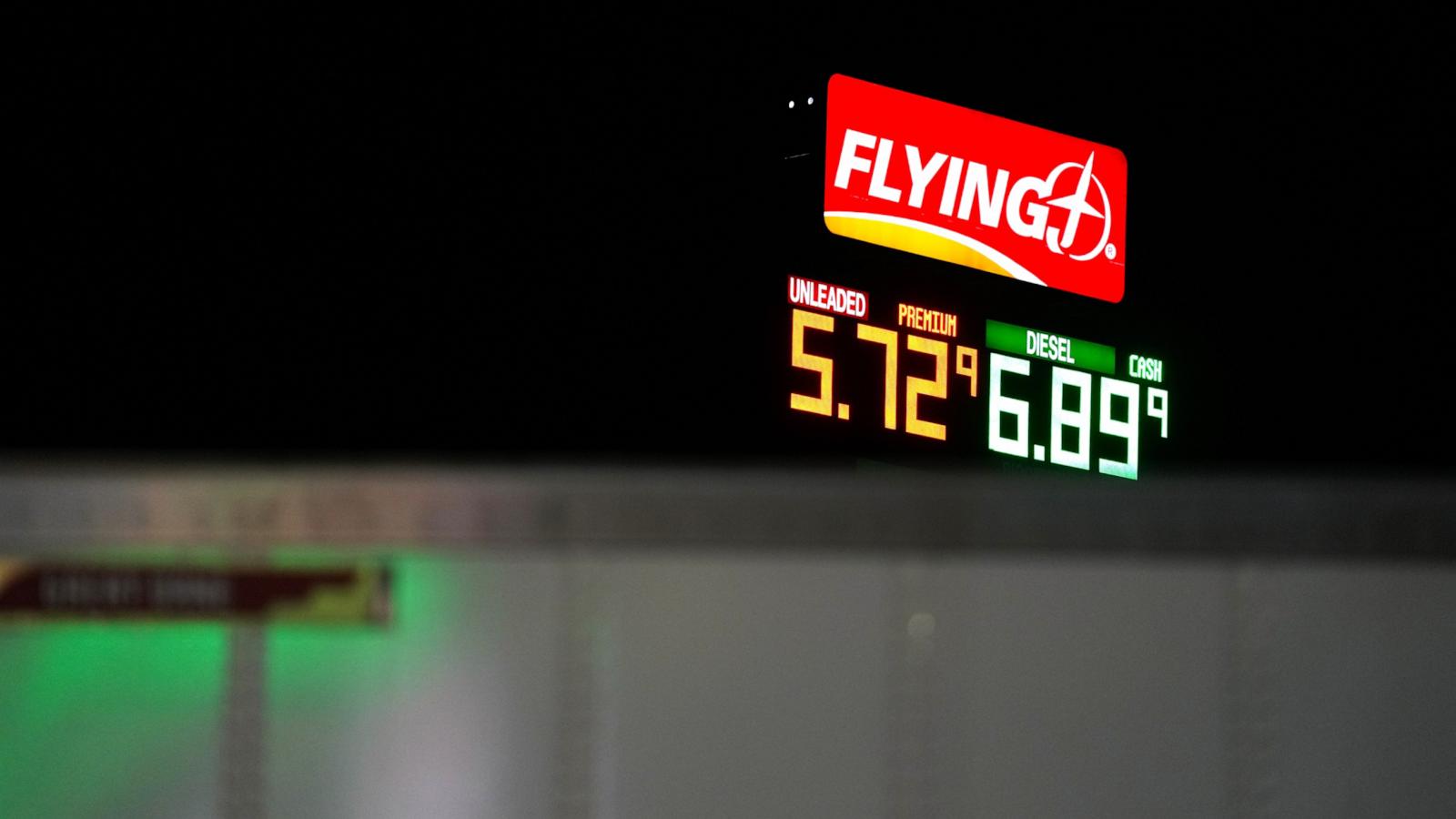
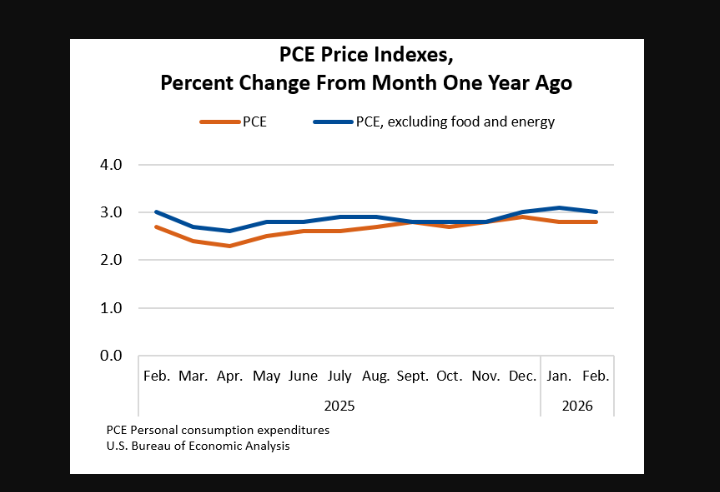
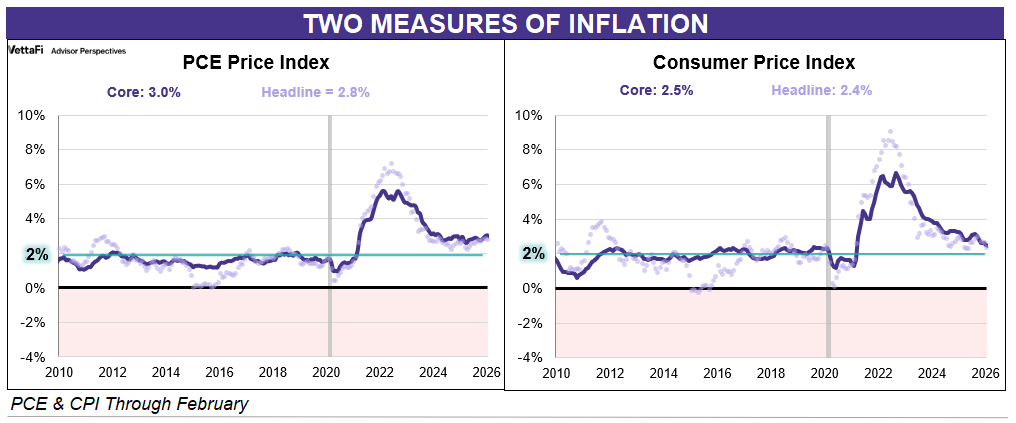
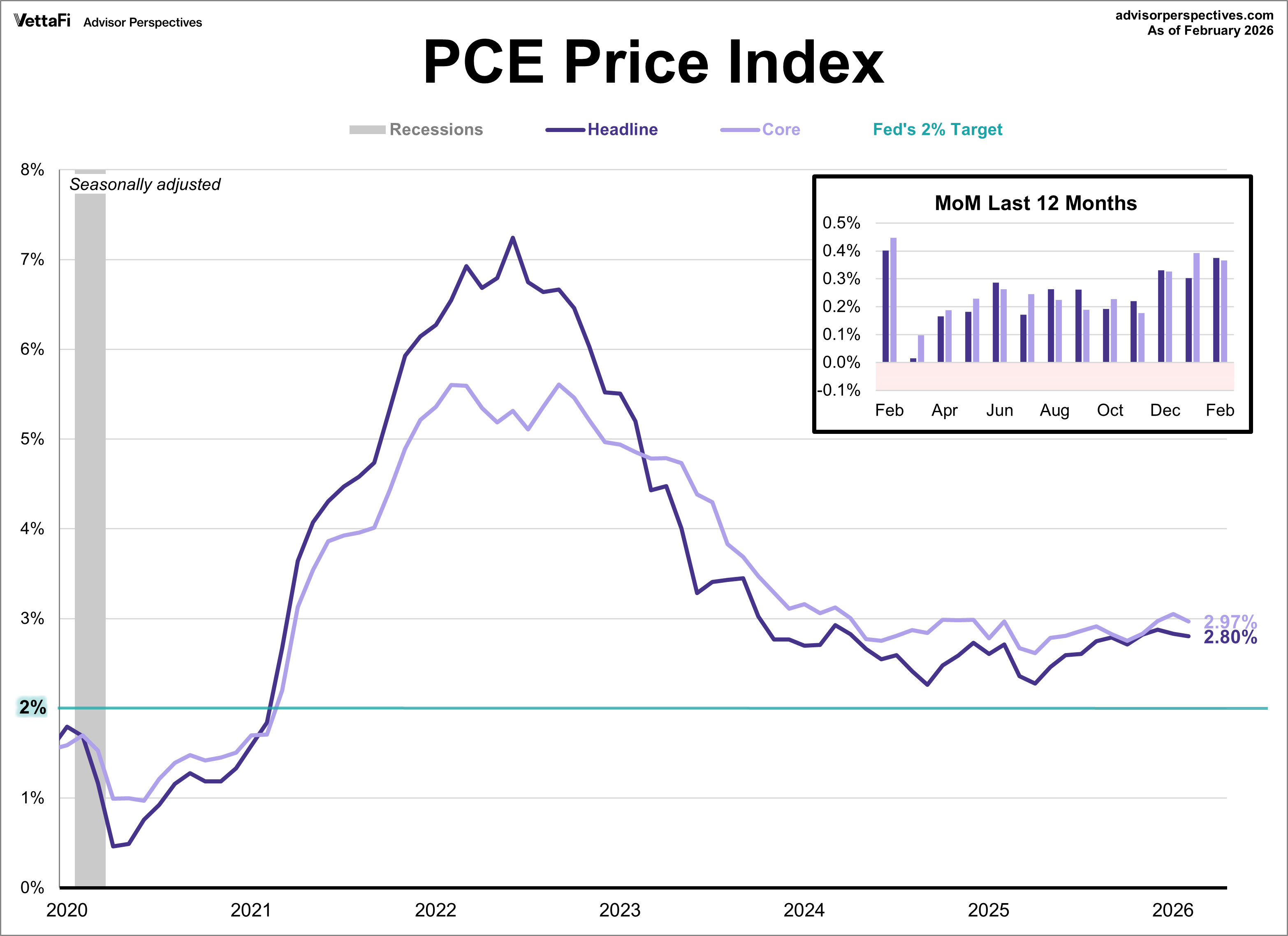
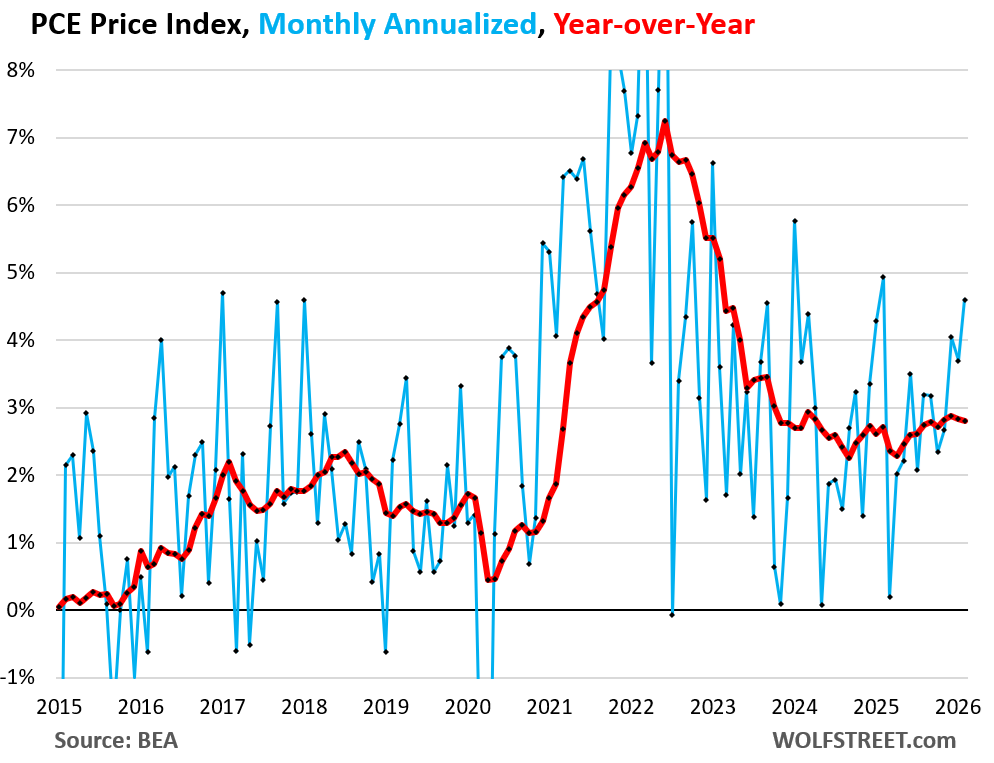
The March 2025 Iran conflict triggered a severe energy supply shock that cascaded through cross-border e-commerce operations, with inflation surging to 3.3% year-over-year—the highest level in two years. The Strait of Hormuz closure disrupted approximately one-fifth of global oil and natural gas supply, driving Brent crude from $65 to $110 per barrel (a 50% spike) before settling at $95—still a 30% premium above pre-war levels. Gasoline prices jumped 40% since late February, averaging $4.15 per gallon, while energy component inflation reached 12.5% month-over-month, far exceeding analyst expectations of 0.9% monthly price growth.
For cross-border e-commerce sellers, this inflation environment creates immediate operational crises across three critical dimensions. First, shipping cost escalation is severe and structural: Amazon and major logistics providers announced fuel surcharges that "are unlikely to revert to pre-war levels," according to multiple reports. Sellers relying on air freight or expedited shipping face the most significant cost pressures, with transportation services rising 4.1% year-over-year. Ground shipping surcharges typically range 5-12% of base rates during energy shocks, translating to $150-400 monthly increases for sellers moving 500+ units. Second, consumer purchasing power is eroding rapidly: real wage growth declined 0.9% in March with annual real average hourly earnings increasing only 0.1%, while housing costs accelerated 0.3% monthly with shelter costs up 3% annually. This purchasing power compression directly constrains discretionary e-commerce demand, particularly for non-essential categories. Third, financing costs are rising while availability tightens: the Federal Reserve maintains rates at 3.5-3.75% with officials showing "greater openness to rate increases if inflation doesn't ease." This monetary policy stance directly increases inventory financing costs for sellers using PO financing, invoice factoring, or working capital loans—typically adding 50-150 basis points to APR rates.
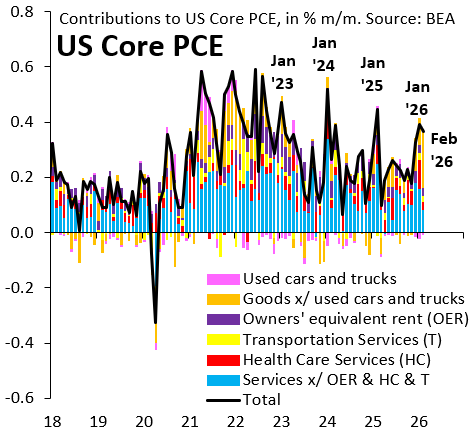
Strategic financial opportunities exist despite headwinds. Sellers should immediately lock in inventory financing at current 3.5-3.75% Fed rates before potential increases; delayed action risks 4.5-5.5% rates within 60 days. Used vehicle prices fell 3.2% annually, reducing logistics costs for sellers operating 3PL networks or private fleets—a rare cost advantage in this environment. Core inflation excluding energy and food rose only 0.2% monthly, indicating that non-energy-sensitive categories (furniture down 1.6% monthly, appliances down 1.6%) face less margin compression than energy-intensive sectors. Sellers should shift inventory mix toward these categories while reducing exposure to apparel (3.4% annual increase) and air-freight-dependent products. The 70% probability the Fed maintains rates through year-end (per CME FedWatch Tool) suggests financing costs will stabilize by Q3 2025, creating a window for sellers to refinance high-cost inventory debt before potential rate cuts in late 2024-2025 that could ease borrowing costs.
Questions 8
When might Fed rate cuts provide relief to seller financing costs?
Federal Reserve officials indicated potential rate cuts "later in 2024" to support the labor market if inflation expectations remain anchored, according to Oxford Economics analysis. However, the April 29 Fed decision will be critical—if inflation persists above 3.0%, rate cuts may delay to late 2025. Current CME FedWatch Tool shows 70% probability rates hold through year-end. Sellers should plan for rates to remain at 3.5-3.75% through Q3 2025, with potential 25-50 basis point cuts in Q4 2025. Lock in financing now rather than waiting for cuts that may not materialize until late 2025.
How can sellers reduce shipping costs given 40% fuel price increases?
Immediate actions: (1) Shift 30-40% of inventory to ground shipping from expedited services, accepting 5-7 day delays to save 8-15% on shipping costs; (2) Consolidate shipments to reduce per-unit freight costs by 10-15%; (3) Negotiate volume discounts with 3PL providers before May 2025 rate reviews; (4) Leverage used vehicle price declines (down 3.2% annually) to optimize private fleet logistics if operating 500+ monthly shipments. Medium-term: evaluate nearshoring to Mexico or Canada to reduce fuel-intensive long-haul shipping. These actions can offset 50-70% of fuel surcharge increases.