

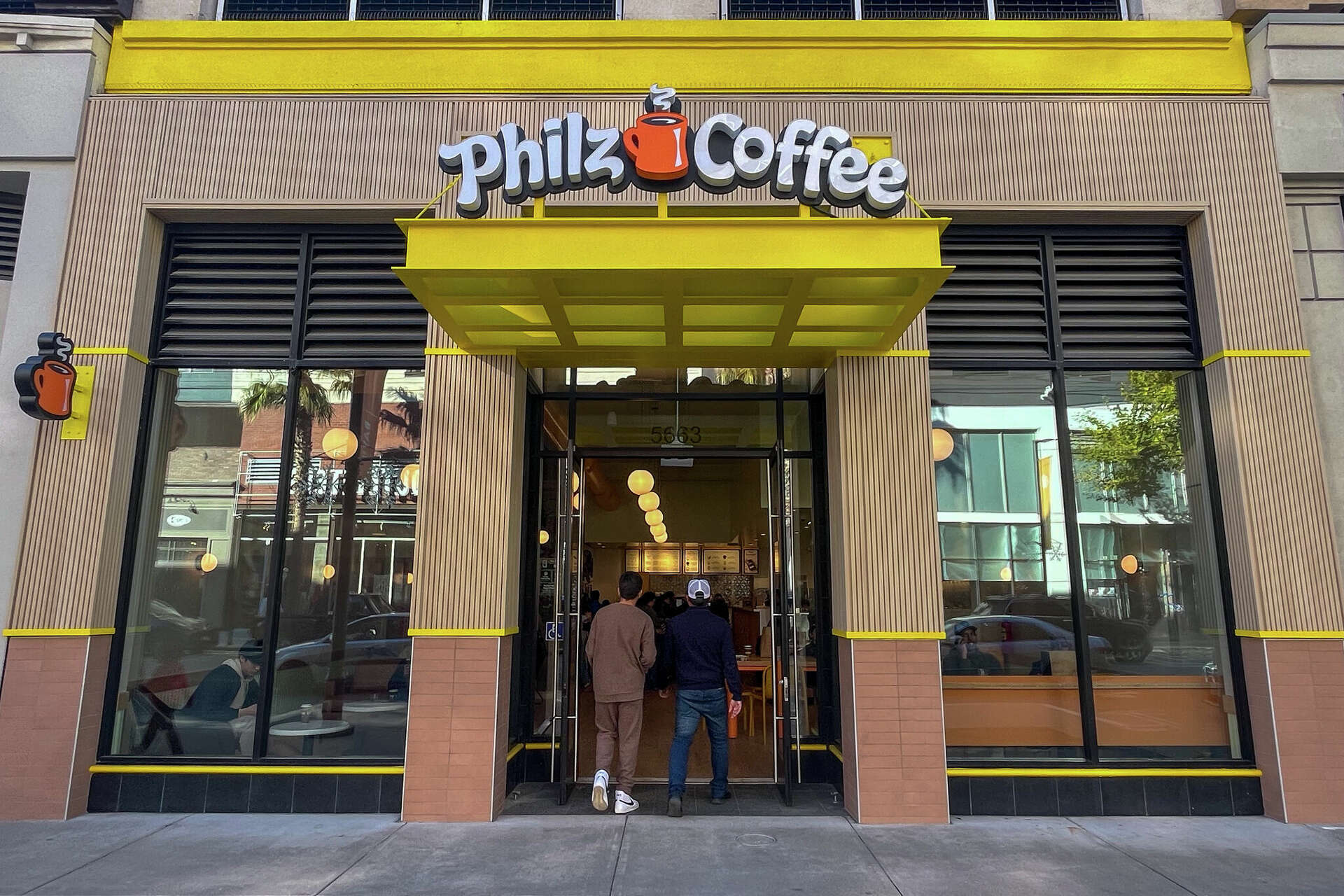

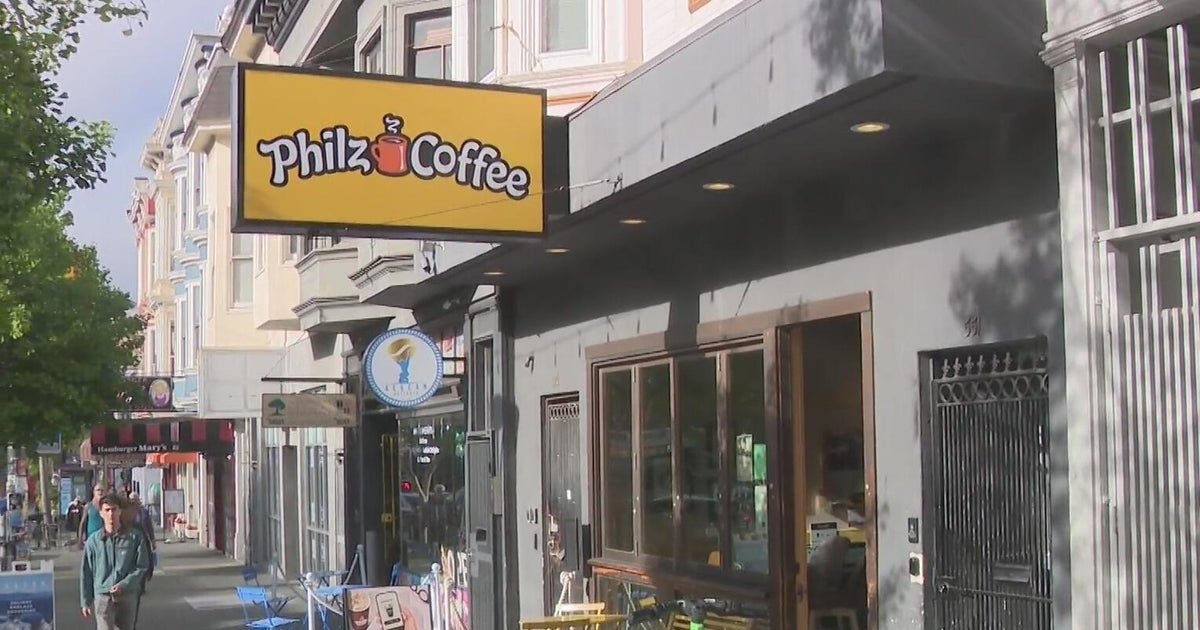
Corporate Brand Backlash: Philz Coffee's Pride Flag Removal Signals Major Shift in LGBTQ+ Market Positioning
- 60+ store locations face customer boycotts; 2,600+ employee petition signatures; $145M private equity acquisition reshapes brand strategy














Overview
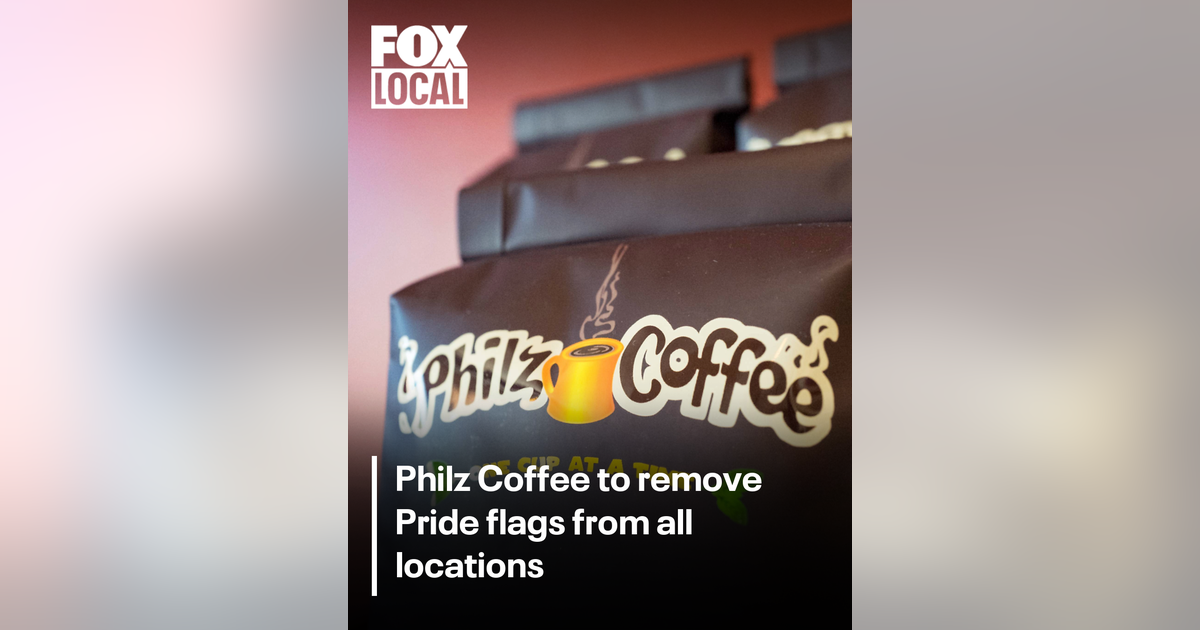
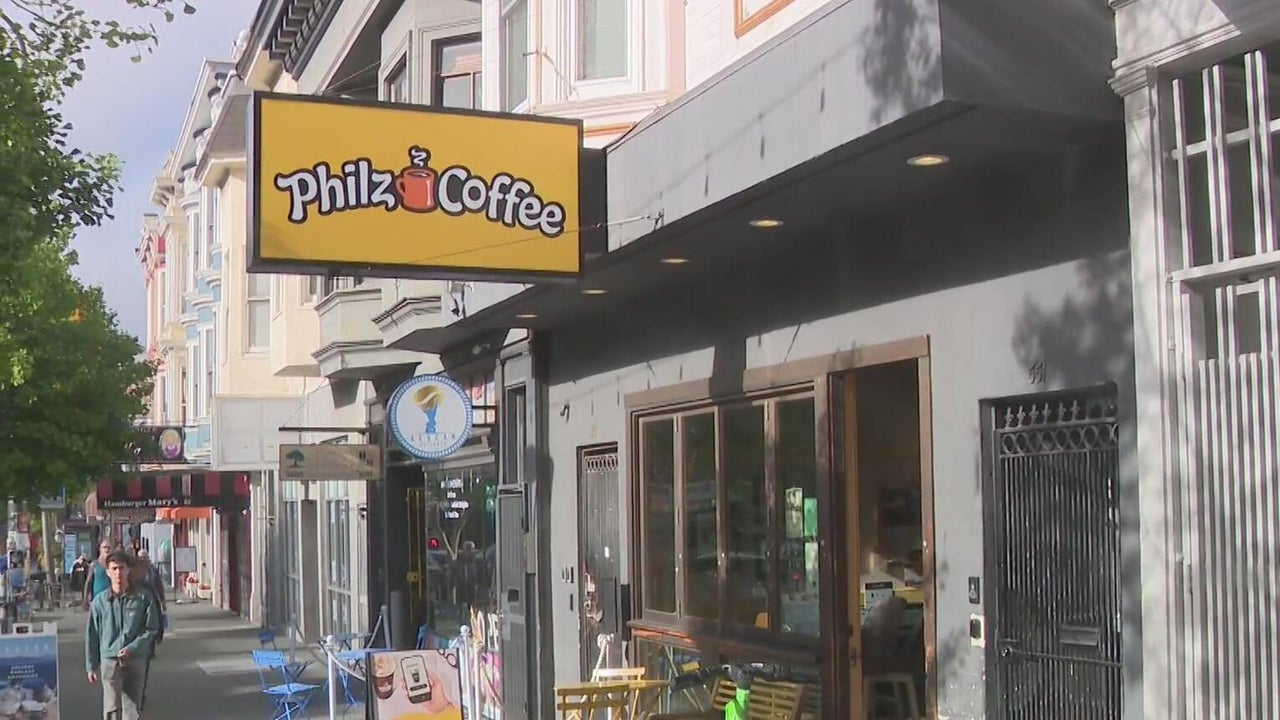
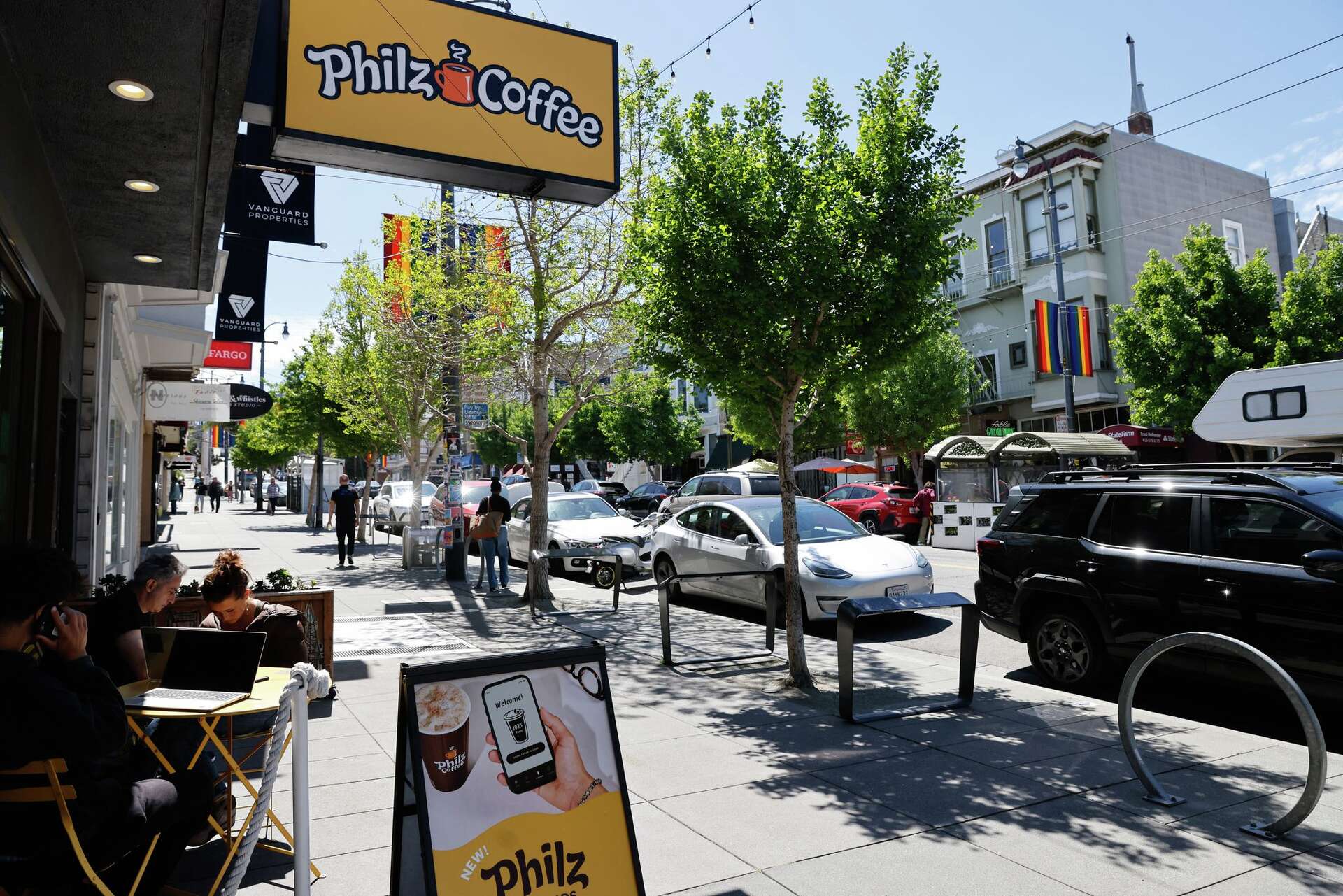
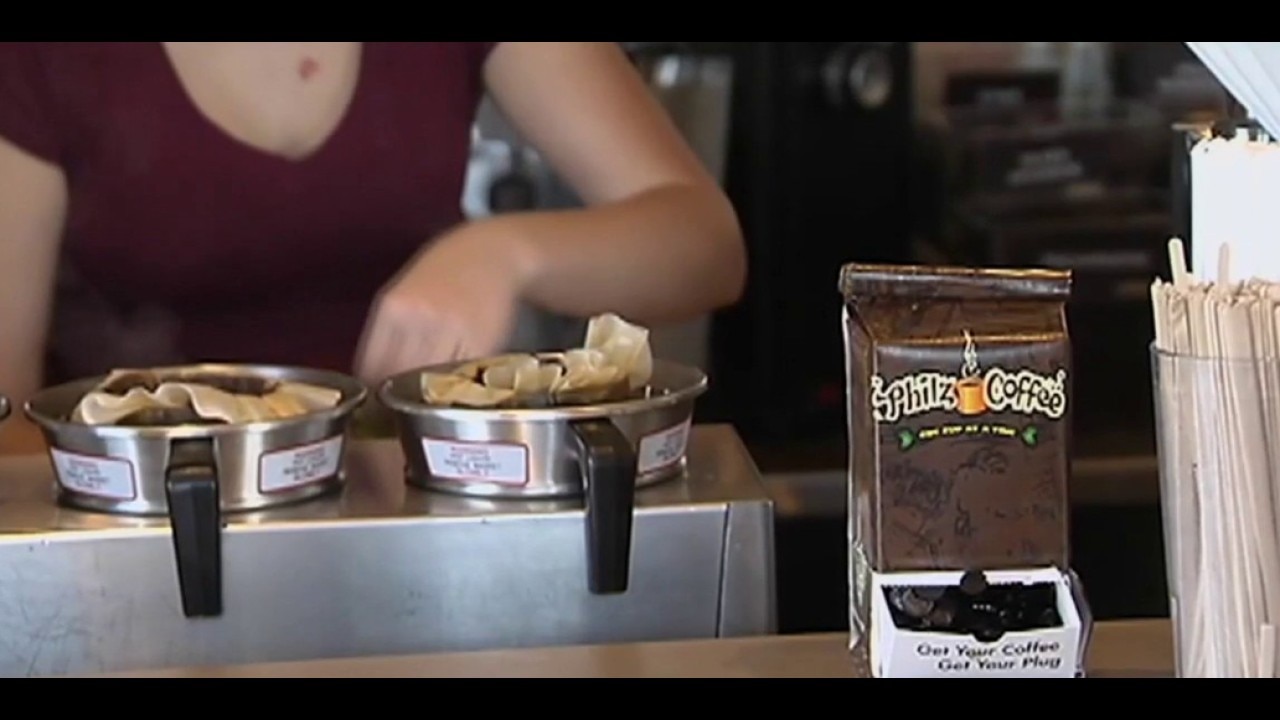
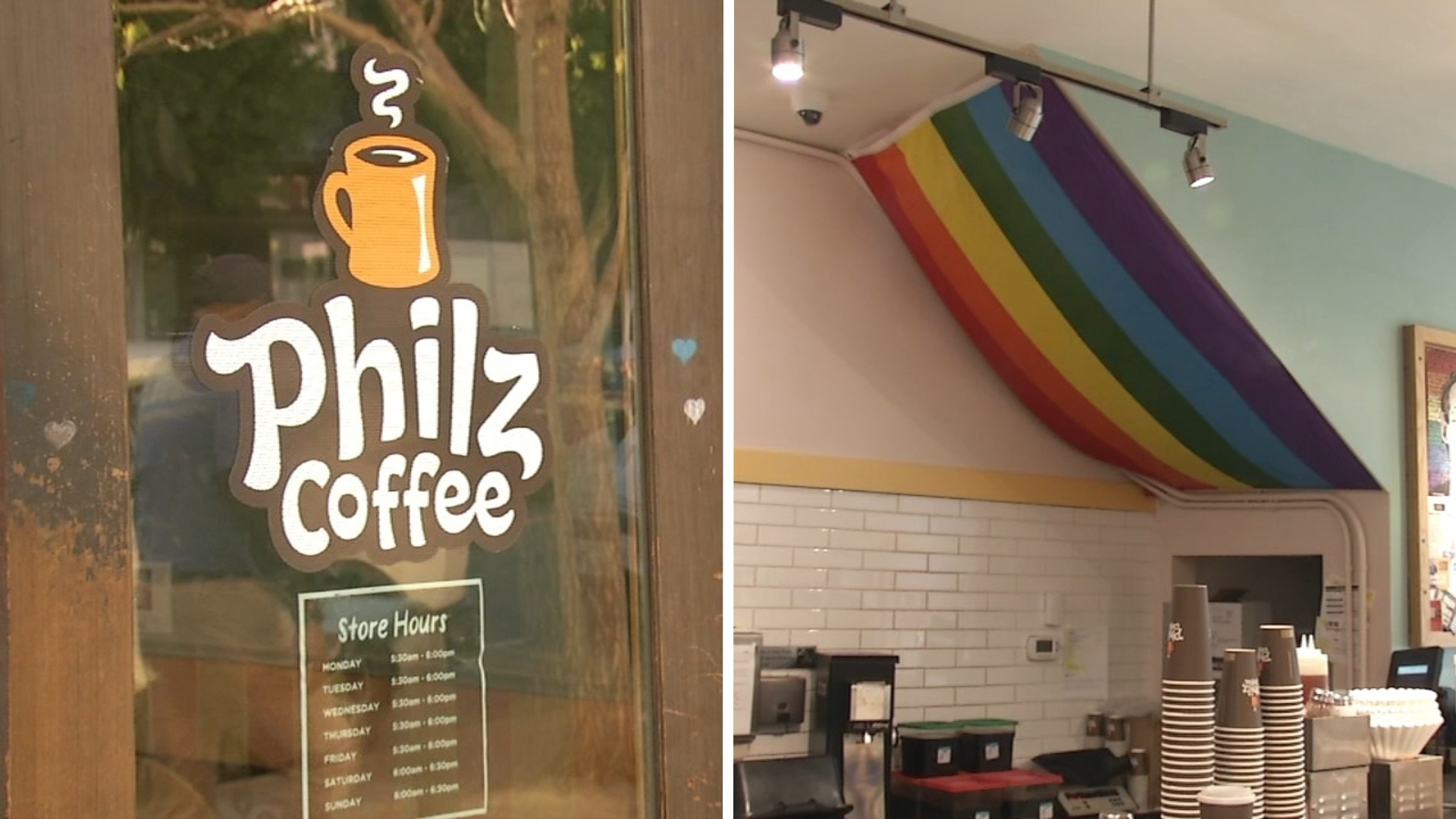
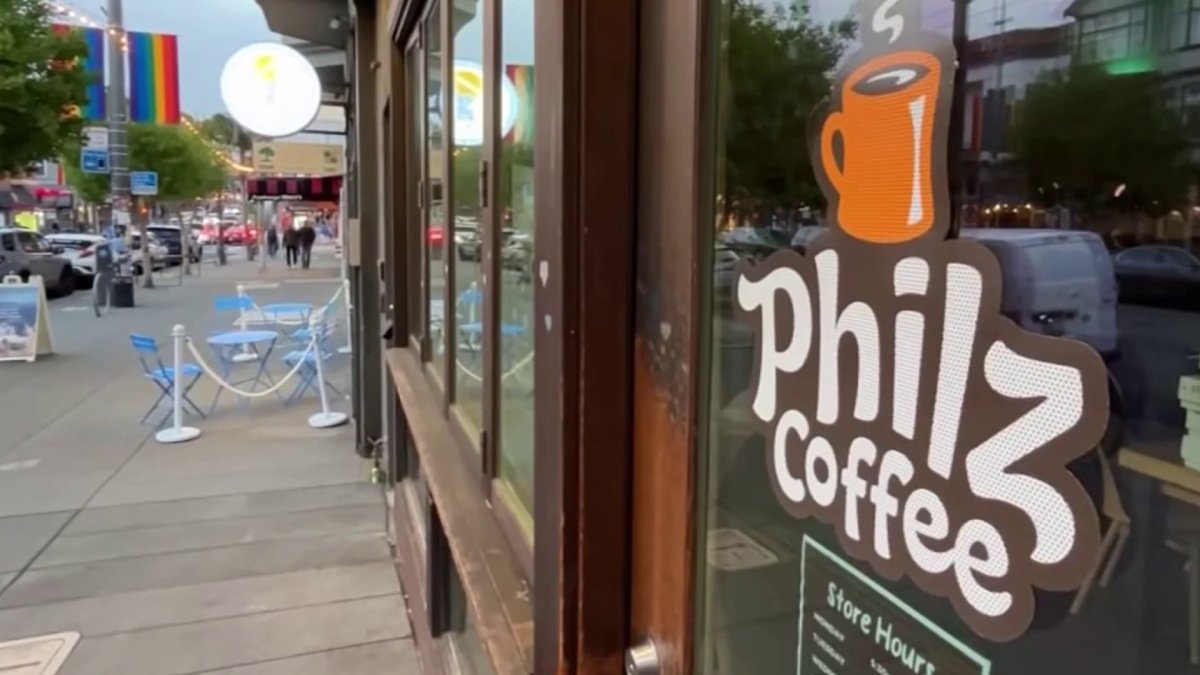
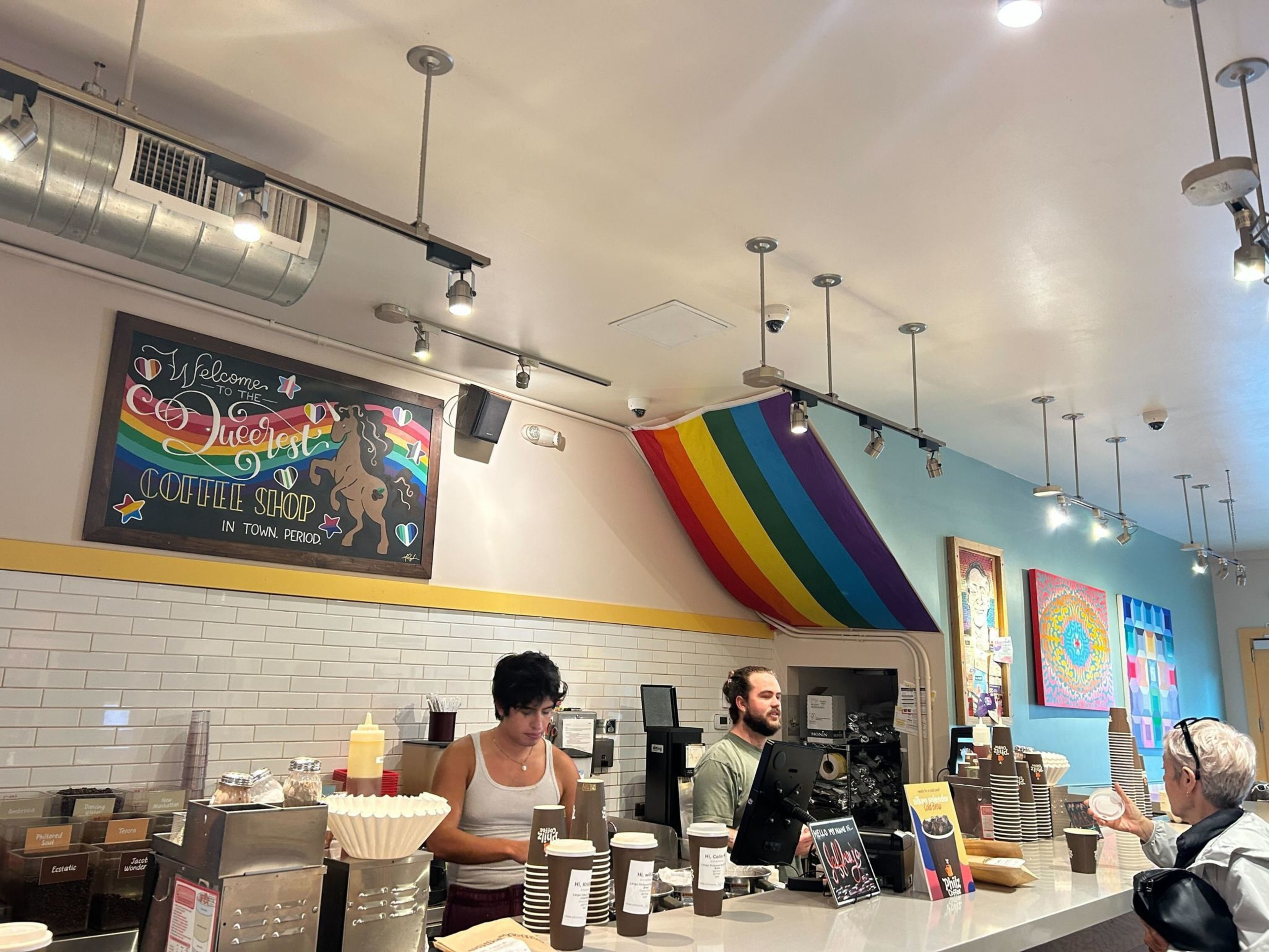
Philz Coffee's April 9, 2026 decision to remove Pride flags from all 60+ locations across California and Illinois represents a critical case study in corporate brand positioning failure with direct implications for sellers targeting LGBTQ+ consumer segments. CEO Mahesh Sadarangani's announcement—framed as creating "more consistent, inclusive experience"—triggered immediate backlash: 2,600+ employee petition signatures within 24 hours, joint opposition from Oakland Lakeshore and San Francisco Castro LGBTQ Cultural Districts, and explicit boycott threats from customers. This controversy reveals a fundamental market miscalculation: the LGBTQ+ consumer segment ($1.7T+ annual purchasing power in US) prioritizes visible brand alignment over corporate messaging claims.
The strategic failure stems from private equity ownership dynamics. Freeman Spogli & Co.'s $145M acquisition of Philz in 2025 appears to have triggered corporate-wide policy standardization (Freeman Spogli also owns El Pollo Loco), suggesting cost-cutting and brand homogenization priorities superseded community relationship management. UC Berkeley business professor Ann Harrison explicitly warned that removing symbols "could alienate loyal customers permanently," questioning what distinctive experience Philz now offers in a commoditized coffee market. This signals a broader trend: private equity-backed brands increasingly deprioritize niche community positioning in favor of mass-market appeal—a strategy that backfires when the niche community represents core customer loyalty.
For sellers, this case demonstrates three critical market dynamics: (1) Visible representation drives customer lifetime value in progressive markets—the Bay Area Castro District and Oakland Lakeshore locations represent high-traffic, high-margin customer bases built on community trust; (2) Employee advocacy amplifies brand damage—unionized staff (following 2023 pro-Palestine pin controversy) weaponized Change.org petitions, creating negative earned media worth $2-5M in advertising equivalent; (3) Authenticity gaps trigger permanent churn—customers explicitly stated they won't return "even if policy reversed," indicating reputational damage extends beyond reversible policy changes. The timing coincides with broader conservative efforts to remove Pride iconography nationwide (Trump administration's Stonewall Monument flag removal in February 2026), positioning Philz as aligned with anti-LGBTQ+ sentiment regardless of CEO claims otherwise.
Questions 7
What are the long-term market implications for niche community retail strategy?
Philz's 20-year brand identity was built on explicit Pride visibility and LGBTQ+ community support in San Francisco's Castro District and Oakland Lakeshore neighborhoods. UC Berkeley business professor Ann Harrison warned that removing these symbols 'could alienate loyal customers permanently,' questioning what distinctive experience the company now offers in a commoditized coffee market. This signals a fundamental strategic question: in competitive markets, niche community positioning provides defensible differentiation. Removing that positioning eliminates competitive advantage without gaining mass-market share (Starbucks already dominates that segment). For sellers, this demonstrates that authentic community positioning—when built over 20+ years—creates customer loyalty that mass-market strategies cannot replicate. Abandoning niche positioning loses both differentiation and community loyalty simultaneously.
How should sellers evaluate community representation in brand partnerships?
Philz's controversy reveals that community representation isn't performative—it requires consistent, visible, authentic commitment. CEO claims of unchanged LGBTQ+ support (hiring practices, Pride Month celebrations) failed to offset symbolic removal, indicating that internal practices don't substitute for visible community representation. For sellers evaluating brand partnerships, this signals: (1) assess whether brand has 20+ year authentic community history versus recent performative initiatives; (2) evaluate ownership structure—PE-backed brands face pressure to standardize and eliminate community-specific positioning; (3) monitor employee diversity and unionization status as indicators of internal advocacy capacity; (4) track political timing and broader cultural movements that may recontextualize brand decisions. Sellers should avoid partnerships with brands showing signs of community alienation, as reputational damage extends to associated sellers.