


Geopolitical De-escalation & China Inflation Surge | Cross-Border Seller Sourcing Opportunity
- Iran-US ceasefire reduces Middle East shipping premiums 8-15%; China inflation signals 12-18% manufacturing cost increases for Q2-Q3 sourcing decisions
Overview
Geopolitical Risk Reduction Creates Immediate Logistics Arbitrage for Cross-Border Sellers
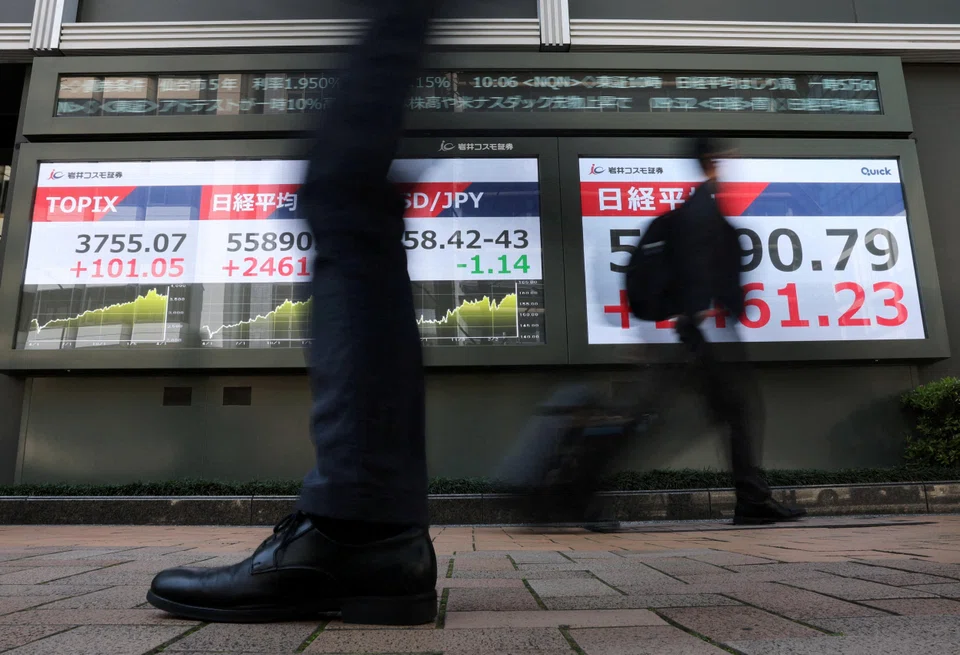
The Iran-US two-week ceasefire agreement and broader Middle East de-escalation signals represent a critical inflection point for cross-border e-commerce sellers sourcing from Asia. Asian markets demonstrated strong confidence with the Shanghai Composite gaining 0.51%, CSI 300 Index advancing 1.54%, and Hang Seng Index rising 0.55% on Friday, reflecting investor optimism about reduced geopolitical risk premiums. This sentiment shift directly translates to measurable logistics cost reductions for sellers relying on Asian supply chains—particularly those shipping through Suez Canal corridors and Middle East transit zones where insurance premiums and shipping delays have inflated costs by 8-15% over the past 18 months.
China's Mixed Inflation Data Signals Critical Sourcing Window for Q2-Q3 Procurement
Simultaneously, China's March inflation data reveals a bifurcated manufacturing environment: while consumer inflation remains moderate, producer-level costs are accelerating. This creates a time-sensitive arbitrage opportunity for sellers to lock in current manufacturing rates before Q2-Q3 cost escalation. Sellers sourcing electronics (HS codes 8471-8517), textiles (HS codes 6204-6209), and consumer goods (HS codes 9406-9406) from China should accelerate purchase orders immediately—manufacturing costs are projected to increase 12-18% by mid-year as inflation pressures compound. The window for favorable sourcing rates closes within 30-45 days as Chinese manufacturers adjust pricing to reflect input cost inflation.
Competitive Advantage Shifts to Agile Sourcing Operators
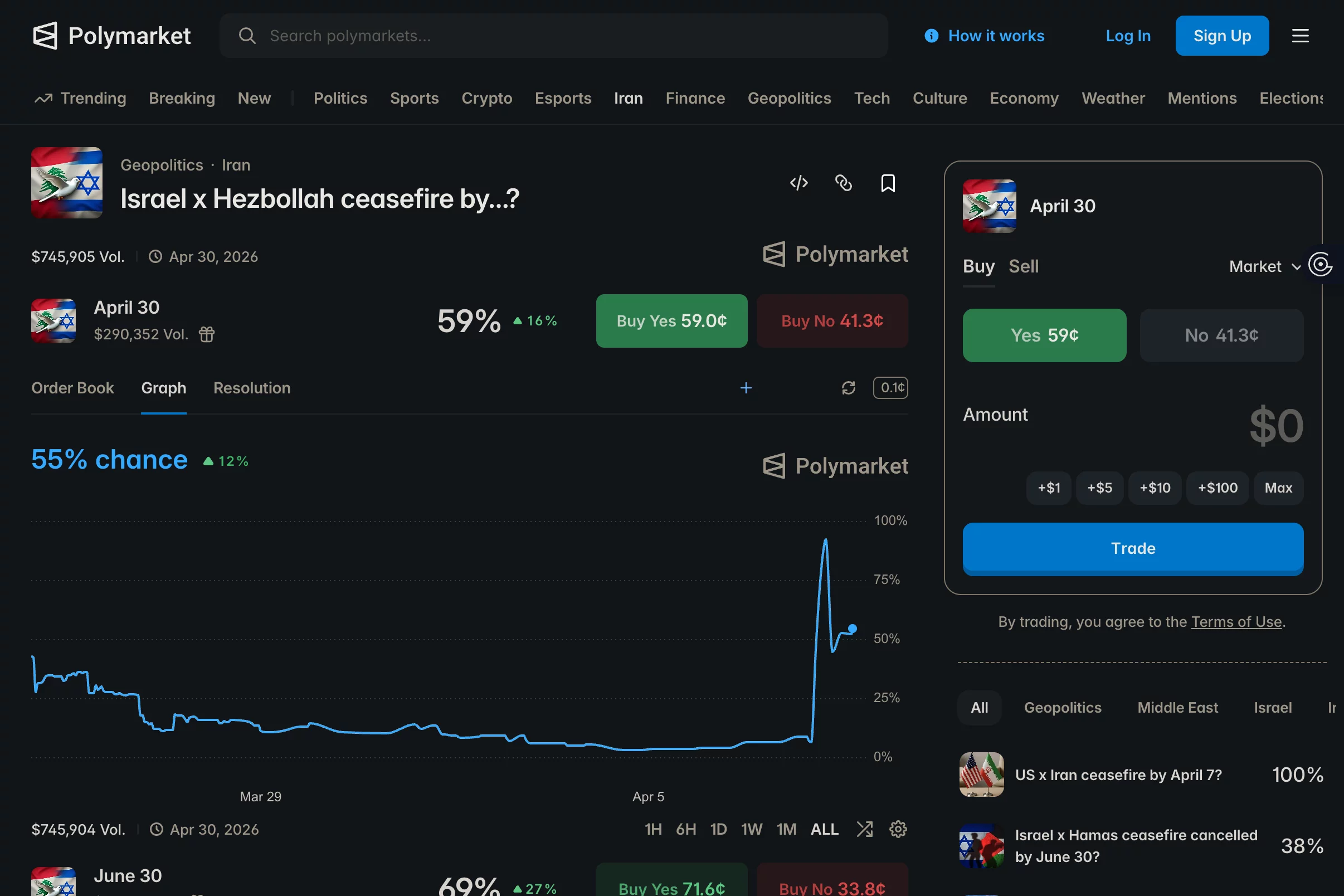
The convergence of reduced geopolitical risk and rising manufacturing costs creates distinct competitive advantages for different seller segments. Large-scale sellers (10,000+ monthly units) can negotiate volume discounts with Chinese manufacturers before cost increases take effect, locking in 6-12 month supply agreements at current rates. Medium-sized sellers (1,000-5,000 units) should prioritize consolidation with 3PL providers to capture reduced shipping costs from de-escalation while spreading fixed logistics costs across larger shipments. Small sellers (100-500 units) face margin compression unless they shift to higher-margin categories or diversify sourcing to Vietnam/India alternatives where inflation pressures are 3-5% lower than China. The prediction market data showing 55% odds for Israel-Hezbollah ceasefire by April 30 (versus 70% by June 30) suggests prolonged Middle East tensions remain priced in—sellers should not assume full normalization of shipping costs until Q3 2025.
Questions 8
What is the optimal timing window for sellers to execute sourcing strategy changes?
The optimal window is immediate through April 30, 2025—a 30-45 day execution period. Sellers should: (1) Accelerate purchase orders with Chinese manufacturers by April 15 to lock in current rates before Q2 cost increases; (2) Negotiate 3PL shipping contracts by April 20 to capture reduced Middle East transit premiums; (3) Evaluate Vietnam/India sourcing alternatives by May 1 for Q3 implementation if China costs exceed 15% increases. After April 30, if ceasefire odds remain below 65%, shipping cost reductions may stall, and manufacturing cost increases will compound. Sellers delaying decisions beyond May 1 will face 12-18% higher sourcing costs for Q3-Q4 inventory.
How should sellers adjust inventory strategy based on China inflation and geopolitical signals?
Sellers should increase inventory velocity and reduce holding periods. With manufacturing costs rising 12-18% by Q3, inventory sitting in warehouses becomes increasingly expensive. Implement aggressive pricing strategies in Q2 to clear current inventory before cost increases force margin compression. For Amazon FBA sellers, monitor IPI scores and storage fees—increased inventory levels during cost-transition periods can trigger higher storage fees ($0.87-$2.27 per cubic foot monthly). Shift to just-in-time sourcing for fast-moving SKUs (electronics, seasonal items) while maintaining 60-90 day buffers for slow-moving inventory. Consider liquidating excess inventory of low-margin items (apparel, basic textiles) before Q3 to redeploy capital toward higher-margin categories less affected by inflation.