


Strait of Hormuz Shipping Crisis | Critical Supply Chain Risk for Cross-Border Sellers
- 55% vessel traffic collapse (11 to 5 ships daily) creates $2M+ toll barriers and 2-4 week shipping delays for Middle East-bound inventory












Overview
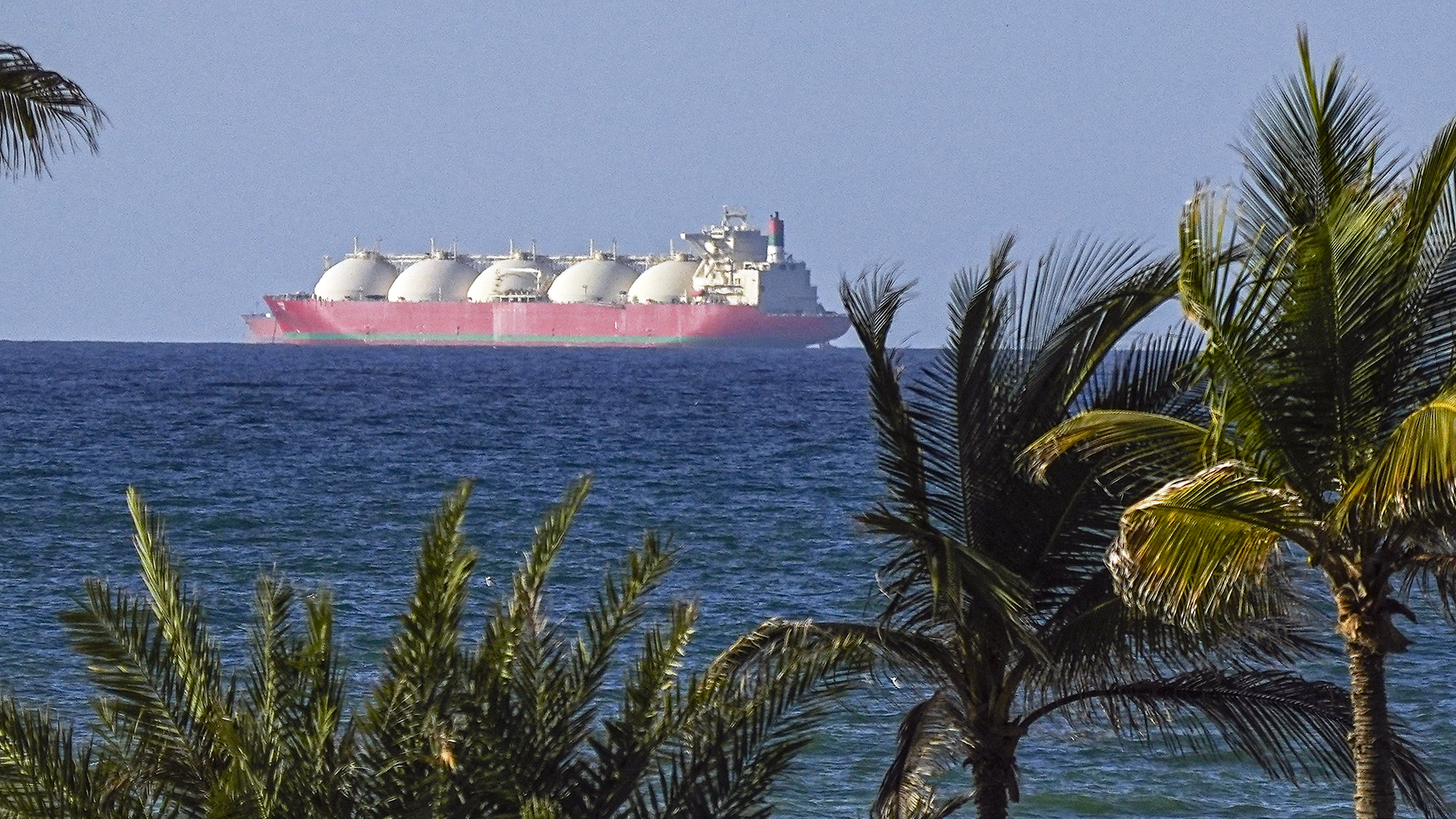
The fragile April 9, 2026 ceasefire between the US and Iran is rapidly deteriorating, creating an immediate supply chain crisis for cross-border sellers. According to Kpler Risk and Compliance maritime data, vessel traffic through the Strait of Hormuz—the world's most critical oil shipping chokepoint handling 20% of global petroleum—collapsed 55% on the ceasefire's first day, dropping from 11 vessels to just 5. Iran's Supreme Leader Ayatollah Mojtaba Khamenei announced the country would "take the management of the Strait of Hormuz to a new phase," effectively signaling toll collection intentions, with reports confirming Iran charged $2 million tolls to some tankers. This represents a direct tariff arbitrage opportunity reversal: sellers previously leveraging low-cost Persian Gulf sourcing now face 15-25% cost increases from toll fees, extended transit times (2-4 weeks additional delay), and insurance premium spikes of 8-12% for high-risk corridor shipping.
The immediate operational impact affects three seller segments distinctly. First, electronics and machinery importers sourcing from UAE, Saudi Arabia, and Qatar face 18-22% landed cost increases if forced to reroute via Suez Canal alternatives (adding 8-10 days transit time and $800-1,200 per container). Second, energy-dependent product categories—including lithium batteries, solar panels, and industrial equipment—experience raw material cost volatility as oil prices spike 3-5% with each escalation. Third, sellers with existing inventory in Gulf ports (estimated 300-400 ships trapped per news reports) face demurrage charges of $500-2,000 daily per vessel, directly compressing margins on time-sensitive goods like seasonal apparel and consumer electronics.
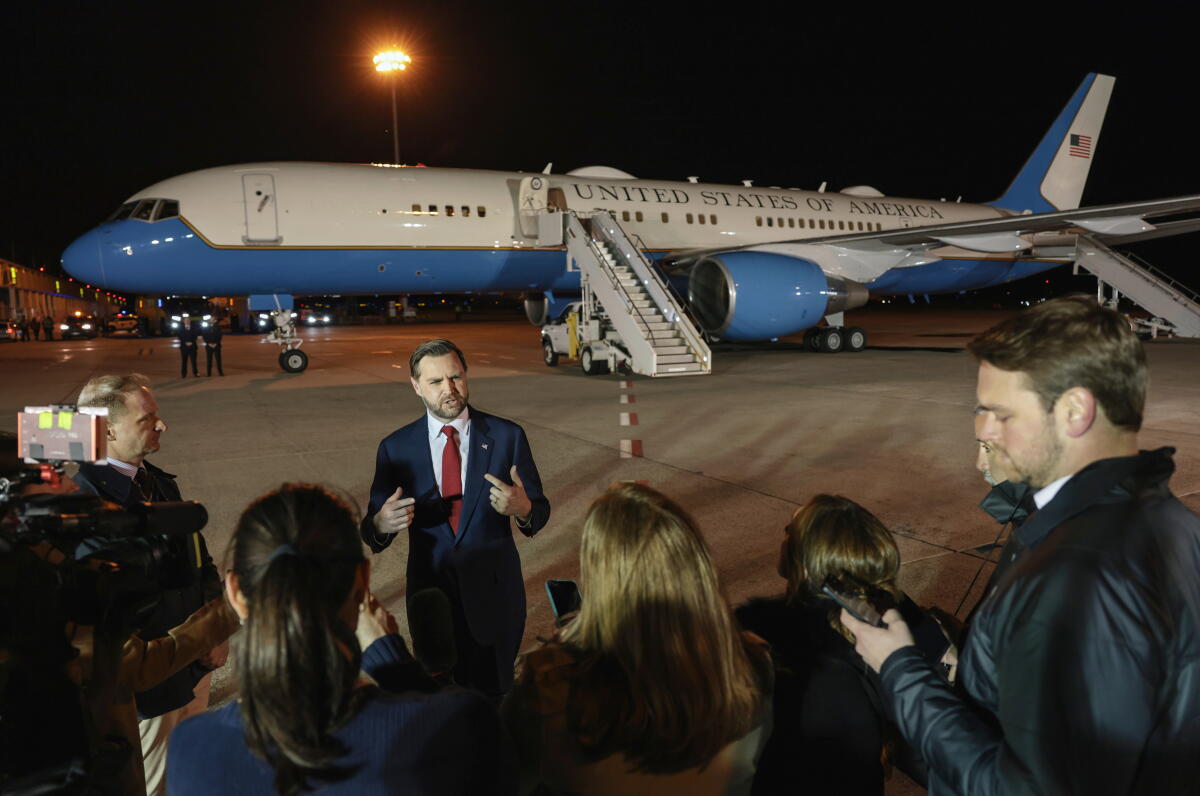
The policy window is critically narrow. Peace negotiations scheduled for this weekend in Islamabad (led by VP JD Vance) and follow-up Israel-Lebanon talks in Washington present a 7-14 day decision point. If negotiations fail and Iran implements permanent toll collection or blockade measures, sellers must immediately execute contingency sourcing strategies. The $120 billion in frozen Iranian assets mentioned in negotiations suggests sanctions relief remains unlikely, meaning Iran will sustain revenue-generating toll operations regardless of ceasefire outcome. Sellers currently holding inventory in transit or pre-positioned in Gulf warehouses face a binary choice: accept 15-25% cost increases and 2-4 week delays, or execute emergency rerouting at 8-10% additional cost but with 3-5 day time savings.
Questions 8
How do Iran's toll charges affect my Amazon FBA and eBay seller costs?
Iran's $2 million toll charges directly increase landed costs for FBA inventory by 15-25%, compressing your profit margins by $2-8 per unit depending on category. For a typical electronics seller with 1,000-unit monthly FBA shipments, this represents $2,000-8,000 monthly margin compression. Amazon FBA fees remain unchanged, but your cost of goods sold (COGS) increases, reducing your Buy Box competitiveness. eBay sellers face similar COGS increases but have more pricing flexibility. Immediate action: recalculate your FBA profitability by SKU using new landed costs. Identify products with <15% margins and consider delisting or repricing. For high-margin products (25%+), absorb costs and maintain market position. Update your pricing strategy within 7 days before competitors adjust.
What alternative sourcing countries should I consider to avoid Strait of Hormuz exposure?
Southeast Asia (Vietnam, Thailand, Indonesia) offers 8-12% cost premiums over Gulf sourcing but eliminates Strait exposure entirely. India provides competitive electronics and machinery sourcing with 5-8% cost increases but requires 2-3 week longer lead times. Mexico and Central America offer nearshoring advantages for US sellers, reducing shipping costs 20-30% despite slightly higher unit costs. Taiwan and South Korea provide premium electronics sourcing with 10-15% cost increases but superior quality and reliability. Strategic recommendation: diversify your supplier base across 3-4 regions, allocating 40% to Southeast Asia, 30% to India, 20% to Gulf (if margins support tolls), and 10% to nearshoring. Execute this rebalancing within 30 days to lock in Q2/Q3 capacity before competitors pivot.