


AI Marketing's Dangerous Tightrope: When Algorithms Fail the Human Touch
- Revealing the Critical Limits of Generative AI in Brand Storytelling






































Overview
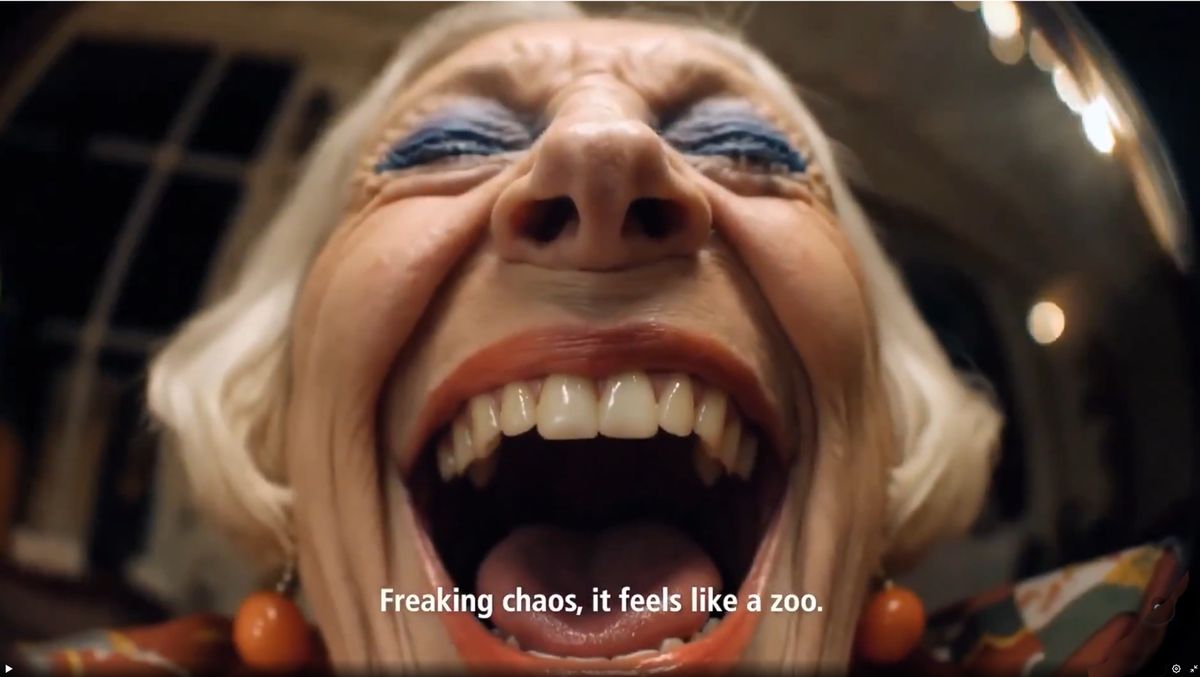
The McDonald's AI advertisement controversy represents a pivotal moment in the evolving landscape of generative marketing technologies, exposing the delicate balance between technological innovation and human creative sensibility. Released by McDonald's Netherlands, the AI-generated Christmas commercial became a stark case study in the potential pitfalls of algorithmic content creation.
Algorithmic creativity has reached a critical inflection point where technological capability does not automatically translate to effective communication. The 45-second commercial, generated through AI tools, fundamentally misunderstood the emotional nuances of holiday marketing. By depicting chaotic, stressful scenarios with the provocative slogan "the most terrible time of the year", the AI-generated content violated core marketing principles of emotional resonance and brand warmth.
The backlash reveals deeper structural challenges in AI-driven marketing. While production companies like Sweetshop claimed significant human involvement, the advertisement's poor reception underscores a critical insight: AI can generate content, but cannot inherently understand cultural context, emotional subtlety, or brand voice. The 61% positive sentiment achieved by Coca-Cola's AI Christmas campaign stands in sharp contrast, highlighting that successful AI integration requires nuanced human oversight.
Strategically, this incident signals an emerging risk management imperative for brands experimenting with generative AI. The rapid production timeline—where campaigns traditionally took a year can now be generated in weeks—presents both extraordinary opportunities and significant ethical challenges. Brands must develop sophisticated governance frameworks that preserve human creativity while leveraging AI's computational capabilities.
The most profound lesson emerges not from technological limitations, but from understanding AI as a collaborative tool rather than a replacement for human insight. Marketing teams must evolve from mere operators to strategic curators, using AI as an accelerant for creativity rather than a wholesale content replacement strategy.
Questions 3
Why did McDonald's AI Christmas advertisement fail?
The AI-generated ad failed because it misunderstood emotional nuances, depicting holiday stress instead of warmth. It lacked human creative insight, producing content that felt disconnected from brand identity and cultural expectations of holiday marketing.
What are the key risks of AI-generated marketing content?
Primary risks include cultural tone-deafness, lack of emotional resonance, potential brand reputation damage, and the risk of producing generic or inappropriate content that fails to connect with target audiences.