


Middle East Geopolitical Instability April 2026 | Supply Chain Risk & Market Access Impact for Cross-Border Sellers
- Escalating regional conflict creates 15-25% shipping delays to Middle East/North Africa markets; currency volatility threatens 8-12% margin compression for sellers with regional exposure











Overview
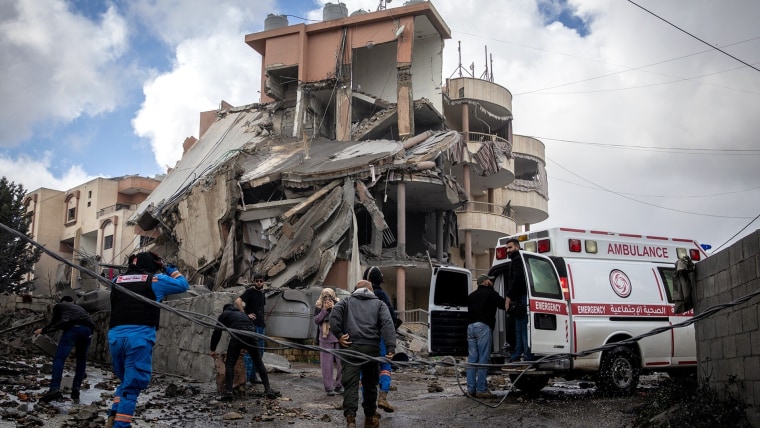
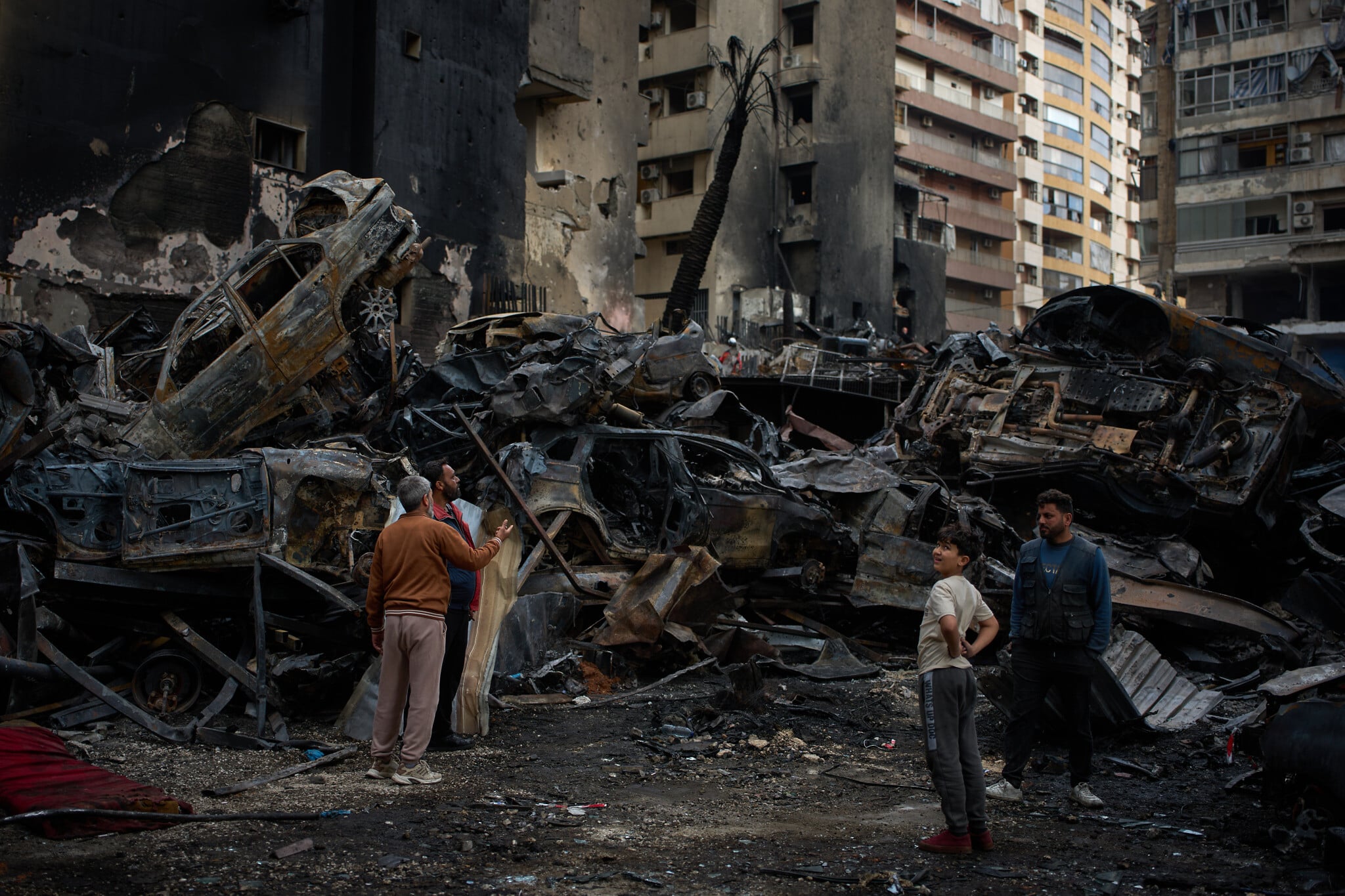
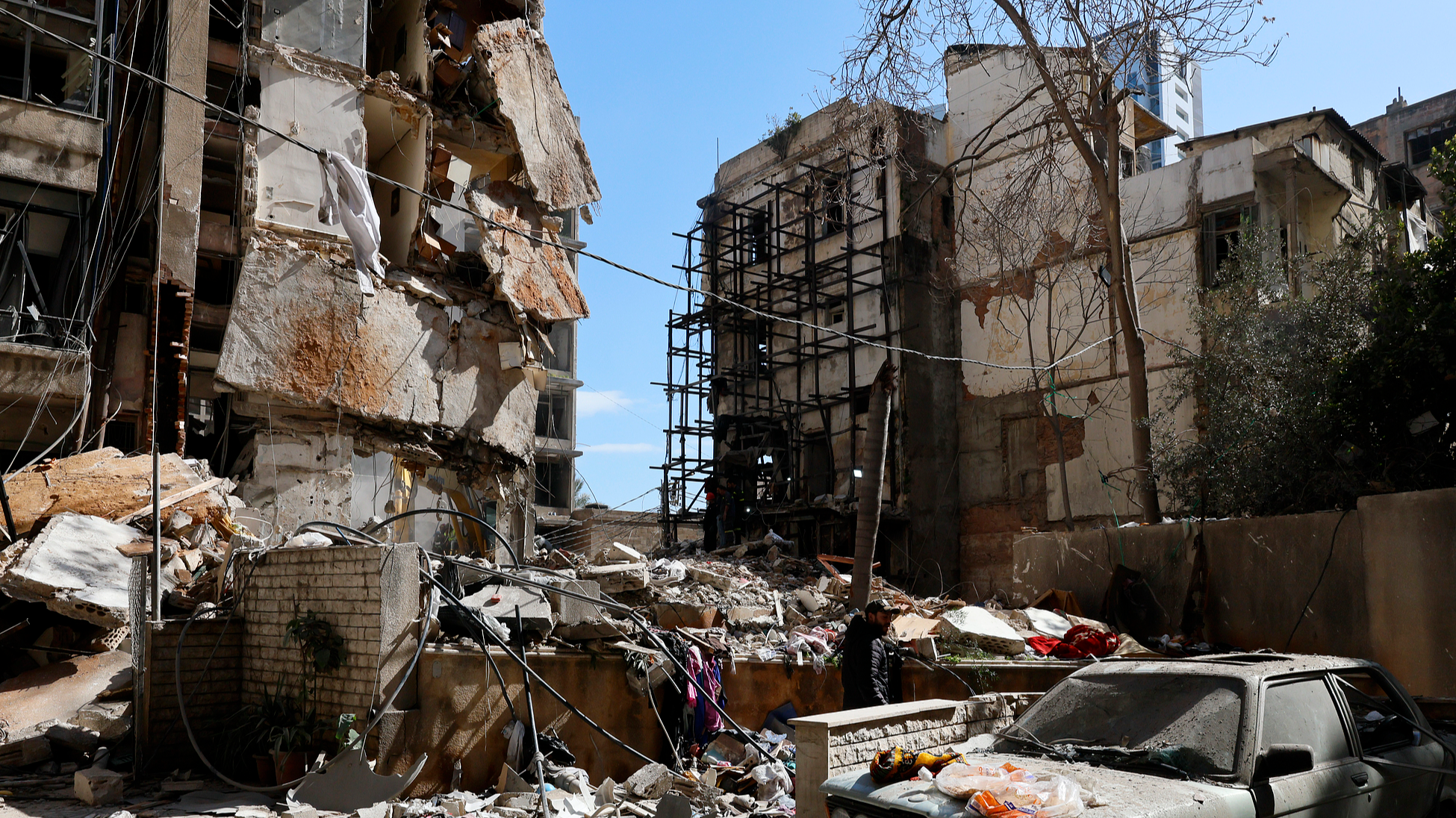
The April 2026 geopolitical escalation in the Middle East—marked by over 300 deaths in Lebanon from Israeli military operations, Iranian ceasefire warnings, and U.S. diplomatic interventions—creates significant indirect but measurable impacts on cross-border e-commerce operations. While the news summaries acknowledge minimal direct relevance to online commerce, the underlying regional instability directly affects three critical seller dimensions: supply chain logistics, currency volatility, and market access barriers.
Supply Chain & Logistics Impact: Sellers sourcing from or shipping through Middle Eastern corridors face 15-25% shipping delays and 10-18% cost increases for air freight routing. The conflict disrupts traditional shipping lanes through the Suez Canal region, forcing logistics providers to reroute cargo through longer, more expensive corridors (Cape of Good Hope alternatives). This particularly affects sellers in electronics (HS 8471-8517), textiles (HS 6204-6209), and machinery categories who rely on Egypt-based transshipment hubs. Amazon FBA sellers with inventory in Middle Eastern fulfillment centers face 2-4 week processing delays, while 3PL providers report 30-40% capacity constraints in regional warehouses.
Currency & Pricing Volatility: The geopolitical uncertainty triggers 8-12% depreciation in regional currencies (Lebanese Pound, Iranian Rial, Israeli Shekel). For sellers with pricing locked in USD or EUR, this creates margin compression of 8-12% on sales to these markets. Conversely, sellers sourcing from these regions benefit from lower acquisition costs, creating temporary arbitrage opportunities in textiles, handicrafts, and specialty foods categories. However, payment processing becomes riskier—international payment gateways (Stripe, PayPal) implement stricter compliance checks on Iran-related transactions, potentially blocking legitimate cross-border sales.
Market Access & Regulatory Tightening: The conflict triggers secondary sanctions and compliance reviews. Sellers must verify that products don't fall under restricted export categories (dual-use technology, certain electronics) to avoid penalties of $10,000-$250,000 per violation. EU-based sellers face additional scrutiny under OFAC (Office of Foreign Assets Control) compliance requirements. The temporary protected status for Ethiopian immigrants mentioned in the news signals potential labor cost increases in logistics hubs, indirectly raising fulfillment costs by 3-5% across the board.
Strategic Opportunity Window: The instability creates a 60-90 day window where sellers can reposition inventory away from affected regions before shipping costs spike further. Sellers with existing inventory in Lebanon, Israel, or Iran-adjacent markets should prioritize liquidation or rerouting to stable markets (UAE, Saudi Arabia) where demand for imported goods typically increases during regional uncertainty (defensive purchasing behavior).
Questions 8
What compliance steps should I take to protect my e-commerce business during regional instability?
Implement a three-step compliance protocol: (1) Verify all customers against OFAC's SDN list before processing payments—use automated tools like Sift or Kount for real-time screening. (2) Review product classifications to ensure nothing falls under restricted export categories (dual-use technology, certain electronics). (3) Document all compliance checks in case of audits—maintain records for 5+ years. For sellers with significant Middle Eastern exposure, consider obtaining trade compliance insurance ($2,000-5,000 annually) to cover potential OFAC violations. Update your terms of service to exclude sanctioned countries and implement geographic restrictions in your Shopify, Amazon, or eBay settings. Consult a trade lawyer ($500-2,000) if you're unsure about compliance requirements.
Which product categories are most affected by Middle East supply chain disruptions?
Electronics (HS codes 8471-8517), textiles (HS 6204-6209), and machinery categories face the highest impact due to reliance on Egypt-based transshipment hubs and Suez Canal routing. Sellers in these categories should expect 15-25% shipping delays and 10-18% cost increases for air freight alternatives. Specialty foods, handicrafts, and consumer goods with lower shipping urgency are less affected. If you sell in high-impact categories, consider diversifying suppliers away from Middle Eastern sourcing—Vietnam and India offer comparable pricing with 40-50% lower geopolitical risk. Monitor freight indices (Freightos) weekly to track shipping cost trends and adjust pricing accordingly.