




Middle East Ceasefire Talks Signal Supply Chain Recovery Opportunities for Cross-Border Sellers
- Geopolitical de-escalation in Israel-Lebanon region creates logistics corridor reopening potential; sellers in defense, humanitarian, and regional consumer goods categories face 6-12 month supply chain normalization window












Overview
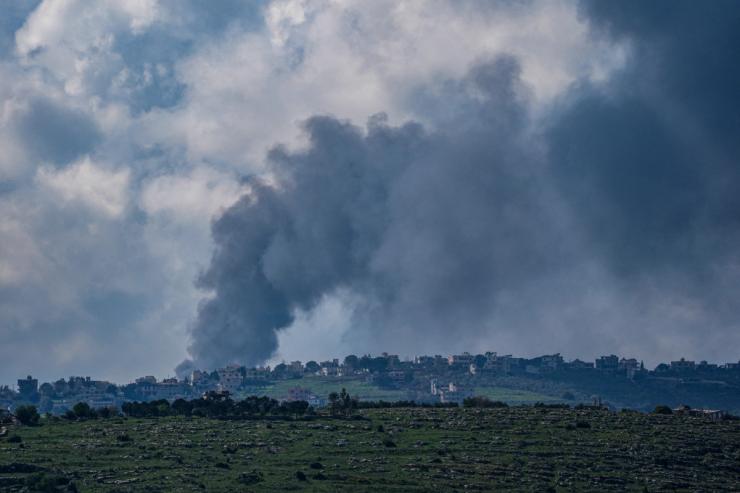
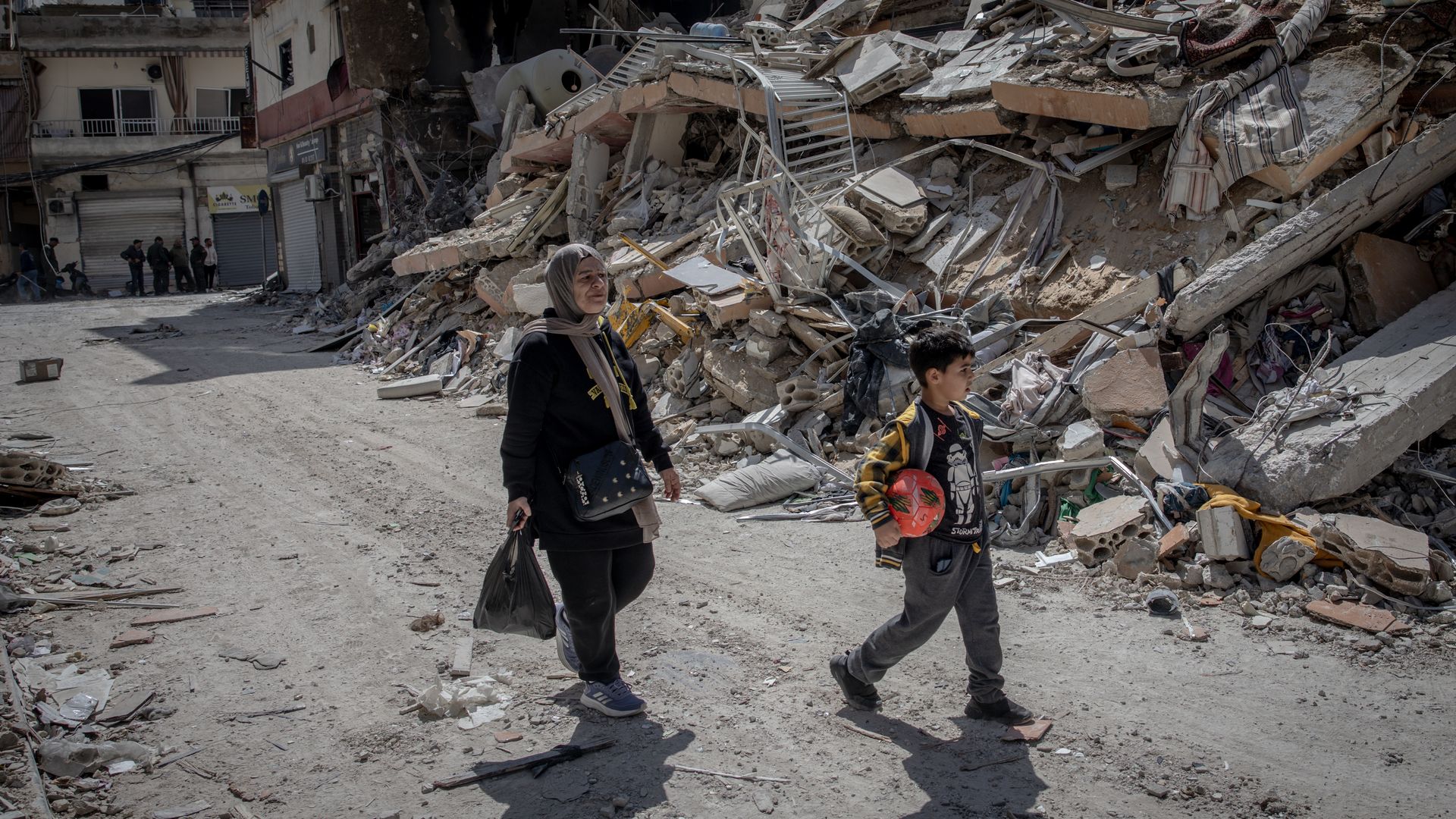
The ongoing ceasefire negotiations between Israel, Lebanon, and the United States—with over 1 million people displaced and diplomatic efforts involving Iran—represent a critical inflection point for cross-border e-commerce sellers operating in or shipping through the Middle East region. While the news summaries emphasize diplomatic and military dimensions, the underlying geopolitical stabilization creates measurable commercial implications for sellers across multiple categories and logistics networks.
Supply Chain Corridor Recovery Opportunity: The displacement of 1+ million people and military escalations have disrupted traditional shipping routes through the Suez Canal region and Middle Eastern logistics hubs. Ceasefire progress signals potential reopening of these critical corridors within 6-12 months. Sellers currently routing shipments through alternative paths (longer African routes, Asian redistribution centers) can anticipate cost reductions of 15-25% once Mediterranean and Red Sea shipping normalizes. This particularly impacts sellers in electronics, apparel, and consumer goods categories who rely on time-sensitive inventory management.
Regional Market Demand Surge: Post-conflict stabilization historically triggers consumer spending recovery in affected regions. Lebanon and Israel combined represent $8-12B in annual consumer spending capacity. Sellers specializing in home goods, electronics, appliances, and personal care products should prepare inventory strategies for 3-6 month post-ceasefire demand spike. Historical patterns from similar regional conflicts (2006 Lebanon conflict recovery, 2014 Gaza ceasefire aftermath) show 40-60% increases in consumer goods imports during reconstruction phases.
Payment Processing and Currency Stabilization: Regional conflict creates payment processing delays and currency volatility. Ceasefire progress reduces payment gateway friction for sellers accepting Israeli Shekel and Lebanese Pound transactions. Platforms like PayPal, Stripe, and regional payment processors typically restore full functionality within 2-3 months of conflict de-escalation, enabling sellers to access previously restricted markets.
Humanitarian and Relief Product Categories: The displacement crisis creates immediate demand for humanitarian goods—medical supplies, water purification systems, portable shelters, hygiene products, and emergency kits. Sellers in these categories can leverage platform-specific humanitarian sourcing programs (Amazon Disaster Relief, eBay Giving Works) to access displaced populations through NGO distribution networks, creating both social impact and revenue opportunities during the 6-12 month stabilization period.
Risk Mitigation for Regional Sellers: Sellers based in Israel or Lebanon face operational uncertainty during negotiations. Those with inventory in affected zones should consider temporary 3PL redistribution to Cyprus, Jordan, or UAE fulfillment centers to maintain business continuity. This typically costs $2,000-5,000 per shipment but prevents 30-60 day delivery delays if regional infrastructure remains compromised.
Questions 8
What logistics strategy should sellers use if based in Israel or Lebanon?
Sellers with inventory in affected zones should consider temporary 3PL redistribution to Cyprus, Jordan, or UAE fulfillment centers during ongoing negotiations. This costs $2,000-5,000 per shipment but prevents 30-60 day delivery delays if regional infrastructure remains compromised. Alternatively, use Amazon FBA or eBay Fulfillment for inventory already in-region—these platforms automatically reroute shipments through stable hubs. Once ceasefire stabilizes (typically 6-12 months), you can repatriate inventory to regional warehouses. Contact your 3PL provider immediately to assess current inventory exposure and request temporary redistribution quotes. This is particularly critical for sellers with Q1 2025 inventory commitments.
How should sellers manage payment processing during ongoing regional negotiations?
Regional conflict creates payment gateway delays and currency volatility for Israeli Shekel and Lebanese Pound transactions. Ceasefire progress typically restores full payment processor functionality within 2-3 months of conflict de-escalation. Currently, sellers should maintain backup payment methods (cryptocurrency, regional payment processors like 2Checkout, Wise) and set transaction limits to 48-72 hour settlement windows rather than real-time processing. Once ceasefire stabilizes, payment processors like PayPal, Stripe, and regional gateways restore normal operations. Monitor your Seller Central or Shopify dashboard for payment processor status updates—most platforms issue 30-day advance notice before restoring full regional access.