


Peru Election Chaos & Chancay Megaport | Critical Tariff & Supply Chain Shifts for Cross-Border Sellers
- Political volatility creates 18-24 month tariff uncertainty window; Chancay port threatens US-Peru trade advantage; sellers must pivot sourcing strategies before June 2026 runoff















Overview
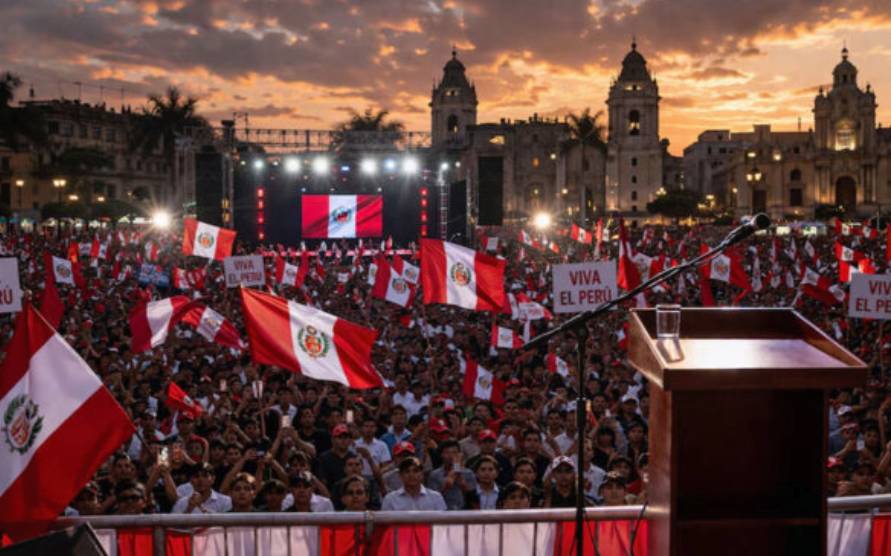
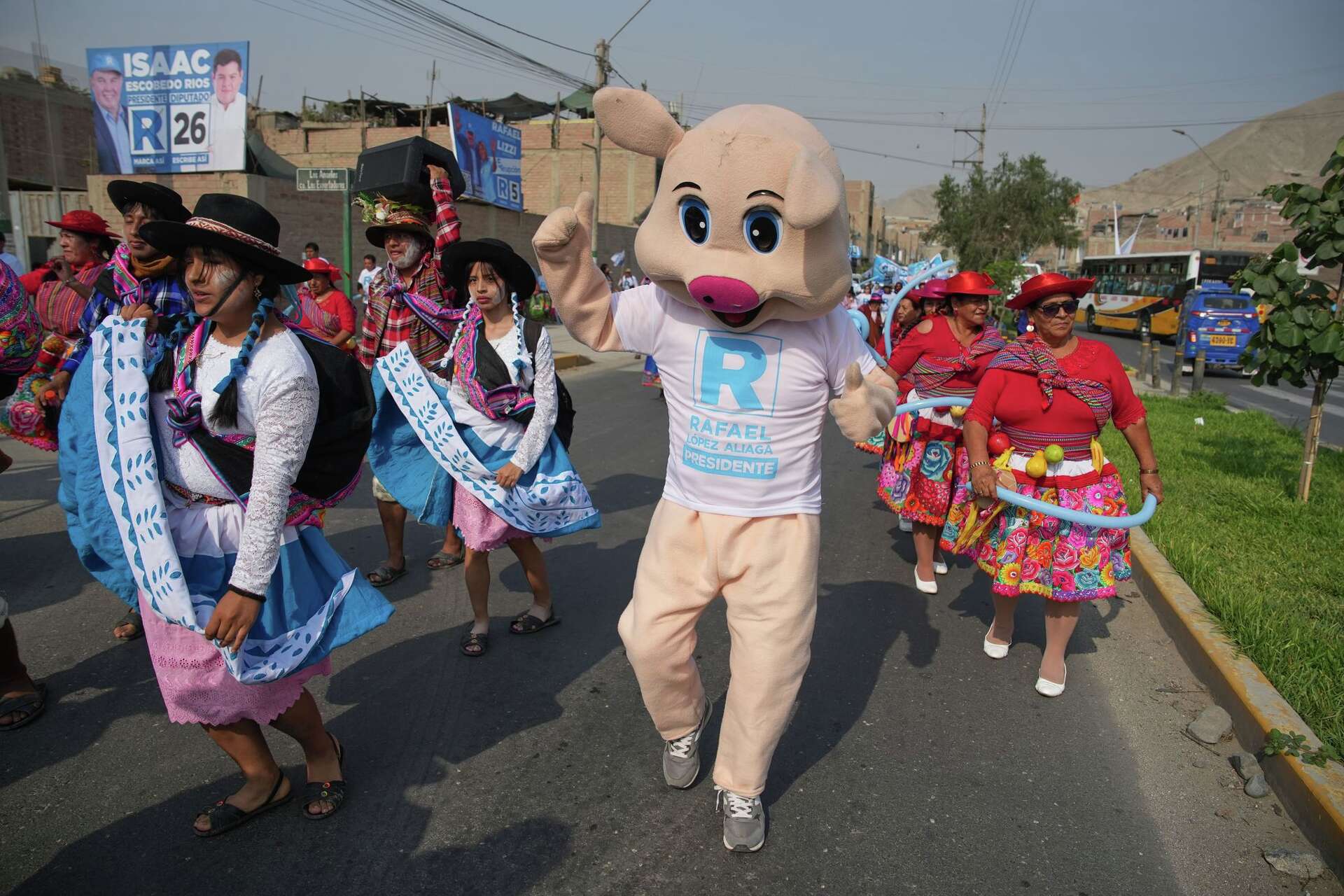
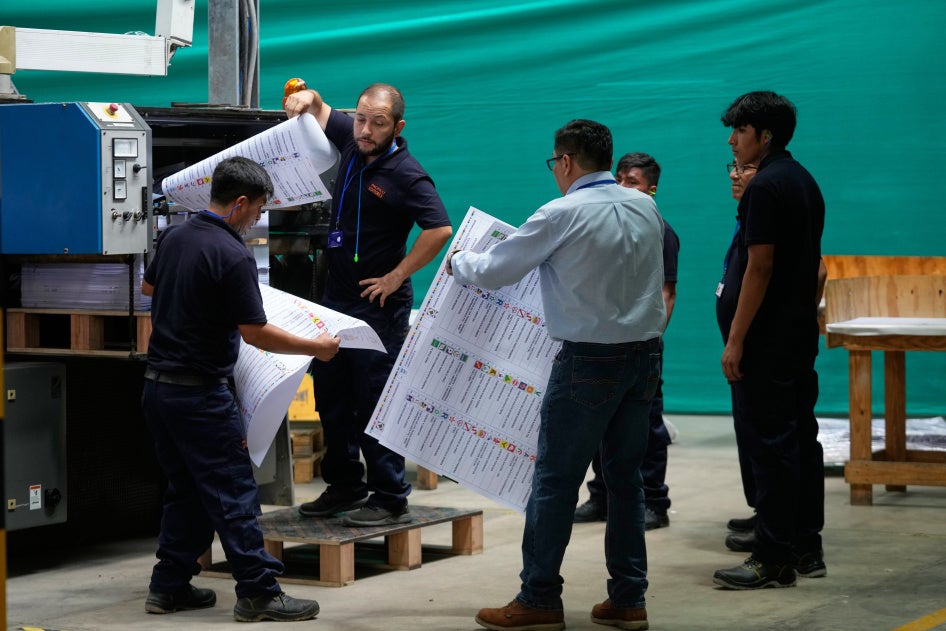
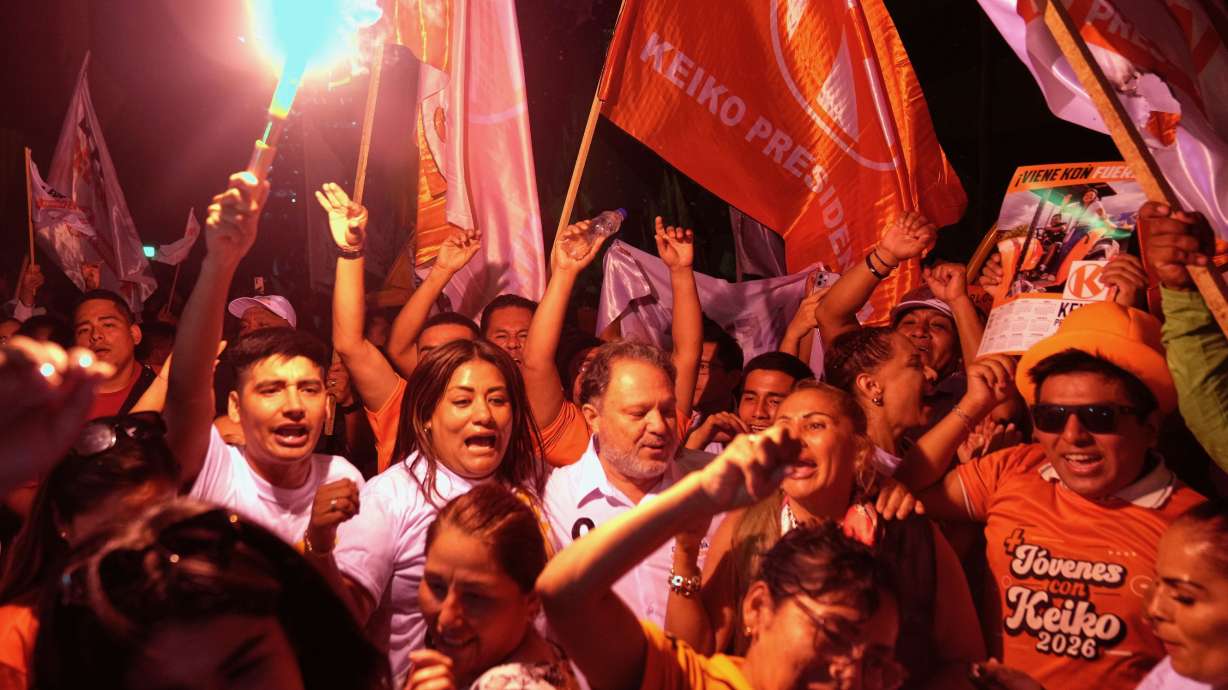
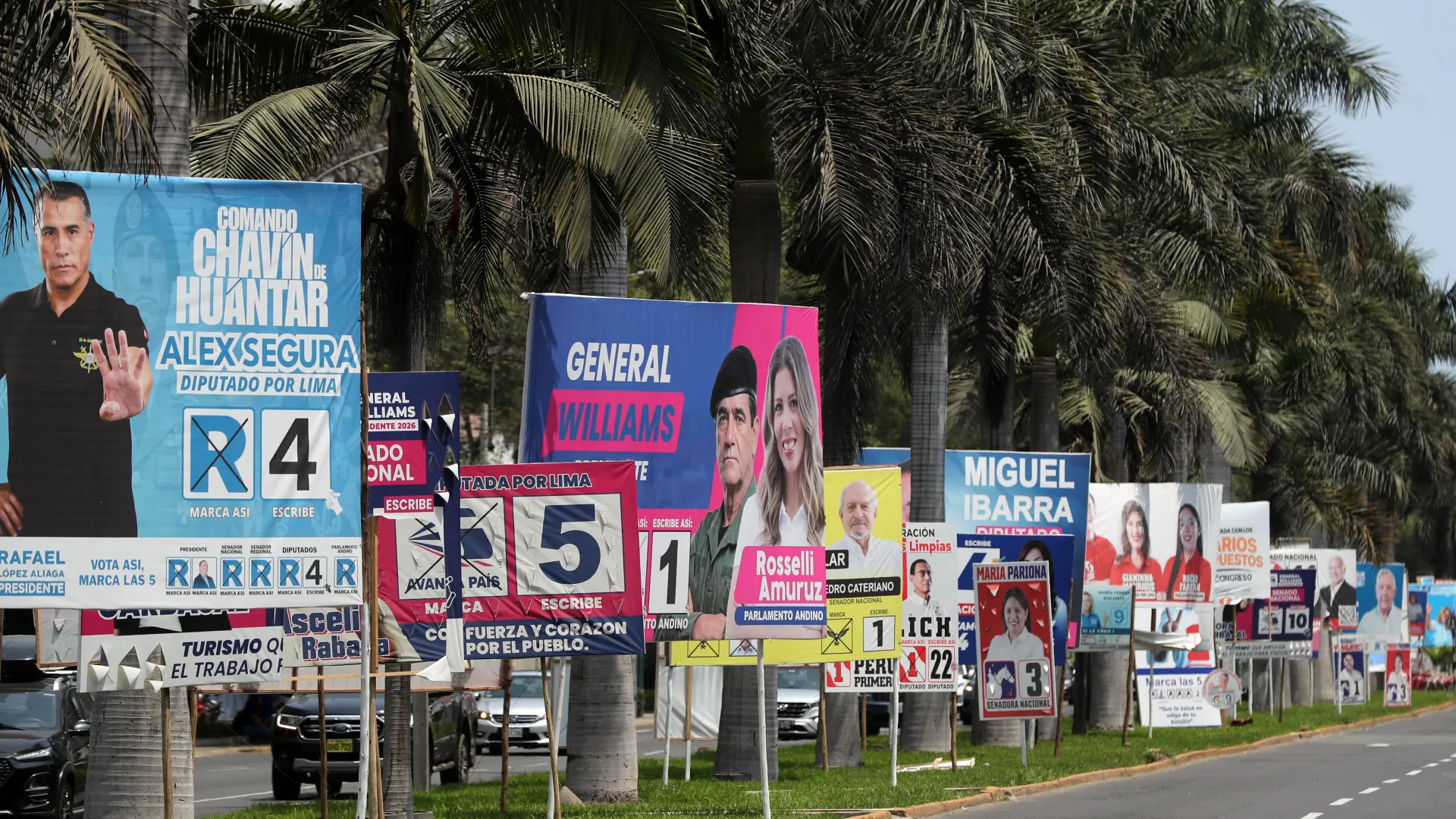
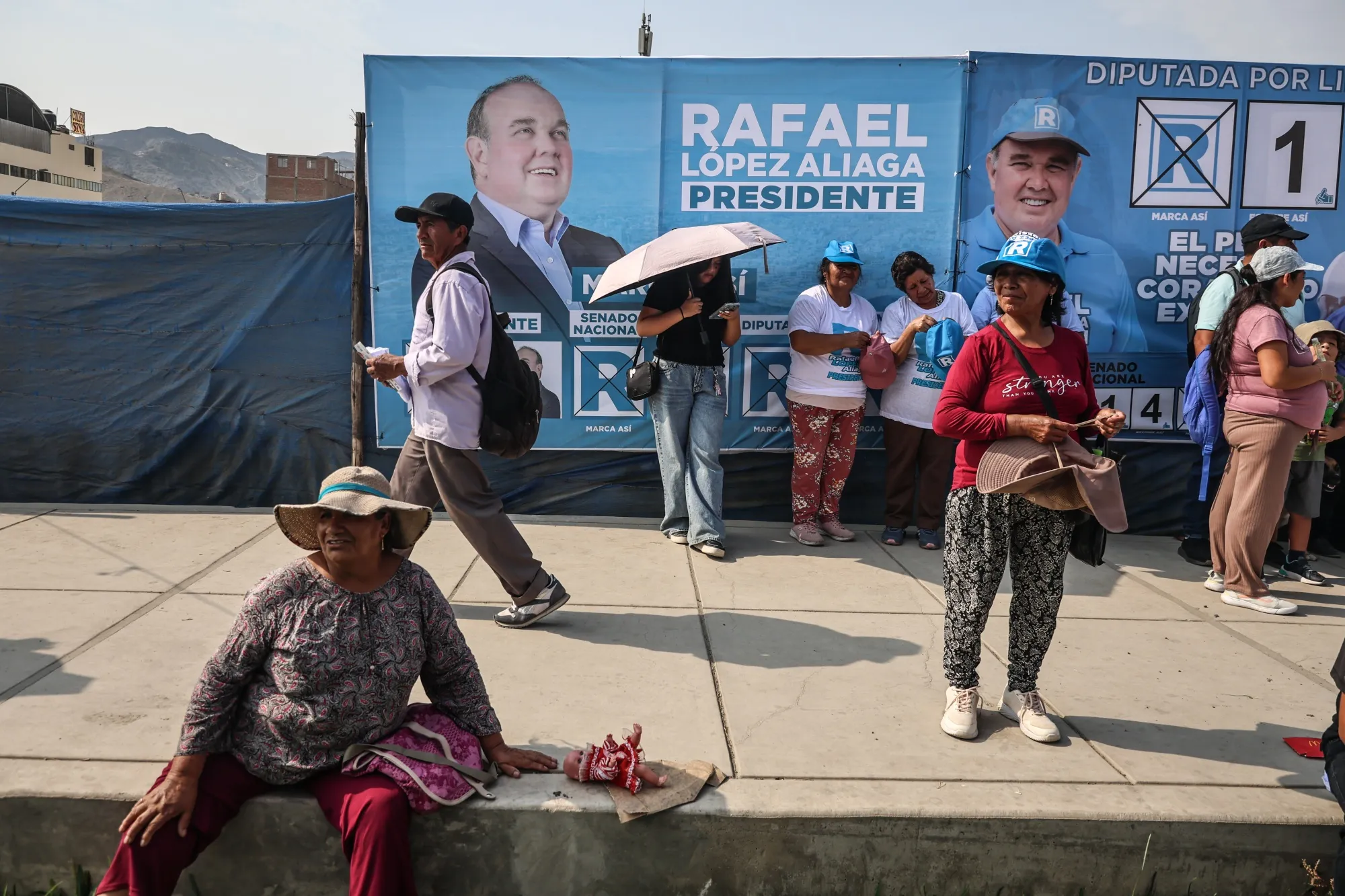
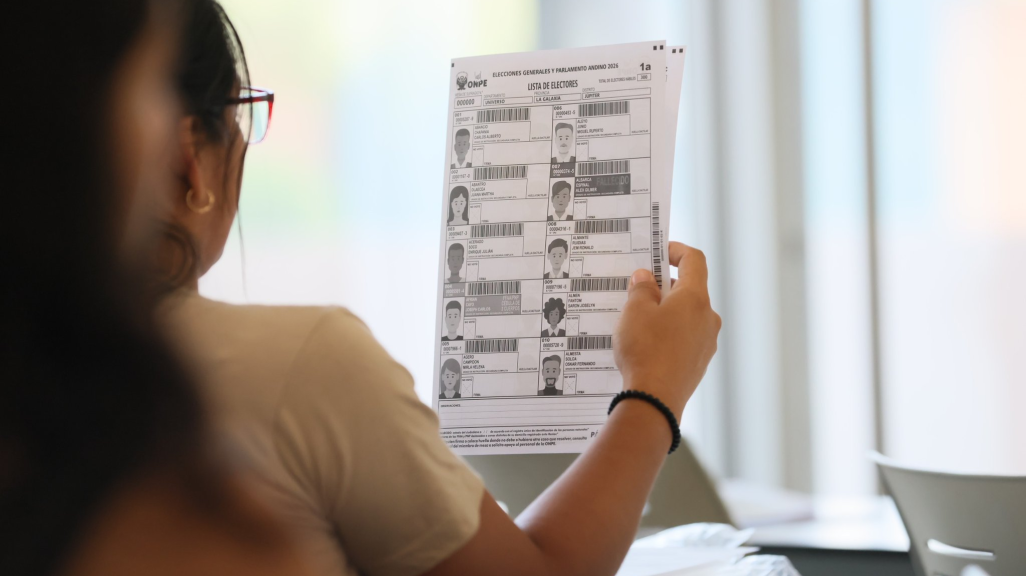
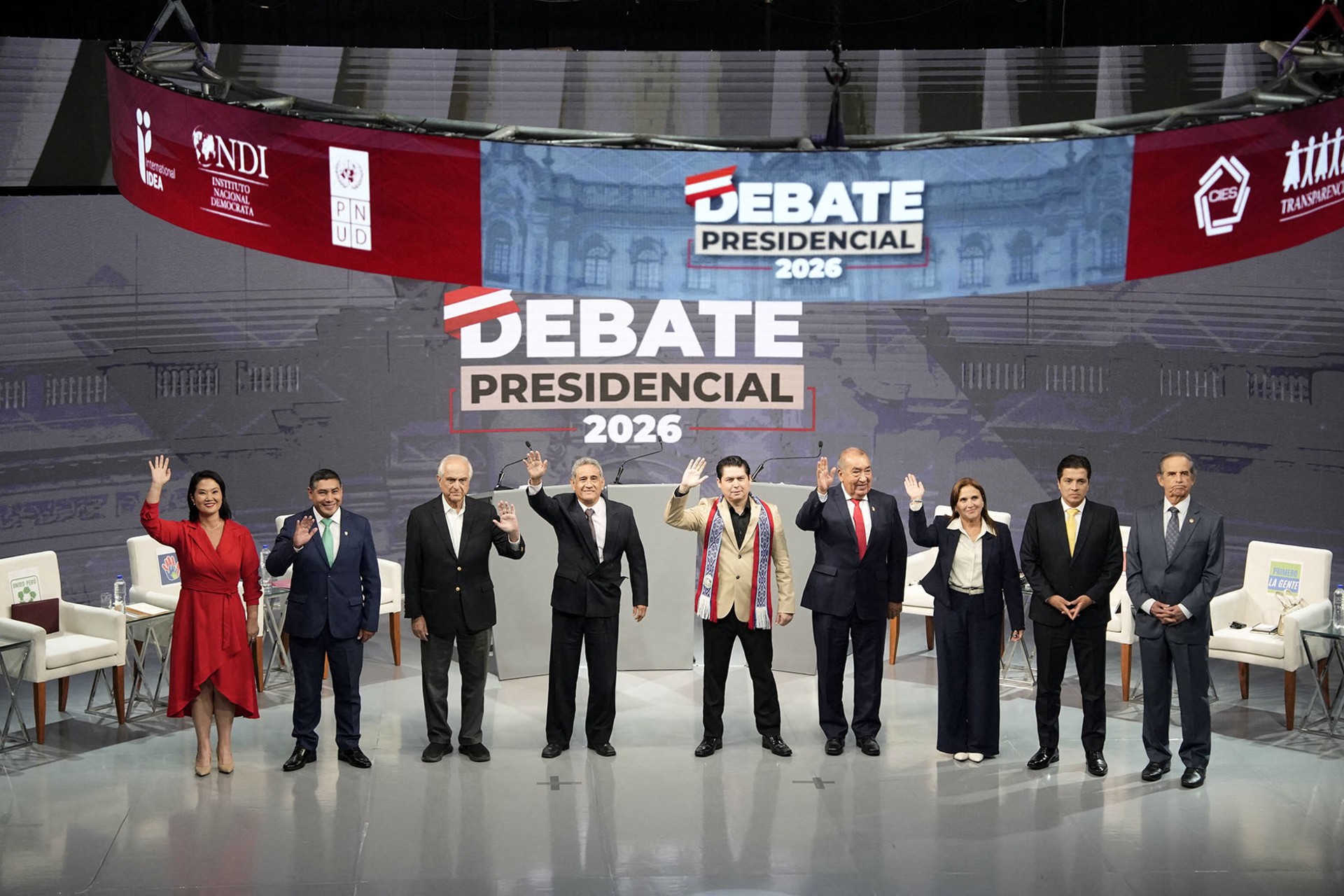
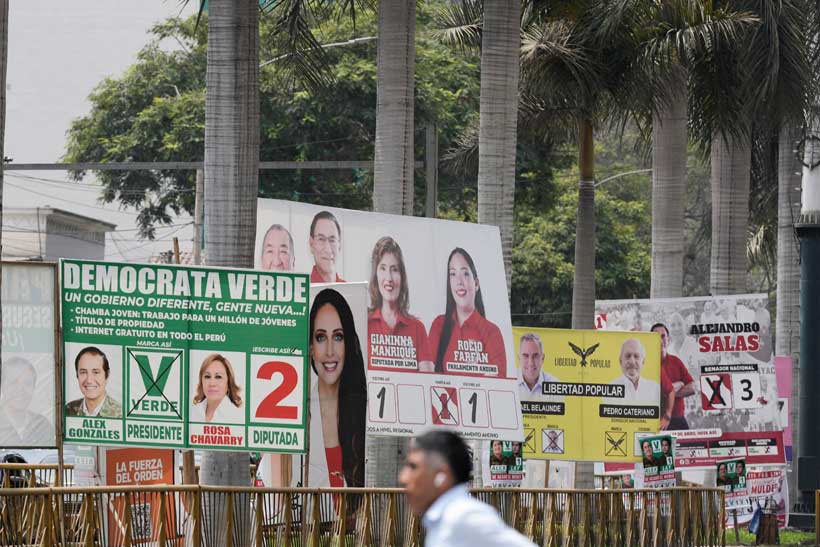
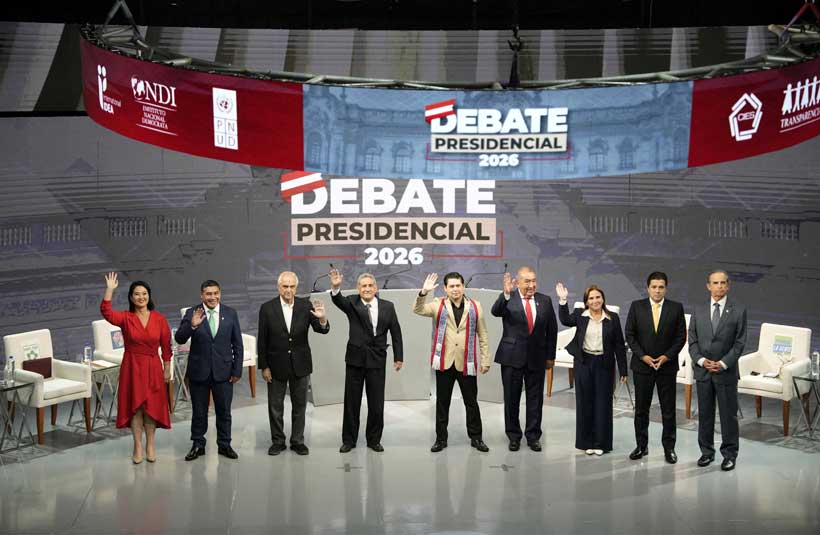
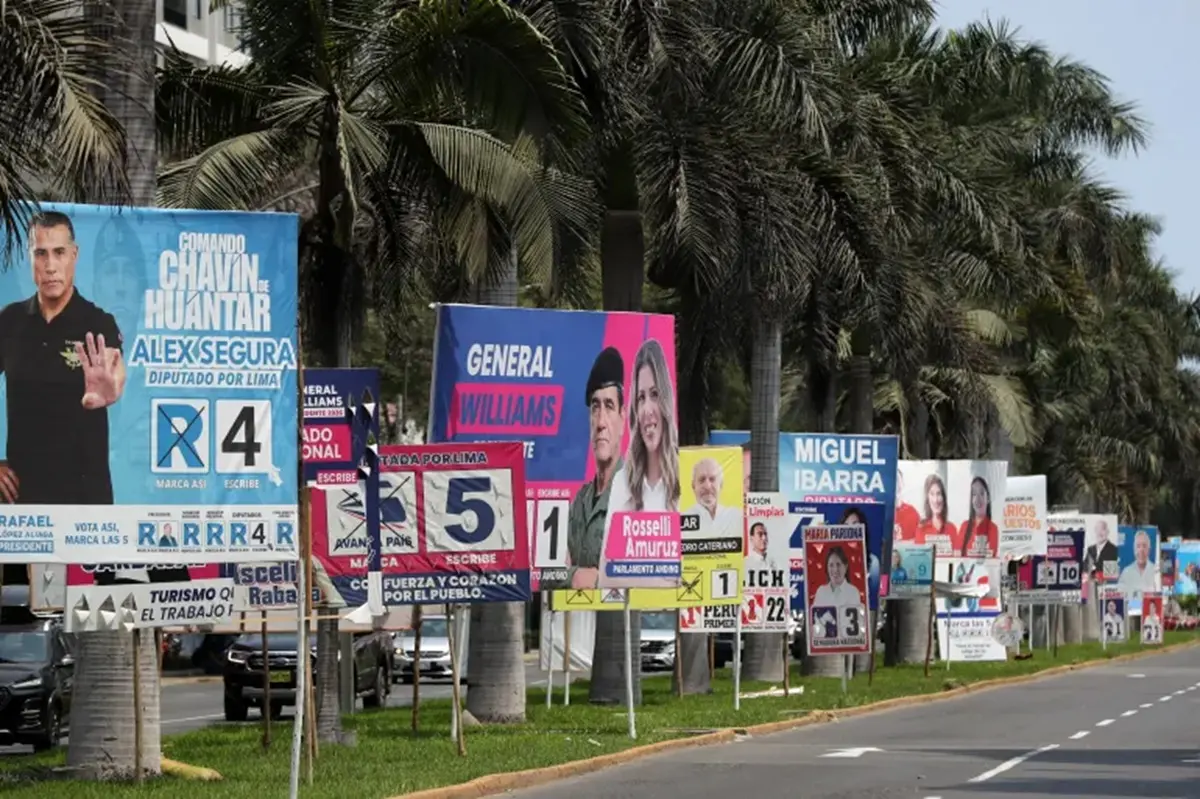
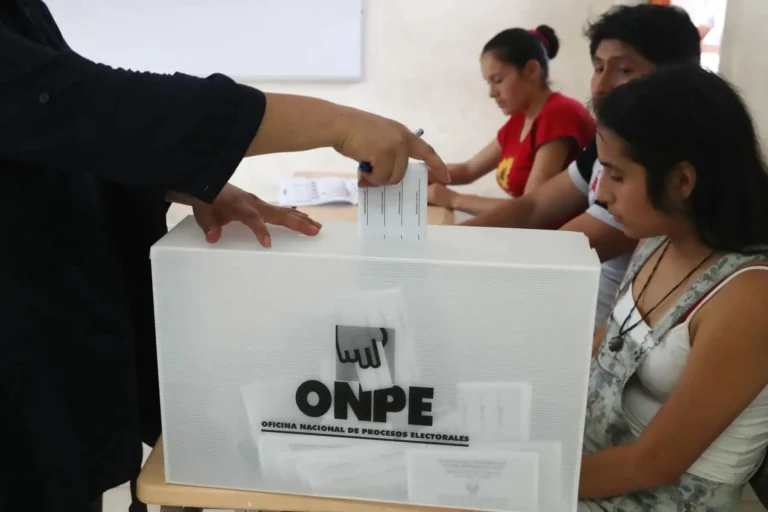
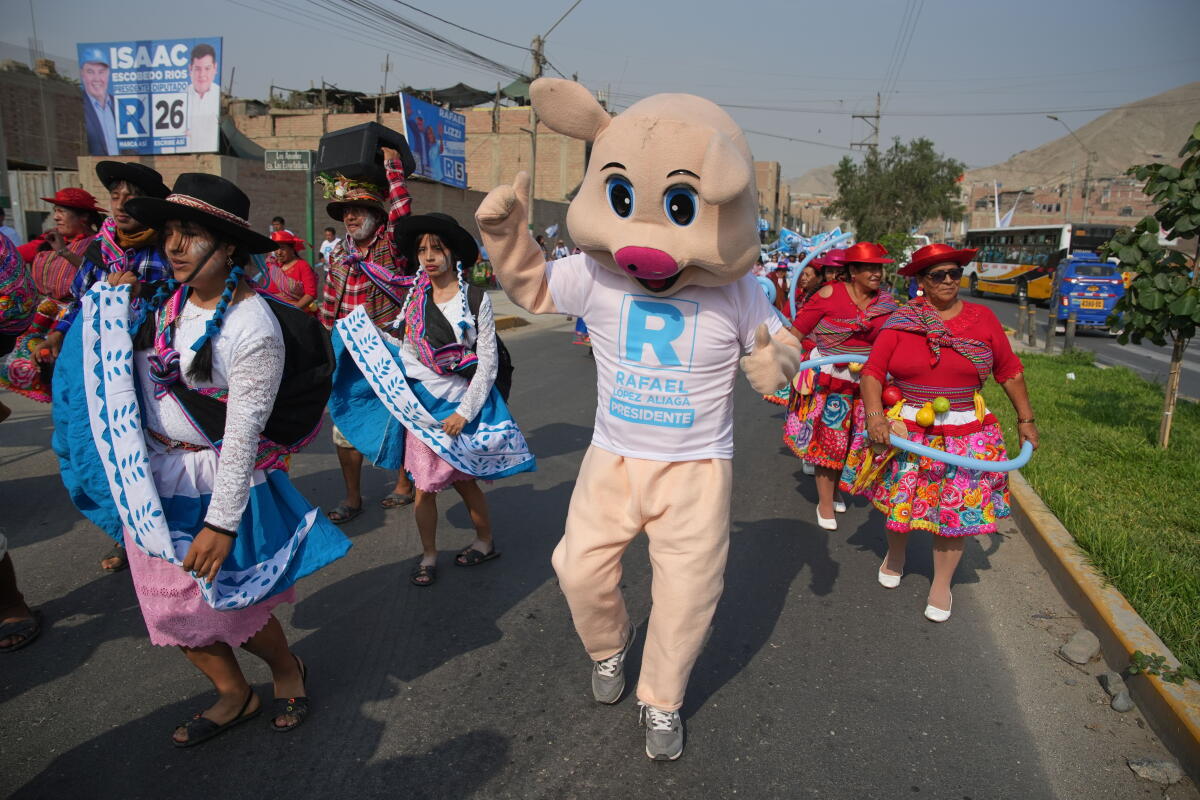
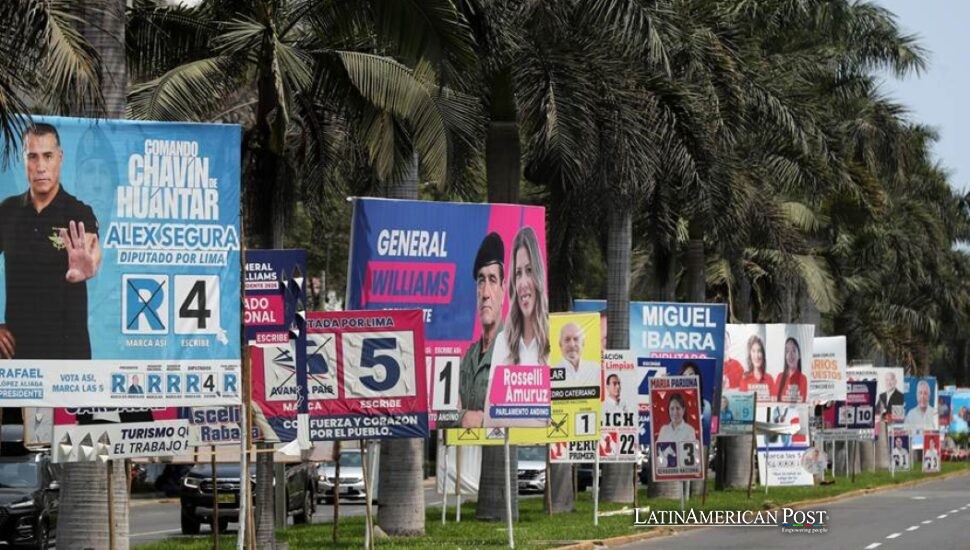
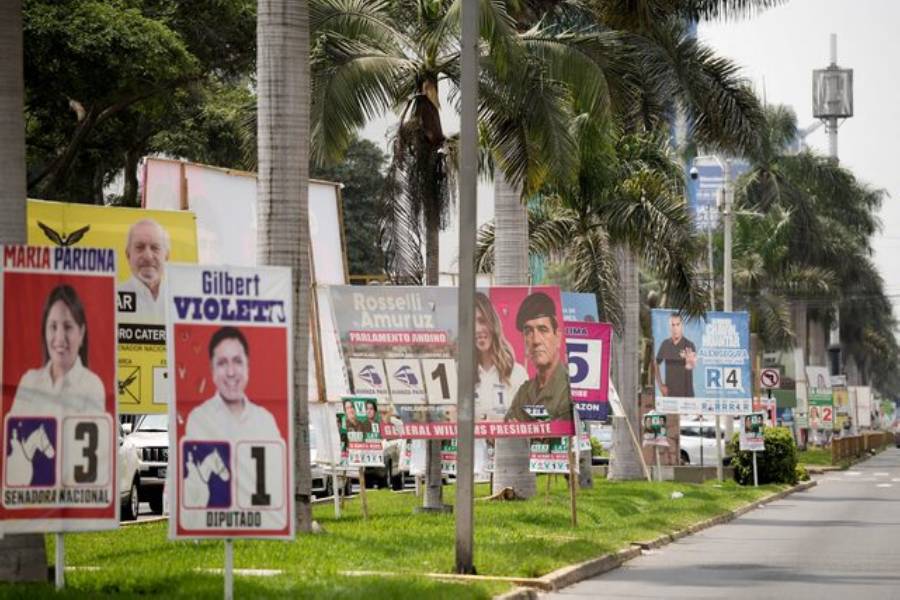
Peru's unprecedented political fragmentation—35 presidential candidates with none polling above 15%, virtually guaranteeing a June 2026 runoff—creates a critical 18-24 month tariff and trade policy uncertainty window for cross-border sellers. The core issue: Peru's $50 billion annual China trade relationship versus $19 billion with the US creates competing policy pressures that directly impact tariff rates, port access, and sourcing costs for sellers importing from or through Peru.
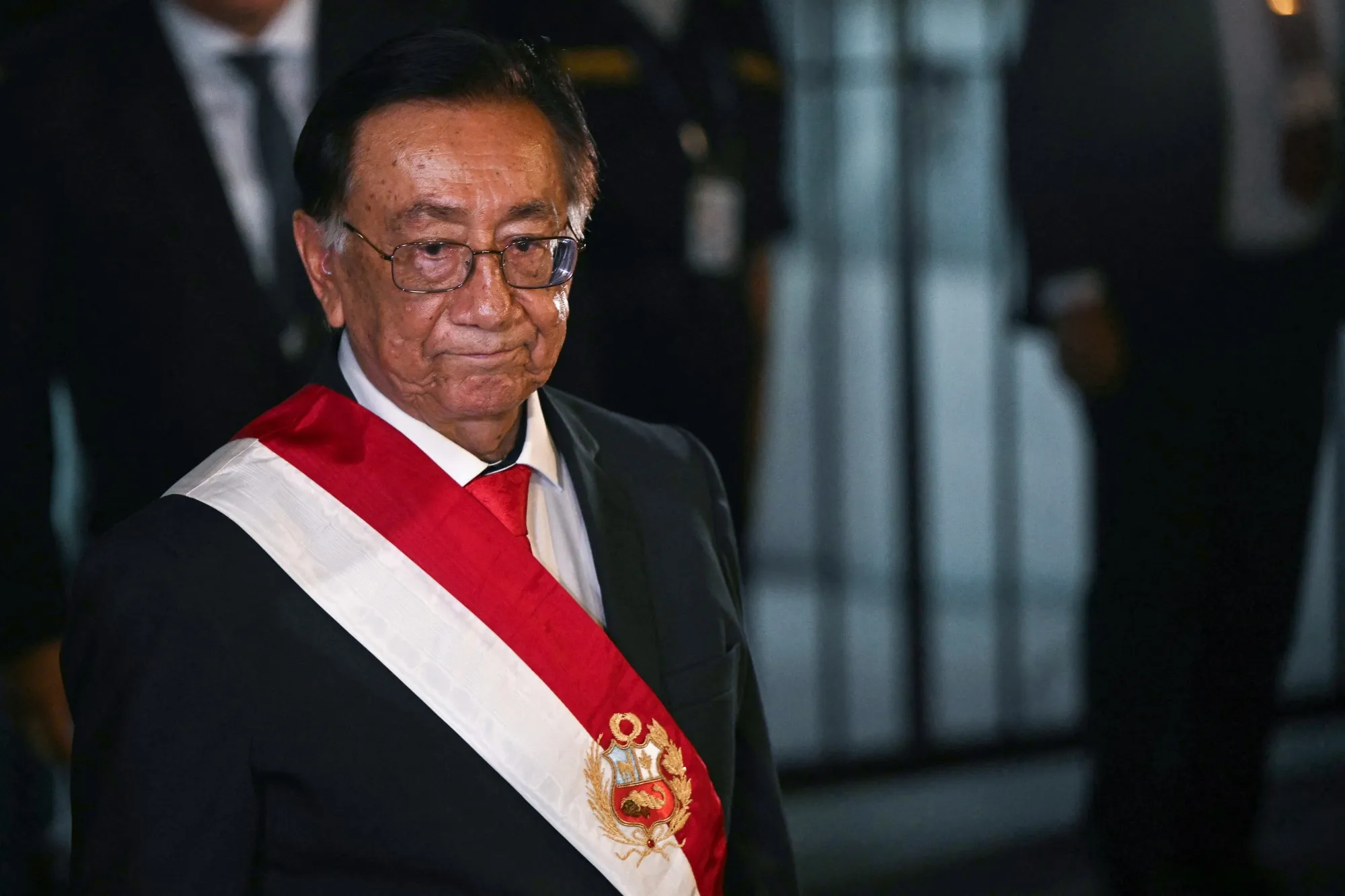
TARIFF ARBITRAGE OPPORTUNITY: Peru's 2009 US Free Trade Agreement (FTA) currently provides duty-free access for qualifying goods (textiles, agricultural products, minerals, electronics components). However, Trump administration tariffs have created trade deficits, and Peru officials are seeking relief—signaling potential FTA renegotiation. The election outcome determines whether tariff rates remain stable or shift. Right-leaning candidate Keiko Fujimori (US-educated, polling lead) favors US alignment, while rivals linked to Beijing may preserve Chinese-friendly tariff structures. Sellers should lock in current FTA rates before June 2026 runoff results clarify policy direction.
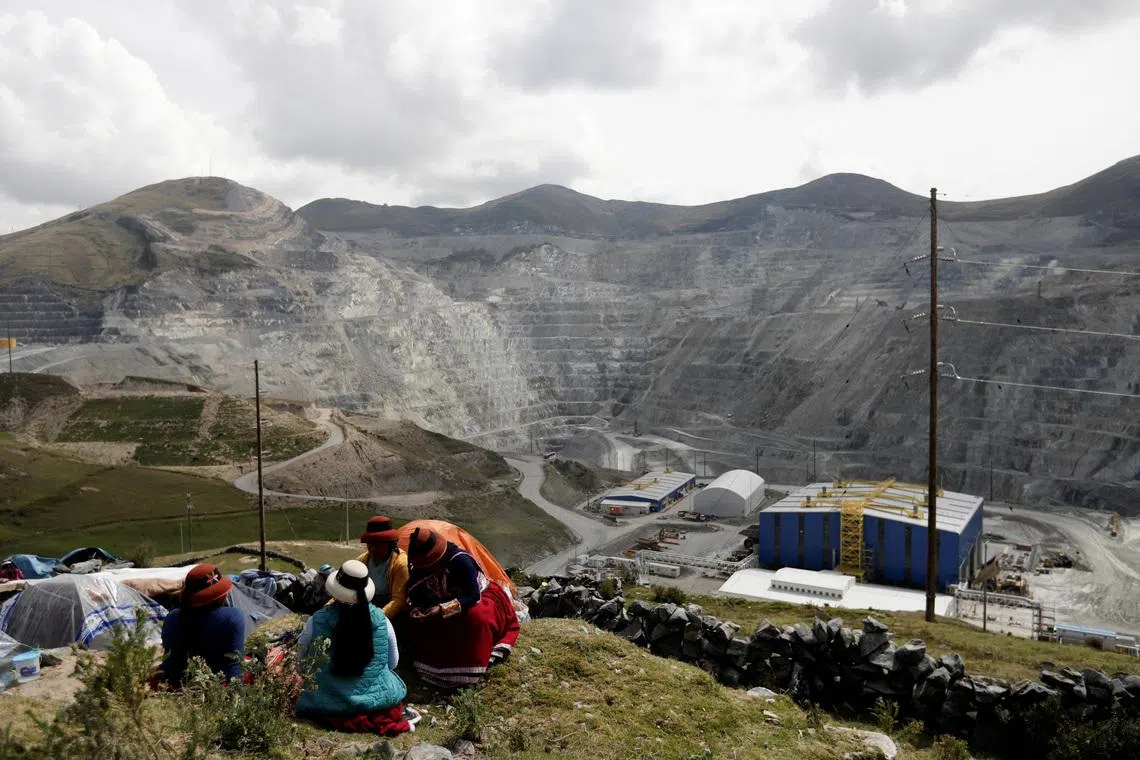
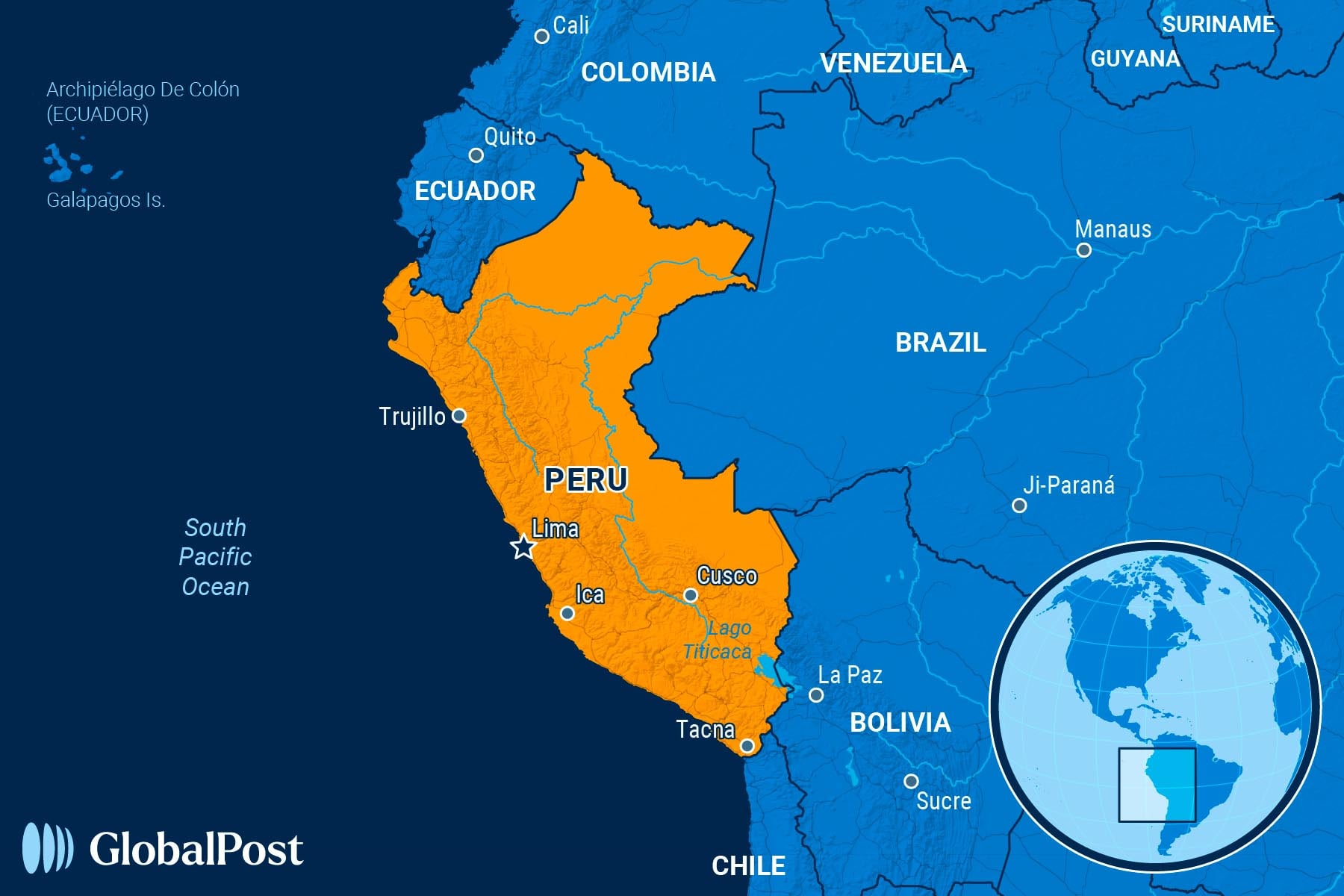
SUPPLY CHAIN DISRUPTION: The Chinese-built Chancay megaport (inaugurated late 2024, operated by Cosco Shipping) has reduced Asia shipping times and now serves as a transit hub for electric vehicles and regional goods. This creates a critical competitive shift: goods routed through Chancay face lower shipping costs to South America but potential US regulatory scrutiny. Sellers sourcing from Vietnam, India, or Indonesia for South American markets should evaluate whether Chancay routing (faster, cheaper) or traditional US-port routing (politically safer) aligns with their risk tolerance. The port's private investment status limits regulatory oversight, creating compliance uncertainty.
MARKET ACCESS COMPRESSION: Peru's crime crisis (extortion up 20%, homicide at record levels) and institutional instability (8 presidents since 2018) are deterring foreign investment and manufacturing. This signals reduced manufacturing capacity in Peru, forcing sellers to source from alternative Andean suppliers (Colombia, Ecuador) or shift to Vietnam/India. The 27 million eligible voters are prioritizing security over trade policy, meaning the next president—regardless of US alignment—will face pressure to implement hardline policies that could disrupt logistics and increase compliance costs.
COMPETITIVE ADVANTAGE WINDOW: US-based sellers have 18 months to establish supply chains leveraging current FTA rates before a potential renegotiation. China-aligned sellers should prepare for tariff increases if Fujimori wins. Medium-sized sellers (importing $500K-$5M annually) face the highest risk—too large to absorb tariff shocks, too small to lobby for exemptions. The June 2026 runoff is the decision point; sellers must make sourcing commitments by Q4 2025 to avoid mid-contract tariff surprises.
Questions 8
Should I shift sourcing from Peru to the Chancay megaport route or traditional US ports?
Chancay megaport (operated by Cosco Shipping, inaugurated late 2024) reduces Asia-to-South America shipping times by 30-40% and costs by 8-12%, making it attractive for sellers sourcing from Vietnam, India, or Indonesia. However, the port's Chinese ownership creates regulatory uncertainty—US officials have warned it could facilitate intelligence activities, potentially triggering future sanctions or compliance restrictions. Conservative sellers should maintain 70% traditional US-port routing and test 30% Chancay routing through Q2 2026 to assess political risk. Aggressive sellers can shift 50% to Chancay immediately if targeting South American markets where speed matters more than US regulatory risk.
How does Peru's June 2026 election affect my FTA tariff rates on imports?
Peru's current US Free Trade Agreement provides duty-free access for qualifying goods (textiles, agricultural products, minerals, electronics components). However, the June 2026 runoff creates 18 months of policy uncertainty. If right-leaning Keiko Fujimori wins, FTA rates likely remain stable; if Beijing-aligned candidates prevail, tariff renegotiation could increase rates 5-15% on key categories. Sellers should document current HS code classifications and lock in supplier contracts before Q4 2025 to avoid mid-contract tariff surprises. Monitor USTR announcements monthly for any interim tariff adjustments.