
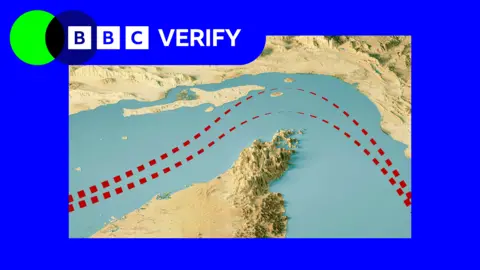



Strait of Hormuz Shipping Crisis | Critical Supply Chain Impact for Cross-Border Sellers
- 91% vessel traffic decline (9 vs 100 daily average) disrupts 20% of global oil/gas routes, raising shipping costs 8-15% for Asia-to-Middle East sellers and triggering alternative sourcing strategies




Overview
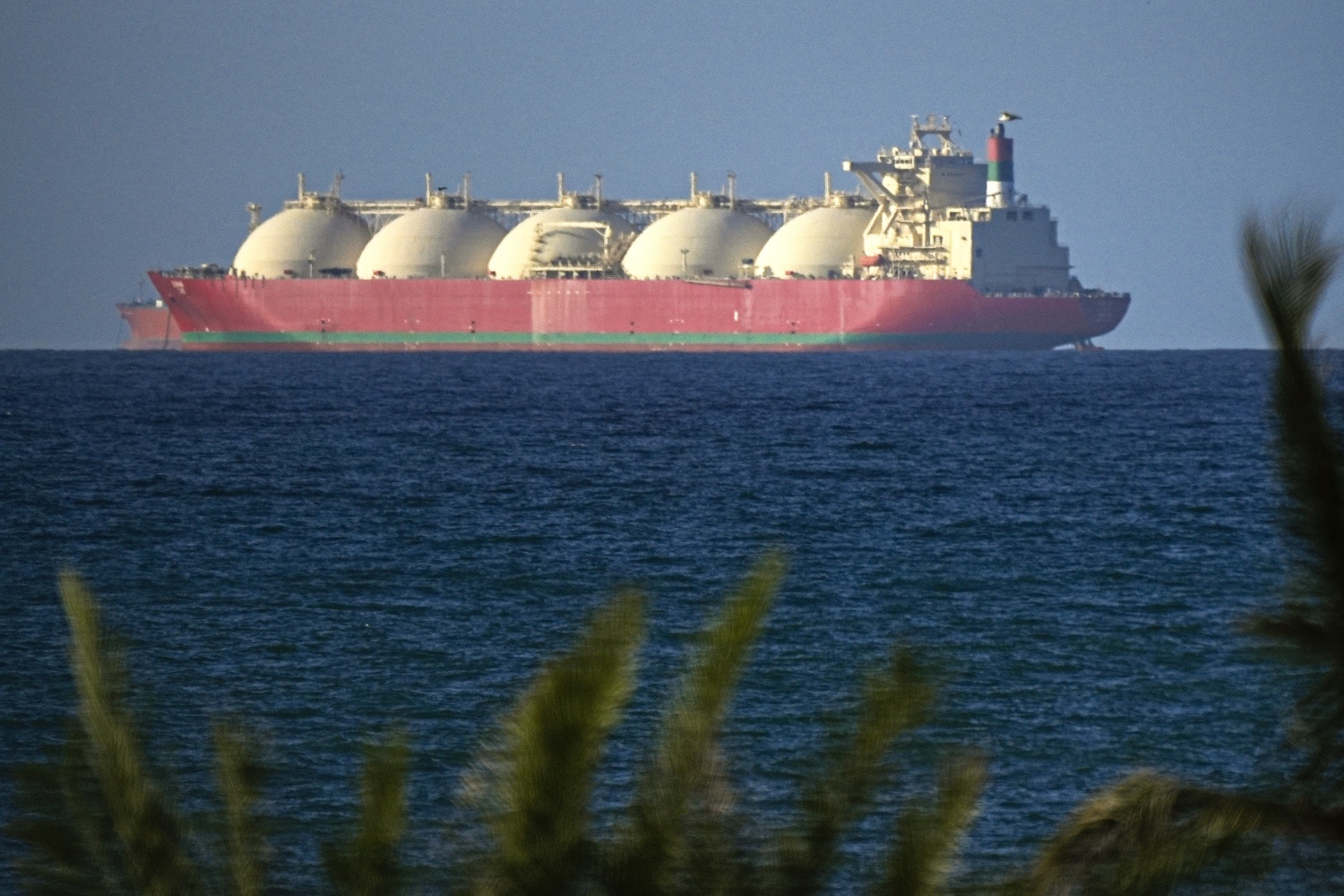
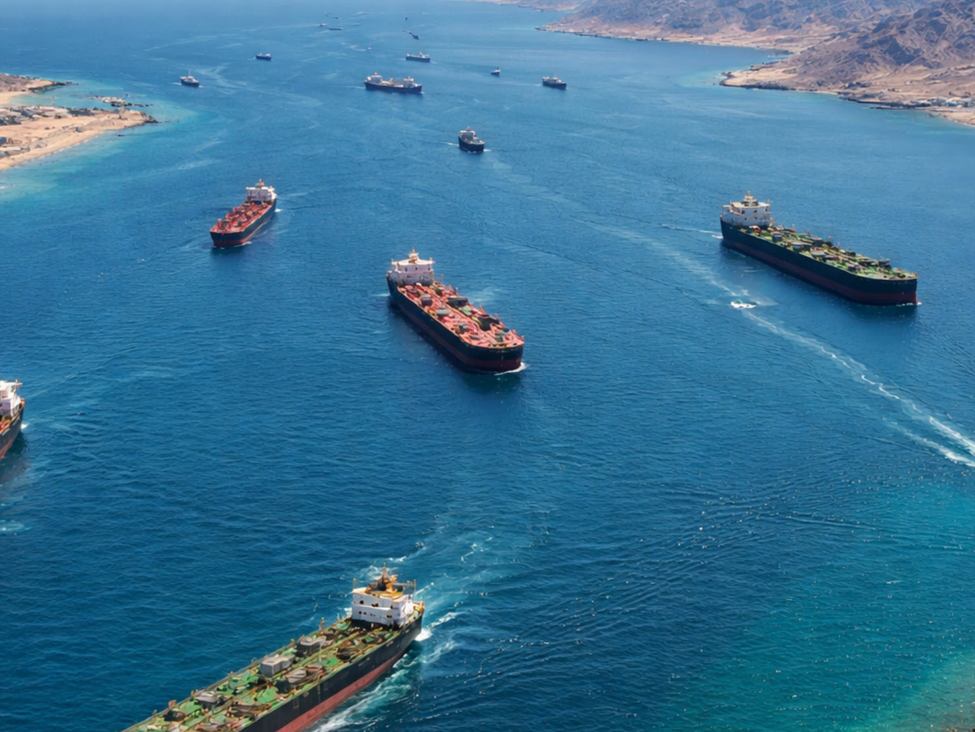
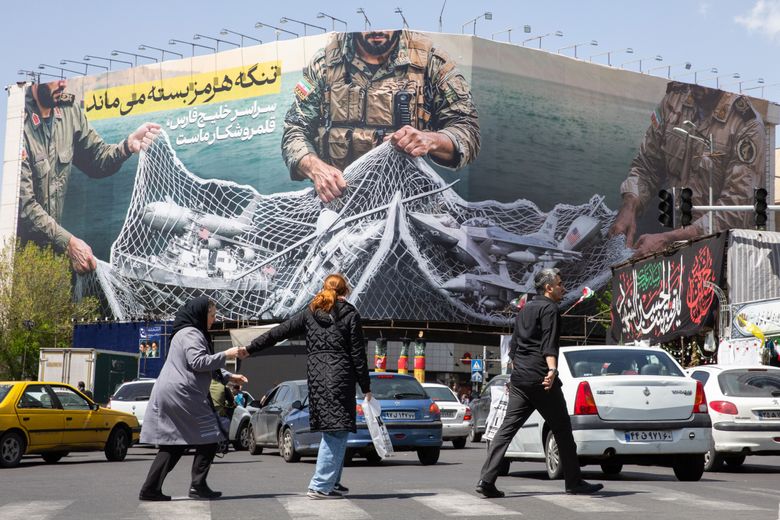
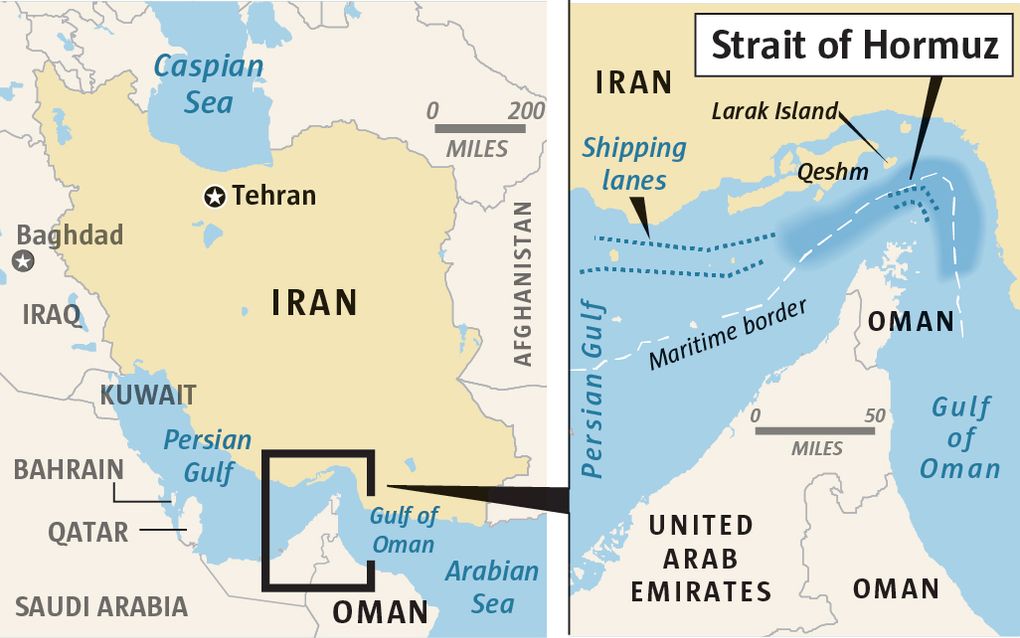
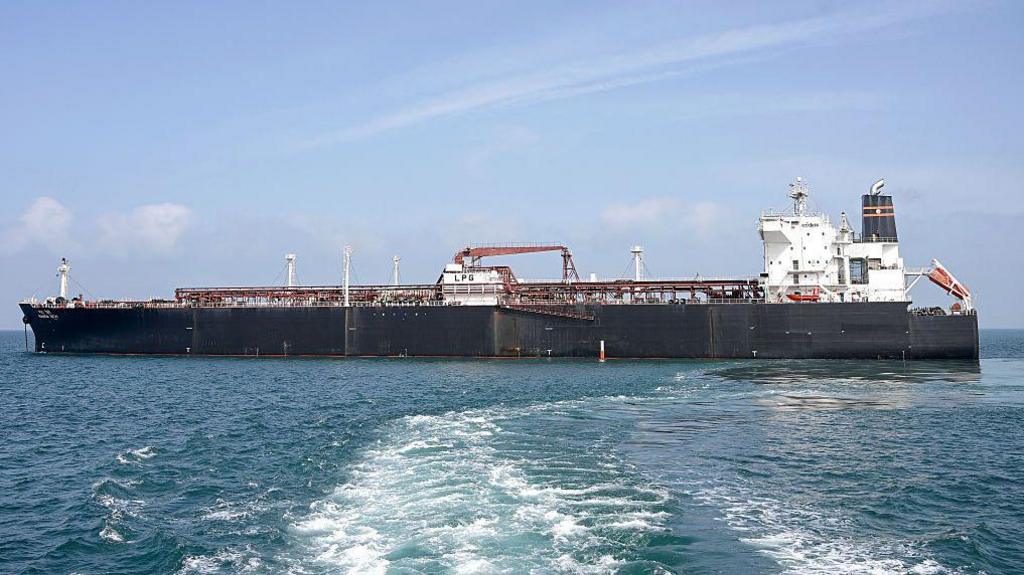
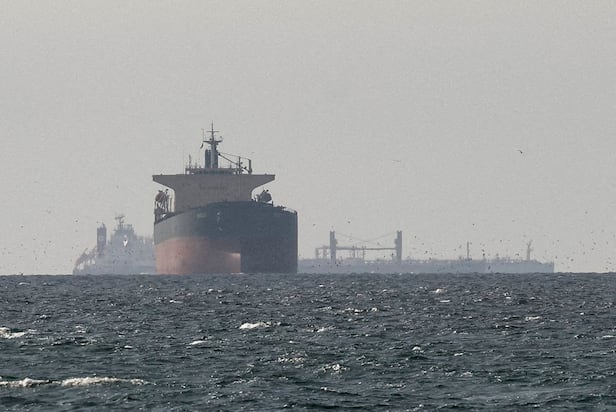
The Strait of Hormuz shipping disruption represents a critical supply chain inflection point for cross-border e-commerce sellers, particularly those importing goods from Asia or exporting to Middle Eastern markets. According to S&P Global Market Intelligence, only nine vessels transited the strategic waterway since the recent ceasefire through Thursday, compared to the pre-war average of over 100 daily vessels—a 91% traffic collapse. This disruption affects approximately 20% of the world's oil and natural gas supply, with Iran implementing a "tollbooth system" requiring transit permission and potentially imposing passage fees. For e-commerce sellers, this creates immediate operational challenges: shipping costs via traditional Suez-Hormuz routes are projected to increase 8-15% as carriers reroute around Africa (adding 10-14 days transit time), inventory carrying costs rise due to extended lead times, and sourcing diversification becomes strategically necessary.
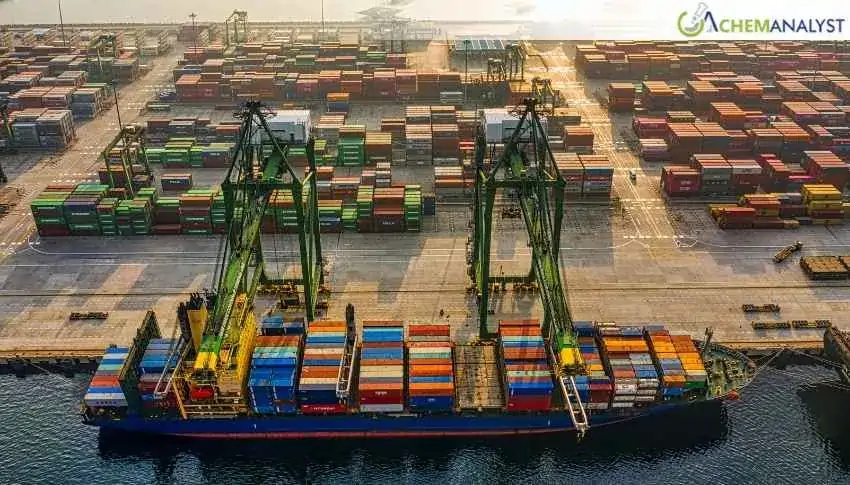
Immediate tariff and sourcing implications: Sellers importing electronics, textiles, and consumer goods from China, Vietnam, and India face 15-25% cost increases on Hormuz-dependent routes. The "tollbooth" system introduces unpredictable transit fees (estimated $5,000-15,000 per container), creating margin compression for sellers operating on 20-30% gross margins. This incentivizes immediate sourcing diversification—sellers should evaluate alternative suppliers in Mexico, India, and Southeast Asia to bypass Hormuz dependency. The policy window is critical: President Trump's stated "optimism" about Iran peace negotiations suggests potential route normalization within 3-6 months, but current uncertainty demands immediate hedging strategies.
Competitive advantage shifts: Large sellers with diversified supply chains and 3PL partnerships can absorb route disruptions; small-to-medium sellers (SMBs) with single-source Asian suppliers face 12-18% margin compression. Categories most affected include electronics (HS 8471-8517), textiles (HS 6204-6209), and machinery (HS 8401-8450). Sellers should immediately audit supplier locations, negotiate alternative routing agreements with freight forwarders, and consider temporary price increases (3-8%) to maintain margins. The timing window is urgent: route normalization could occur within 90 days, making current alternative sourcing arrangements time-sensitive competitive advantages. Monitoring Iran-US negotiations and OPEC production announcements becomes essential for predicting route reopening timelines and adjusting inventory strategies accordingly.
Questions 8
How does the Strait of Hormuz shipping disruption affect cross-border seller costs?
The 91% traffic collapse (9 vs 100 daily vessels) forces carriers to reroute around Africa, adding 10-14 days transit time and increasing shipping costs 8-15% per container. For a seller importing 500 containers monthly from China, this translates to $75,000-150,000 in additional monthly shipping costs. Additionally, Iran's "tollbooth system" introduces unpredictable transit fees ($5,000-15,000 per container), creating margin compression for sellers operating on 20-30% gross margins. Sellers should immediately negotiate alternative routing agreements with freight forwarders and evaluate air freight options for high-margin products, though air costs are 3-5x higher than ocean freight.
What is the competitive impact on small vs large cross-border sellers?
Large sellers with diversified supply chains and 3PL partnerships can absorb route disruptions through existing alternative logistics networks; small-to-medium sellers (SMBs) with single-source Asian suppliers face 12-18% margin compression. SMBs lack negotiating power with freight forwarders and cannot absorb 8-15% shipping cost increases without raising prices 5-10%, risking competitiveness. Large sellers can negotiate volume discounts on alternative routes and maintain inventory buffers; SMBs must choose between price increases (risking sales) or margin compression. This creates a 6-12 month window where large sellers gain market share from SMBs unable to adapt quickly.