



Ecuador-Colombia 100% Tariff War Reshapes Andean Trade | Seller Sourcing Crisis
- Tariffs escalate from 30% to 100% in 4 months; Colombian pharmaceutical, pesticide, and manufactured goods face market collapse in Ecuador; energy embargo creates 15-25% operational cost surge for Ecuadorian sellers







Overview
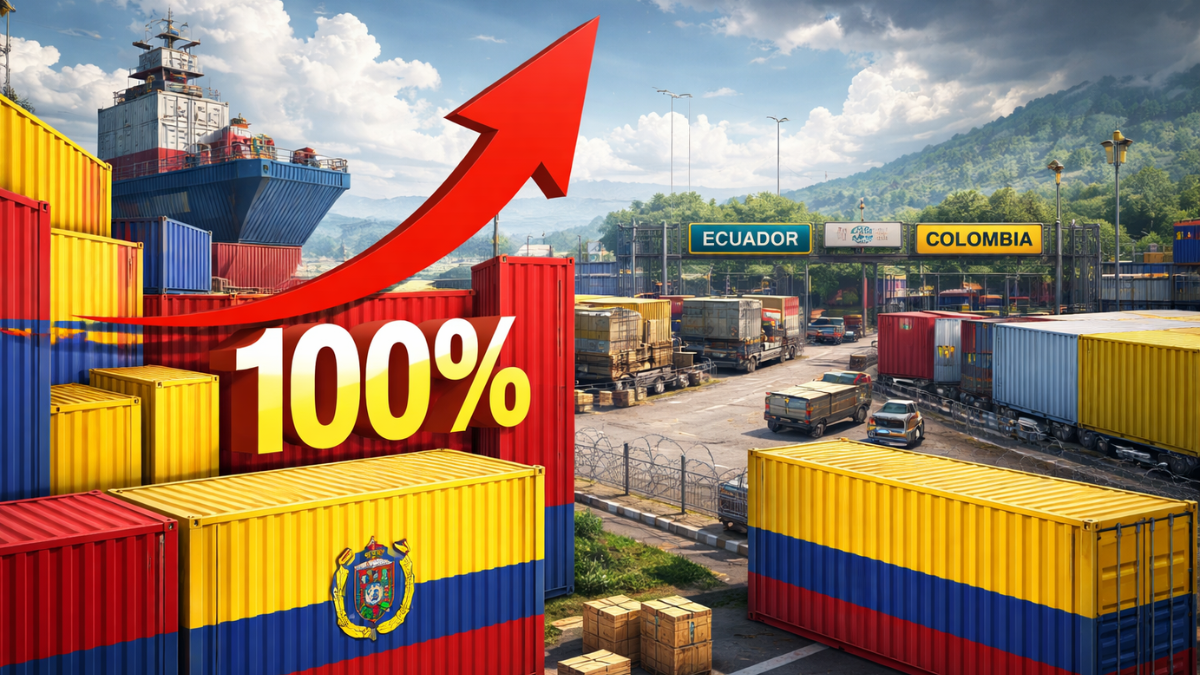
Ecuador's escalating tariff war with Colombia represents a critical disruption to Andean cross-border e-commerce, with tariffs jumping from 30% (January 2025) to 100% (May 2025) in just four months. This three-stage tariff escalation—30% → 50% → 100%—creates a compounding cost crisis for sellers sourcing Colombian goods (medicines, pesticides, manufactured products) into Ecuador's market. The dispute stems from diplomatic tensions over border security and drug trafficking, with Colombian President Gustavo Petro declaring "the end of the Andean Pact" and pivoting toward Mercosur and Caribbean partnerships instead.
For cross-border e-commerce sellers, the operational impact is severe and immediate. Colombian exporters face a 100% tariff wall effective May 1, 2025, making most goods uncompetitive in Ecuador's market. A $100 product from Colombia now costs $200 in tariffs alone—effectively doubling landed costs and compressing margins by 40-60% for sellers operating on 15-25% margins. Pharmaceutical sellers (HS codes 3004-3006), pesticide exporters (HS codes 3808-3809), and general manufactured goods face market access collapse. Simultaneously, Ecuador's energy embargo on Colombia creates a secondary crisis: Ecuador's manufacturing sector loses critical power supplies during drought periods, increasing operational costs 15-25% for Ecuadorean sellers exporting to regional markets. The suspension of bilateral technical working groups (as of April 8, 2025) signals zero near-term diplomatic resolution.
The tariff structure creates specific arbitrage opportunities and sourcing shifts. Sellers previously sourcing Colombian pharmaceuticals and agricultural inputs must immediately pivot to alternative suppliers in Peru, Chile, or Brazil—adding 2-4 week sourcing delays and 8-12% cost premiums. However, this creates a 60-90 day window for sellers to establish alternative supply chains before competitors catch on. Ecuadorian sellers exporting to Colombia face retaliatory tariffs and energy cost pressures, making Central American and Caribbean markets (which Petro explicitly mentioned) suddenly more attractive. The Mercosur pivot signals Colombia will prioritize Argentina, Brazil, and Paraguay partnerships—creating opportunities for sellers to establish presence in these markets before Colombian competitors saturate them. Regional trade integration collapse means the Andean Community's preferential tariff framework is effectively dead, requiring sellers to recalculate landed costs across all South American corridors.
Compliance and operational urgency is critical. Sellers must complete Colombian-to-Ecuador inventory liquidation before May 1, 2025 (effective date), or face 100% tariff liability on in-transit goods. This creates a 2-3 week window for expedited shipments at premium logistics costs ($500-1,500 per container). Sellers should immediately audit HS codes for affected product categories and model cost scenarios across alternative sourcing countries. The energy embargo creates secondary compliance complexity: Ecuadorian manufacturers must secure alternative power sources or relocate production, adding 4-8 week implementation timelines. Long-term, sellers should monitor Mercosur membership negotiations (Colombia's stated pivot) and Caribbean trade agreements for emerging tariff-free corridors.
Questions 8
What is the timeline for sellers to adjust sourcing before tariffs take effect?
The 100% tariff becomes effective May 1, 2025, creating a critical 2-3 week window for sellers to complete Colombian-to-Ecuador inventory liquidation or face tariff liability on in-transit goods. Sellers must immediately audit inventory, model alternative sourcing scenarios, and execute expedited shipments at premium logistics costs ($500-1,500 per container) to avoid tariff exposure. For sellers establishing alternative supply chains, the 60-90 day window after May 1 represents a competitive advantage period before competitors catch on and saturate alternative suppliers. Immediate actions include HS code audits, cost modeling across Peru/Chile/Brazil suppliers, and logistics acceleration for in-flight inventory.
How does the energy embargo impact Ecuadorian sellers and manufacturers?
Colombia has halted energy sales to Ecuador, creating a secondary crisis during drought periods when hydroelectric capacity diminishes. This energy embargo increases operational costs for Ecuadorian manufacturers by 15-25%, affecting their ability to compete in regional markets. Ecuador's energy crisis affects millions of citizens and forces manufacturers to secure alternative power sources or relocate production, adding 4-8 week implementation timelines. For e-commerce sellers exporting Ecuadorian goods to Colombia and other regional markets, the energy cost surge directly compresses margins and reduces competitiveness. The suspension of bilateral technical working groups (as of April 8, 2025) suggests limited near-term resolution to the energy embargo.