






Energy Crisis Triples Shipping Costs | Sellers Face 5-15% Margin Compression
- Gasoline prices surge 21.2% in March 2026; Amazon fuel surcharges permanent; air freight costs spike 12-18% for time-sensitive shipments














Overview
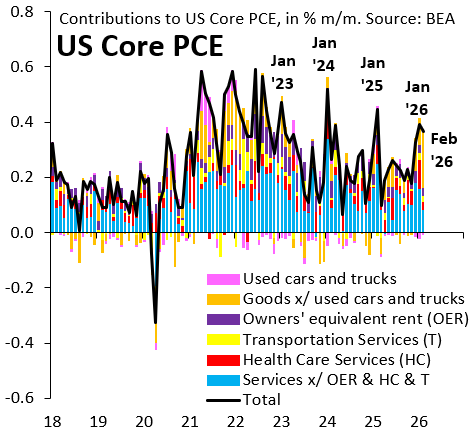
The Iran-US conflict has triggered a severe energy supply shock that directly impacts cross-border e-commerce profitability. Annual inflation surged to 3.3% in March 2026—the largest year-over-year increase since May 2024—driven by a record 21.2% spike in gasoline prices, the largest single-month increase since 1967. Oil prices remain elevated at $96.57 per barrel (WTI) versus pre-war levels of $67, representing a 44% premium. This energy crisis creates immediate operational challenges for sellers across all major platforms.
Shipping costs represent the most direct impact on seller margins. Amazon and major logistics providers have announced permanent fuel surcharges that are unlikely to revert to pre-war levels, according to the news reports. Sellers relying on air freight for time-sensitive shipments face substantially higher operational costs, with profit margins potentially compressed by 5-15% depending on product weight and shipping method. Ocean freight costs, while more stable than air, also reflect elevated energy surcharges. For a typical seller shipping 1,000+ units monthly via air freight, this translates to additional costs of $200-400 per month depending on product category and destination markets. Small and medium-sized sellers (SMBs) with thin margins of 10-20% face the greatest pressure, as they lack the negotiating power of large enterprises to absorb or pass through fuel surcharges.
Consumer purchasing power erosion compounds margin compression. Higher inflation reduces discretionary spending, with consumer sentiment reaching historic lows—below levels recorded during the Great Recession and COVID-19 pandemic. This signals reduced demand for non-essential products that dominate e-commerce categories (apparel, electronics, home goods). Sellers importing goods face compounded cost pressures: elevated energy costs increase supply chain expenses across warehouse operations, cold chain logistics, and last-mile delivery. Suppliers are also raising prices in response to inflation, further compressing margins. The Federal Reserve may cut interest rates twice in 2024 to support the labor market, potentially providing relief to inventory financing costs, but this provides only partial offset to shipping cost increases.
Regulatory uncertainty adds strategic complexity. The Supreme Court's February ruling against Trump's tariffs and ongoing legal challenges to new 10% import duties create additional unpredictability. Sellers must simultaneously manage fuel surcharge increases, potential tariff changes, and weakening consumer demand. The timing window for strategic action is narrow: sellers should immediately audit their logistics routes, negotiate with 3PL providers before fuel surcharges become standard, and consider inventory adjustments to reduce reliance on air freight for non-urgent shipments.
Questions 7
How do Trump's tariff challenges affect my shipping cost strategy?
The Supreme Court's February ruling against Trump's tariffs and ongoing legal challenges to new 10% import duties create regulatory uncertainty that compounds shipping cost pressures. If new tariffs take effect, your landed costs increase 10%+ on top of fuel surcharges, creating a 15-25% total cost increase. Develop contingency plans: identify alternative sourcing countries (Vietnam, India, Indonesia) with lower tariff exposure, or shift to domestic suppliers despite higher unit costs. Monitor tariff litigation weekly through trade publications. If tariffs appear likely to pass, accelerate imports before implementation dates to lock in pre-tariff pricing. For sellers already facing 5-15% margin compression from fuel surcharges, tariff increases could make certain product categories unprofitable.
Will Federal Reserve interest rate cuts in 2024 help offset my shipping cost increases?
Partially. Rate cuts reduce inventory financing costs (typically 2-3% annual savings on working capital), but this provides only partial offset to 5-15% shipping cost increases. If you carry $100K in inventory at 8% interest, a 2% rate cut saves $2,000 annually—meaningful but insufficient to offset $5-15K in additional annual shipping costs. The primary benefit of rate cuts is improved access to capital for business expansion and inventory investment. Use this window to refinance existing debt and secure favorable terms before rates stabilize. However, don't rely on rate cuts to solve margin compression: focus on operational efficiency (logistics optimization, inventory reduction) as your primary mitigation strategy.