



Signal Messaging Vulnerability Exposes Seller Communications | Data Security Risk for Cross-Border Traders
- FBI exploits iOS push notification gap affecting all messaging apps; sellers using Signal for supplier/customer communications face potential data exposure and compliance risks









Overview
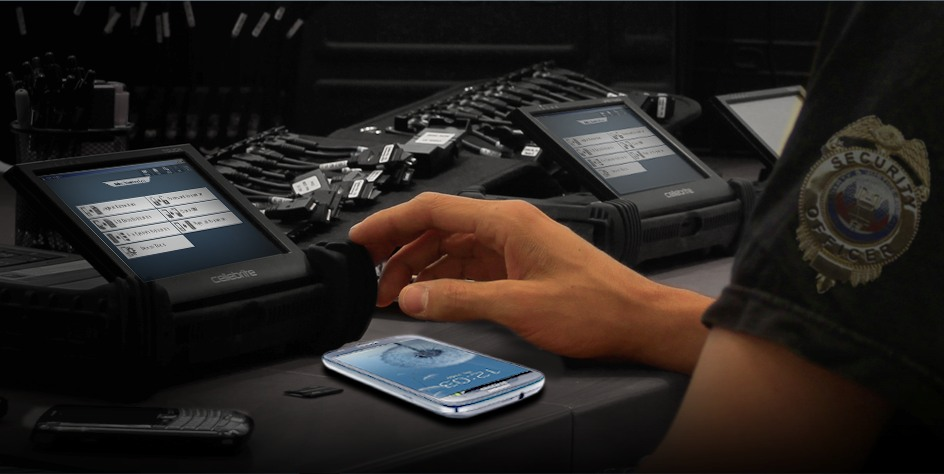
The recent discovery that the FBI can extract Signal messages from iPhone push notification databases represents a critical security vulnerability affecting millions of users, including e-commerce sellers who rely on encrypted messaging for sensitive business communications. According to 404 Media's investigation, law enforcement successfully accessed encrypted messages by exploiting how iOS stores push notification previews separately from encrypted message storage—a vulnerability affecting not just Signal but all messaging applications with notification functionality. This discovery carries significant implications for cross-border sellers who use Signal to communicate with suppliers in Asia, coordinate with 3PL logistics partners, discuss pricing strategies, or handle customer service inquiries involving sensitive information.
The technical vulnerability stems from iOS architecture, where push notifications containing message previews remain accessible through forensic extraction even when the actual encrypted messages are deleted. Signal's end-to-end encryption protects message content during transmission and storage, but the notification layer creates an unintended backdoor. For sellers, this means confidential supplier communications, payment discussions, or customer data shared via Signal could potentially be accessed by law enforcement or forensic tools during device seizures—a particular concern for sellers operating in multiple jurisdictions or those handling cross-border transactions involving regulatory scrutiny.
Signal has provided a straightforward mitigation strategy through its notification settings: users can select "No Name or Content" option (accessed via Profile > Notifications), which eliminates message previews from push notifications entirely. However, security experts note this protection requires manual user configuration rather than being enabled by default—a critical gap for sellers who may not be aware of the vulnerability. The incident highlights that no messaging platform is completely immune to security vulnerabilities, and sellers prioritizing maximum privacy for business communications should proactively implement protective settings. For e-commerce operations involving sensitive supplier negotiations, pricing discussions, or customer data handling, this vulnerability underscores the importance of understanding how different system components interact and where security gaps may exist. Sellers should also consider supplementary security measures: using VPNs for all communications, implementing separate devices for sensitive business discussions, and establishing communication protocols that avoid transmitting sensitive data through any messaging app. The discovery demonstrates responsible security practices by Signal in providing transparent remediation, but raises broader questions about default security configurations in privacy-focused applications—particularly relevant for sellers in regulated industries or those handling cross-border transactions where communication privacy carries legal and competitive implications.
Questions 8
How does the Signal vulnerability affect cross-border e-commerce sellers?
The Signal vulnerability exposes sellers' confidential business communications through iOS push notification extraction. Sellers using Signal to discuss supplier pricing, negotiate payment terms, coordinate logistics with 3PL partners, or handle sensitive customer data face potential unauthorized access if their devices are seized or forensically analyzed. The vulnerability affects all messaging apps with push notification functionality, not just Signal. Sellers should immediately implement the 'No Name or Content' notification setting and consider using separate devices for sensitive business communications. This is particularly critical for sellers in regulated industries or those handling cross-border transactions where communication privacy carries legal implications.
What is the 'No Name or Content' notification setting and how do I enable it?
The 'No Name or Content' setting eliminates message previews from push notifications, closing the FBI's exploitation vector. To enable it on Signal: tap your profile picture, navigate to Notifications, and select 'No Name or Content' option. This configuration ensures push notifications only alert you to new messages without displaying specific content, requiring you to open the app to read actual message text. While this protects against push notification extraction, security experts recommend this protective setting should be enabled by default rather than requiring manual user configuration. Sellers should enable this immediately and verify the setting is active on all devices used for business communications.