




Google Play Store Bans Psychological Horror Games | Digital Content Sellers Face Unpredictable Moderation
- April 2026 removal of DDLC signals expansion of content restrictions beyond adult content to psychological horror and sensitive themes, affecting indie game publishers and digital content distribution strategies across platforms














Overview
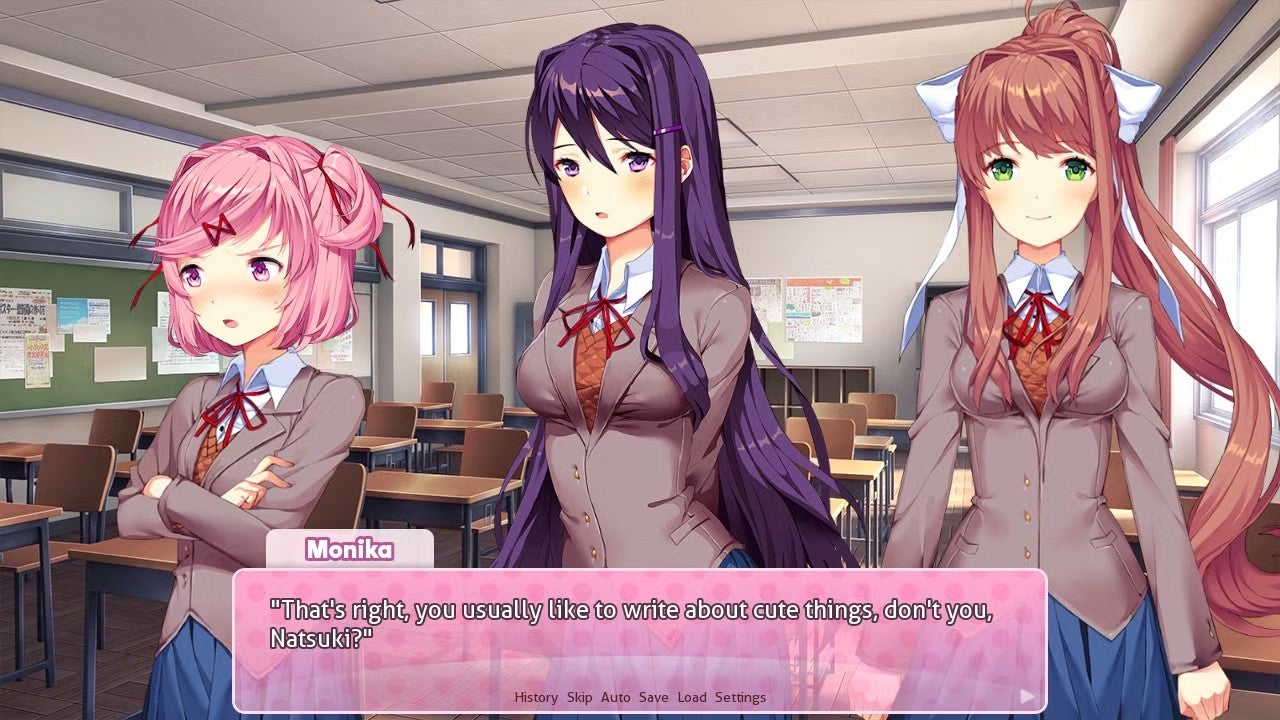
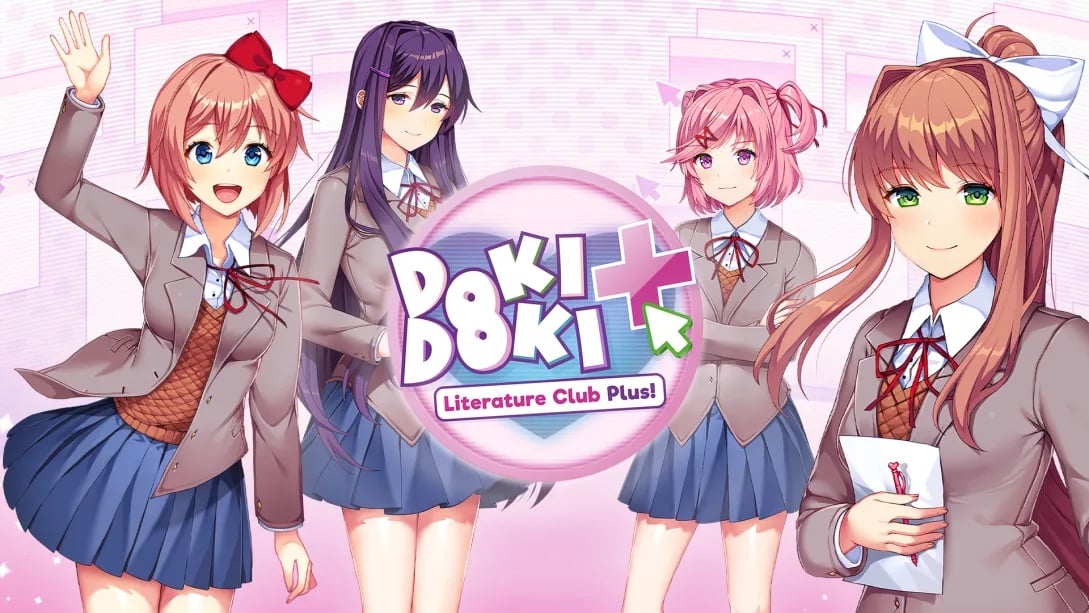
Google Play Store's April 2026 removal of Doki Doki Literature Club (DDLC) represents a critical shift in platform content moderation policy that extends far beyond adult content into psychological horror and sensitive mental health depictions. The game, which maintained a near-perfect user rating with 20,000+ reviews since its December 2025 launch, was delisted without warning for "depiction of sensitive themes"—despite carrying prominent content warnings and remaining available on iOS, Nintendo Switch, PlayStation, Steam, and Xbox. This inconsistent enforcement creates significant compliance risks for digital content sellers across multiple categories.
The moderation expansion signals a dangerous precedent for indie game publishers and digital content creators. Historical deplatforming patterns show escalation: Patreon removed adult content creators (2018), Gumroad restricted NSFW artwork (2024), OnlyFans attempted an adult content ban, and now Google Play is targeting psychological horror and mental health narratives. Industry expert Suzanne Sharp (formerly of Castlevania) warned: "They're going after horror, we said this would happen. It is never just about porn." The removal occurred 4 months after launch with no prior enforcement action, indicating either automated policy drift or retroactive application of new standards. Google has provided no official reinstatement timeline or policy clarification, leaving publishers in regulatory limbo.
For cross-border digital content sellers, this creates a compliance moat opportunity and significant distribution risk. The platform-specific nature of the ban (DDLC remains on iOS, consoles, and Steam) demonstrates that content standards vary dramatically across distribution channels. Publishers must now maintain contingency distribution strategies, including direct-to-consumer sales, alternative app stores (Samsung Galaxy Store, Amazon Appstore), and sideloading options. The lack of transparent policy guidelines means sellers cannot reliably predict which psychological horror, mental health-focused, or emotionally intense content will trigger removal. This unpredictability increases compliance costs for publishers who must now conduct platform-specific content audits before launch and maintain rapid response teams for potential delistings. Sellers addressing mental health themes face particular risk, as DDLC's removal occurred despite the game being celebrated globally for its meaningful mental health representation.
Questions 7
How can publishers prepare for potential deplatforming?
Implement contingency strategies before launch: (1) Maintain direct-to-consumer distribution capability with independent payment processing; (2) Develop platform-specific content variations if necessary; (3) Document content warnings and age-appropriateness classifications; (4) Monitor platform policy updates weekly and adjust content accordingly; (5) Build community on owned channels (Discord, email lists) independent of platform distribution; (6) Establish rapid response protocols for delistings with legal and PR teams ready within 24 hours. Publishers should also diversify across multiple platforms rather than relying on Google Play for majority of revenue. Consider launching on iOS first (currently more stable moderation) before expanding to Android, and maintain relationships with alternative app store operators for rapid distribution if primary platforms remove content.
What is the financial impact of platform-specific delistings?
DDLC's removal from Google Play eliminates access to approximately 2.5+ billion Android users, representing 40-50% of global mobile gaming market. For indie publishers, loss of a single major platform typically reduces revenue 30-60% depending on platform mix. Contingency distribution costs include: alternative app store submission fees ($25-100 per store), direct-to-consumer infrastructure ($500-2,000/month), payment processing (2-3% transaction fees vs. platform's 30%), and customer acquisition costs increasing 2-3x without platform discovery. Publishers should budget $5,000-15,000 monthly for contingency distribution infrastructure and maintain 6-12 months cash reserves to survive potential delistings. The unpredictability of moderation enforcement makes platform diversification a critical cost of doing business in digital content distribution.