

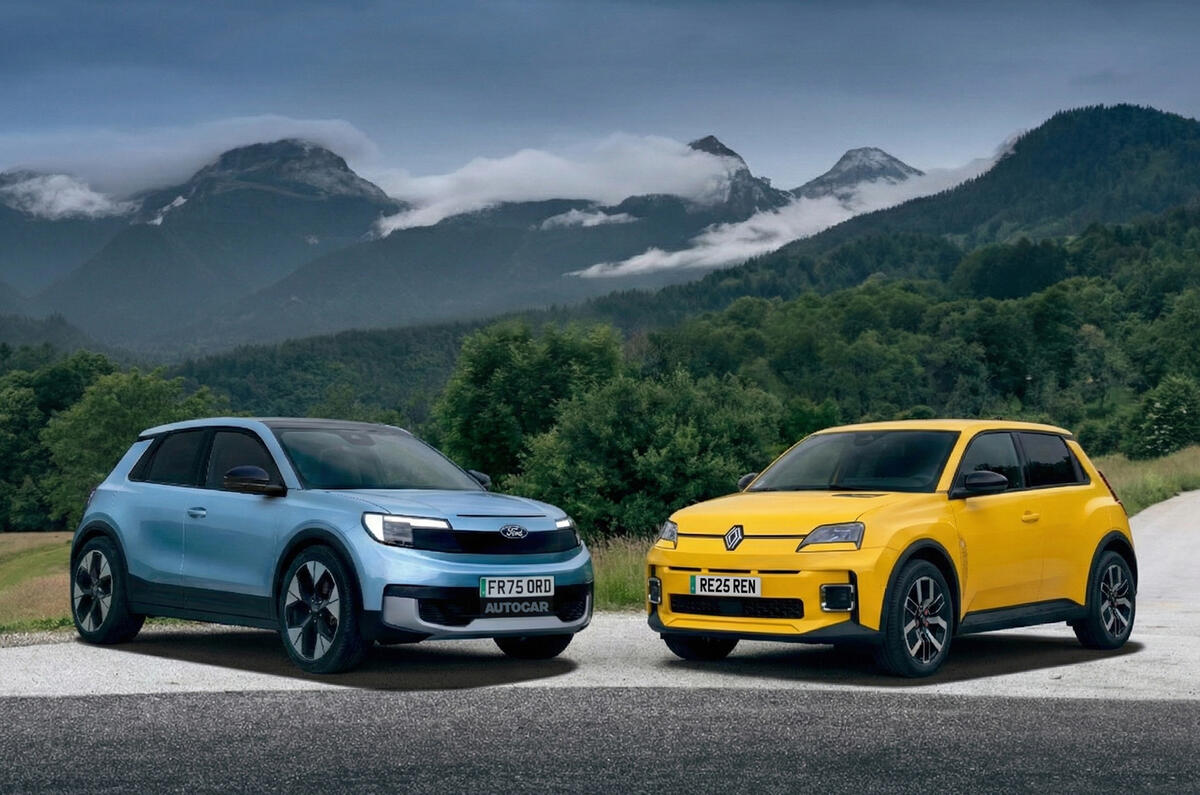



Western Automakers' Survival Strategy Unfolds: Ford and Renault's High-Stakes EV Collaboration
- Cross-Border Partnership Signals Desperate Fight Against Chinese Electric Vehicle Dominance















.jpg)
Overview
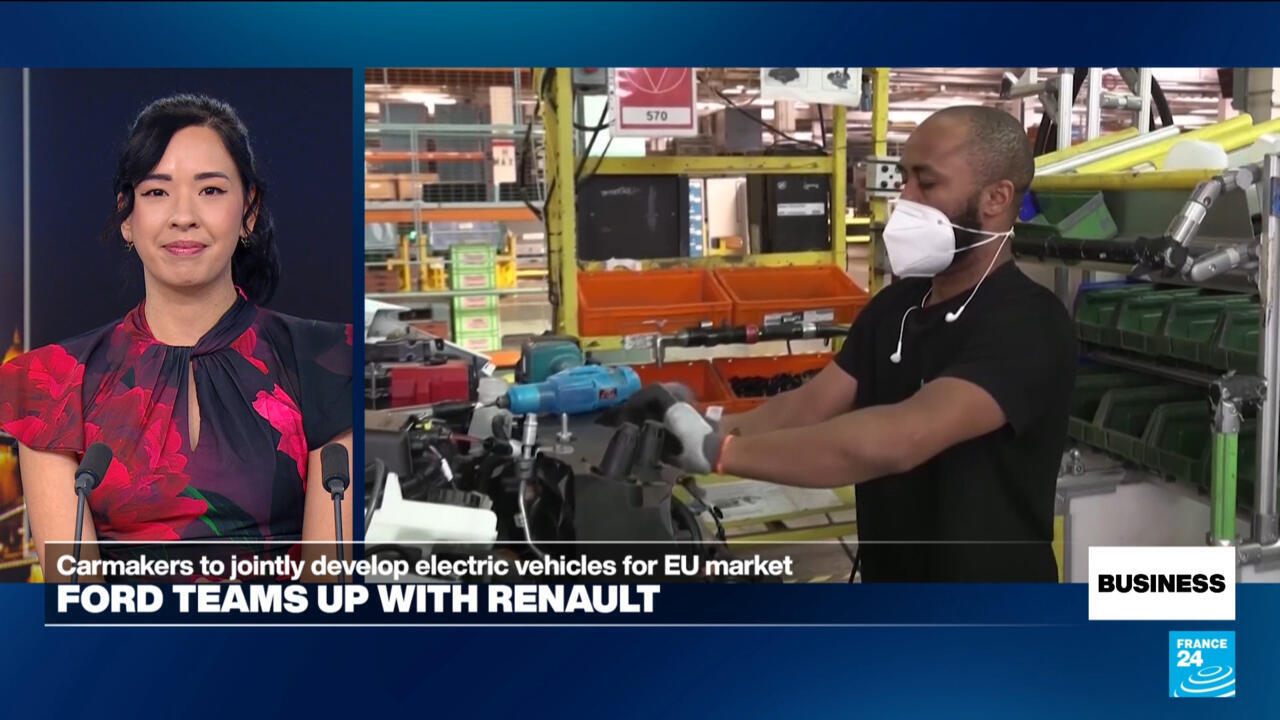
In a pivotal moment for the global automotive industry, Ford and Renault are forging a strategic alliance that reveals the existential challenges facing Western car manufacturers in the electric vehicle (EV) revolution. CEO Jim Farley's stark characterization of this as a "fight for our lives" is more than hyperbole—it's a raw assessment of the competitive landscape where Chinese EV makers are rapidly reshaping global mobility.
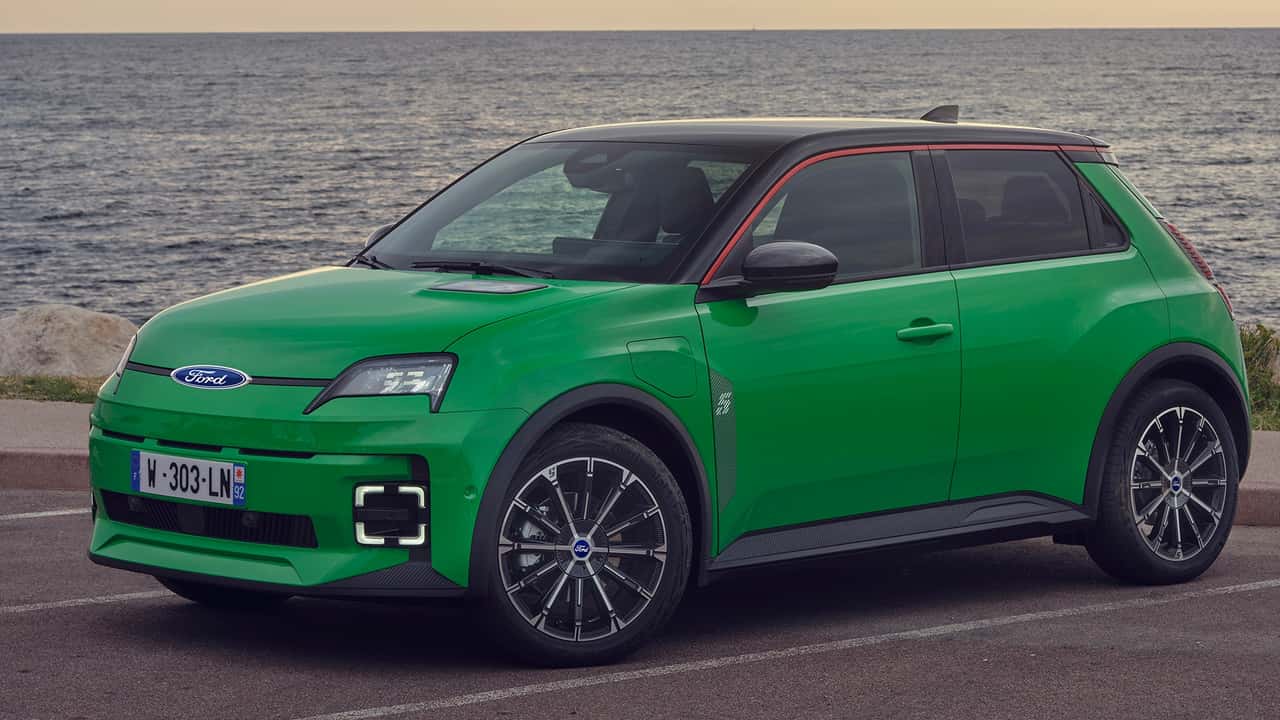
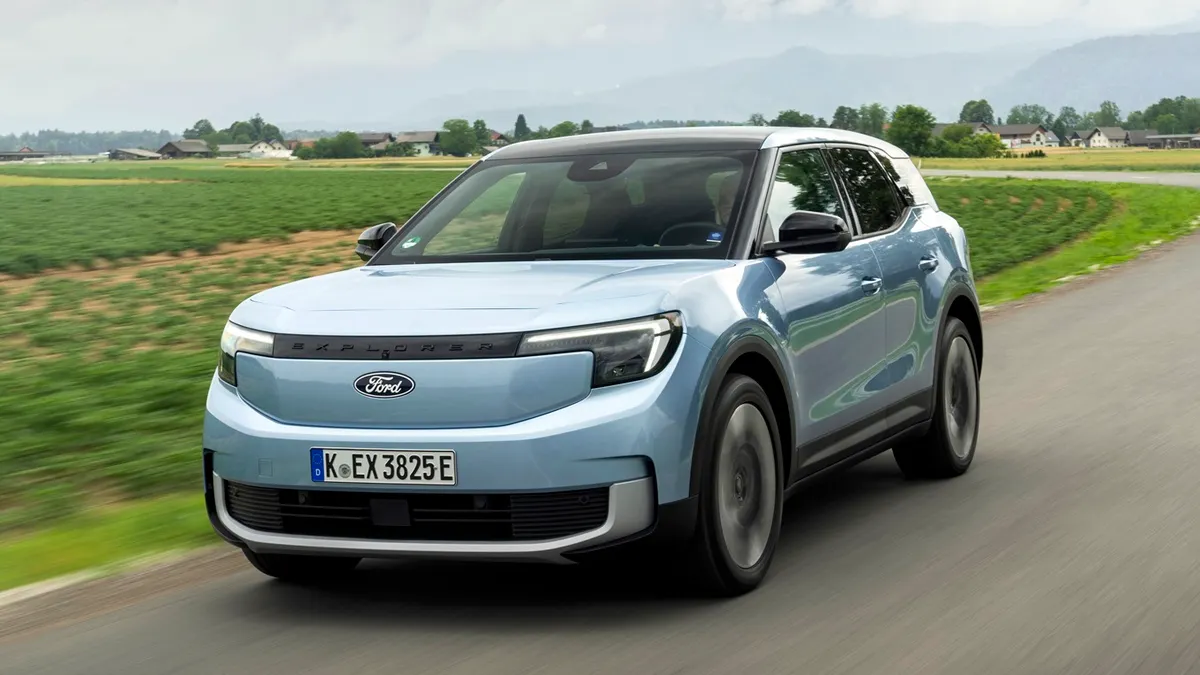
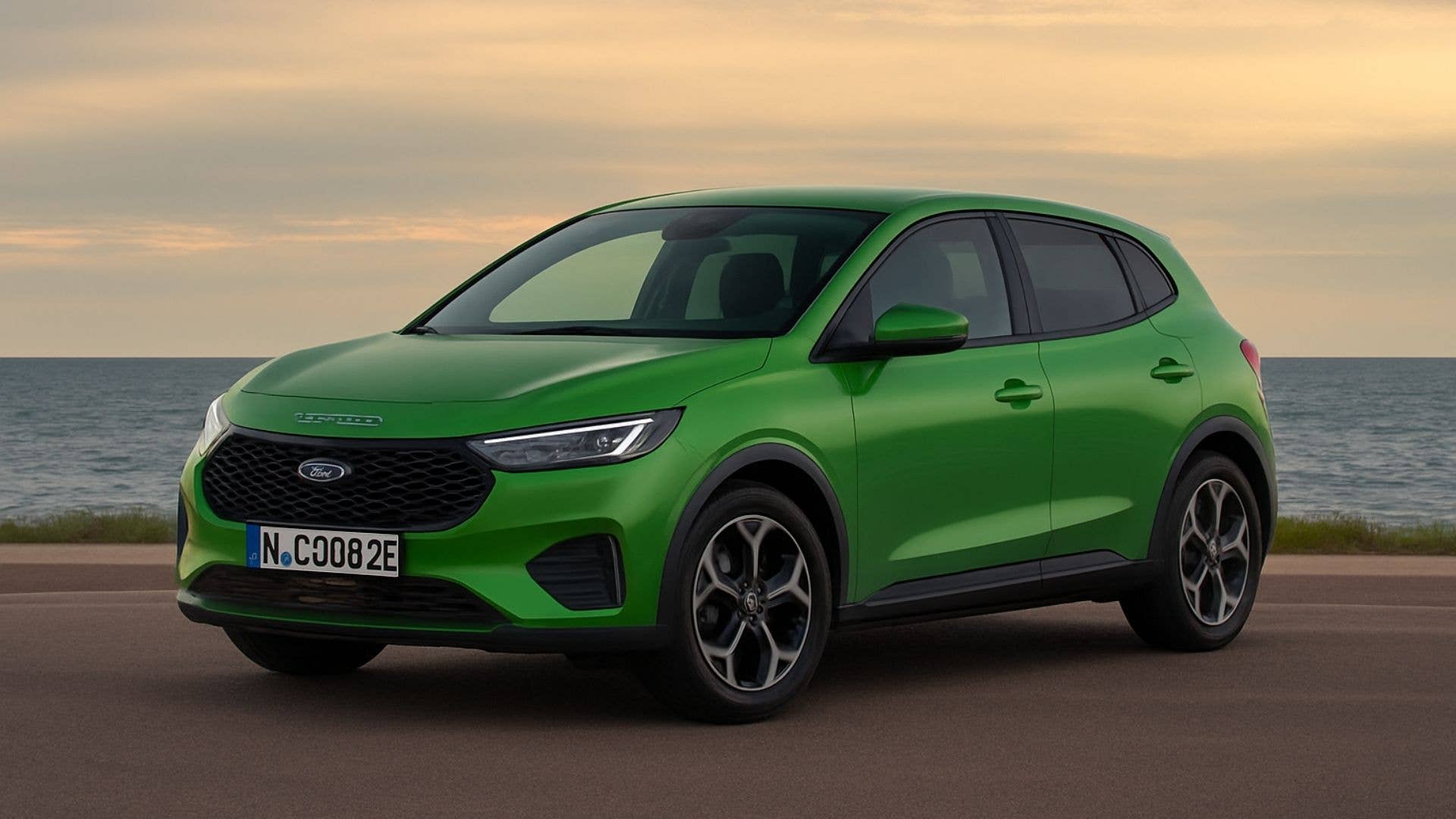
The partnership centers on a critical bet: developing two electric vehicles using Renault's AmpR Small platform, with a planned launch in 2028. This timeline is simultaneously the collaboration's greatest strength and most significant vulnerability. By 2028, the EV market will have undergone massive transformations, and Ford's delayed entry poses substantial risks. Chinese manufacturers like BYD and Chery are already producing well-reviewed electric vehicles at dramatically lower costs, putting immense pressure on traditional Western automakers.
What makes this collaboration fascinating is its defensive strategic positioning. Ford isn't just developing cars; it's constructing a bulwark against aggressive Chinese competition and stringent European regulations. The partnership allows both companies to share astronomical EV development costs while creating vehicles targeting market segments potentially challenging for Chinese manufacturers to penetrate. Renault's Douai plant in France will become the manufacturing hub, representing a calculated geographical and technological hedge.
The broader implications extend far beyond Ford and Renault. This collaboration signals a potential industry-wide transformation where cross-manufacturer partnerships become the primary survival mechanism. Traditional automotive players are recognizing that individual technological development is becoming prohibitively expensive, especially in the rapidly evolving EV ecosystem. By pooling resources, sharing technological expertise, and creating more efficient production lines, Western manufacturers hope to maintain their competitive edge.
For automotive suppliers, e-commerce platforms, and technology investors, this partnership represents a critical inflection point. The EV supply chain is being fundamentally reimagined, with collaborative development models replacing traditional competitive strategies. Sellers in automotive components, battery technologies, and related ecosystems should closely monitor these emerging cross-border alliances.
Questions 4
What are the potential risks of their 2028 launch timeline?
The 2028 launch date poses significant risks, as the EV market is evolving rapidly. By waiting, Ford and Renault might allow Chinese competitors to establish stronger market positions, potentially making their eventual entry less impactful or competitive.
Why are Ford and Renault forming this strategic partnership?
They are responding to intense competitive pressure from Chinese EV manufacturers who are producing high-quality electric vehicles at significantly lower costs. By combining resources, they aim to share development expenses, leverage each other's technological strengths, and create more competitive EV offerings in the European market.