



Airline Baggage Fee Surge 2025-2026 | Critical Cost Impact for E-Commerce Logistics
- Industry-wide baggage fee increases of $10-20 per bag affecting cross-border sellers, air cargo costs, and regional fulfillment strategies for Hawaii, Alaska, and international markets














Overview
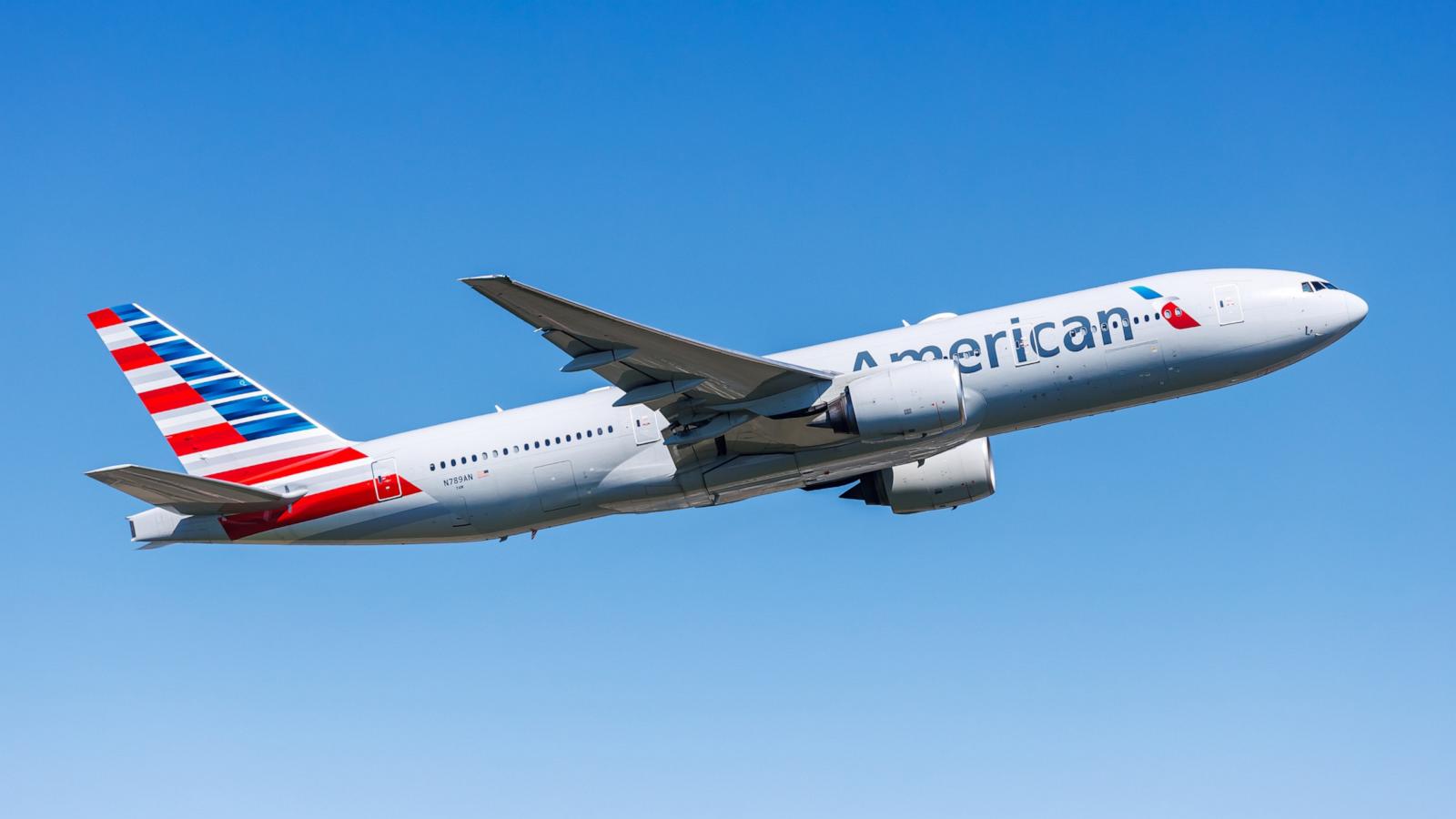
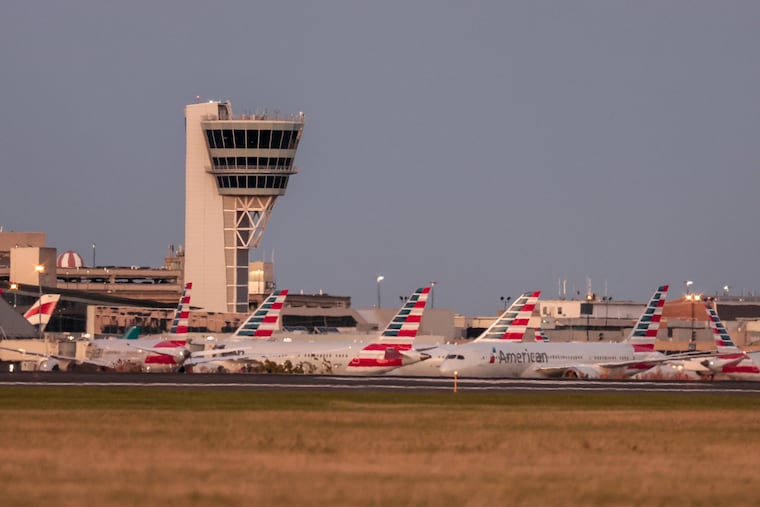
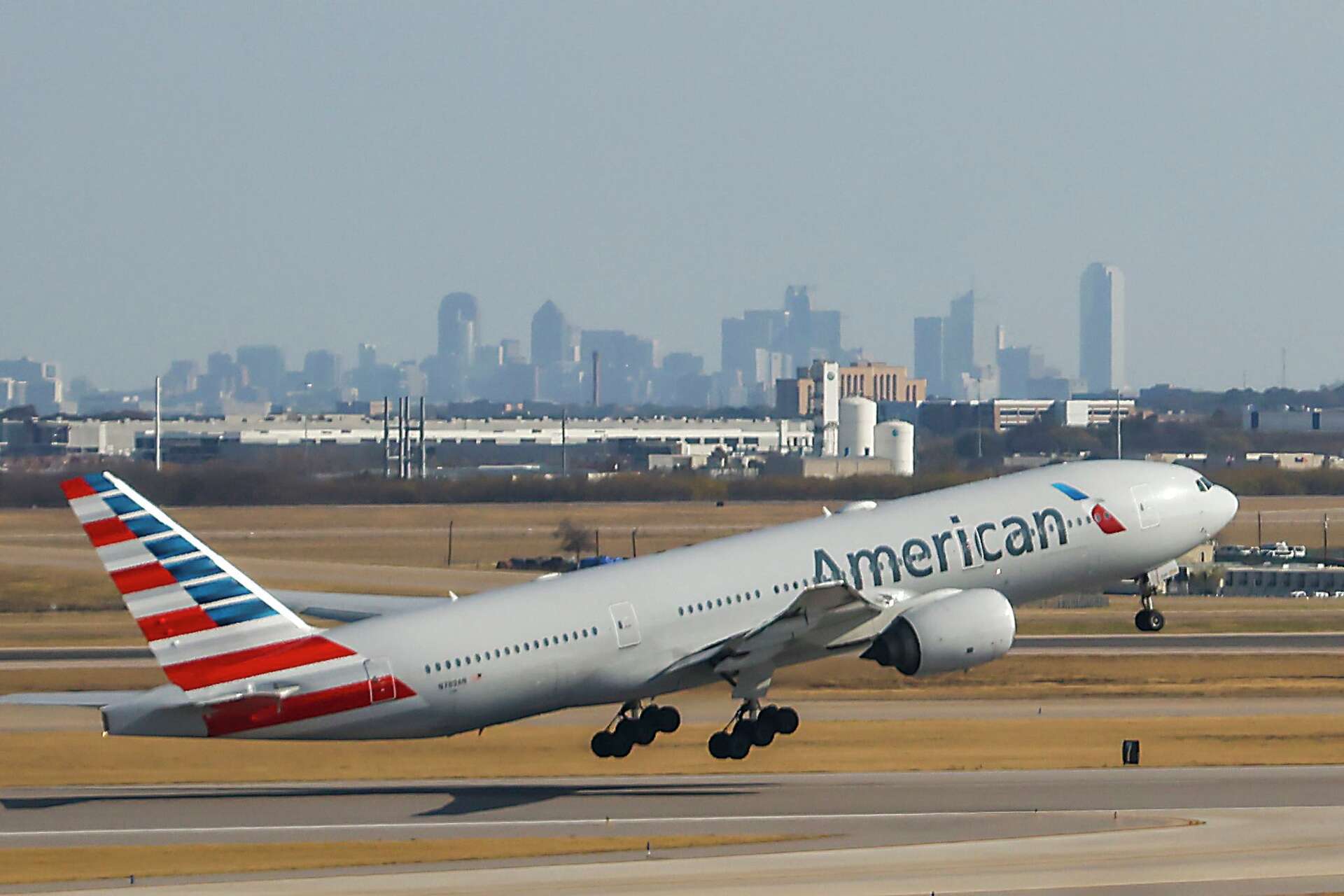
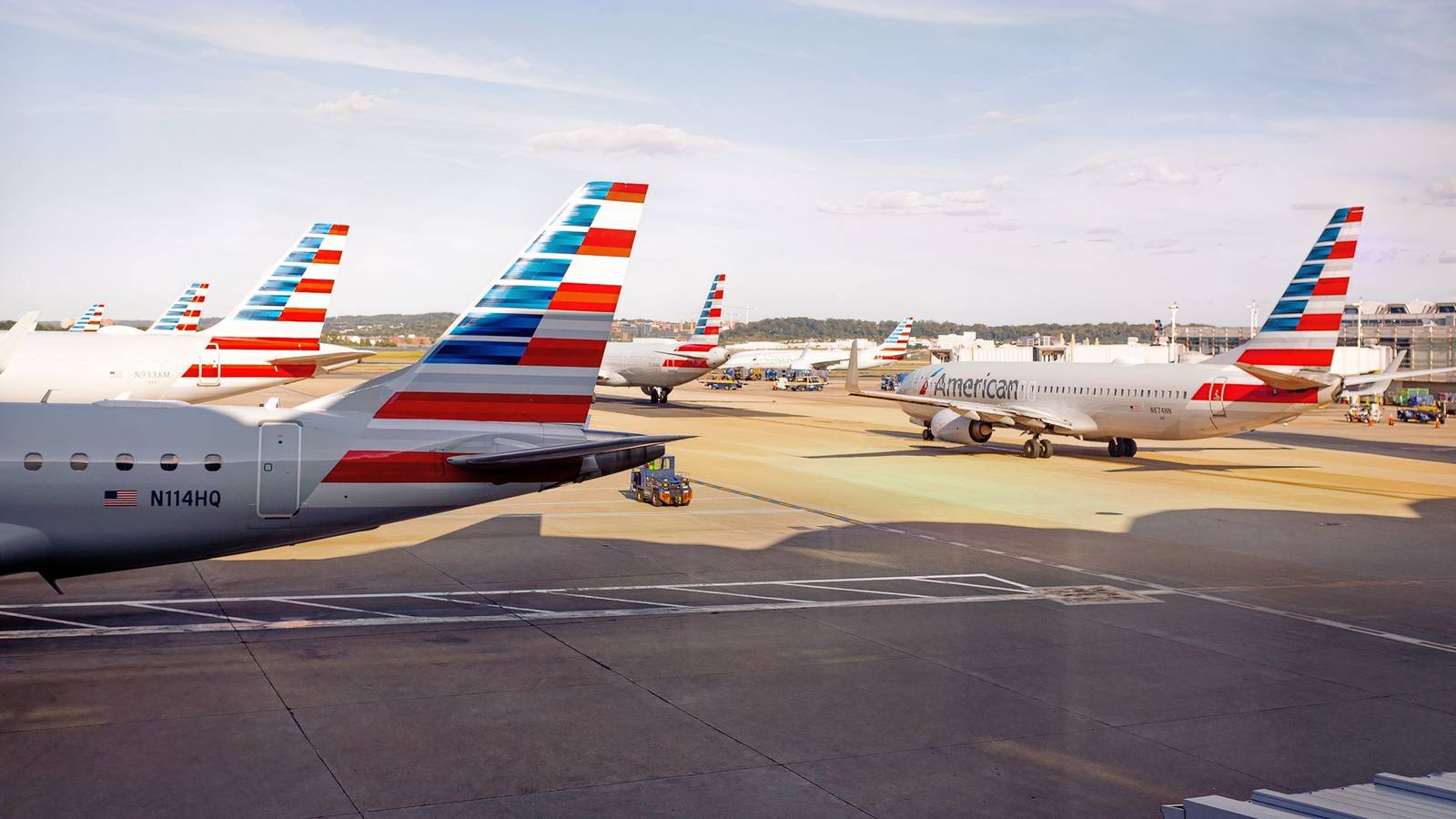
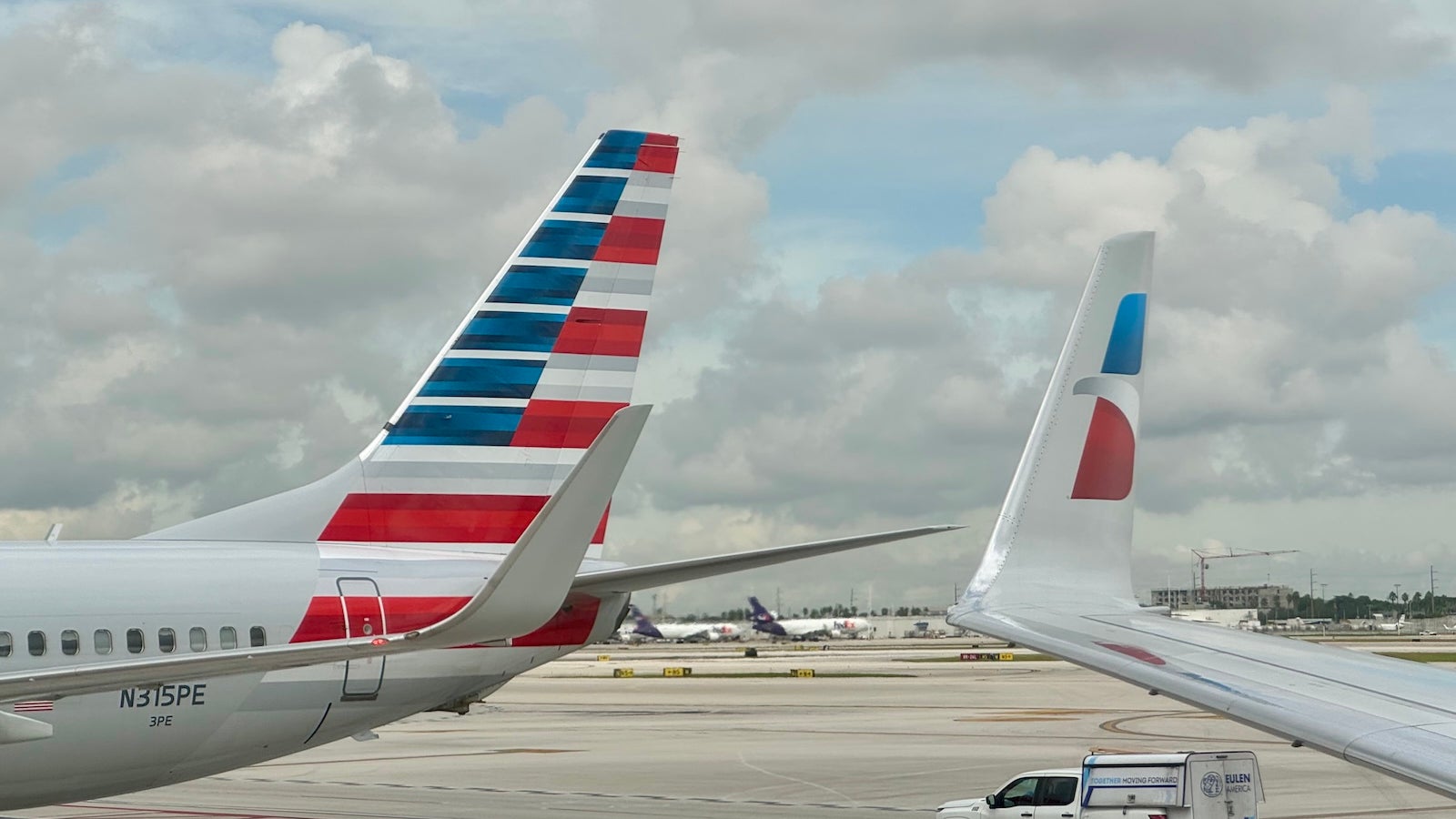
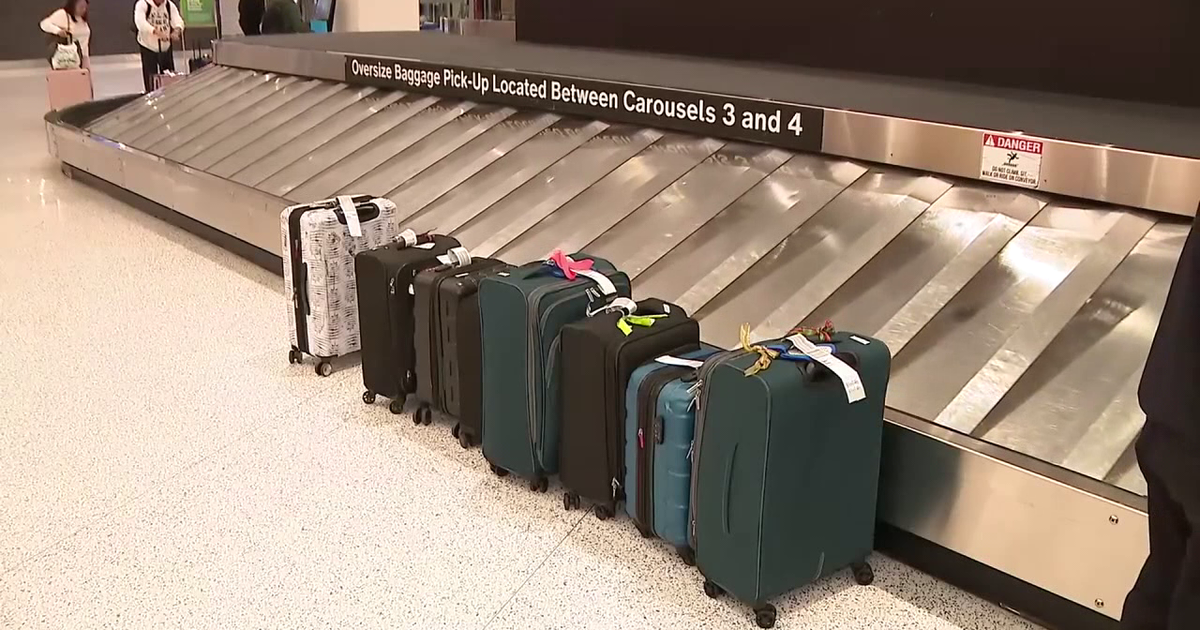
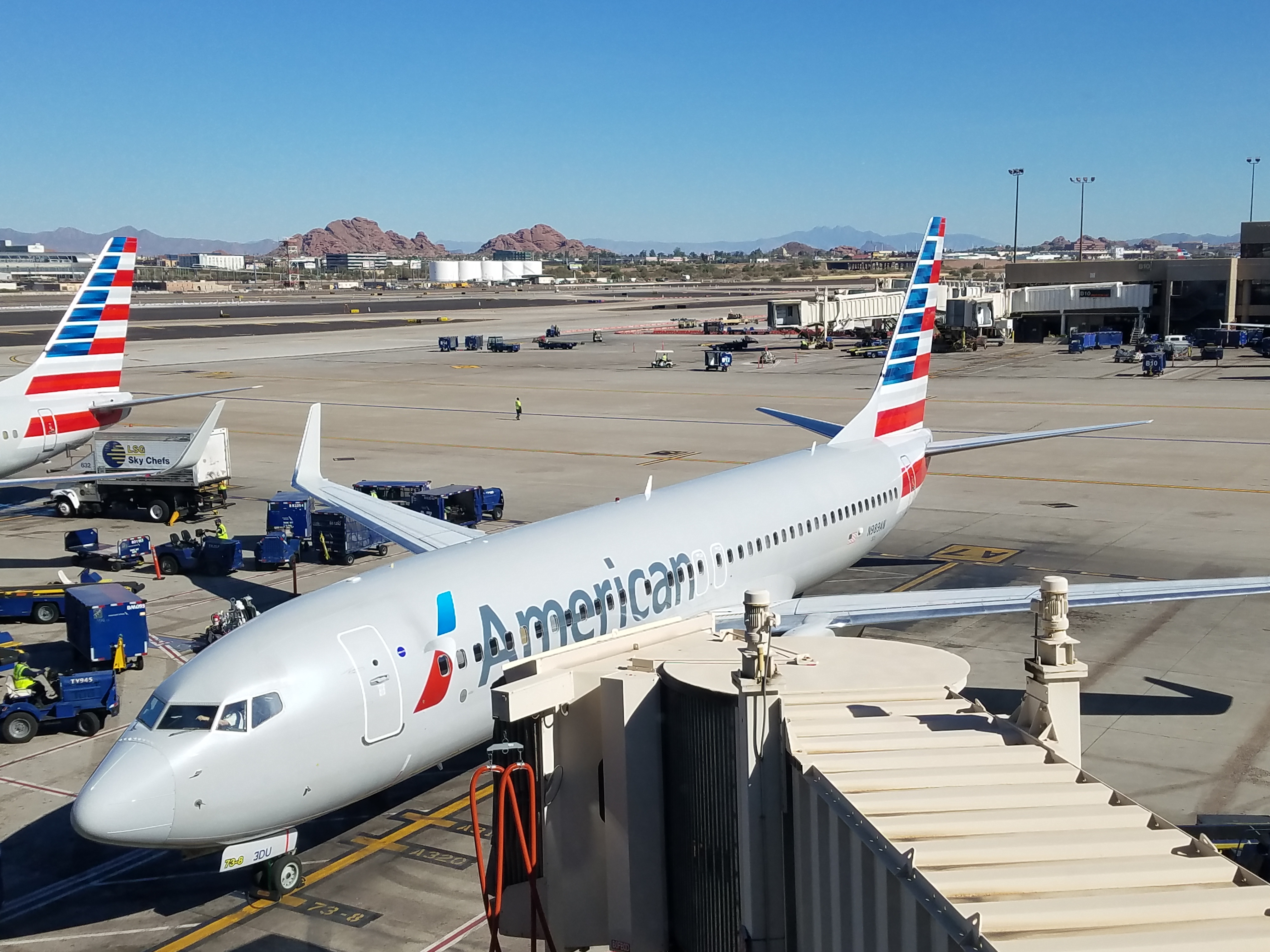
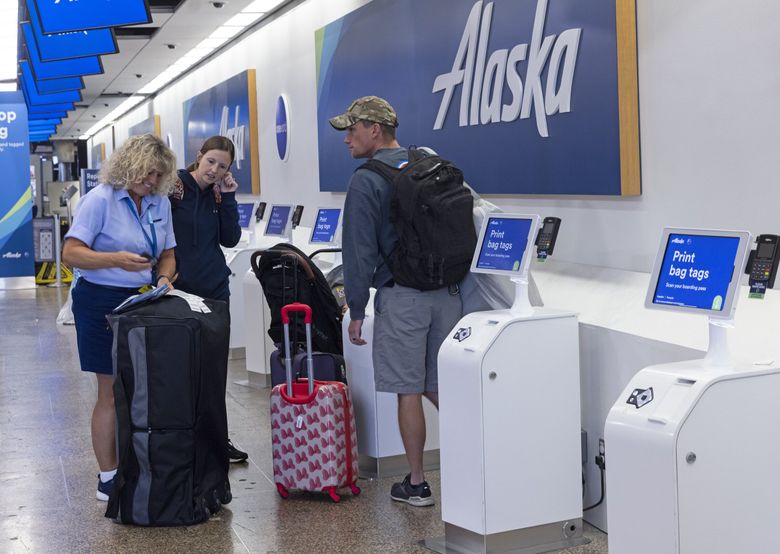
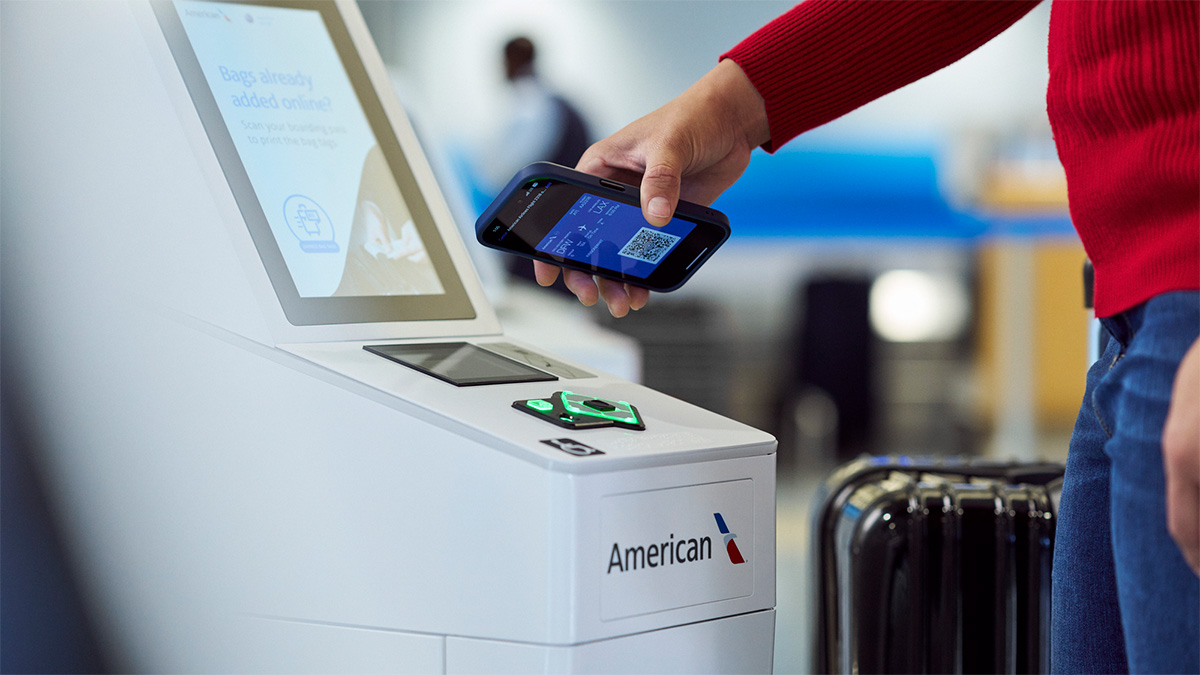
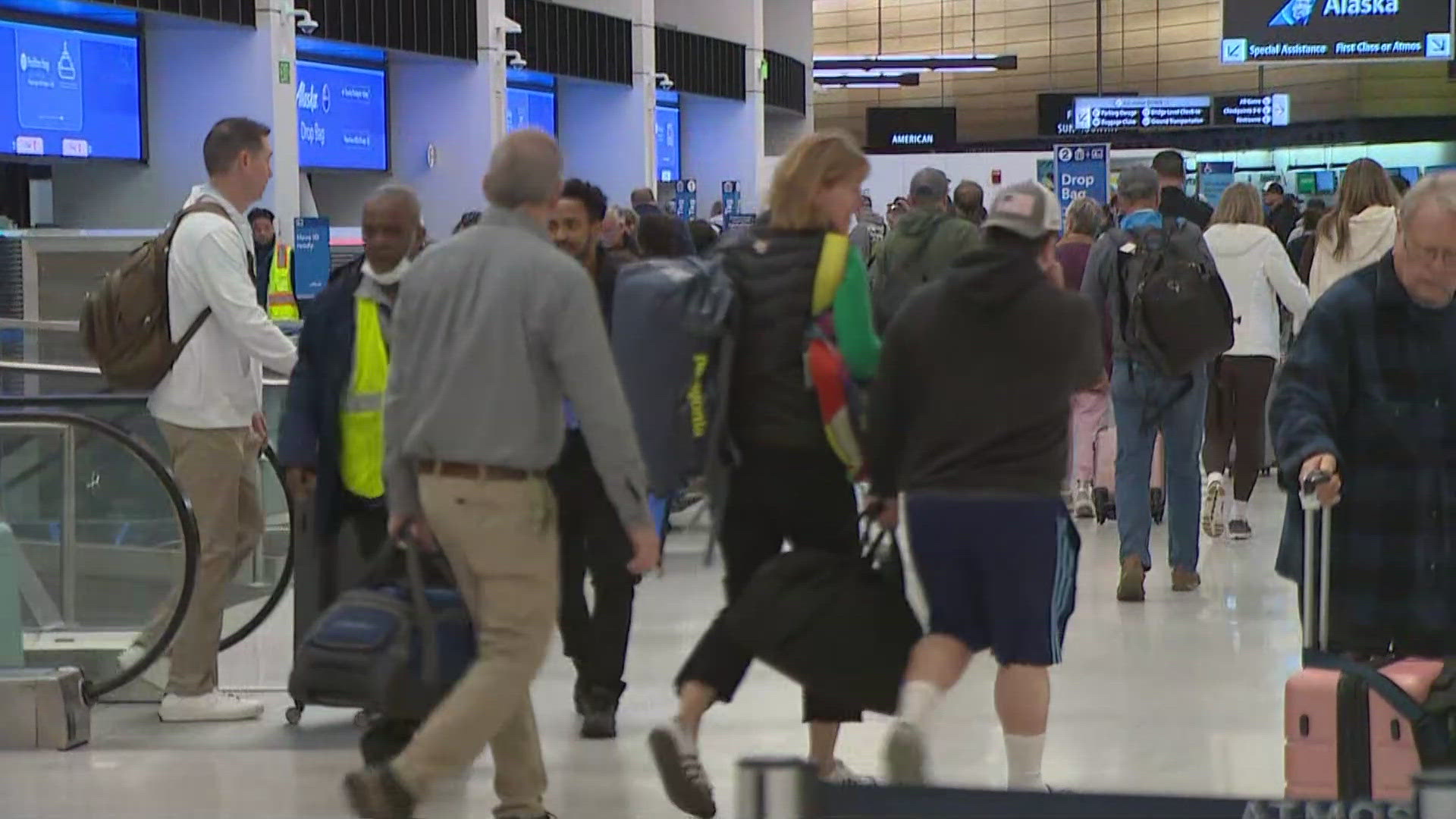
Major U.S. carriers including American Airlines, United, Delta, JetBlue, and Southwest are implementing significant baggage fee increases effective April 2025 through 2026, driven by escalating jet fuel costs stemming from Middle East geopolitical tensions. American Airlines increased first checked bag fees from $35 to $50 for domestic flights (effective April 9, 2025), with further increases to $55 for Basic Economy passengers starting May 18, 2025. South America routes face even steeper charges at $70 for Basic Economy first bags. Alaska and Hawaiian Airlines have announced parallel increases citing elevated fuel prices. This industry-wide trend represents a fundamental shift in airline revenue models with cascading implications for cross-border e-commerce sellers.
For e-commerce logistics, these passenger baggage fee increases signal underlying cost pressures that will directly impact air cargo pricing. Airlines historically use ancillary fees to offset operational costs while maintaining competitive base fares. The coordinated nature of increases across five major carriers suggests this represents a new pricing baseline rather than temporary adjustment. Sellers relying on expedited air freight for time-sensitive goods—particularly perishables, electronics, and fashion items—should anticipate 8-15% cost increases from logistics providers within Q2-Q3 2026. Regional sellers serving Hawaii and Alaska markets face compounded pressure, as these carriers represent primary air freight options for those routes. Third-party logistics (3PL) providers and freight forwarders utilizing these airlines will inevitably adjust service pricing, potentially raising fulfillment costs $200-400 monthly for sellers shipping 500+ units via air cargo.
Strategic implications extend beyond direct shipping costs to margin compression and pricing model recalculation. Sellers offering free shipping or including baggage fees in their pricing models must recalculate logistics expenses immediately. The $10-20 per-bag increase translates to 5-12% cost escalation for multi-unit shipments, directly impacting gross margins for sellers with thin profit margins (5-10% typical in electronics and apparel). Demand remains strong across business and leisure travel segments despite higher costs, indicating consumers will absorb price increases rather than reduce travel, but this resilience may not extend to e-commerce shipping. Sellers should monitor carrier announcements continuously, diversify logistics partnerships to reduce single-carrier dependency, and consider shifting 15-25% of inventory to ground-based 3PL networks for non-time-sensitive goods. The pattern of simultaneous increases across carriers suggests fuel price volatility will remain a persistent factor, making flexible logistics partnerships essential for maintaining competitive positioning through 2026.
Questions 8
How much will airline baggage fee increases impact my e-commerce shipping costs?
American Airlines increased first checked bag fees from $35 to $50 for domestic flights (April 9, 2025), with Basic Economy passengers paying $55 starting May 18, 2025. For sellers shipping multi-unit orders via air cargo, these increases translate to 8-15% cost escalation from logistics providers within Q2-Q3 2026. A seller shipping 500 units monthly via air freight could see fulfillment costs rise $200-400 monthly. The industry-wide nature of increases across United, Delta, JetBlue, and Southwest suggests this represents a permanent pricing baseline. Sellers should immediately audit their logistics partnerships and adjust pricing models to account for sustained higher air freight costs.
Which seller categories are most affected by airline fee increases?
Sellers in perishables, electronics, and fashion categories relying on expedited air cargo face the highest impact. Regional sellers serving Hawaii and Alaska markets experience compounded pressure since Alaska and Hawaiian Airlines represent primary freight options for those routes. Sellers offering free shipping or including baggage fees in pricing models must recalculate logistics expenses immediately. B2B logistics operations and third-party logistics (3PL) providers utilizing these airlines will adjust service pricing accordingly. Sellers with thin profit margins (5-10% typical in electronics/apparel) face the greatest margin compression risk from 8-15% cost increases.