




Crude Oil Price Divergence Threatens E-Commerce Logistics Costs | Seller Impact
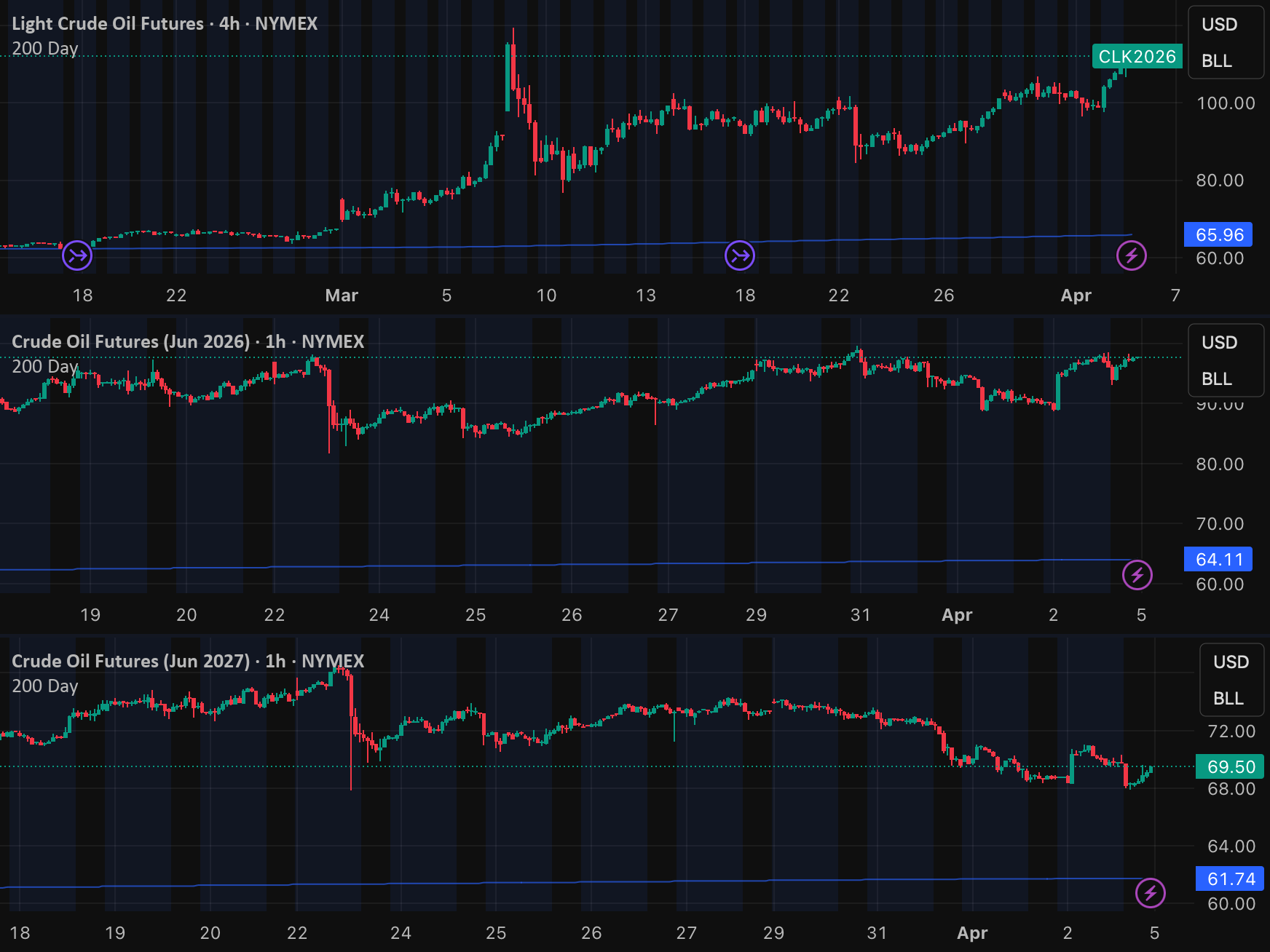
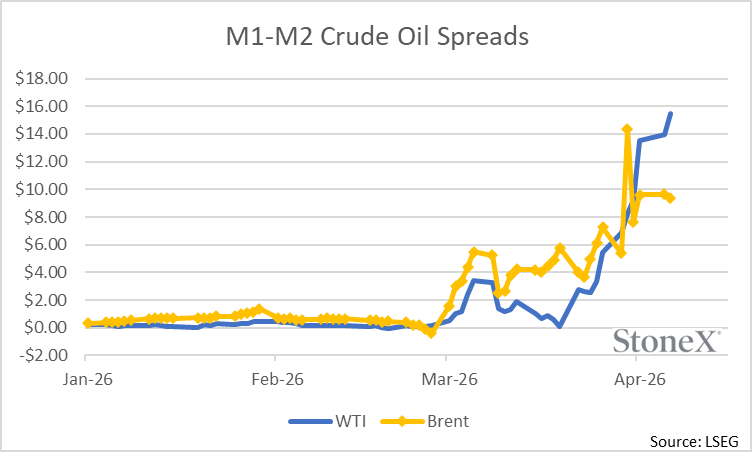
- Physical Brent crude at $144/barrel vs futures at $95-120 creates $24-49 per barrel arbitrage gap; Strait of Hormuz disruptions elevate shipping costs 8-15% for Asia-dependent sellers















Overview
The Critical Disconnect: Futures Markets Failing to Reflect Physical Oil Scarcity
A severe divergence between oil futures prices ($95-$120 per barrel) and physical Brent crude ($144/barrel) has emerged following unprecedented supply disruptions at the Strait of Hormuz, where Middle East producers have cut output by approximately 10 million barrels daily. This $24-49 per barrel gap represents a market failure where futures contracts—traditionally used for hedging—have become "useless for hedging physical barrels," according to analyst Vandana Hari. The disconnect stems from speculation about demand destruction, social media-driven sentiment swings, and policy volatility that has decoupled financial markets from physical supply realities.
Direct Impact on E-Commerce Seller Logistics Costs
For cross-border e-commerce sellers, this divergence creates immediate operational risks. While futures prices signal market stability and lower energy costs, physical fuel costs remain elevated, directly increasing transportation expenses for sellers relying on air freight, ocean shipping, and last-mile delivery. Import-dependent Asian nations implementing emergency rationing and "enormous logistic and supply issues" in crude and transport fuel markets mean sellers shipping from or to Asia face 8-15% higher logistics costs despite misleading futures signals. Sellers using 3PL providers and fulfillment networks in Asia-Pacific regions will see fuel surcharges applied to FBA shipments and international freight, compressing margins by $200-400 monthly for mid-sized sellers (1,000-5,000 monthly units). The forward curve's failure to reflect supply disruption magnitude means U.S. producers are discussing rig additions, signaling prolonged supply constraints and sustained elevated physical fuel costs through Q2 2025.
Working Capital and Cash Flow Implications
The pricing divergence creates a critical cash flow challenge: sellers cannot hedge physical shipping costs using futures contracts, forcing them to absorb elevated logistics expenses immediately. This impacts cash conversion cycles, particularly for sellers with 30-45 day payment terms from Amazon or eBay. Sellers should prioritize invoice financing and supply chain financing products that account for elevated logistics costs, as traditional working capital calculations based on historical fuel costs will underestimate actual cash requirements. The market failure also creates FX arbitrage opportunities for sellers with multi-currency exposure—the psychological impact of lower futures prices supporting equity markets may temporarily strengthen consumer currencies (EUR, GBP, JPY) against USD, allowing sellers to lock in favorable rates before physical supply constraints force currency repricing.
Questions 8
What immediate actions should I take to protect my business?
Within 7 days: Review your logistics contracts and identify fuel surcharge clauses—contact your 3PL provider to understand current and projected costs. Within 14 days: Lock in shipping rates for 60-90 day periods with fixed fuel components. Within 30 days: Apply for supply chain financing or invoice factoring to improve cash flow, accounting for 8-15% logistics cost increases. Monitor Strait of Hormuz shipping updates daily—if disruptions extend beyond Q2 2025, consider shifting 20-30% of inventory to regional fulfillment centers (EU, US, Asia) to reduce long-haul shipping exposure. Hedge FX exposure immediately if you have multi-currency operations.
How long will this oil price divergence persist?
Clayton Seigle from the Center for Strategic and International Studies notes that "many stakeholders have had a distorted (benign) view of the disruption." Supply constraints will likely persist through Q2 2025 as U.S. producers discuss rig additions—a 12-18 month process. The futures market's failure to reflect supply magnitude suggests physical prices will remain elevated ($130-150/barrel) for at least 6 months. Plan logistics budgets assuming 8-12% elevated costs through mid-2025. Monitor ceasefire negotiations closely—any resolution could rapidly repricing both futures and physical markets, creating a 2-3 week window for margin recovery.