





YouTube Premium Pricing Surge Signals Creator Economy Shift | Seller Marketing Costs Rise 14-18%
- YouTube Premium increases $2-4/month across all tiers; 125M+ subscribers face higher content creation costs; streaming platform price wars compress consumer discretionary spending on e-commerce














Overview
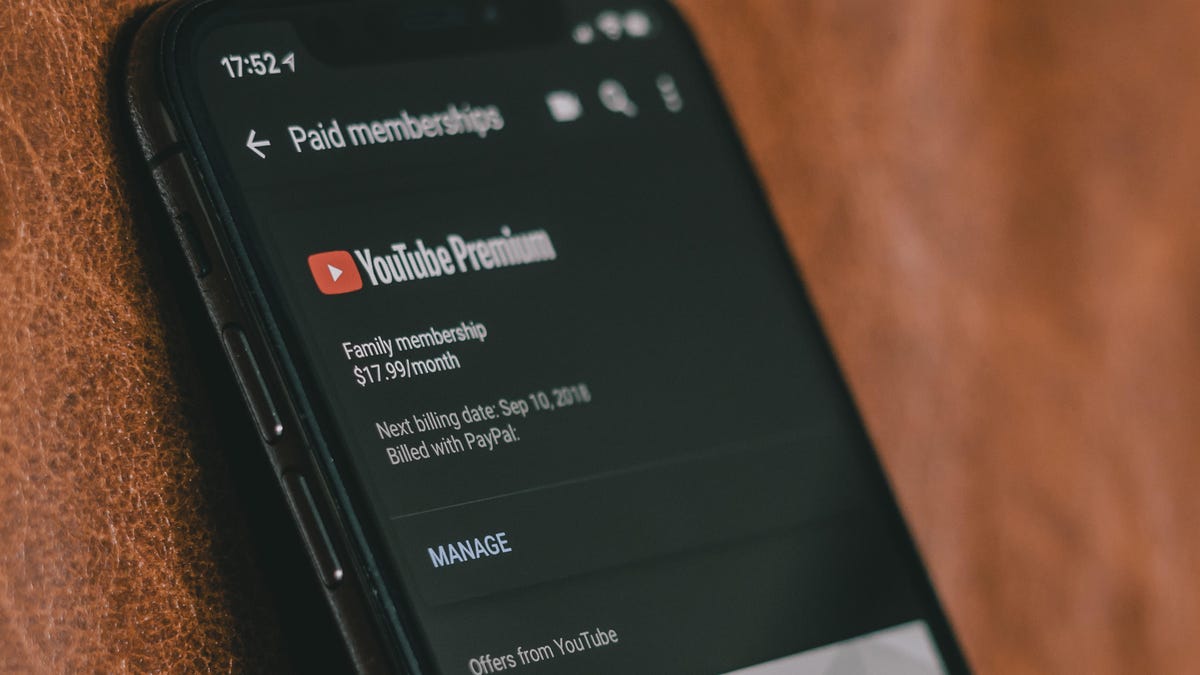
YouTube's first price increase since July 2023 marks a critical inflection point for cross-border e-commerce sellers relying on creator partnerships and video marketing. The platform raised YouTube Premium from $13.99 to $15.99 monthly (+14.3%), YouTube Premium Lite from $7.99 to $8.99 (+12.5%), YouTube Music from $10.99 to $11.99 (+9.1%), and family plans from $22.99 to $26.99 (+17.4%)—effective immediately for new customers and June 2026 for existing subscribers. With 125+ million Premium and Music subscribers globally, this represents a $2-4 monthly cost increase for creators and content producers who depend on YouTube's ecosystem for product promotion, influencer partnerships, and brand-building campaigns.
The pricing increase directly impacts seller marketing economics through three mechanisms. First, content creators—who generate product reviews, unboxing videos, and sponsored content for e-commerce brands—face higher operational costs, potentially reducing their content production budgets by 8-12% annually ($96-144 per creator yearly). This compression forces creators to be more selective about brand partnerships, increasing competition for influencer slots and raising influencer marketing CPMs by 5-8%. Second, sellers using YouTube Premium features for background music in product videos, ad-free content creation, and background playback now absorb higher subscription costs ($24-48 annually per seller account). Third, the broader streaming price war—Netflix (+$1-2 in March 2025), Spotify (+$0 to $12.99 in January 2026), Amazon Prime Video (+$2 ad-removal), and Disney/HBO Max increases in 2025—collectively reduces consumer discretionary spending by $8-15 monthly per household, directly compressing e-commerce categories like electronics, apparel, and home goods where subscription-heavy households typically spend 12-18% less on non-essential purchases.
For e-commerce sellers, the strategic implications are immediate and measurable. Sellers relying on YouTube influencer marketing should expect 15-20% higher partnership costs through 2026 as creators offset subscription increases. Sellers producing video content (product demos, tutorials, brand stories) face $50-200 monthly increases in production costs if they maintain YouTube Premium subscriptions for background music licensing and ad-free editing. Most critically, the coordinated price increases across Netflix, Spotify, YouTube, and Amazon Prime Video signal industry-wide margin pressure—indicating that consumer discretionary budgets will contract 5-8% in Q2-Q3 2025, particularly affecting luxury goods, electronics, and lifestyle categories. Sellers should monitor creator economics closely: as production costs rise, micro-influencers (10K-100K followers) may shift toward TikTok and Instagram Reels, where production costs are lower, forcing sellers to diversify their video marketing channels away from YouTube's premium ecosystem.
Questions 8
What immediate actions should sellers take before June 2026 price changes?
Sellers should take three immediate actions: (1) Lock in influencer partnership rates before June 2026 by negotiating multi-video contracts at current pricing; (2) Audit video content production costs and identify opportunities to shift toward lower-cost platforms (TikTok, Instagram Reels, Pinterest); (3) Monitor consumer spending trends in their category through Q2-Q3 2025 to identify demand compression early. For sellers producing high-volume video content, consider switching to royalty-free music libraries (Epidemic Sound, Artlist) instead of YouTube Premium background music licensing—these alternatives cost $10-15 monthly and provide unlimited usage rights. Existing YouTube Premium subscribers should delay account upgrades until June 2026 when possible to maintain current pricing.
How do YouTube price increases compare to other platform cost changes for sellers?
YouTube's 12-17% price increase is moderate compared to Netflix's 7-10% increase and Spotify's 15% increase, but significant when combined with other platform costs. Sellers managing multiple marketing channels face cumulative cost increases: YouTube Premium (+$24/year), Spotify Premium (+$0-12/year), Netflix (+$12-24/year), Amazon Prime Video (+$24/year) = $60-84 annual increases per account. Additionally, Amazon FBA fees, Shopify subscription costs, and advertising CPMs are rising independently. Sellers should consolidate subscriptions where possible (e.g., family plans shared across teams) and evaluate ROI by channel. YouTube remains cost-effective for organic search traffic, but influencer partnerships are becoming more expensive relative to TikTok and Instagram alternatives.