




YouTube Premium Pricing Surge Reshapes Creator Economics | Seller Marketing Costs Rise 14-18%
- YouTube Premium jumps $2/month to $15.99; family plan +$4 to $26.99; 125M+ subscribers face higher content production budgets affecting influencer partnerships and product video marketing costs for e-commerce sellers
























Overview
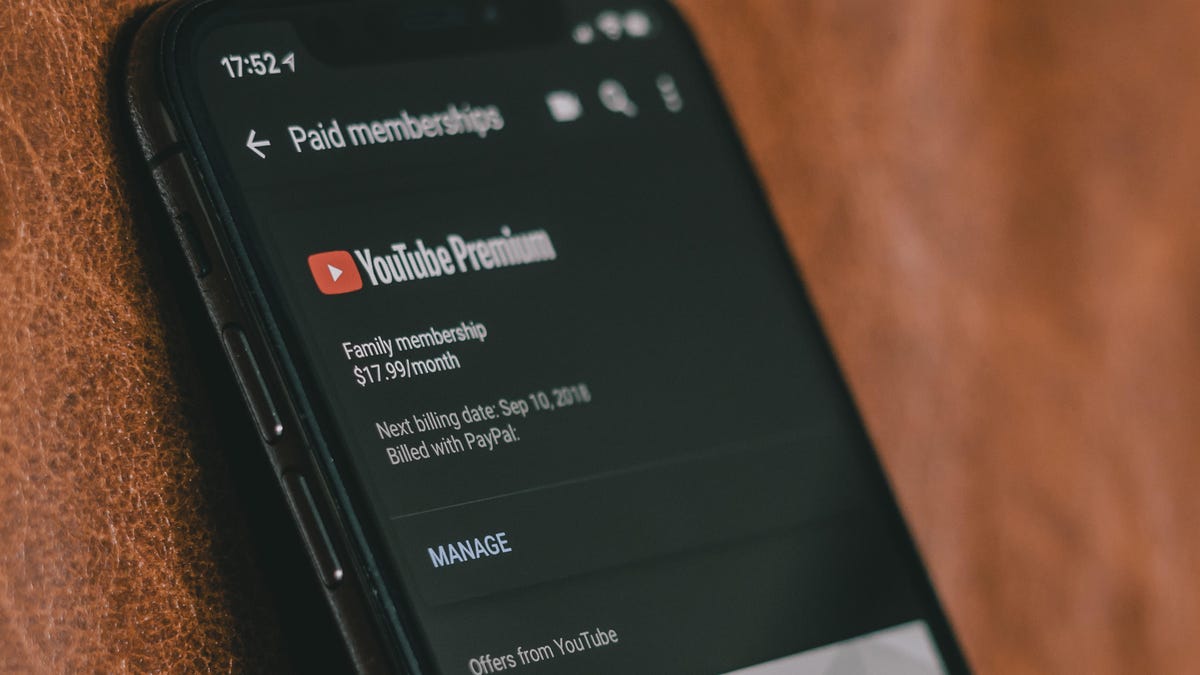
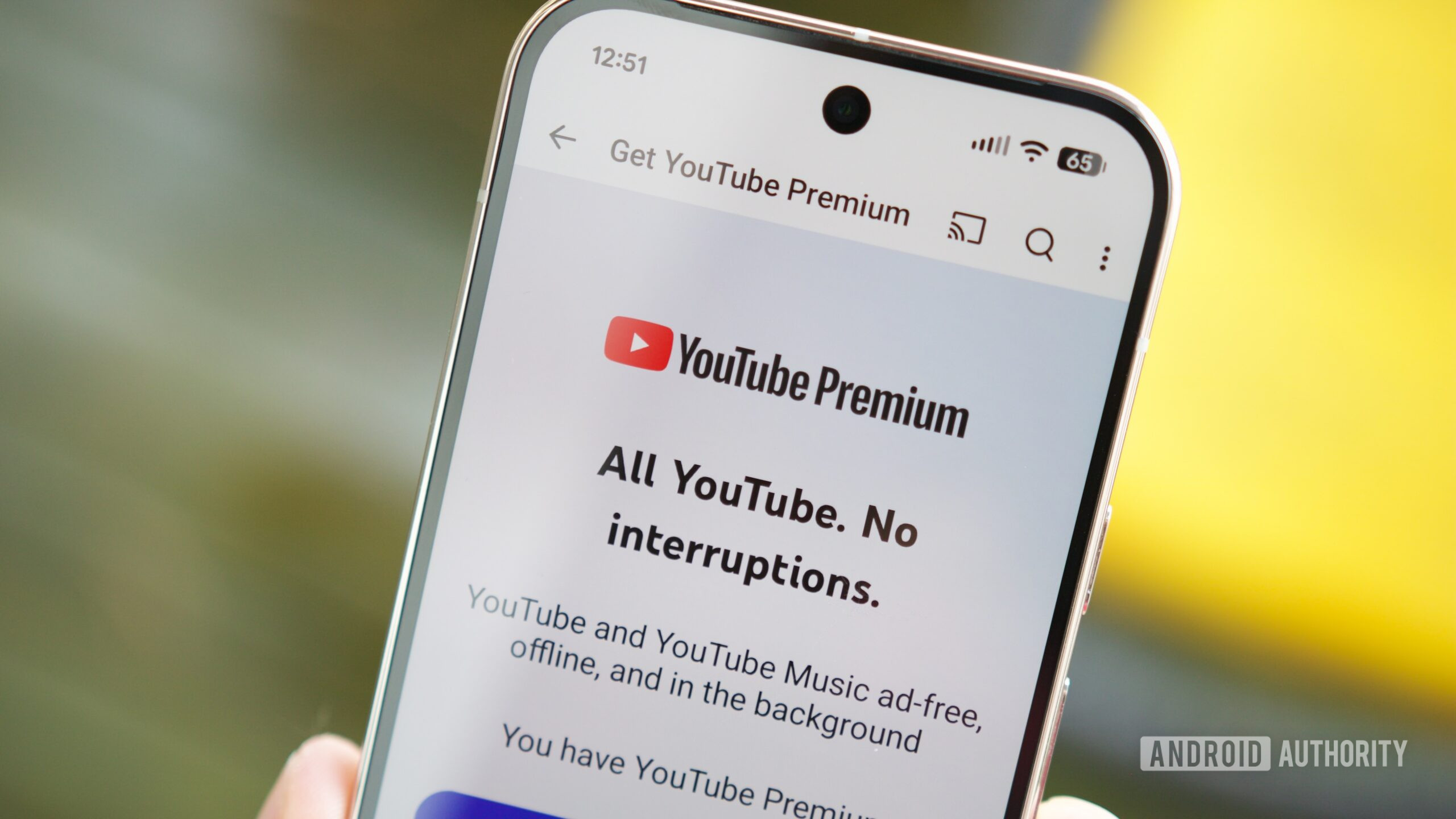
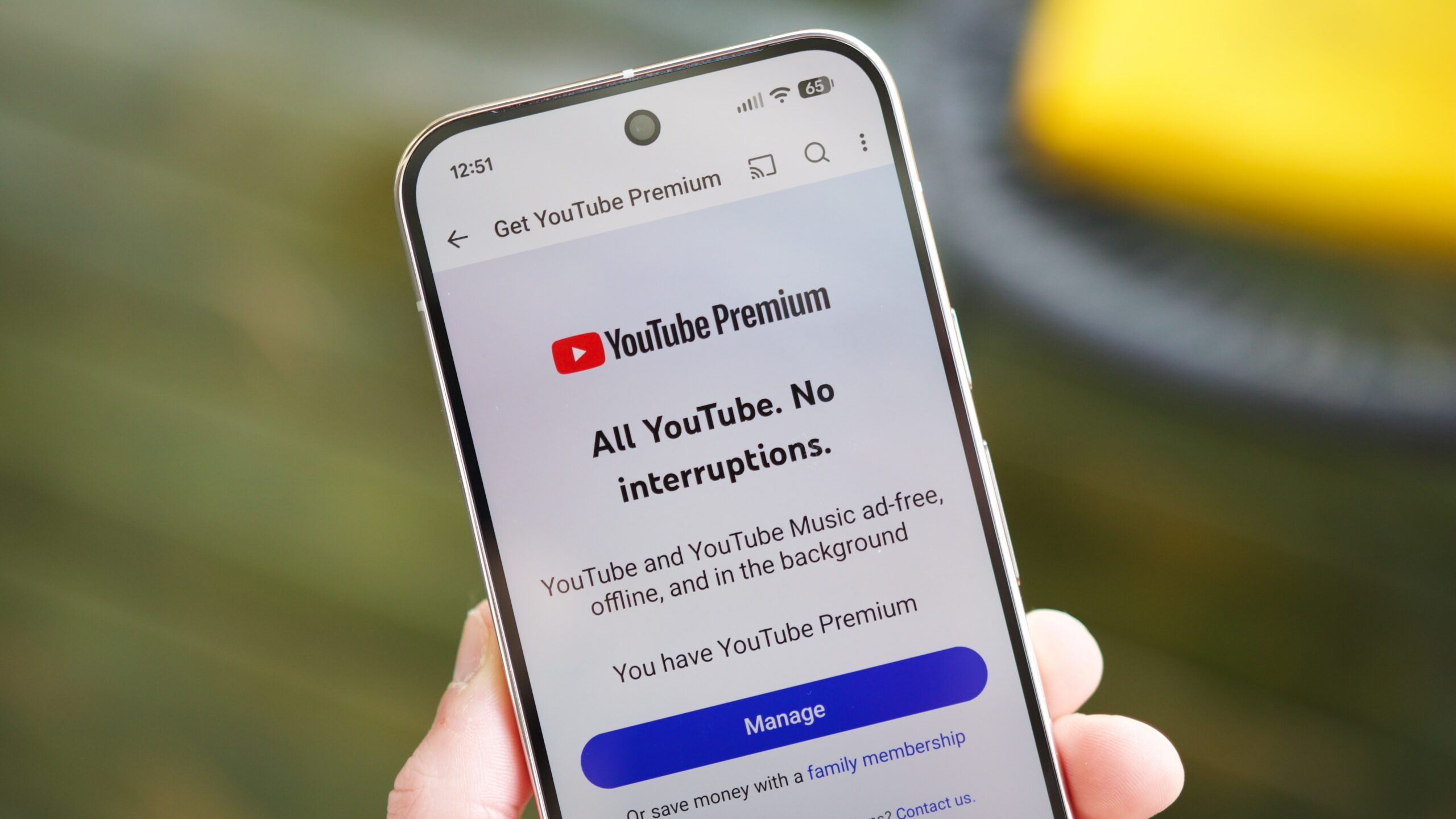
YouTube's first price increase since July 2023 signals a critical shift in creator economics that directly impacts e-commerce seller marketing strategies. The platform announced immediate price increases for new subscribers, with existing customers transitioning to new rates by June 2026: YouTube Premium individual plan rises from $13.99 to $15.99 monthly (+14.3%), the family plan jumps from $22.99 to $26.99 (+17.4%), YouTube Music increases from $10.99 to $11.99 (+9.1%), and the newly introduced YouTube Premium Lite tier rises from $7.99 to $8.99 (+12.5%). With 125+ million Premium and Music subscribers globally, this represents a fundamental restructuring of creator funding models that cascades through influencer partnerships, product video production, and brand collaboration budgets.
For cross-border e-commerce sellers, the pricing surge creates a dual-impact scenario on marketing economics. First, creator acquisition costs will rise as influencers and content producers face higher platform subscription expenses, potentially increasing their minimum sponsorship rates by 8-12% to maintain profit margins. Sellers relying on YouTube for product demonstrations, unboxing videos, and influencer partnerships should expect negotiation pressure from creators seeking higher compensation. Second, consumer discretionary spending compression from subscription fatigue will reduce purchasing power in non-essential categories. The coordinated price increases across Netflix (+$1-2 in March 2025), Amazon Prime Video (+$2 ad-removal cost), and Spotify (+$0.99 to $12.99 in January 2026) indicate consumers face $8-15 monthly increases across major platforms—directly competing with e-commerce budgets for fashion, electronics, and lifestyle products.
The strategic opportunity lies in content arbitrage and audience targeting optimization. Sellers should immediately audit YouTube advertising spend efficiency, as CPM rates may decline 5-8% as platform usage drops among price-sensitive segments (Gen Z, budget-conscious households). Simultaneously, the family plan increase (+17.4%) creates a targeting opportunity: households upgrading to family plans demonstrate higher household income and willingness to pay premium prices, making them ideal audiences for mid-to-premium product categories (electronics, home goods, fitness equipment). Sellers producing YouTube content should shift toward YouTube Shorts and free-tier content strategies, as Premium subscribers represent only 8-10% of total YouTube users but consume 40%+ of long-form content. The introduction of YouTube Premium Lite ($8.99) as a mostly ad-free tier creates a new audience segment—price-sensitive but ad-averse—that represents untapped potential for targeted YouTube Shopping campaigns and product feed optimization.
Questions 8
How will YouTube advertising CPM rates change after the price increase?
YouTube CPM rates will likely decline 5-8% in Q2-Q3 2026 as price-sensitive users reduce platform engagement and Premium subscriber growth slows. Lower engagement typically reduces advertiser demand and CPM pricing. However, family plan subscribers (higher income, premium product interest) will command 10-15% higher CPM premiums due to audience quality. Sellers should expect: standard YouTube ads to decline from $4-8 CPM to $3.50-7.50 CPM; YouTube Shopping campaigns to maintain $6-10 CPM due to high purchase intent; YouTube Shorts to remain $2-4 CPM (lower quality). Capitalize on lower CPM rates by increasing YouTube ad spend 15-20% in Q2 2026 to capture market share from competitors reducing budgets.
What are the best practices for product video marketing on YouTube in 2025-2026?
Focus on three content formats optimized for post-price-increase engagement: (1) YouTube Shorts (15-60 seconds)—highest ROI for product launches, unboxing, and lifestyle integration; target free-tier users with 40-50% lower production costs. (2) YouTube Shopping integration—embed product feeds directly in video descriptions; Premium Lite users actively seek product information without ads. (3) Community posts—free engagement tool for Premium subscribers; use for product announcements, polls, and behind-the-scenes content. Avoid long-form product demonstrations (10+ minutes) unless targeting niche audiences; instead, create 3-5 minute product overview videos optimized for YouTube's algorithm. Include YouTube Shopping links in all video descriptions; Premium Lite and free-tier users show 2x higher click-through rates on product links compared to Premium subscribers.