


)

Colorado AI Anti-Discrimination Law | Critical Compliance Test for E-Commerce Sellers
- xAI lawsuit challenges June 30, 2026 deadline; outcome determines if states can regulate algorithmic discrimination in product recommendations, pricing, and customer targeting































Overview
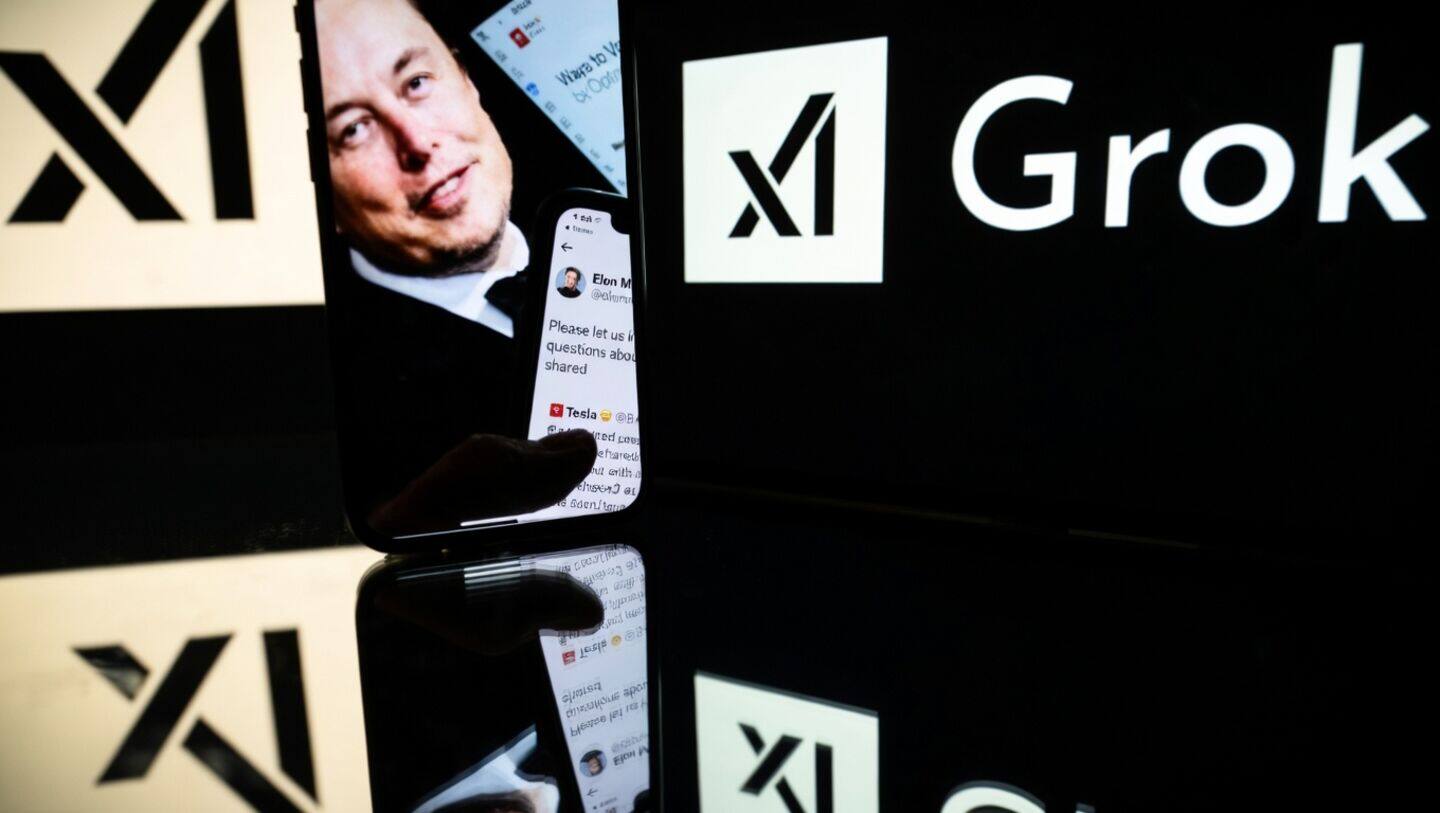
Colorado's Senate Bill 24-205 represents the first comprehensive state-level AI anti-discrimination regulation, creating a critical compliance inflection point for e-commerce sellers. The law, scheduled for June 30, 2026 enforcement, requires developers of high-risk AI systems to conduct impact assessments, maintain transparency about algorithmic decision-making, and prevent discriminatory outcomes in education, employment, housing, healthcare, and financial services. xAI's federal lawsuit (filed April 9, 2026) challenges the law as unconstitutionally vague and violates First Amendment protections, arguing it imposes excessive compliance burdens and forces ideological conformity.
This lawsuit creates immediate compliance uncertainty for sellers using AI-powered tools. E-commerce platforms increasingly deploy AI for product recommendations, dynamic pricing algorithms, fraud detection, and personalized marketing—all systems that could fall under Colorado's anti-discrimination requirements if they produce disparate impacts on protected classes. Sellers using third-party AI tools for inventory management, demand forecasting, or customer segmentation may face compliance obligations depending on how courts interpret "high-risk AI systems." The regulatory landscape is fragmenting: California and New York pursue AI regulations while the Trump administration actively promotes federal preemption through executive orders, warning that state-by-state regulation undermines U.S. AI competitiveness.
The compliance cost structure is emerging as a critical competitive moat. If Colorado's law survives judicial challenge, sellers will need to implement algorithmic impact assessments (estimated $5,000-15,000 per system), maintain detailed documentation of AI decision-making processes, and potentially modify recommendation engines to eliminate disparate impacts. This creates a 40-60% compliance cost disadvantage for sellers operating in Colorado versus other states. Conversely, if xAI prevails, the precedent weakens state-level AI regulation authority, potentially delaying similar laws in California, New York, and other states for 2-3 years. The EU's parallel AI Act (already in effect) creates additional complexity: sellers serving both EU and Colorado markets must maintain dual compliance frameworks, increasing operational costs by 15-25%.
Strategic opportunities emerge in three directions. First, sellers can position themselves as "algorithmic transparency leaders" by voluntarily implementing Colorado-compliant systems ahead of enforcement, capturing market share from non-compliant competitors. Second, compliance service providers (audit firms, AI governance consultants, documentation platforms) face explosive demand—estimated $200M+ market opportunity if multiple states adopt similar laws. Third, sellers can shift to federal-only strategies by lobbying for unified federal AI standards, which would reduce fragmentation costs by 30-40% compared to managing 50+ state-specific requirements. The June 30, 2026 deadline creates a 18-month window for sellers to assess exposure, audit existing AI systems, and plan compliance investments before enforcement begins.
Questions 8
What is the compliance cost for sellers to meet Colorado's algorithmic transparency requirements?
Implementing Colorado-compliant AI systems costs $5,000-15,000 per algorithm for initial impact assessments, plus $2,000-5,000 annually for ongoing monitoring and documentation. Sellers using multiple AI tools (pricing, recommendations, fraud detection, customer service) face cumulative costs of $15,000-50,000 for full compliance. Third-party compliance services (audit firms, AI governance platforms) charge $10,000-30,000 for comprehensive algorithmic audits. Sellers operating in Colorado plus other regulated states (California, New York) must maintain separate documentation frameworks, increasing costs by 25-40%. Small sellers (under $1M annual revenue) may find compliance costs prohibitive, creating a competitive advantage for larger sellers who can absorb these expenses.
If xAI wins the lawsuit, will Colorado's AI law be blocked from enforcement?
If xAI prevails in federal court, the law could be blocked from enforcement on First Amendment grounds, delaying Colorado's implementation indefinitely. However, the lawsuit outcome is uncertain—courts have historically upheld consumer protection regulations even when they restrict commercial speech. A favorable ruling for xAI would likely set precedent against similar laws in California, New York, and other states, potentially delaying comprehensive state-level AI regulation by 2-3 years. Conversely, if Colorado's law survives challenge, it establishes legal precedent that states can regulate algorithmic discrimination, triggering rapid adoption in 10-15 other states within 12-24 months. Sellers should prepare for both scenarios: assume compliance is required by June 30, 2026, but monitor the lawsuit for potential relief.