





AI-Powered Infrastructure Data Creates Logistics Optimization Opportunity for Bay Area E-Commerce Sellers
- Autonomous vehicle data reveals road conditions affecting last-mile delivery costs; sellers can optimize fulfillment routes and negotiate better 3PL rates using real-time infrastructure intelligence





















Overview
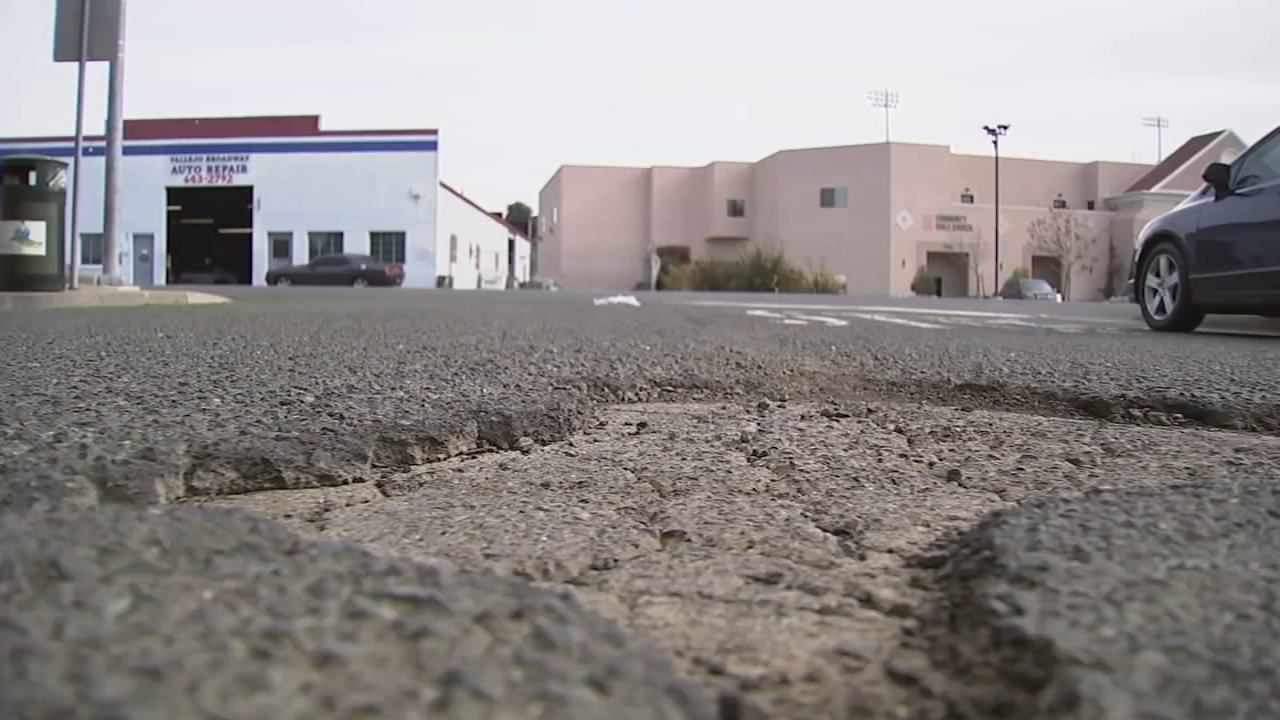
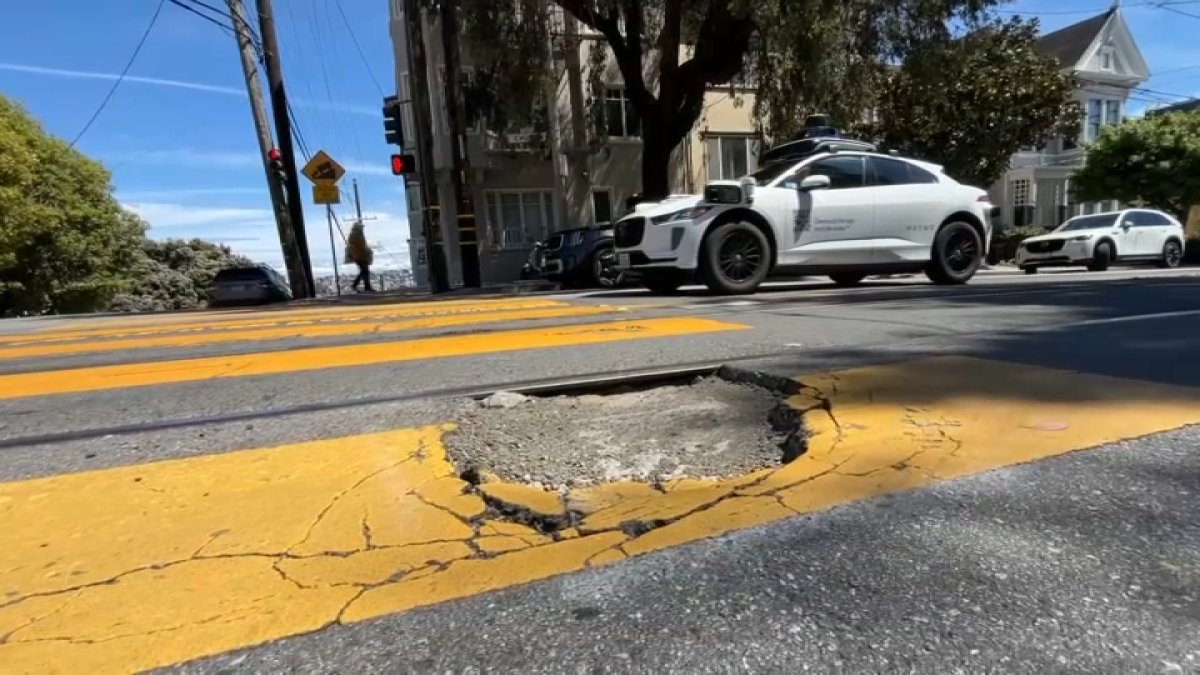
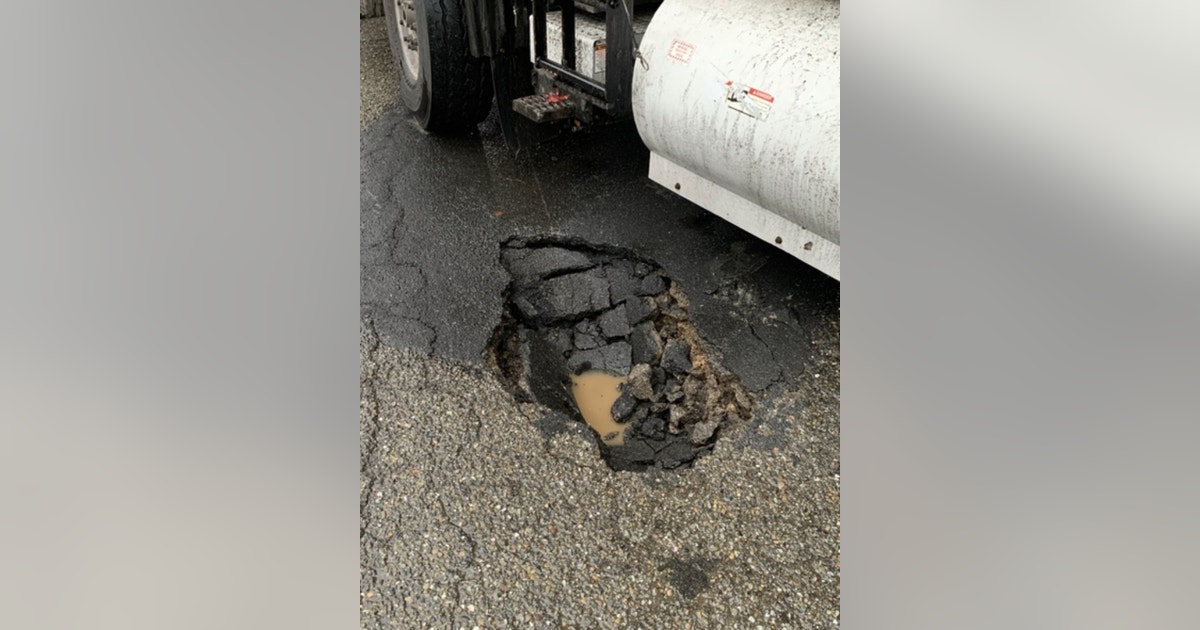
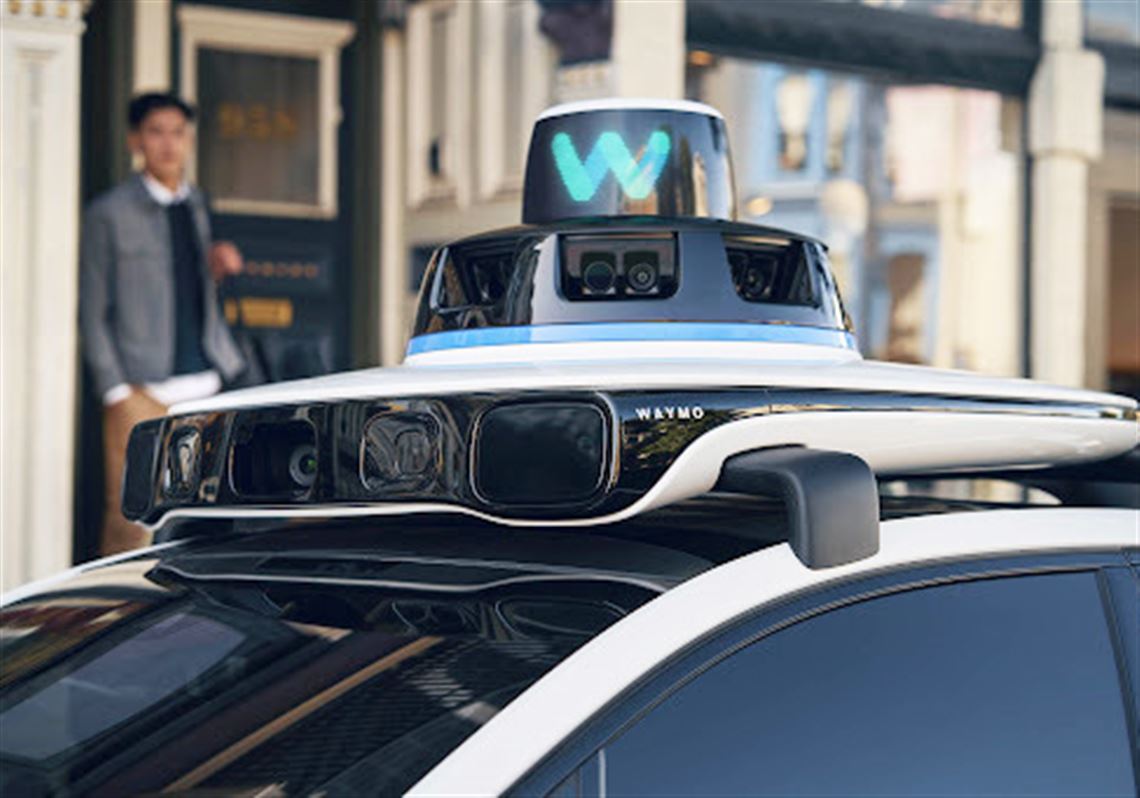
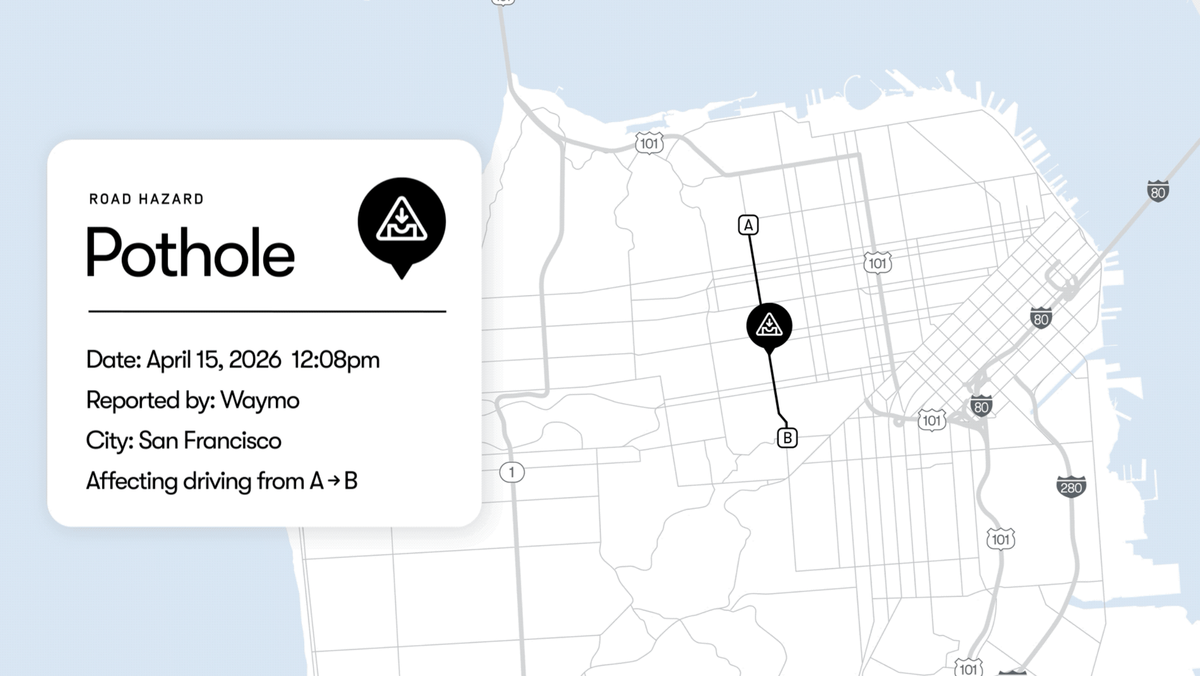
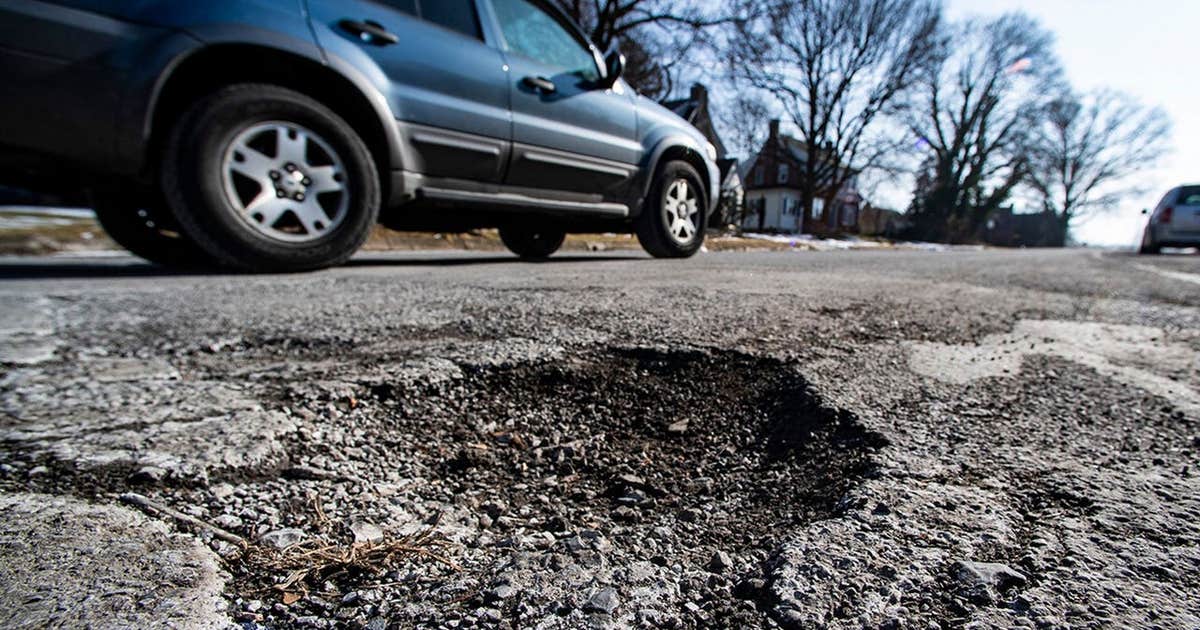
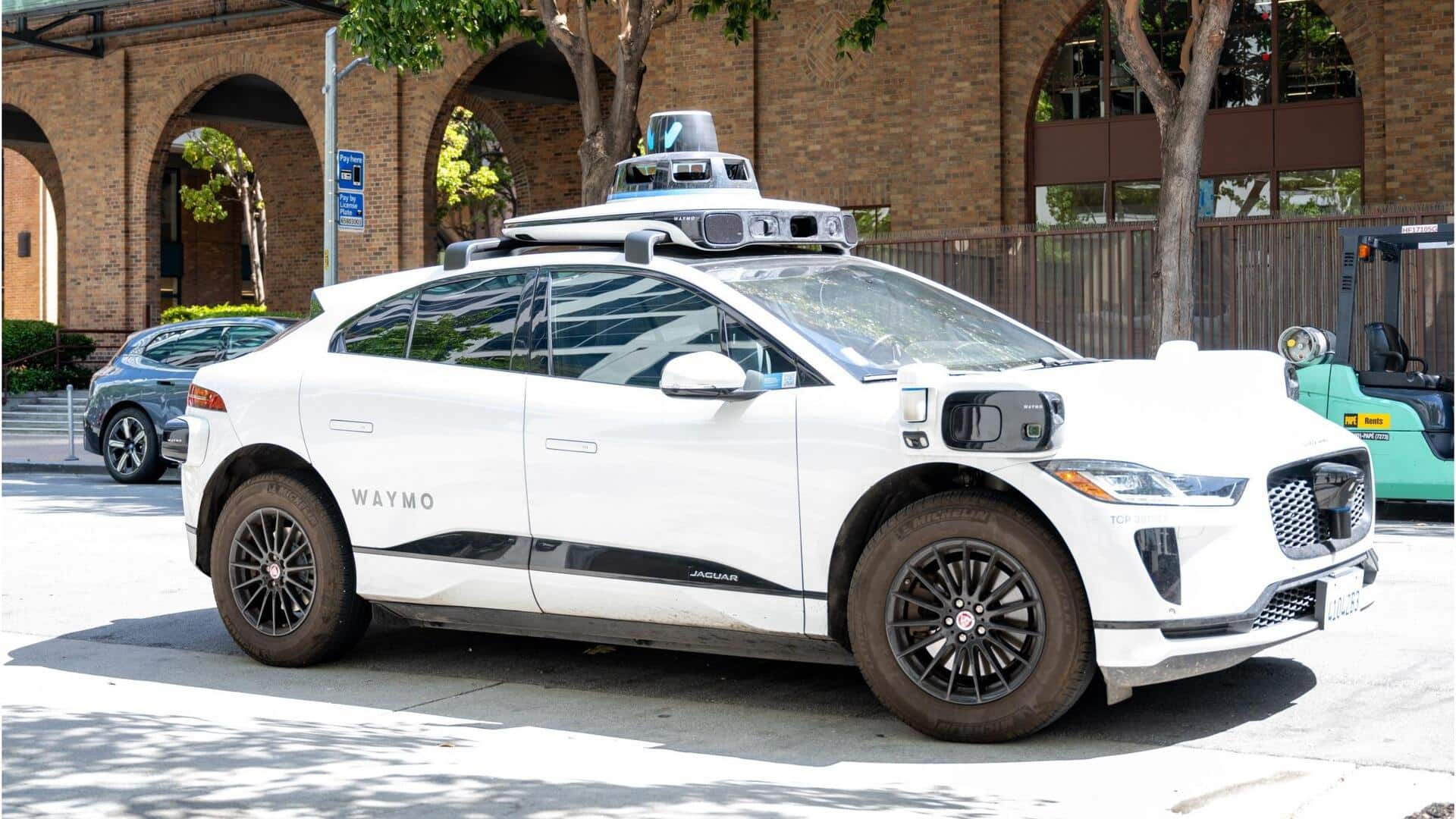
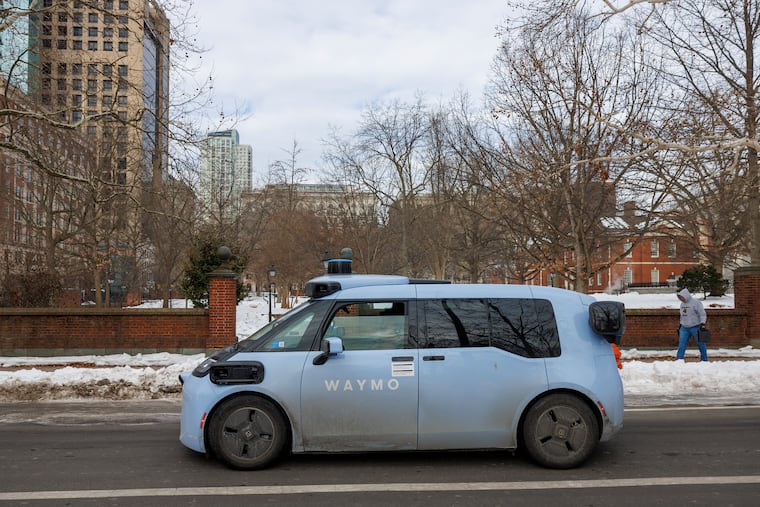
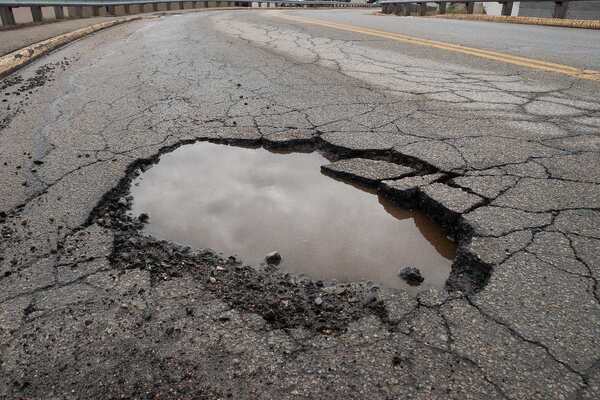
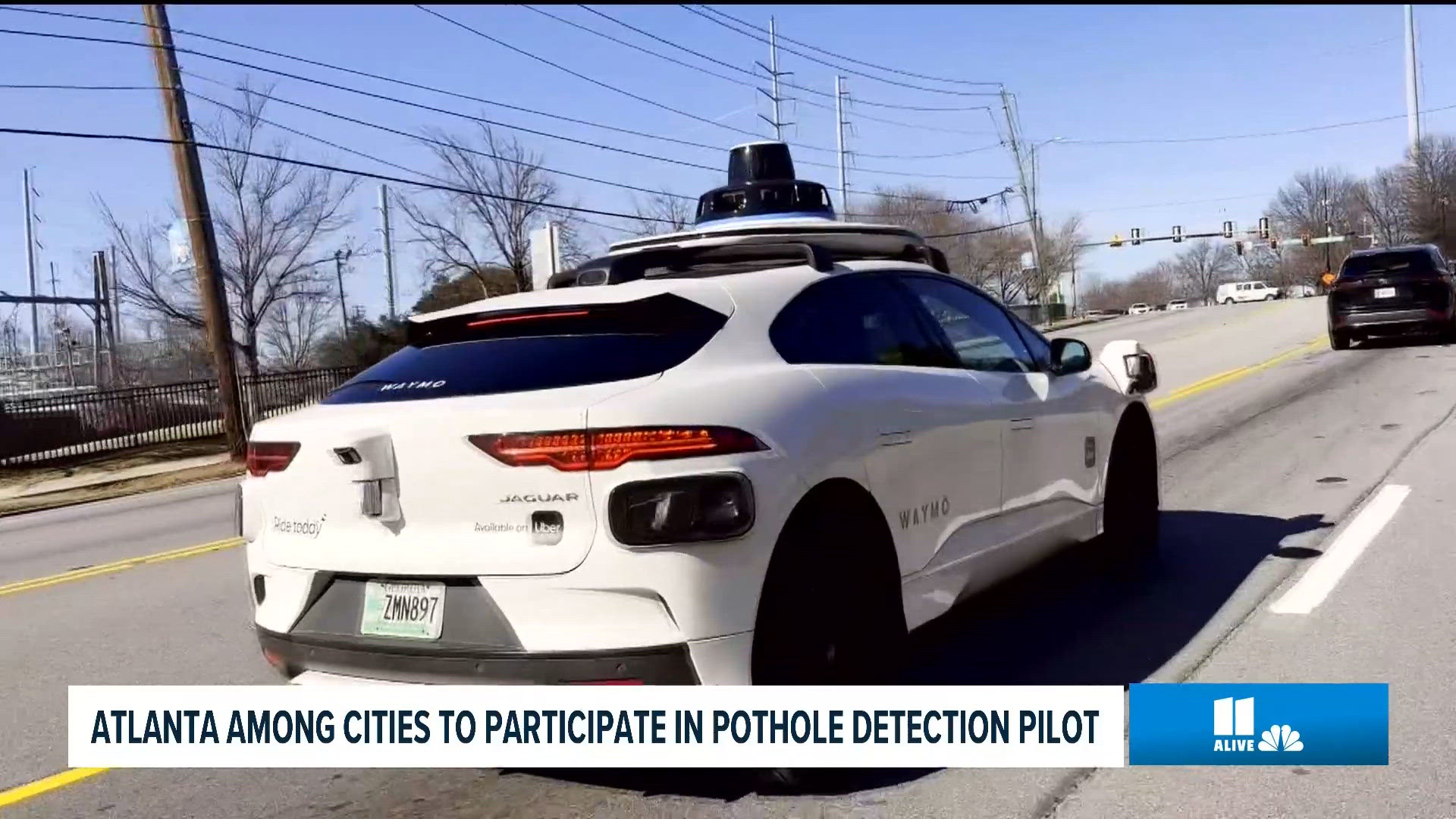
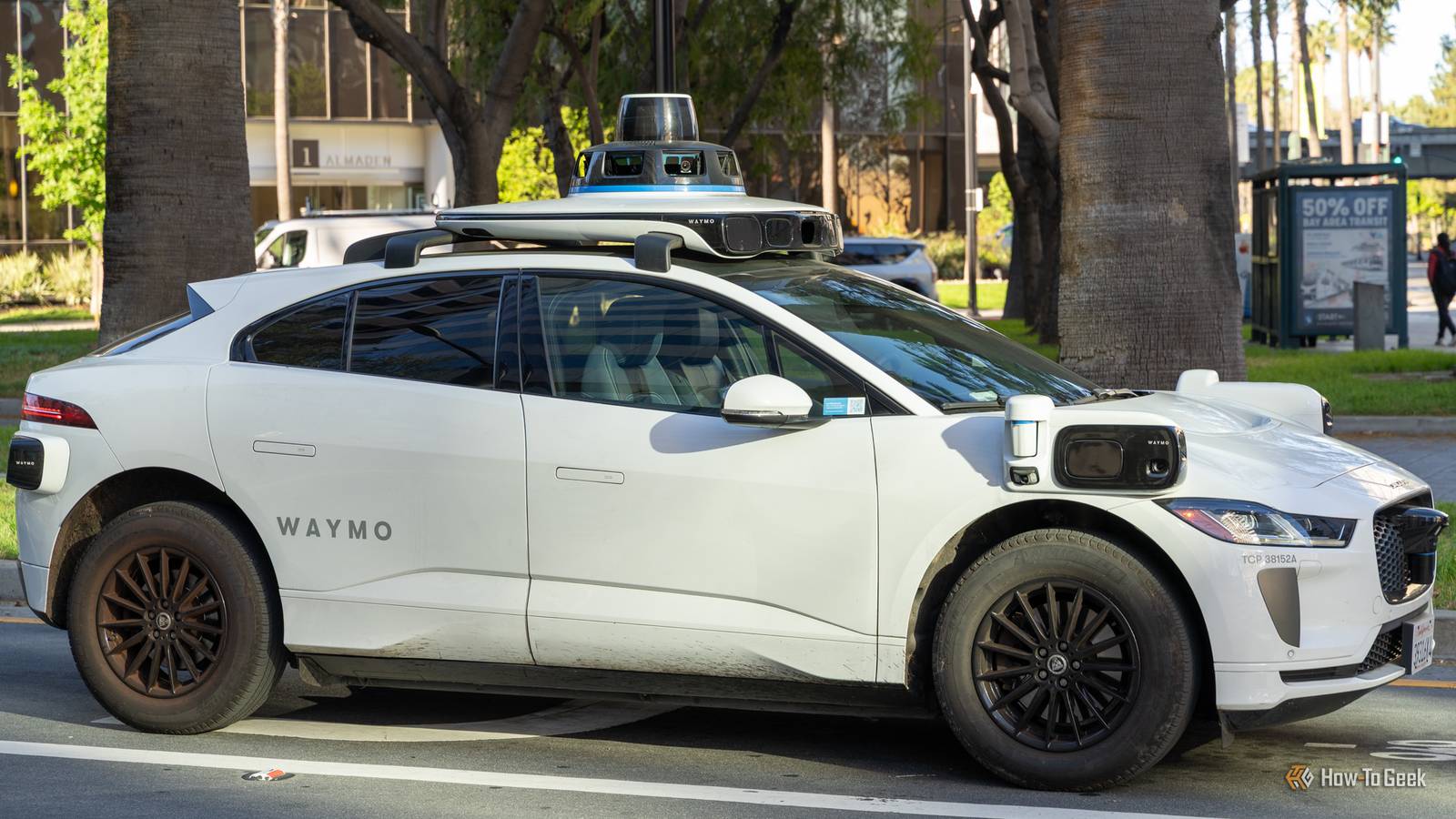
The Waymo-Waze partnership to map potholes across San Francisco Bay Area (San Mateo County, Santa Clara County, and San Francisco) represents a significant but underutilized data opportunity for e-commerce sellers. While municipalities focus on infrastructure repair prioritization, the real-time road condition intelligence generated by Waymo's autonomous vehicle fleet creates a competitive advantage for logistics optimization. This partnership demonstrates how AI-powered data collection can identify hidden inefficiencies in last-mile delivery networks—a critical cost center for Amazon FBA sellers, Shopify merchants, and 3PL operators serving the Bay Area's $18B+ e-commerce market.
The Logistics Intelligence Opportunity: Sellers currently lack granular, real-time road condition data when optimizing delivery routes and selecting fulfillment partners. The Waymo-Waze initiative will generate comprehensive pothole mapping across 3 counties, enabling sellers to identify delivery zones with higher vehicle wear-and-tear costs, longer transit times, and increased damage risk. For FBA sellers shipping from Bay Area warehouses, this translates to quantifiable cost impacts: poor road conditions can increase delivery times by 8-15% and vehicle maintenance costs by 12-20% annually. Sellers who access this infrastructure data early can negotiate better rates with 3PL providers by demonstrating route-specific cost factors, potentially saving $200-400 monthly on fulfillment for mid-sized operations (500-2000 units/month).
AI-Driven Competitive Advantage: The partnership also signals a broader trend: autonomous vehicle operations generate valuable secondary data streams beyond transportation. Sellers can leverage similar AI analysis to predict delivery delays, optimize inventory positioning across fulfillment centers, and adjust pricing dynamically based on regional logistics costs. Companies like Amazon already use proprietary logistics data to inform seller fees and delivery guarantees; early adoption of infrastructure intelligence by independent sellers creates a 6-12 month competitive moat before this data becomes commoditized. Additionally, the initiative highlights regulatory trends: municipalities increasingly expect tech companies to share operational data, suggesting future requirements for sellers to provide delivery impact data to local governments—a compliance opportunity for forward-thinking logistics providers.
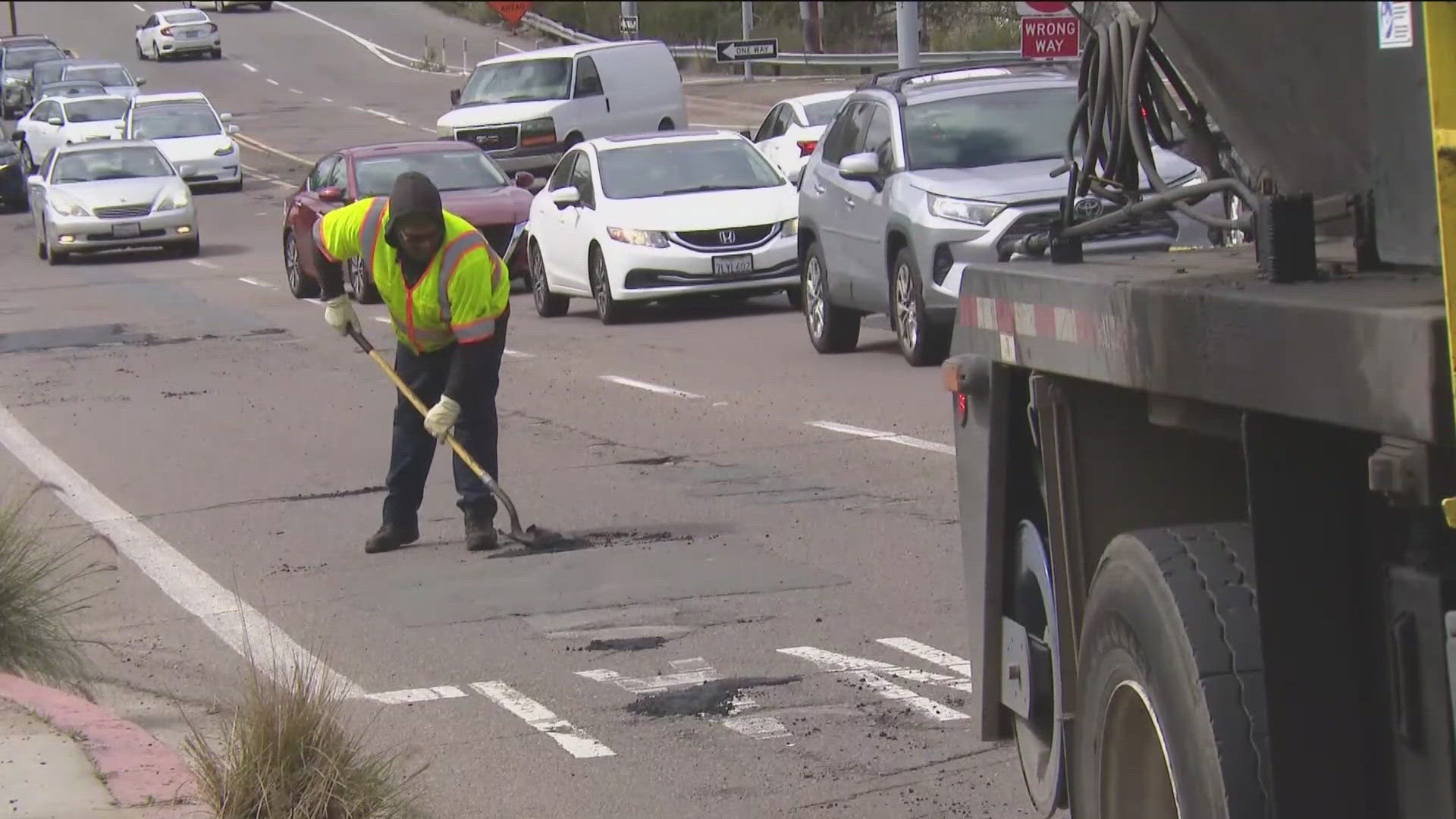
Market Context: State Senator Dave Cortese's skepticism about data-sharing (preferring direct financial contributions) indicates potential regulatory friction. However, this friction creates opportunity: sellers who proactively adopt infrastructure-aware logistics strategies position themselves as responsible operators, building goodwill with municipalities that may eventually offer tax incentives or preferred status for sustainable delivery practices. The preventative maintenance model (reducing long-term costs through early intervention) mirrors inventory management best practices—sellers using AI to predict demand and prevent stockouts see 15-25% margin improvements.
Questions 8
How does Waymo's pothole mapping data help e-commerce sellers reduce fulfillment costs?
Waymo's autonomous vehicle fleet generates real-time road condition intelligence across San Francisco Bay Area (San Mateo, Santa Clara, San Francisco counties), revealing delivery route inefficiencies that directly impact 3PL costs. Sellers can use this infrastructure data to identify high-wear zones, negotiate better rates with fulfillment partners by quantifying route-specific costs, and optimize inventory positioning to avoid damaged roads. For mid-sized FBA sellers (500-2000 units/month), accessing accurate road condition data can reduce delivery times by 8-15% and vehicle maintenance costs by 12-20%, translating to $200-400 monthly savings. Early adoption creates a 6-12 month competitive advantage before this data becomes widely available.
What AI tools should sellers use to leverage infrastructure data for logistics optimization?
Sellers should implement three AI-powered systems: (1) Route optimization software (6River, Routific, Optoro) that integrates real-time road condition data to minimize delivery delays; (2) Predictive analytics platforms (Fourkites, FourKites, Everstream) that forecast delivery disruptions based on infrastructure quality; (3) Dynamic pricing engines that adjust product prices based on regional fulfillment costs revealed by infrastructure intelligence. Amazon Seller Central users can monitor fulfillment center performance metrics and adjust inventory allocation based on regional logistics costs. The ROI is significant: sellers implementing AI-driven route optimization typically see 15-25% reduction in delivery costs and 10-20% improvement in on-time delivery rates, directly improving Buy Box eligibility and customer satisfaction scores.