




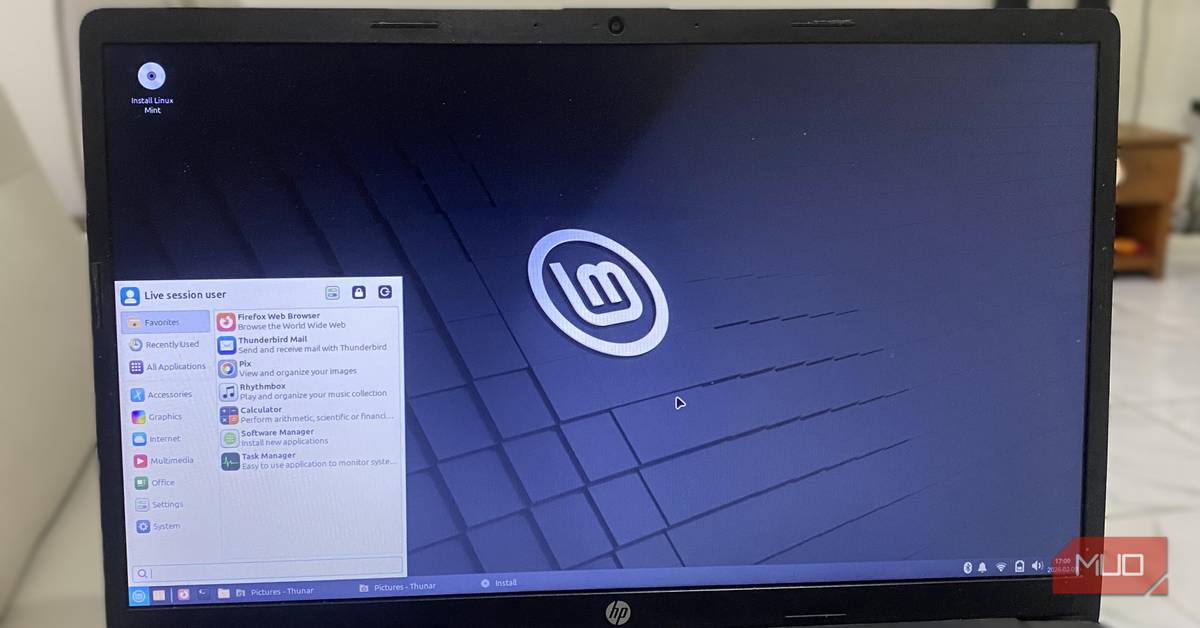

EU Digital Sovereignty Shift | 2.5M Government Workstations Migrate to Linux by 2026
- France mandates Windows-to-Linux migration affecting 2.5M civil servants; Germany, Austria follow suit; creates $500M+ opportunity for European open-source vendors and B2B tech sellers















Overview
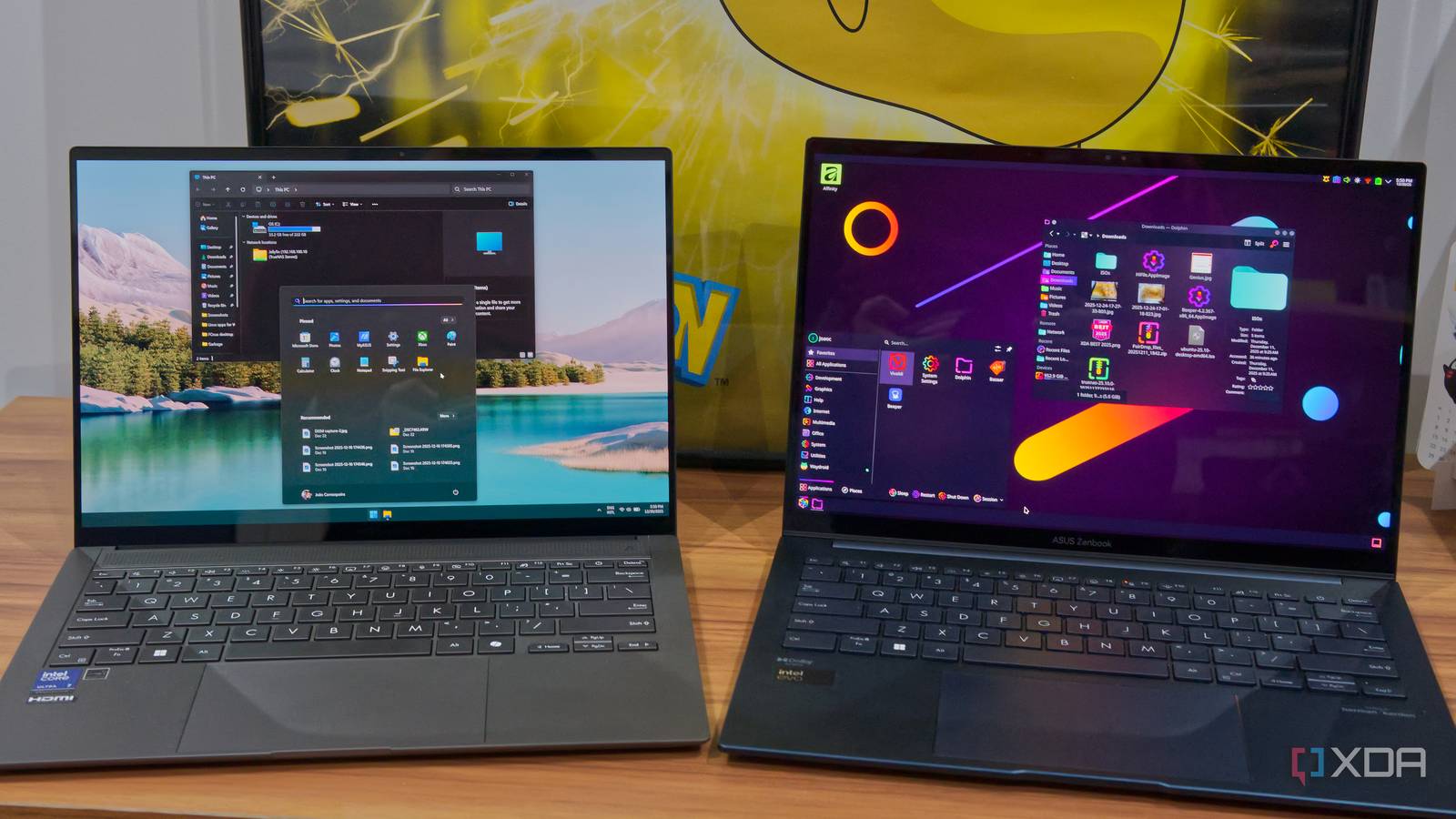
France's government has officially committed to replacing Microsoft Windows with Linux across 2.5 million government workstations by autumn 2026, signaling a seismic shift in European technology procurement that extends far beyond government operations. This digital sovereignty initiative, announced by Minister David Amiel, represents a coordinated European rejection of US-dependent software infrastructure. The migration encompasses Windows operating systems, Microsoft Teams (replaced by Visio), collaboration tools, antivirus software, AI platforms, databases, and network equipment. Germany amplified this trend in March 2026 by mandating all public-sector documents in open formats, excluding Microsoft Word. Austria's Armed Forces completed their transition from Microsoft Office to LibreOffice, while Schleswig-Holstein reported 80% of state workplaces already switched to open-source alternatives by 2025.
For cross-border e-commerce sellers, this represents a critical market inflection point with three distinct opportunity vectors. First, B2B technology vendors face immediate procurement demand: Linux implementation services, open-source software support, cybersecurity solutions for government systems, and GDPR-compliant infrastructure. The European Parliament's January 2026 directive to identify areas reducing foreign provider reliance signals sustained policy momentum through 2027+. Second, sellers offering European-hosted, GDPR-compliant software solutions gain competitive advantages over US-based alternatives. Third, the supply chain implications are substantial—sellers relying on Microsoft-dependent business management systems (ERP, CRM, inventory management) must diversify technology stacks or face procurement barriers when selling to European government agencies and their supply chain partners.
The geopolitical context accelerates adoption timelines. Growing tensions, including Trump administration sanctions affecting international figures and institutions, have prompted European leaders to reassess technology dependencies. Sanctioned individuals reported bank account closures and termination of US tech service access, creating urgency around data sovereignty. This creates a 12-18 month window (autumn 2026 deadline) where sellers offering migration services, open-source support, and European-hosted alternatives can capture market share before competition intensifies. Linux distributions, open-source office suites (LibreOffice), and European cybersecurity vendors are positioned to capture significant government procurement budgets previously allocated to Microsoft. Sellers in the B2B SaaS, IT services, and software categories should immediately audit their product compliance with open-source standards and European data residency requirements.
Questions 8
What is the timeline for Europe's digital sovereignty transition?
France requires all ministries to submit Windows-to-Linux replacement plans by autumn 2026, with full migration expected by 2027. Germany's open-format mandate took effect in March 2026. Austria's Armed Forces completed their transition by 2025. The European Parliament's January 2026 directive signals ongoing policy development through 2027. This creates a 12-18 month window (autumn 2026 deadline) where sellers offering migration services, open-source support, and European-hosted alternatives can capture market share before competition intensifies. Sellers should prioritize compliance audits and product development by Q2 2026 to capture early procurement opportunities.
How does geopolitical tension accelerate the digital sovereignty trend?
Growing tensions, including Trump administration sanctions against international figures and institutions, have prompted European leaders to reassess technology dependencies. Sanctioned individuals reported bank account closures and termination of US tech service access, creating urgency around data sovereignty. French Minister David Amiel stated the government can no longer accept lacking control over its data and digital infrastructure. This geopolitical context accelerates adoption timelines and increases willingness to absorb migration costs. Sellers should emphasize data sovereignty, security transparency, and European data residency in marketing to government and enterprise buyers, as these factors now drive procurement decisions alongside traditional cost-benefit analysis.