






CPUID Breach Exposes E-Commerce Sellers to Credential Theft | Supply Chain Security Crisis April 2026
- 6-hour malware distribution window compromises thousands of sellers relying on system monitoring tools; credential-stealing payload targets browser data and business accounts










Overview
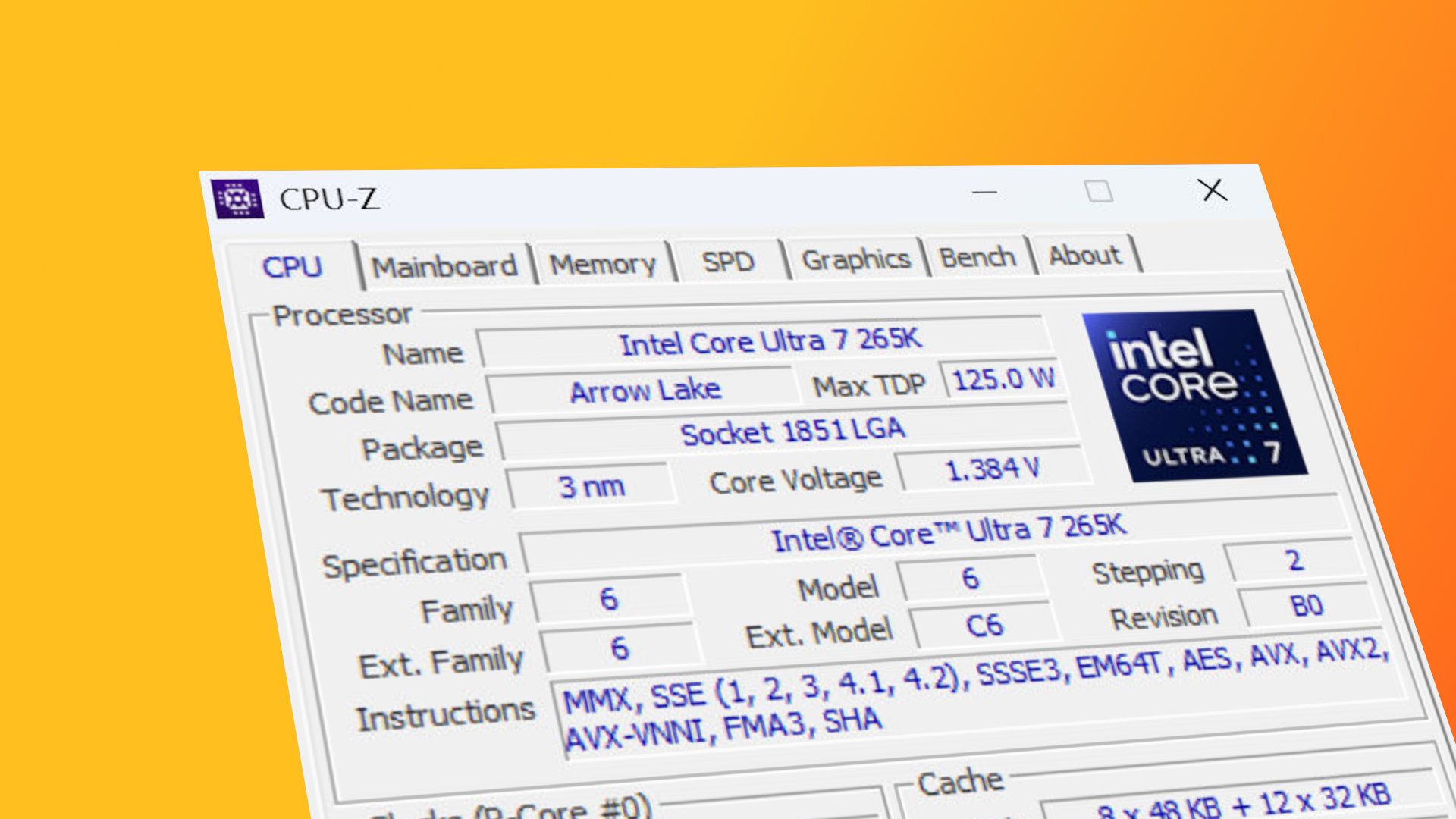
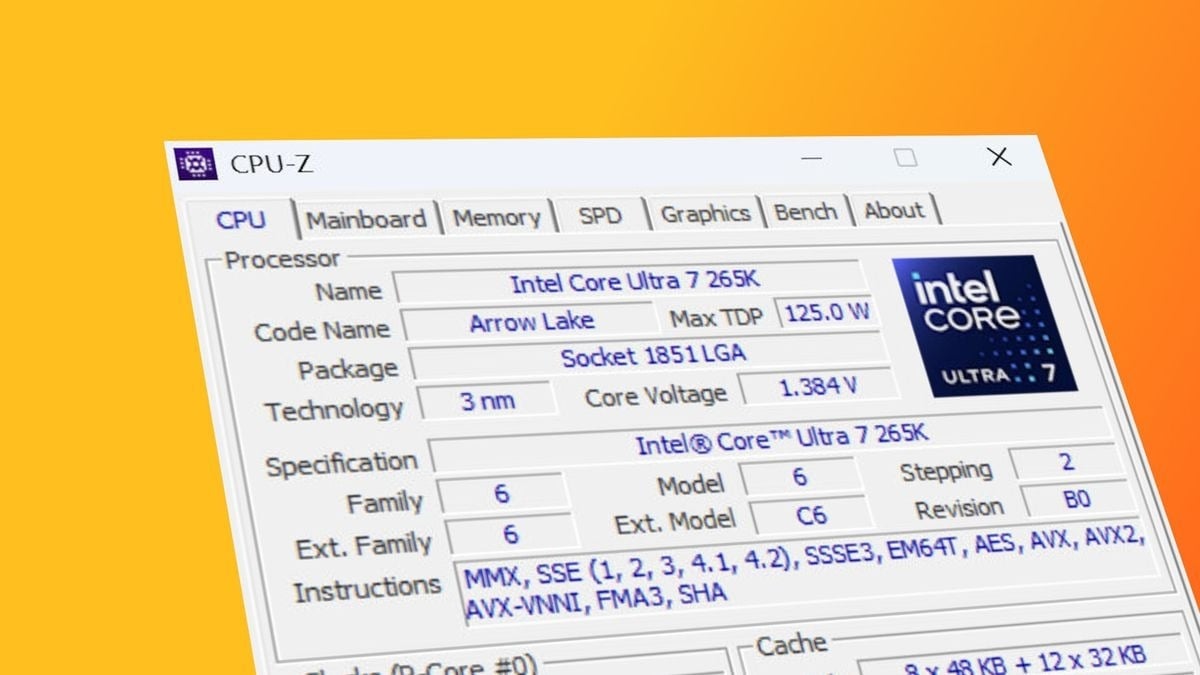
The CPUID supply chain attack on April 9-10, 2026 represents a critical cybersecurity threat directly impacting cross-border e-commerce sellers. Unknown attackers compromised CPUID's backend API distribution infrastructure for approximately six hours, redirecting users attempting to download legitimate HWMonitor 1.63 and CPU-Z tools to malware-infected installers. The malicious payload—disguised as "HWiNFO_Monitor_Setup.exe"—targeted 64-bit systems and employed sophisticated evasion techniques including fake CRYPTBASE.dll components, in-memory PowerShell execution, and Google Chrome credential harvesting capabilities. This incident directly threatens e-commerce sellers who depend on these system monitoring tools for inventory management, server optimization, and business operations.
For cross-border e-commerce sellers, this breach creates immediate operational and financial risks. E-commerce operations rely heavily on system monitoring tools like HWMonitor and CPU-Z for diagnosing hardware performance, optimizing fulfillment center operations, and managing server infrastructure across multiple regions. The malware's ability to extract Chrome credentials poses existential risk to sellers managing Amazon Seller Central accounts, Shopify stores, PayPal business accounts, and email systems. Sellers who downloaded these tools during the April 9-10 window face potential account compromise, unauthorized access to inventory systems, and credential theft affecting multiple online platforms simultaneously. The attack demonstrates that traditional code-signing verification provides insufficient protection—legitimate distribution channels themselves became weaponized without modifying the actual software binaries.
This incident reflects a broader supply chain attack trend targeting trusted software distribution channels. Security researchers at vx-underground identified connections to previous FileZilla campaigns, indicating coordinated malware distribution strategies rather than isolated incidents. The six-hour exposure window potentially affected thousands of sellers across enterprise and consumer segments who rely on these globally-distributed system utilities. Unlike previous breaches (SolarWinds, 3CX), this attack specifically targeted the download delivery mechanism rather than the software build process, making detection more difficult for traditional security scanning. Sellers must immediately implement multi-factor authentication on critical accounts, rotate credentials for all business platforms, and verify system integrity through alternative verification methods beyond standard digital signatures.
Immediate seller actions include credential rotation, system audits, and enhanced security protocols. Sellers who downloaded HWMonitor or CPU-Z between April 9-10, 2026 should assume potential compromise and immediately change passwords for Amazon Seller Central, Shopify admin accounts, PayPal, email, and banking platforms. Implement multi-factor authentication across all business accounts, scan systems for malware using updated antivirus definitions, and monitor account activity for unauthorized access attempts. Consider engaging third-party security audits for fulfillment center systems and implementing software verification procedures requiring hash validation from multiple sources before installation. This incident accelerates industry adoption of code-signing verification technologies and supply chain security audits, creating opportunities for sellers to differentiate through enhanced cybersecurity practices.
Questions 8
What long-term security investments should sellers consider after this incident?
Sellers should invest in comprehensive cybersecurity infrastructure including: (1) Enterprise-grade antivirus and endpoint detection solutions; (2) Network segmentation isolating business systems from general-purpose computers; (3) Regular security audits and penetration testing; (4) Employee security training and credential management policies; (5) Backup and disaster recovery systems; (6) Managed security service providers for 24/7 monitoring. For cross-border sellers managing multiple regional operations, implement centralized identity and access management with multi-factor authentication across all platforms. These investments reduce operational risk, improve compliance with platform requirements, and protect against evolving supply chain threats. Consider security investments as competitive advantages that reduce account suspension risk and improve business continuity.
What makes this supply chain attack different from traditional malware distribution?
Unlike previous breaches like SolarWinds and 3CX that compromised the software build process itself, the CPUID attack targeted the download delivery mechanism—the backend API infrastructure—without modifying the actual signed software binaries. This means traditional code-signing verification and antivirus scanning of the installer files would appear legitimate, making detection significantly more difficult. The attack demonstrates that trusted distribution channels can be weaponized independently of the software itself, requiring sellers to implement additional verification methods beyond standard digital signatures, such as hash validation from multiple sources and alternative download channels.