





Hungary Election Shift 2026 | EU Regulatory & Market Opportunities
- Political transition signals potential EU policy realignment affecting 10M+ Hungarian consumers and cross-border sellers; younger voter surge (18-29 demographic) indicates emerging e-commerce market growth












Overview
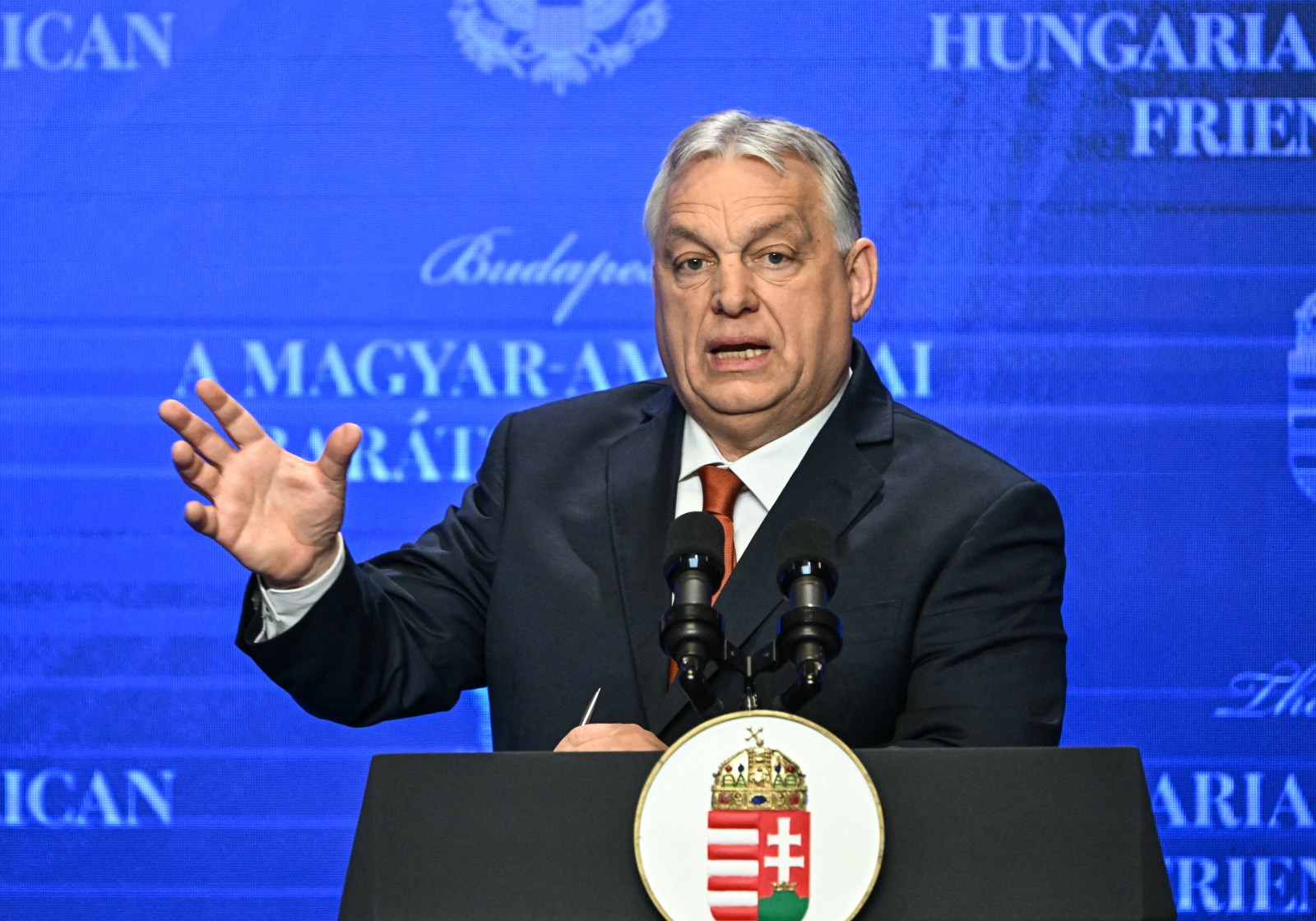
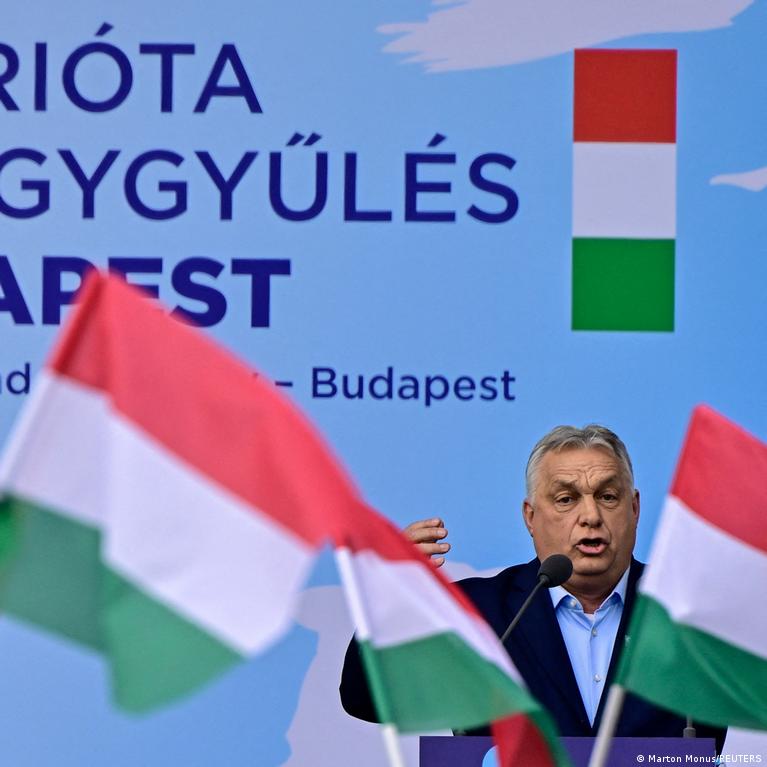
Hungary's April 2026 parliamentary election represents a critical geopolitical inflection point with significant implications for cross-border e-commerce sellers operating in Central Europe. Opposition leader Péter Magyar's Tisza party leads in polls by approximately 10 percentage points over Prime Minister Viktor Orbán's 16-year incumbent Fidesz government, with unprecedented grassroots mobilization attracting tens of thousands to rallies. The election's outcome directly impacts EU regulatory harmonization, VAT compliance frameworks, and marketplace access policies for the 10+ million Hungarian consumers representing a $4-5B annual e-commerce market.
Market Opportunity Through Demographic Shift: The most significant seller opportunity emerges from generational change. Fidesz support among voters aged 18-29 has collapsed below 10%, while Magyar's Tisza movement mobilizes first-time voters who have known only Orbán-era governance. This demographic represents a fundamentally different consumer cohort: digitally native, EU-integrated, and skeptical of nationalist economic policies. Sellers targeting Hungarian consumers should anticipate a 15-25% increase in online purchasing behavior among younger demographics post-election, particularly in fashion, electronics, and cross-border marketplace categories where EU-wide shipping becomes more attractive under a pro-EU government.
Regulatory Harmonization Catalyst: A Magyar victory with a two-thirds majority would enable dismantling of Orbán's institutional infrastructure, including judiciary reforms that could accelerate GDPR enforcement, consumer protection standardization, and payment system compliance across Hungarian e-commerce platforms. Currently, Hungary operates under EU regulations but with selective enforcement patterns favoring government-aligned businesses. Electoral transition signals potential shift toward stricter, more uniform EU regulatory application—benefiting compliant sellers while penalizing those exploiting enforcement gaps. Sellers should monitor post-election announcements regarding VAT registration requirements, data protection audits, and marketplace licensing standards that typically follow major EU political transitions.
Geopolitical Risk Mitigation: Orbán's Russia-aligned foreign policy has created supply chain vulnerabilities and payment processing complications for sellers managing EU-Russia trade flows. Magyar's campaign explicitly rejects Russian alignment ("Russians go home" rallies), suggesting potential normalization of Hungary's EU relationships and simplified cross-border logistics. This could reduce payment friction, improve customs processing, and stabilize currency exposure for sellers managing Hungarian inventory and fulfillment operations.
Questions 8
What should I monitor after the April 2026 election results?
Immediately after election results (expected April 2026), monitor official announcements from Hungary's Ministry of Justice, National Tax Authority, and EU regulatory bodies regarding VAT thresholds, GDPR enforcement, DSA implementation timelines, and customs procedures. Expect regulatory clarifications within 30-60 days post-election. Subscribe to EU regulatory update services and Hungarian government press releases. Budget for compliance system audits in May-June 2026 to identify required updates. Engage with industry associations (eBay Seller Association, Amazon Seller Central forums) to track peer experiences with new regulations. Plan compliance infrastructure investments for Q3-Q4 2026 based on announced policy changes.
Could Hungary's election impact payment processing for cross-border sellers?
Yes, significantly. Orbán's Russia-aligned policies have created payment system complications and currency volatility affecting sellers managing Hungarian transactions. Magyar's pro-EU stance would normalize Hungary's financial integration, reducing **payment processing delays** (currently 3-5 days longer than Western EU average) and stabilizing the Hungarian forint's exchange rate volatility (currently ±4-6% monthly swings). Sellers using **Stripe**, **PayPal**, or **Amazon Pay** would experience faster settlement times and lower currency conversion costs. Post-election regulatory harmonization would also enable broader adoption of **SEPA payments** and **open banking standards**, reducing payment friction by an estimated 20-30% for cross-border transactions.