


TSMC AI Chip Shortage 2026 | Electronics Sellers Face Supply Crunch
- TSMC capacity fully booked through 2026; advanced chip prices up 15-25%; electronics sellers face 3-6 month lead times and 8-15% cost increases on AI-enabled products
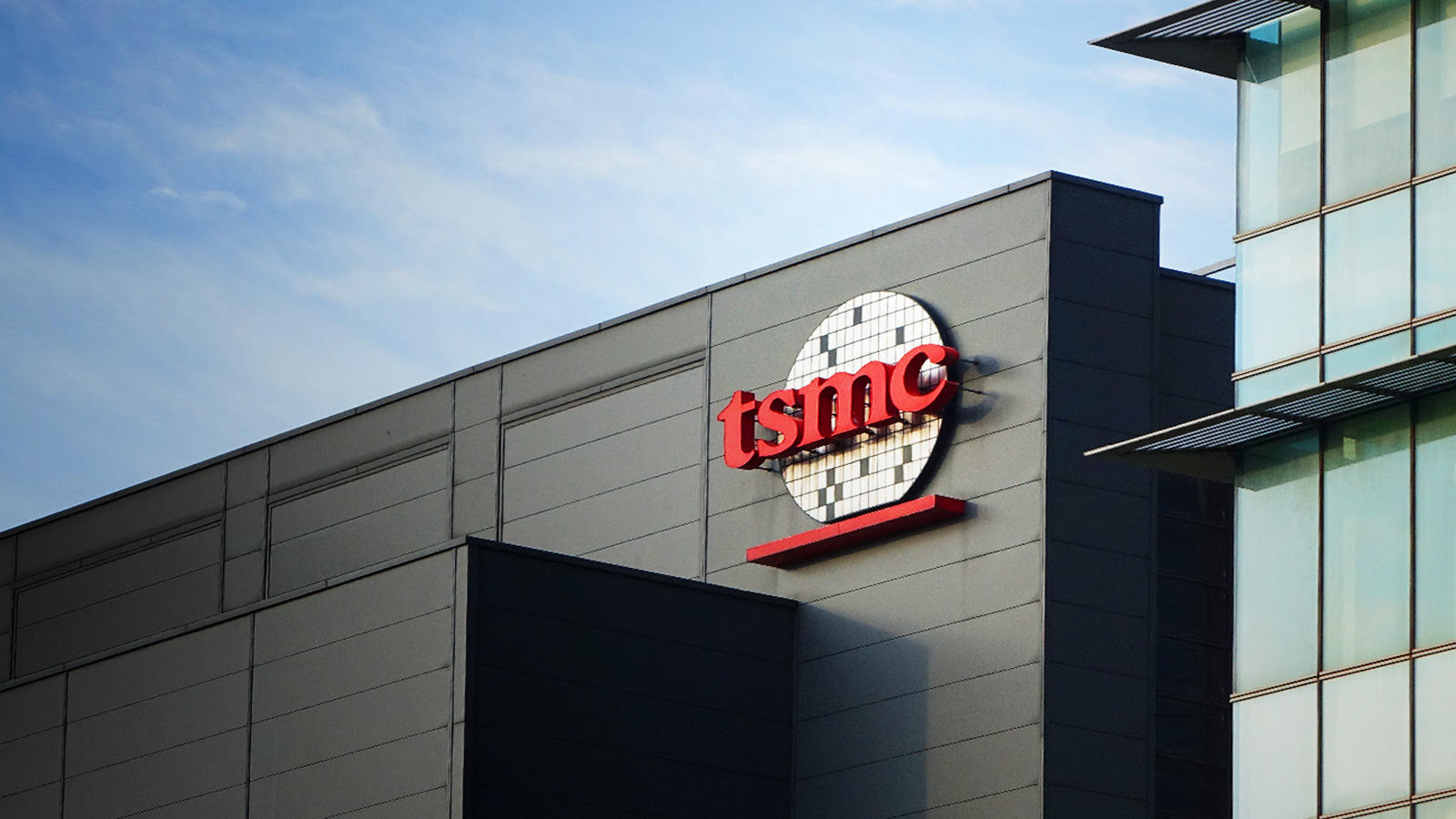
/A%20close-up%20shot%20of%20the%20Taiwan%20Semi%20logo%20on%20a%20corporate%20building%20by%20Jack%20Hong%20via%20Shutterstock.jpg)






















Overview
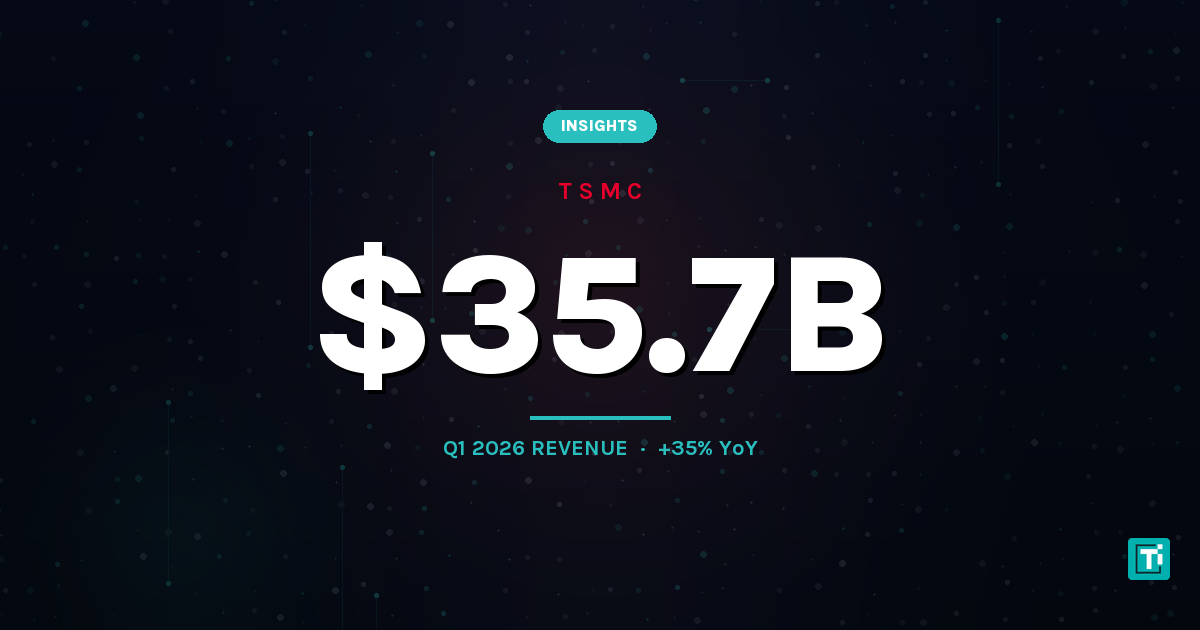
TSMC's record Q1 2026 performance signals a critical supply constraint for cross-border electronics sellers. Taiwan Semiconductor Manufacturing Company reported $35.6 billion in Q1 revenue (35% YoY growth) with March revenues surging 45.2% YoY to NT$415.2 billion, driven entirely by AI infrastructure demand. Advanced node production is operating at 100% capacity with zero demand softening indicators through 2026, according to Wedbush Securities analysis. This creates a structural supply bottleneck affecting three critical e-commerce categories: AI-enabled devices, next-generation smartphones, and data center equipment.
For electronics sellers, TSMC's capacity constraints translate to immediate inventory and pricing pressures. The company has increased prices for advanced chips by 15-25% according to analyst reports, directly impacting cost of goods sold (COGS) for sellers offering AI-powered products, gaming laptops, high-end smartphones, and edge computing devices. TSMC's order books are fully booked across all segments, meaning new sellers cannot secure allocation without 3-6 month lead times or premium pricing. Sellers currently holding inventory of chip-dependent products face margin compression of 8-15% as manufacturing costs rise while retail prices remain competitive. The smartphone category is particularly affected—TSMC supplies chips for Apple and Nvidia, signaling that next-generation iPhone and GPU availability will remain constrained, limiting seller access to these high-margin products.
The strategic opportunity lies in AI-powered supply chain automation and dynamic pricing. Sellers can use AI tools to predict component availability windows, automate inventory rebalancing across marketplaces, and implement dynamic pricing that captures margin before costs rise further. Sellers should immediately audit their product catalog to identify chip-dependent SKUs, calculate true COGS including lead time premiums, and adjust pricing 5-8% upward on products with 60+ day lead times. Consider shifting inventory strategy toward refurbished/used electronics (which don't require new chip allocation) and pre-order models that lock in customer demand before manufacturing costs spike further. The competitive advantage goes to sellers who automate supplier communication, implement AI-driven demand forecasting, and shift to higher-margin product categories (accessories, software, services) that don't depend on TSMC allocation.
Questions 7
What pricing adjustments should I make for AI-enabled products in 2026?
TSMC has increased prices for advanced chips by 15-25%, directly impacting your COGS for AI-powered products. Industry analysis shows sellers should increase retail prices by 5-8% on products with confirmed 60+ day lead times, and 8-12% on products requiring custom chip configurations. However, smartphone and gaming laptop categories face competitive pricing pressure from major retailers, so focus margin increases on niche AI products (edge computing devices, AI accelerators, specialized inference hardware) where competition is lighter. Use AI pricing tools to monitor competitor pricing in real-time and adjust dynamically—sellers who automate this process capture 3-5% additional margin versus manual pricing.
How does TSMC's capacity constraint affect my electronics inventory planning?
TSMC's advanced node production is fully booked through 2026 with zero demand softening, creating 3-6 month lead times for chip-dependent products. This means any electronics seller sourcing AI-enabled devices, high-end smartphones, or data center equipment faces immediate allocation challenges. You should immediately audit your current inventory of chip-dependent SKUs and calculate true COGS including lead time premiums (typically 15-25% above standard pricing). For products with 60+ day lead times, implement dynamic pricing to capture margin before costs rise further. Consider shifting 20-30% of inventory toward refurbished electronics or accessory categories that don't depend on TSMC allocation.