




Energy Cost Inflation & Tariff Rollback | Cross-Border Seller Logistics Optimization
- Gasoline surges 21.2%, headline CPI hits 3.3% annually; tariff revenue drops 30% YoY creating shipping cost volatility for international sellers
























Overview
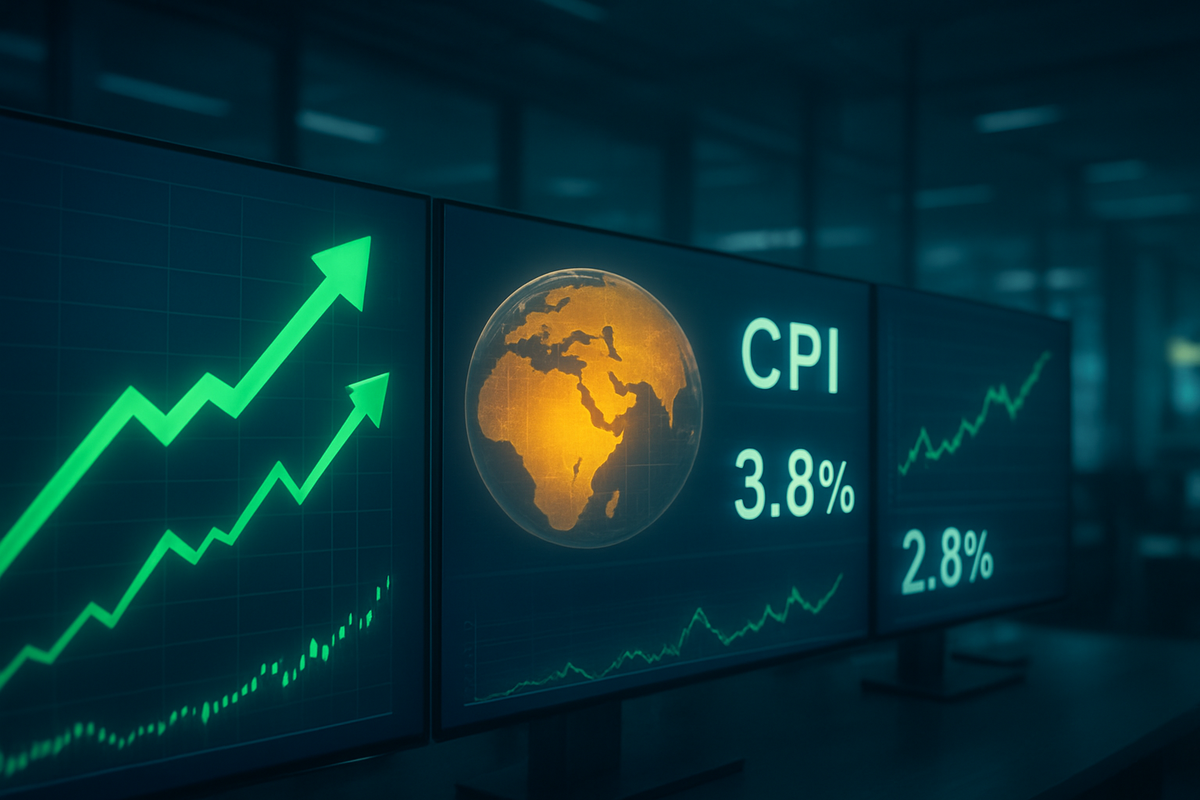
Energy-driven inflation and tariff policy reversals are creating immediate working capital pressures and logistics cost volatility for cross-border e-commerce sellers. As of April 2026, headline CPI surged to 3.3% annually with the largest monthly price jump (0.9%) since 2022, driven primarily by gasoline prices spiking 21.2% due to Middle East geopolitical tensions and Strait of Hormuz disruptions. Simultaneously, tariff revenue collapsed to $22.15 billion in March—a 30% decline from October's $31.35 billion peak—as the Trump administration backs away from duties and Supreme Court rulings strike down others as illegal. This dual dynamic creates both immediate cost pressures and unexpected opportunities for sellers managing cross-border logistics.
For sellers shipping internationally, the energy shock directly impacts fulfillment costs across all corridors. Gasoline price volatility translates to carrier surcharges: FedEx and UPS typically pass through 50-70% of fuel cost increases to shippers within 30-45 days, meaning sellers shipping 500+ units monthly could face $150-400 additional monthly costs by May-June 2026. Air freight rates—critical for time-sensitive cross-border shipments to EU and Asia Pacific—are particularly vulnerable, with typical increases of 8-12% when oil prices spike. However, the tariff revenue collapse signals reduced enforcement and potential duty relief on certain categories. Sellers importing electronics, apparel, and home goods from China/Vietnam should immediately audit tariff classifications: Supreme Court rulings striking down duties could unlock 5-15% cost savings on specific HSCodes, particularly in consumer electronics and textiles where tariff rates averaged 12-18% in 2025.
The cash flow opportunity emerges from the tariff uncertainty window. With tariff revenue declining for five consecutive months and policy direction uncertain, sellers have 60-90 days to lock in favorable import terms before new regulations stabilize. Sellers should: (1) accelerate inventory purchases from Asia at current tariff rates before potential re-implementation, (2) negotiate extended payment terms with suppliers (60-90 days) to preserve working capital during the energy cost surge, and (3) shift 15-25% of air freight volume to ocean freight where fuel surcharges are lower (typically 3-5% vs. 8-12% for air). For sellers with $500K+ annual cross-border volume, invoice financing and supply chain financing products are now offering 2-3% better rates due to reduced lender risk from tariff policy clarity. The San Francisco Federal Reserve's indication that oil shocks will extend inflation timelines suggests energy costs remain elevated through Q3 2026, making logistics cost optimization a critical 6-month priority.
Questions 7
How much will my cross-border shipping costs increase from the 21.2% gasoline price surge?
FedEx and UPS typically pass through 50-70% of fuel cost increases within 30-45 days, meaning a 21.2% gasoline spike translates to approximately 10-15% carrier surcharge increases. For sellers shipping 500+ units monthly internationally, expect $150-400 in additional monthly costs by May-June 2026. Air freight to EU and Asia Pacific faces 8-12% rate increases, while ocean freight experiences 3-5% surcharges. Sellers should immediately shift non-urgent shipments to ocean freight and negotiate fixed fuel surcharge caps with carriers through June 2026 to lock in current rates before further increases.
How can I optimize my logistics mix between air and ocean freight right now?
Shift 15-25% of current air freight volume to ocean freight immediately. Air freight faces 8-12% fuel surcharge increases due to the 21.2% gasoline spike, while ocean freight experiences only 3-5% surcharges. For non-urgent shipments (lead time >30 days), ocean freight saves $2-5 per unit on typical Asia-to-US routes. This optimization improves cash conversion cycles by 7-14 days and reduces fuel surcharge exposure through Q3 2026. For urgent shipments, negotiate fixed fuel surcharge caps with air carriers through June 2026. Use freight forwarding platforms (Flexport, Freightos) to compare real-time rates and lock in ocean freight pricing before further energy cost increases.