


Motorola Razr Fold Challenges Samsung Dominance | Premium Foldable Market Shift 2026
- Motorola's competitive foldable launch signals market fragmentation in $15B+ premium smartphone segment; sellers face inventory uncertainty and pricing pressure as consumer choice expands beyond Samsung's Z Fold monopoly












Overview
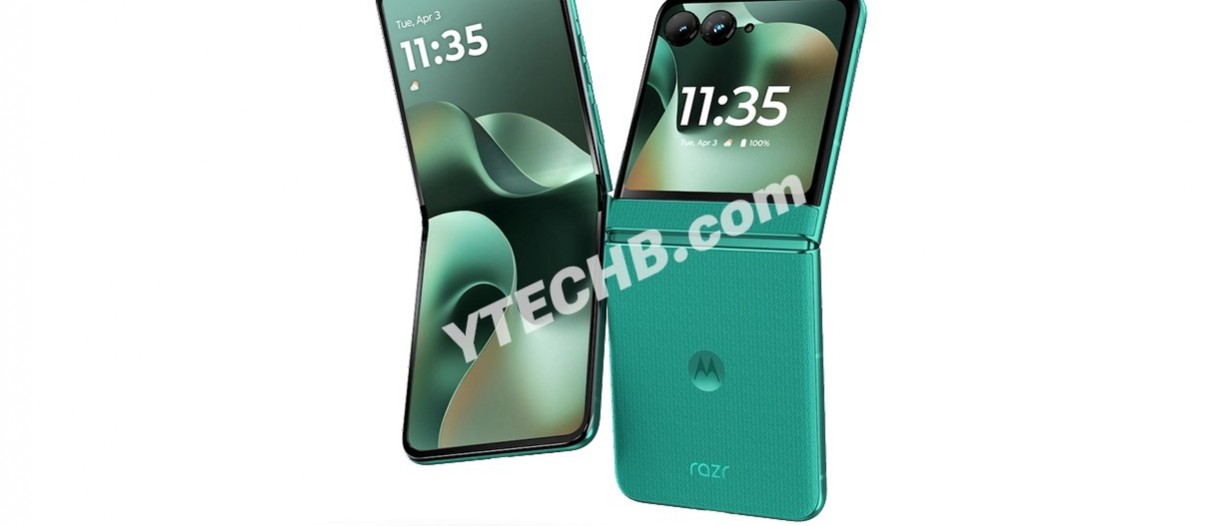
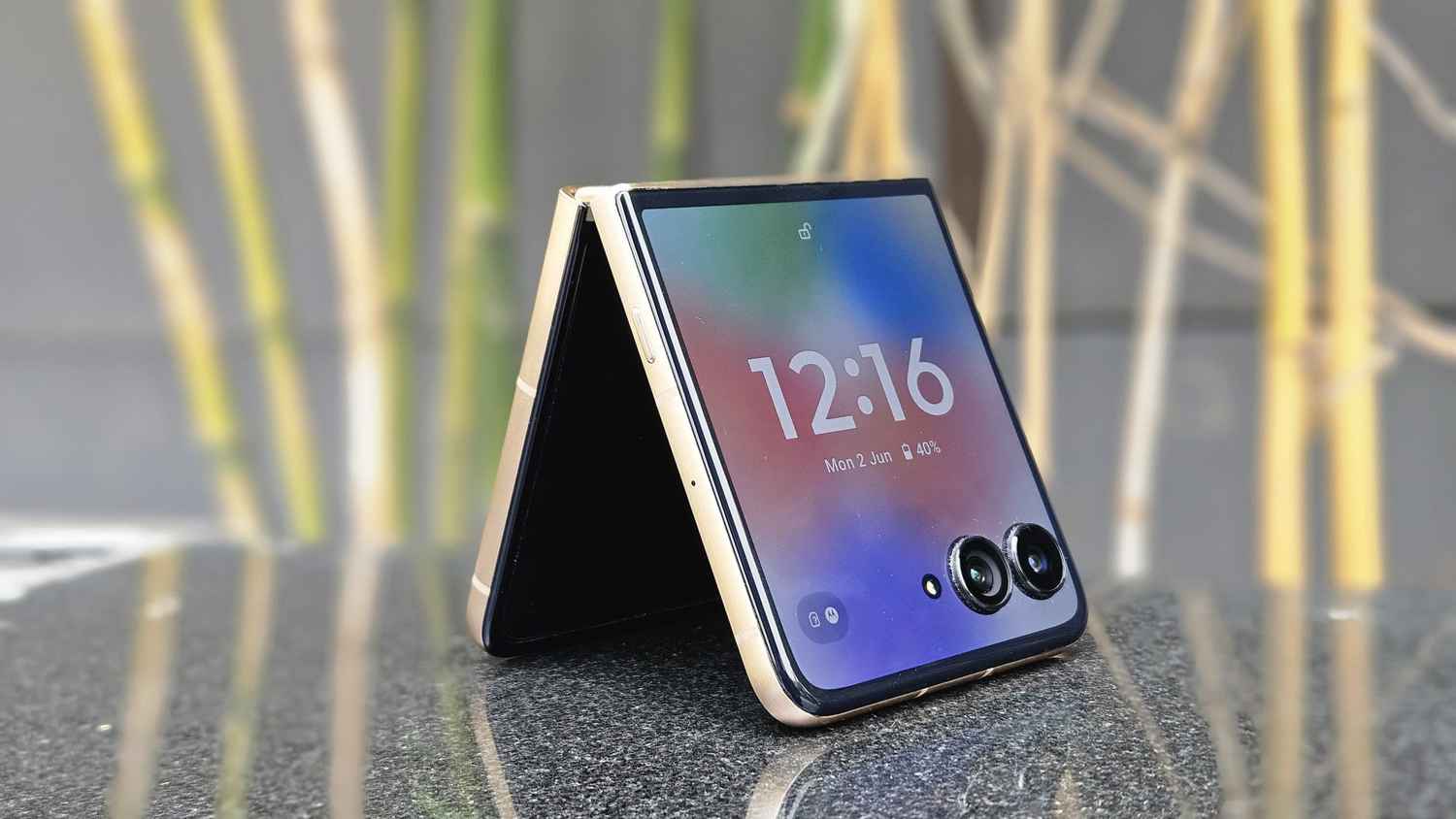
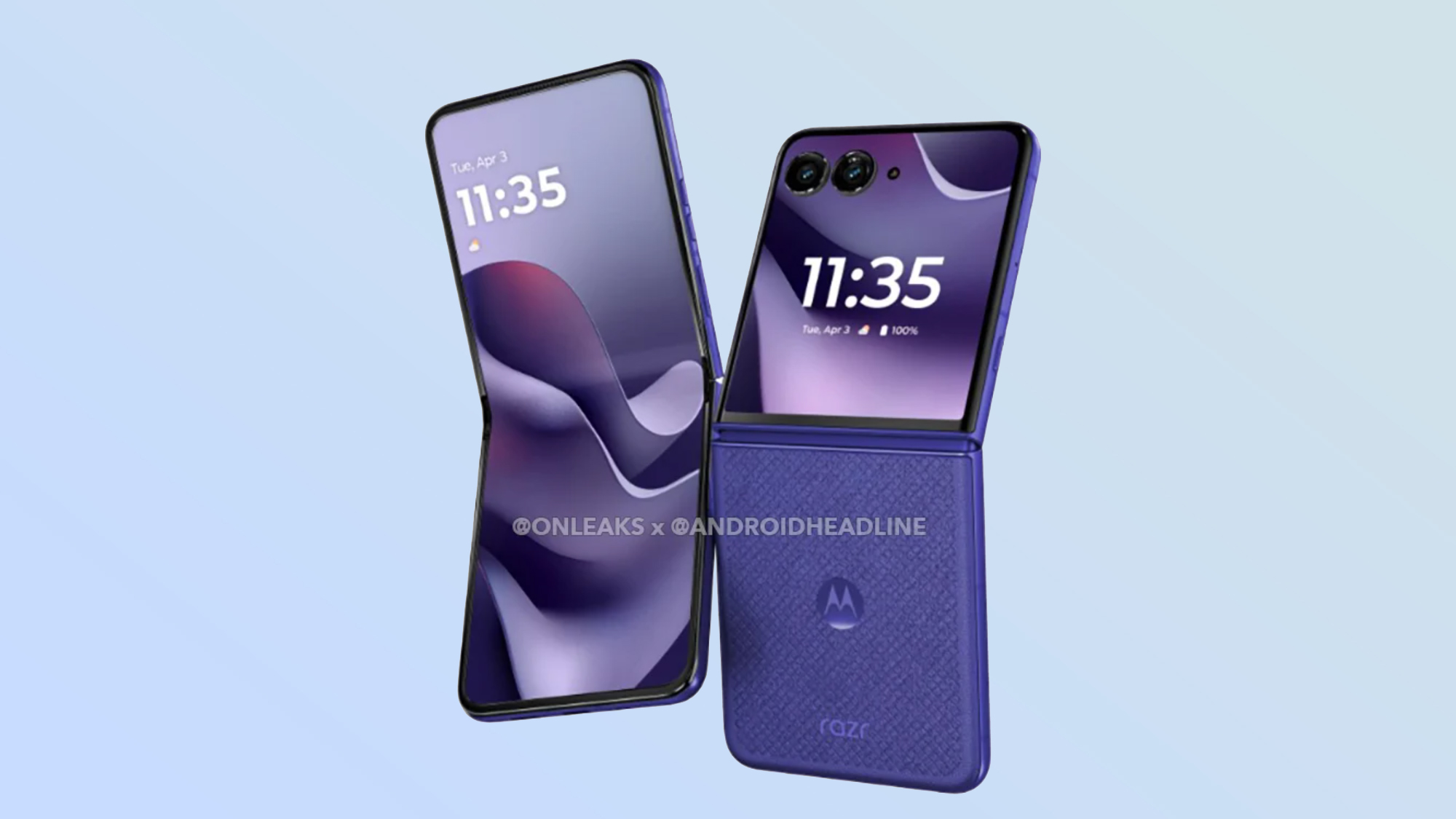
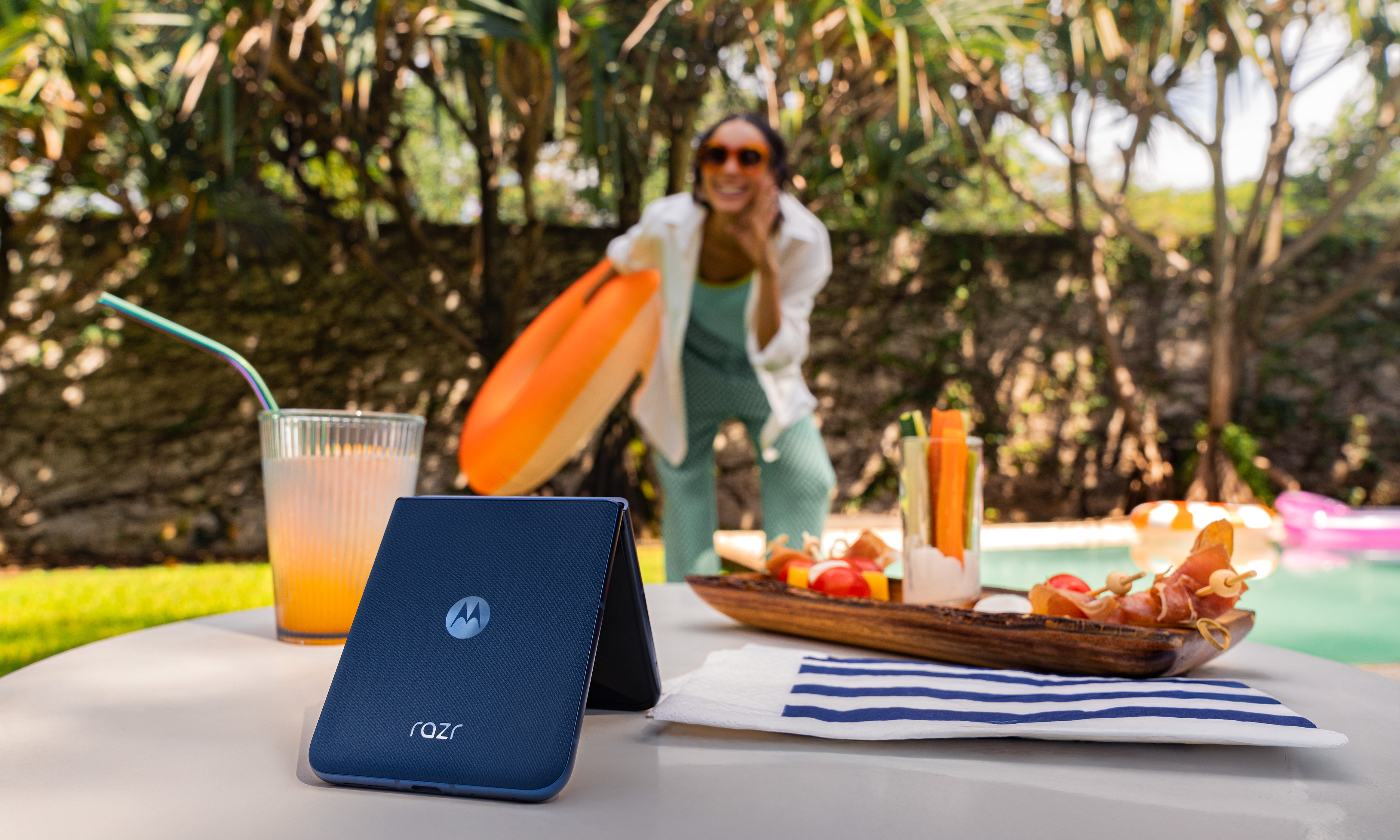
The premium foldable smartphone market is experiencing a critical competitive inflection point as Motorola's Razr Fold directly challenges Samsung's Galaxy Z Fold 7 dominance. Announced at CES 2026 and showcased at Mobile World Congress Barcelona, the Razr Fold demonstrates near-parity specifications with Samsung's flagship while introducing superior durability features—IP48/IP49 dust and water resistance ratings exceed the Z Fold 7's IP48 standard, and Corning Gorilla Glass Ceramic 3 protection signals manufacturing confidence. The device measures 5.7" × 6.3" × 0.4" (closed) and 6.3" × 2.9" × 0.2" (open) at 8.6 ounces, compared to Z Fold 7's 6.2" × 2.9" × 0.4" (closed) and 7.6 ounces—a negligible weight difference that eliminates Samsung's previous hardware advantage. Design options (Blackened Blue with textured rubber, Lily White with satin finish) target premium aesthetic segments Samsung has owned exclusively.
For cross-border electronics sellers, this competitive shift creates immediate inventory and pricing challenges. The foldable smartphone category generated approximately $8-12B in global sales during 2025, with Samsung capturing 65-70% market share. Motorola's credible challenge threatens to fragment this market, potentially reducing Samsung's share to 50-55% within 12 months. Sellers currently stocked with Z Fold 7 inventory face margin compression as Motorola's entry-level pricing (expected $1,499-1,799 range, pending official announcement) undercuts Samsung's $1,899+ positioning. The absence of confirmed release dates and pricing creates sourcing uncertainty—sellers cannot confidently pre-order Razr Fold inventory or adjust SKU ratios between competing devices.
Strategic implications for seller segments: Large electronics retailers (Amazon, Best Buy, Newegg) must prepare dual-brand promotional strategies, allocating marketing budget across competing devices rather than concentrating on Samsung exclusivity. Mid-tier sellers specializing in premium phones face category margin compression of 8-15% as competition intensifies. Accessory sellers (cases, screen protectors, chargers) gain opportunity—foldable accessories represent a $2-3B market growing 35% annually, with Razr Fold's distinct dimensions requiring new product SKUs. Regional sellers in Asia-Pacific markets (where Motorola maintains stronger brand equity than in North America) should prioritize Razr Fold inventory positioning. The competitive dynamic also signals potential price wars in Q3-Q4 2026 as both manufacturers compete for holiday season market share, creating flash-sale opportunities for high-volume sellers with flexible inventory management.
Questions 7
Which seller segments benefit most from Motorola Razr Fold market entry?
Accessory sellers specializing in foldable phone cases, screen protectors, and chargers gain immediate opportunity—Razr Fold's unique dimensions (5.7" × 6.3" × 0.4" closed, 6.3" × 2.9" × 0.2" open) require distinct product SKUs incompatible with Z Fold 7 accessories. Asia-Pacific sellers benefit from Motorola's stronger regional brand equity compared to North America. High-volume retailers with flexible inventory management can capitalize on expected Q3-Q4 2026 price wars as both manufacturers compete for holiday market share. Sellers offering trade-in programs for older foldables gain competitive advantage as consumers upgrade to new-generation devices.
What inventory and pricing challenges does Razr Fold competition create for electronics sellers?
Motorola's entry-level pricing (expected $1,499-1,799 range) undercuts Samsung's $1,899+ positioning, creating 8-15% margin compression for sellers stocked with Z Fold 7 inventory. Absence of confirmed release dates and official pricing creates sourcing uncertainty—sellers cannot confidently pre-order Razr Fold stock or adjust SKU ratios. Large retailers must prepare dual-brand promotional strategies, allocating marketing budget across competing devices. Mid-tier sellers face category margin pressure, while accessory sellers gain opportunity—foldable accessories represent a $2-3B market growing 35% annually, with Razr Fold's distinct dimensions requiring new product SKUs.