




Microsoft Copilot Rebranding Signals AI Tool Adoption Crisis | Seller Automation Opportunity
- Microsoft's forced AI integration backfired, forcing March 2026 rollback across Windows 11; sellers can capitalize on user demand for transparent, consent-based AI tools in e-commerce operations



























Overview
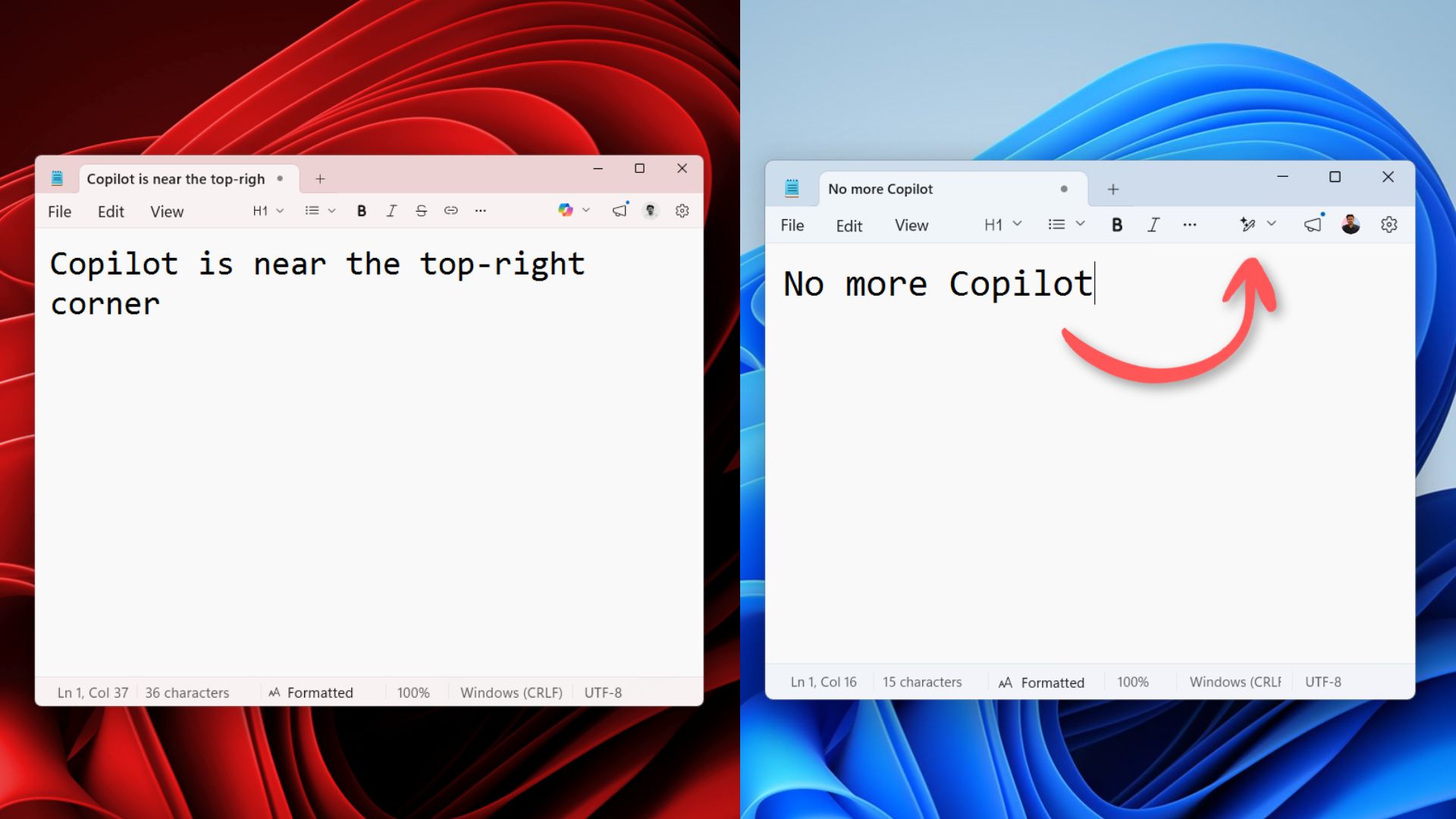
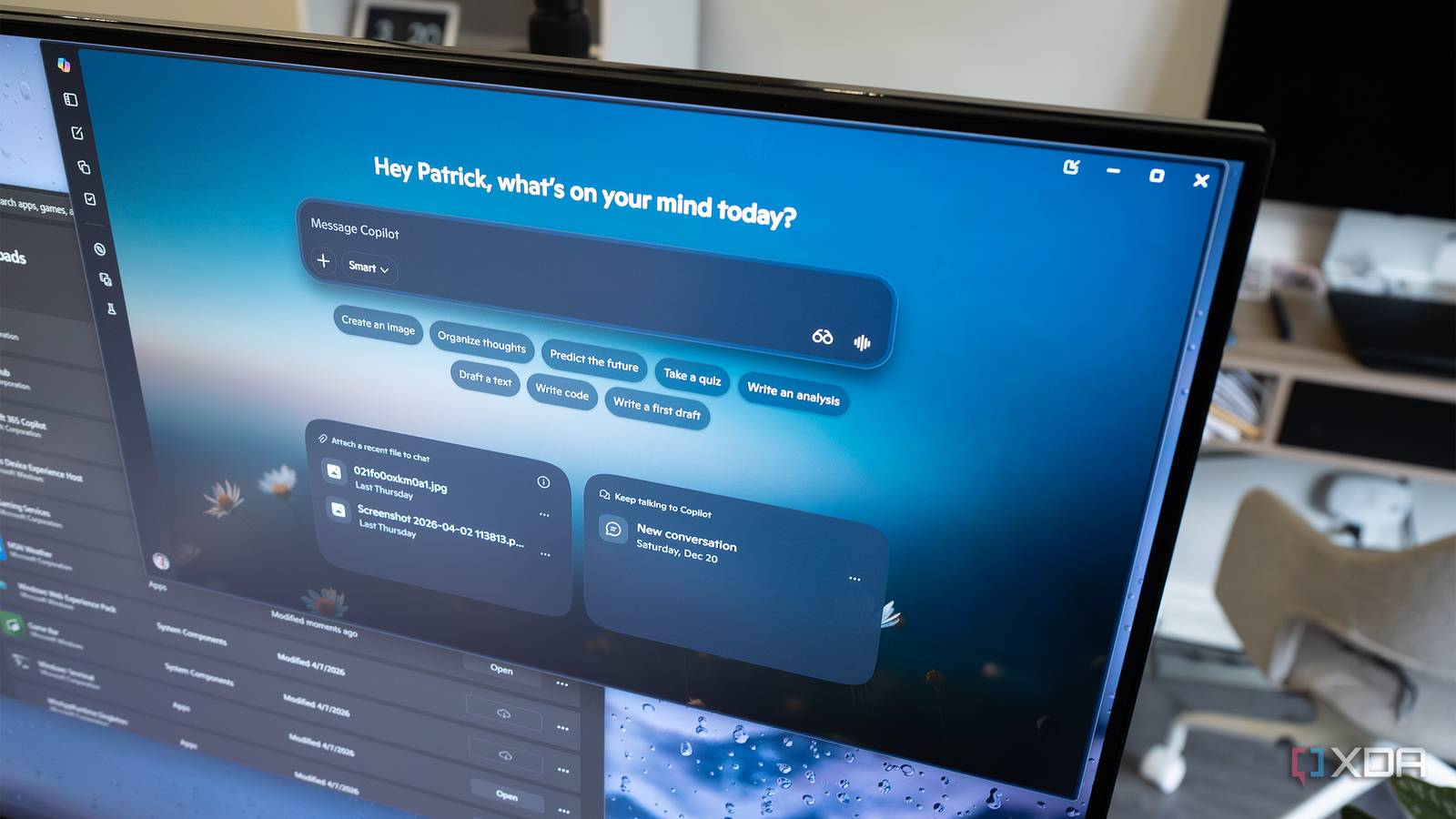
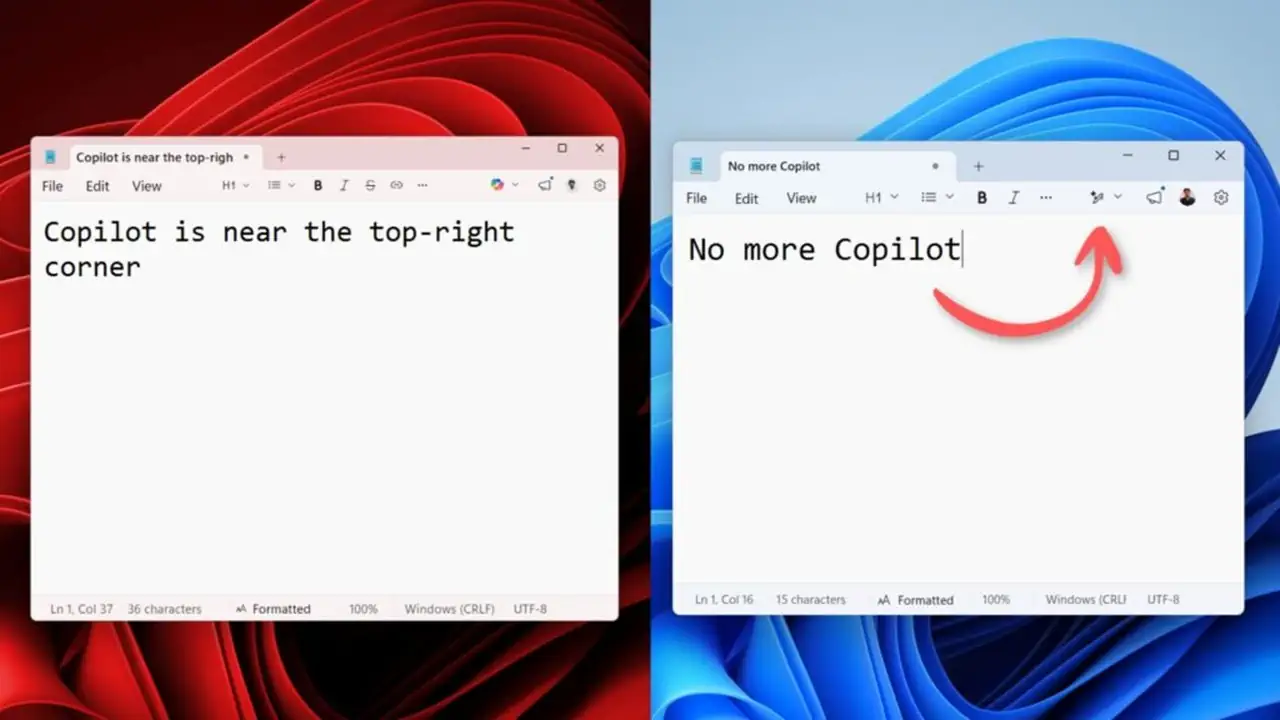
Microsoft's aggressive Copilot integration strategy—including auto-installation on M365 devices, dedicated keyboard keys, and forced taskbar pinning—triggered massive user backlash documented by Mozilla in April 2026, forcing the company to announce rollbacks from Photos, Notepad, Snipping Tool, and Widgets by March 20, 2026. This represents a critical inflection point for e-commerce sellers: the market is rejecting opaque, forced AI adoption in favor of transparent, user-controlled AI tools. For sellers managing e-commerce operations, this signals a massive opportunity to implement AI automation tools that prioritize user consent and control—the exact opposite of Microsoft's failed approach.
The Automation Opportunity for Sellers: E-commerce sellers currently use Windows-based tools (Notepad for inventory notes, Snipping Tool for product screenshots, Photos for listing images) as part of daily operations. Microsoft's forced Copilot integration created friction—users couldn't disable AI features without complicated opt-out processes, and preferences reset after updates. This user frustration reveals a critical gap: sellers need AI-powered automation tools that enhance productivity WITHOUT forcing adoption or removing user control. Firefox 148's approach—centralized AI Controls panel with a "Block AI Enhancements" switch that persists across updates—demonstrates the winning model. Sellers managing product listings, pricing optimization, and customer service can now demand similar transparency from their automation tools.
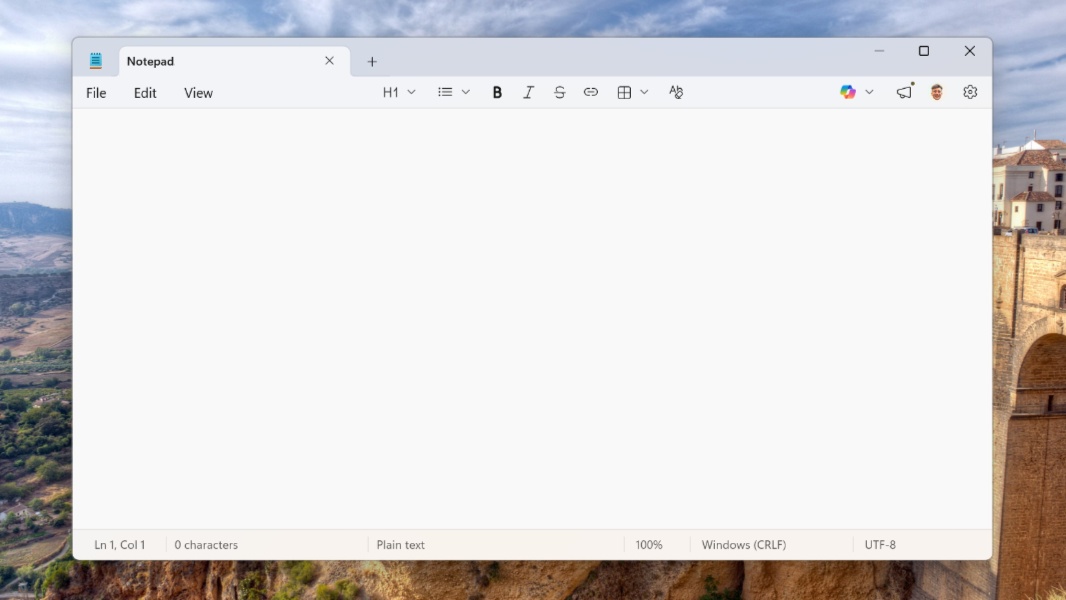
Data-Driven Competitive Intelligence: Microsoft's rebranding strategy (removing Copilot logos while keeping underlying AI functionality in Notepad version 11.2512.28.0) reveals a critical insight: companies are learning that AI branding creates negative associations when adoption feels forced. For sellers, this means AI tools that operate silently in the background (like dynamic pricing algorithms or inventory forecasting) will outcompete tools with aggressive "AI-powered" marketing. The gradual rollout across Windows 11 indicates Microsoft is managing expectations carefully—a lesson for sellers choosing between AI tools with different transparency levels. Sellers using tools like Helium 10, Jungle Scout, or Keepa should evaluate whether these platforms' AI features (keyword research, competitor analysis, demand forecasting) feel like genuine productivity enhancements or forced upsells.
Immediate Seller Actions: Audit your current Windows-based e-commerce workflows (product research, image editing, inventory management) and identify which tasks use forced AI features you'd prefer to disable. Evaluate alternative tools that offer AI capabilities as optional enhancements rather than mandatory features. For sellers managing large product catalogs (1000+ SKUs), this shift means prioritizing AI automation tools with granular control—you should be able to enable AI for pricing optimization while disabling it for customer service if preferred. The market is clearly signaling that consent-based AI adoption drives higher user satisfaction and retention than forced integration.
Questions 8
What is the competitive advantage for sellers adopting transparent AI tools?
Sellers using AI tools with transparent, user-controlled features will experience higher adoption rates and lower churn compared to competitors using forced AI integration. Mozilla's research documents how Microsoft's pattern of automatic installs, hardware defaults, and complicated opt-out processes shapes negative user expectations about technology control. For sellers, this means AI tools that persist user preferences across updates (like Firefox's approach) reduce operational friction and increase long-term usage. Sellers managing large catalogs should prioritize tools offering granular AI controls—you should be able to enable dynamic pricing while disabling AI-powered customer service if preferred. This transparency creates competitive moats by building user trust and reducing support costs from frustrated users.
How can sellers audit their Windows-based e-commerce workflows for forced AI friction?
Sellers should evaluate daily tools like Notepad (inventory notes), Snipping Tool (product screenshots), and Photos (listing images) to identify which AI features feel mandatory versus optional. Microsoft's forced integration created friction through complicated opt-out processes and preference resets after updates. For sellers, this means checking whether your automation tools allow disabling specific AI features without breaking core functionality. Audit your current stack: Does your pricing tool require AI-powered competitor analysis, or can you use manual pricing? Can you disable AI-powered customer service suggestions while keeping inventory forecasting? The market is clearly signaling that consent-based AI adoption drives higher satisfaction than forced integration.