



AI Integration Backlash Reshapes Windows Strategy | Seller Opportunity in Privacy-First Tools
- Microsoft scales back forced Copilot integration after user backlash; sellers can capitalize on growing demand for privacy-first productivity tools and AI transparency features





















Overview
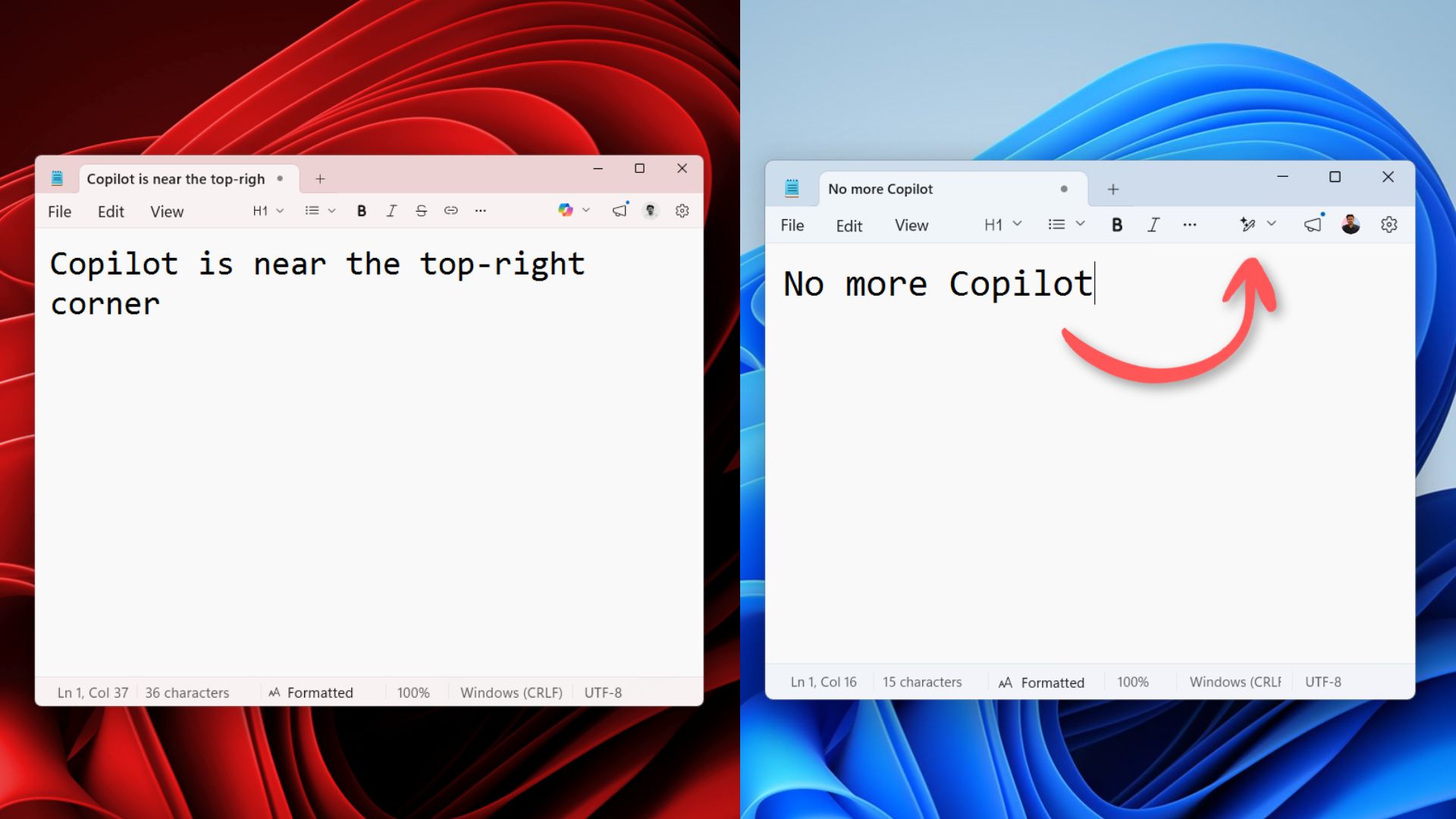
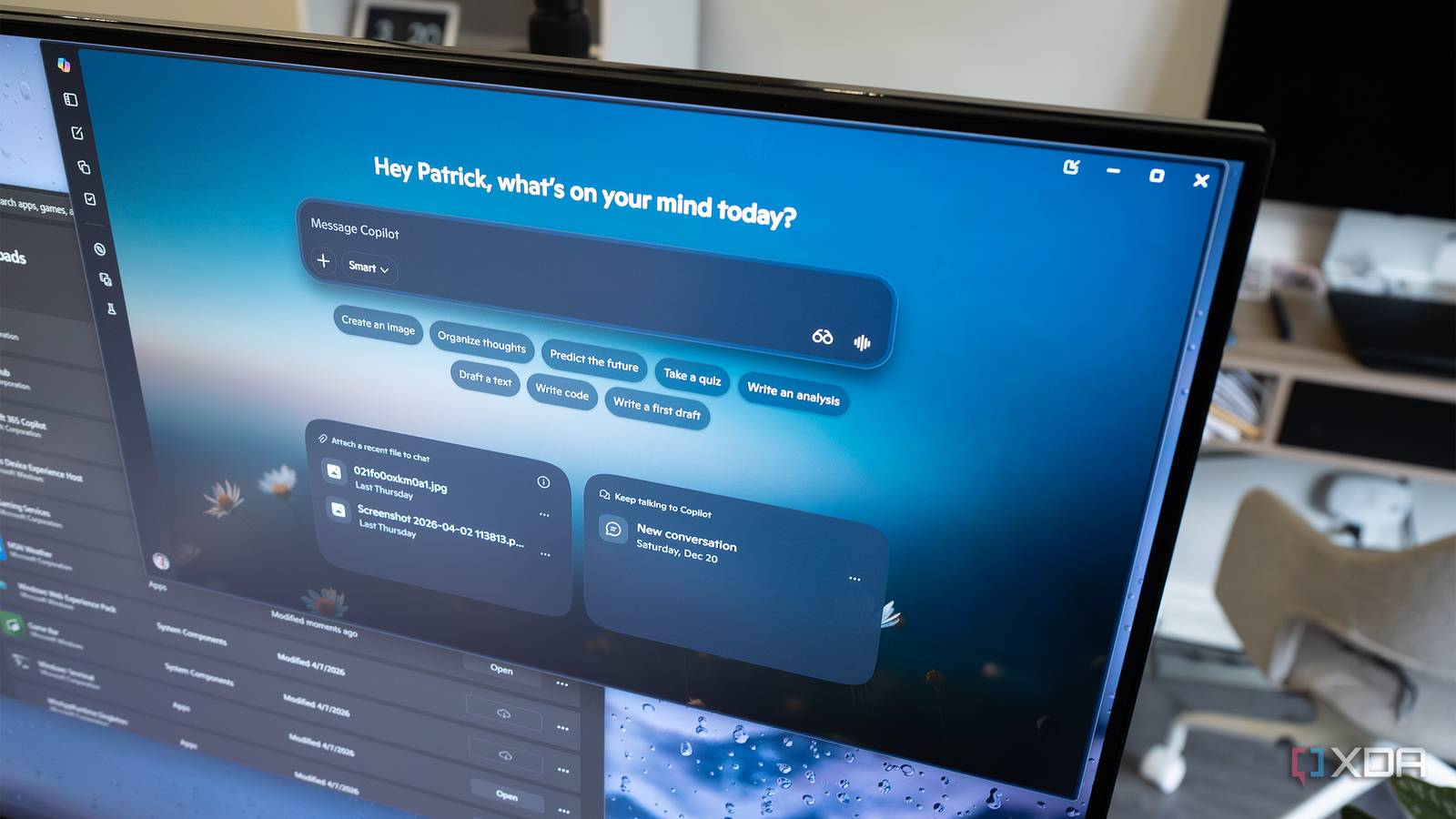
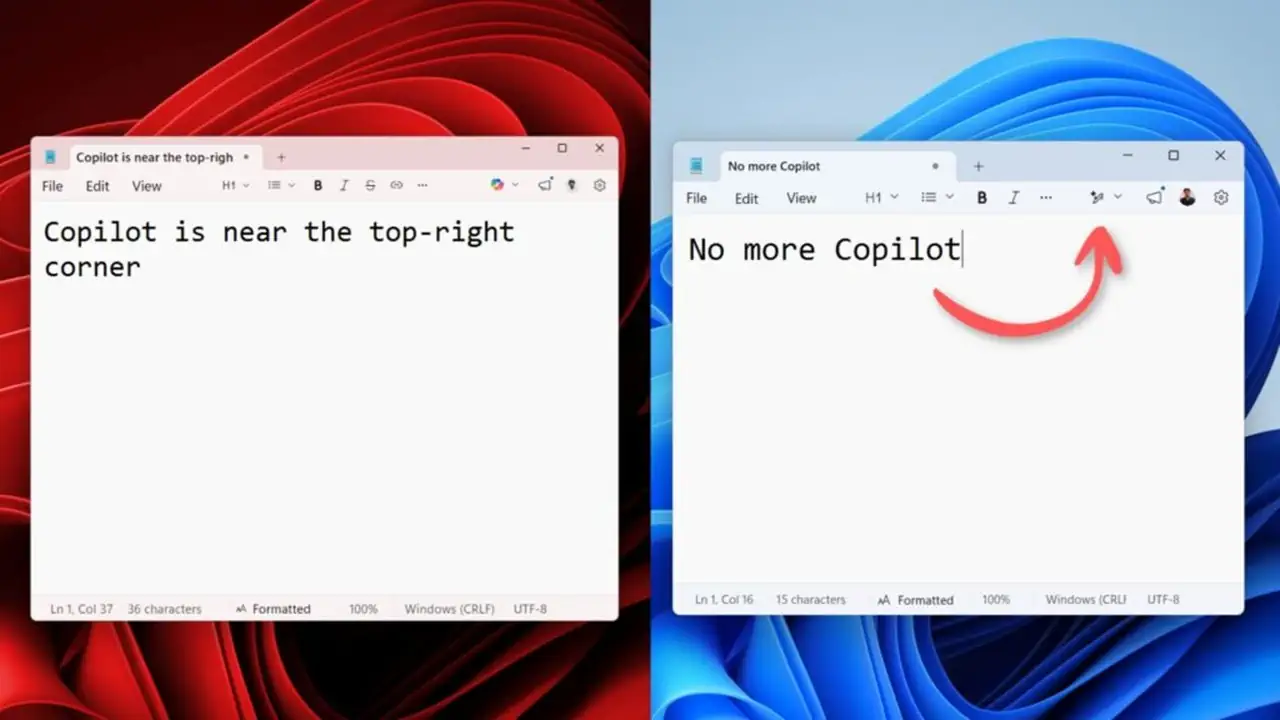
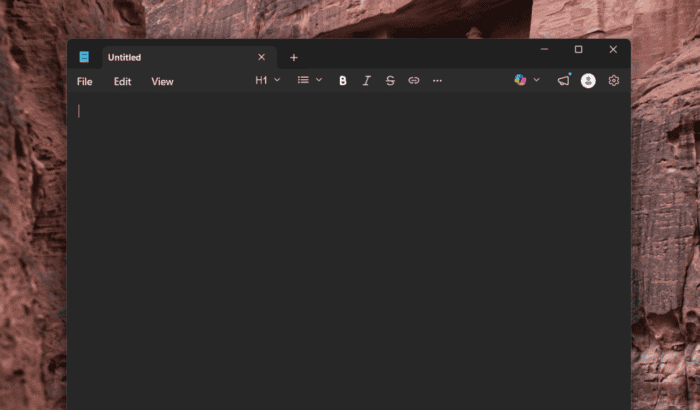
Microsoft's aggressive Copilot integration strategy has triggered significant user backlash and regulatory scrutiny, creating immediate opportunities for sellers in the privacy-first software and AI transparency tools market. Between late March and April 2026, Microsoft acknowledged overextending its AI push across Windows 11 applications—auto-installing M365 Copilot without user consent, adding a dedicated Copilot keyboard key with no remapping option, and embedding AI features across Notepad, Photos, Snipping Tool, and Widgets. Mozilla's public criticism, documented in April 2026 analysis, highlighted Microsoft's pattern of "deceptive design patterns" forcing adoption through automatic installations and default settings, mirroring historical antitrust concerns. Microsoft's subsequent rollback—removing Copilot branding from Notepad (version 11.2512.28.0) and eliminating it entirely from Snipping Tool—represents a strategic retreat, not genuine AI elimination.
For e-commerce sellers, this shift signals explosive demand for alternative productivity tools emphasizing user choice and AI transparency. Firefox 148's centralized "AI Controls" panel with a single "Block AI Enhancements" switch demonstrates the market's appetite for granular user control. Sellers can immediately capitalize on this trend by: (1) identifying and promoting privacy-first productivity software (document editors, screenshot tools, note-taking apps) that explicitly disable AI features by default; (2) creating content around "AI-free alternatives" to Microsoft Office, leveraging growing consumer awareness about forced AI integration; (3) developing browser extensions and utilities that disable unwanted AI features across Windows applications—a category currently underserved. The underlying AI functionality remaining in Microsoft's "rebranded" tools indicates the company recognizes AI's inevitability while attempting damage control through cosmetic changes.
This represents a critical inflection point in AI adoption strategy. Mozilla's emphasis on user agency and Firefox's persistent preference preservation (preventing silent re-enablement after updates) directly contradicts Microsoft's approach. Sellers should monitor this competitive divergence: companies prioritizing user control will gain market share from privacy-conscious segments (estimated 35-45% of enterprise and prosumer users based on historical antitrust case patterns). The gradual rollout of Microsoft's changes indicates cautious expectation management, suggesting the company anticipates continued user resistance. For sellers, this creates a 6-12 month window to establish market position in privacy-first productivity tools before Microsoft potentially reverses course or competitors consolidate the space. The broader implication: AI implementation strategies that respect user autonomy are becoming competitive differentiators, not optional features.
Questions 8
What market opportunity does this backlash create for e-commerce sellers?
The Microsoft Copilot backlash creates immediate demand for privacy-first productivity tools, AI transparency features, and browser extensions that disable unwanted AI integration. Sellers can capitalize by: (1) promoting alternative productivity software emphasizing user control (document editors, screenshot tools, note-taking apps); (2) creating content around 'AI-free alternatives' to Microsoft Office, leveraging growing consumer awareness; (3) developing utilities disabling AI features across Windows applications—currently underserved. Historical antitrust patterns suggest 35-45% of enterprise and prosumer users prioritize privacy-first tools. This represents a 6-12 month window to establish market position before competitors consolidate the space or Microsoft reverses course.
What alternative does Firefox 148 offer to Microsoft's AI integration approach?
Firefox 148 introduces a centralized 'AI Controls' panel allowing users to individually control or completely disable all AI features through a single 'Block AI Enhancements' switch. Critically, Firefox ensures user preferences persist across browser updates, preventing silent re-enablement of AI tools after upgrades—directly addressing Mozilla's criticism of Microsoft's approach. Mozilla VP Linda Griffin emphasized that genuine AI integration should prioritize user choice and control rather than corporate profit maximization. This represents a fundamental philosophical divergence: Firefox respects user agency by making AI features opt-in with persistent preferences, while Microsoft's strategy embedded AI across Windows components with complicated opt-out processes.