



Gmail Gemini Privacy Guarantees | Critical for E-Commerce Seller Data Security
- Google confirms zero AI training on personal emails; 2B users affected by upgrade requirements; sellers gain compliance confidence for customer data handling





Overview
Google's April 2026 Gmail privacy announcements represent a critical inflection point for e-commerce sellers managing customer communications and supplier coordination through Gmail infrastructure. The company has explicitly confirmed that Gemini AI does not train on personal email data, addressing widespread privacy concerns that have circulated since the platform's inception. This clarification comes as Google simultaneously requires 2 billion Gmail users to implement security upgrades affecting email authentication protocols (SPF/DKIM/DMARC), email deliverability rates, and account security features that directly impact seller operations.
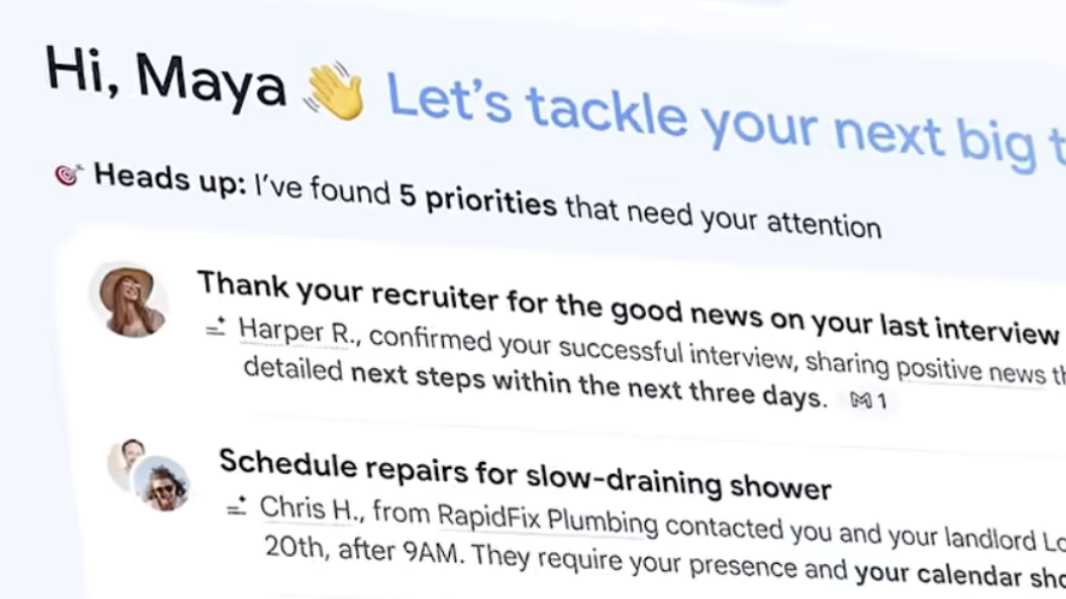
For cross-border e-commerce sellers, this dual announcement creates both compliance opportunities and operational challenges. The privacy guarantee eliminates a major risk vector: sellers can now confidently use Gemini's email summarization features for processing high-volume customer inquiries without exposing sensitive business data to AI model training. This is particularly valuable for sellers managing supplier communications, customer service workflows, and order-related correspondence across multiple time zones. The no-data-retention architecture means Gemini processes requests exclusively within the user's inbox environment, leaving no residual information after task completion—a critical distinction from competitors' approaches.
However, the mandatory Gmail upgrade requirements present immediate operational demands. Sellers must audit their email authentication infrastructure to ensure compliance with enhanced security standards. Many sellers using Gmail for business correspondence with suppliers, customers, and logistics partners may face deliverability issues if their authentication protocols aren't properly configured. The upgrade timeline remains unclear from available sources, but industry precedent suggests 60-90 day implementation windows for major Gmail security changes. Sellers relying on Gmail integrations with e-commerce platforms (Shopify, WooCommerce, Amazon Seller Central) should verify that their email automation workflows remain compatible with new authentication requirements.
The broader context reveals Google's strategic positioning in the AI era: emphasizing privacy-conscious implementation to differentiate Gmail from competitors and build trust with business users handling confidential information. This contrasts sharply with community skepticism about Google's broader data collection practices—the company continues harvesting email content analysis, contact data, location history, and search data for targeted advertising purposes, even while excluding this data from Gemini training. For sellers, this distinction matters operationally: Gemini features are safe for sensitive business communications, but Gmail's advertising profile targeting remains unchanged.
Questions 7
Does Google train Gemini AI models on my personal Gmail emails?
No. Google explicitly confirmed that Gemini does not train its foundational AI models on personal email messages, regardless of whether users enable Gemini features in Gmail. According to Blake Barnes, Google's VP of Product for Gmail, the company isolates Gemini access to specific, task-based functions like email summarization. When you grant Gemini access, it processes only the data necessary to complete your requested task and does not retain any information afterward. This no-data-retention architecture means your inbox contents remain completely private from AI model training, distinguishing Gmail from competitors who may use email data for broader AI development.
Can sellers use Gemini for processing sensitive customer and supplier data?
Yes, with important caveats. Google's no-data-retention architecture means Gemini processes requests exclusively within your inbox environment and does not retain information after task completion. This makes Gemini safe for summarizing customer inquiries, supplier communications, and order-related emails. However, sellers should understand that while Gemini doesn't train on this data, Google's broader data collection practices—email content analysis, contact data, location history—continue unchanged for advertising purposes. Sellers handling highly sensitive information (payment details, personal customer data) should review their specific use cases and consider whether Gemini's task-specific functions align with their data protection requirements.