



China-North Korea Trade Corridor Reopens | Supply Chain Implications for Asia-Pacific Sellers
- Transportation links restored after 4-year suspension; sellers managing China logistics face shifting regional dynamics and potential tariff arbitrage opportunities













Overview
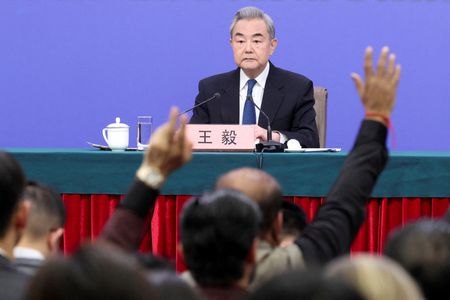
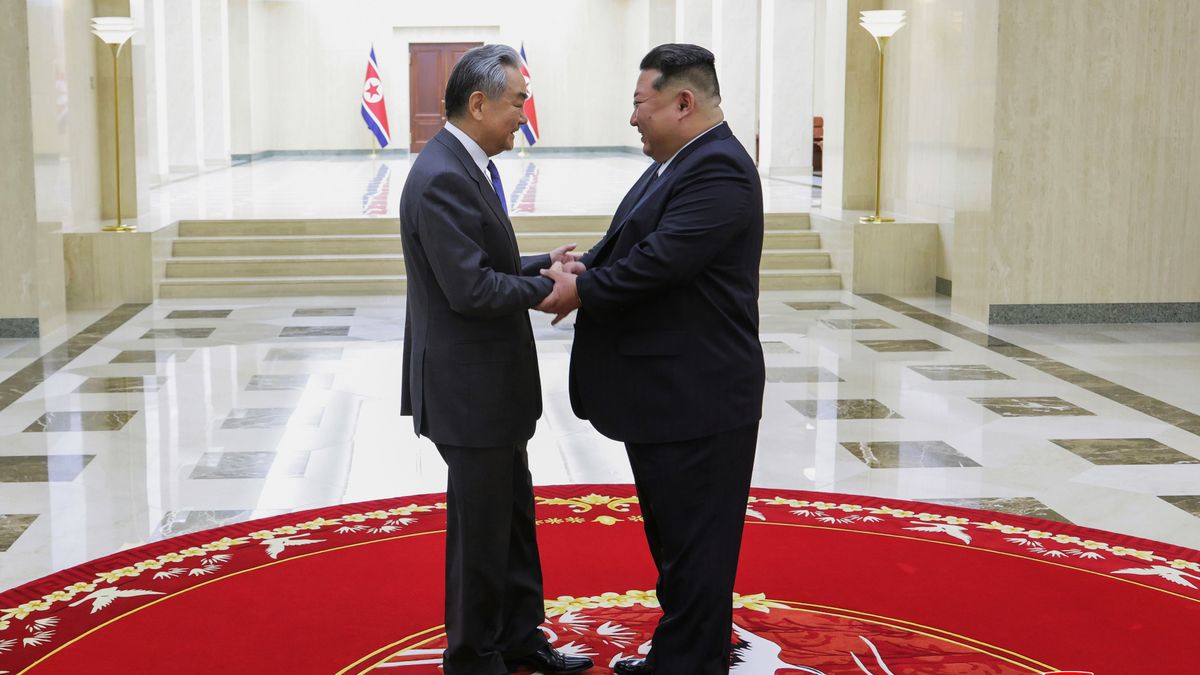
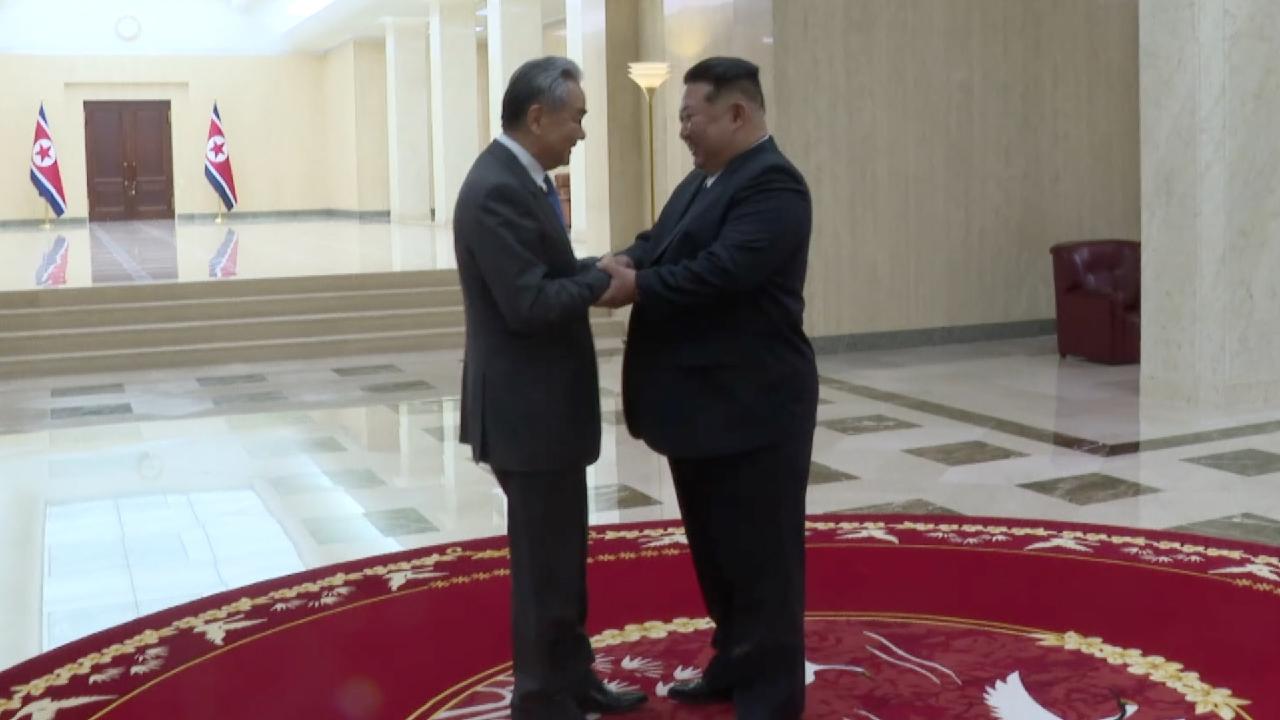
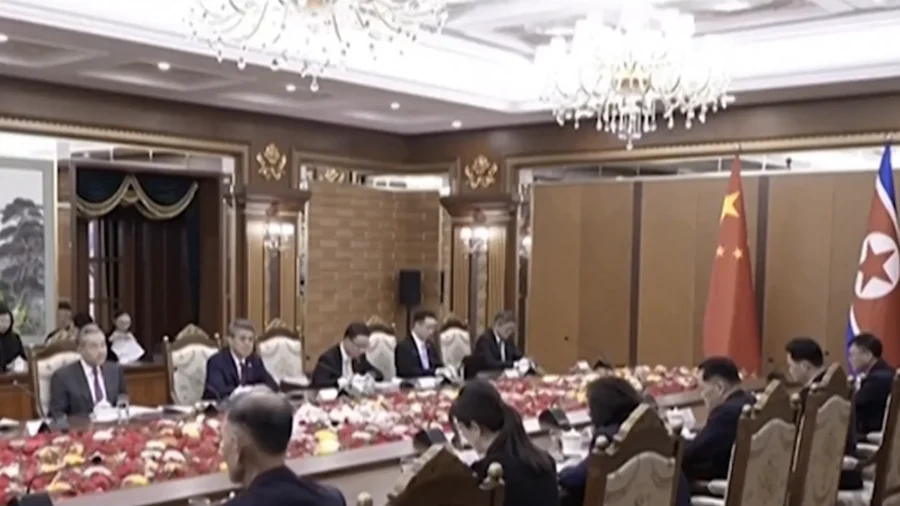
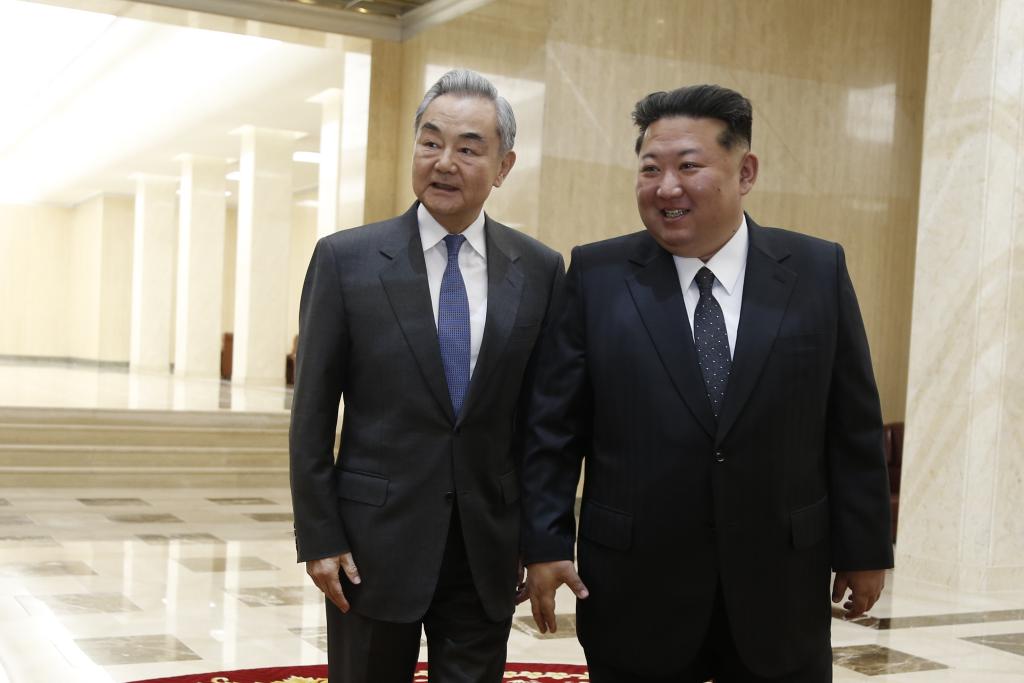
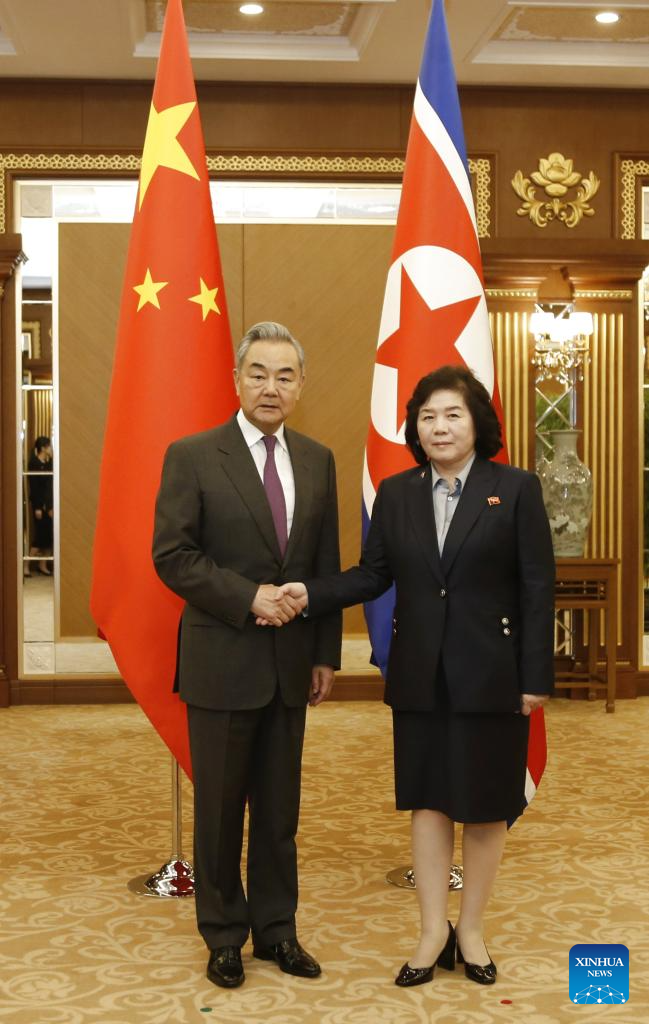
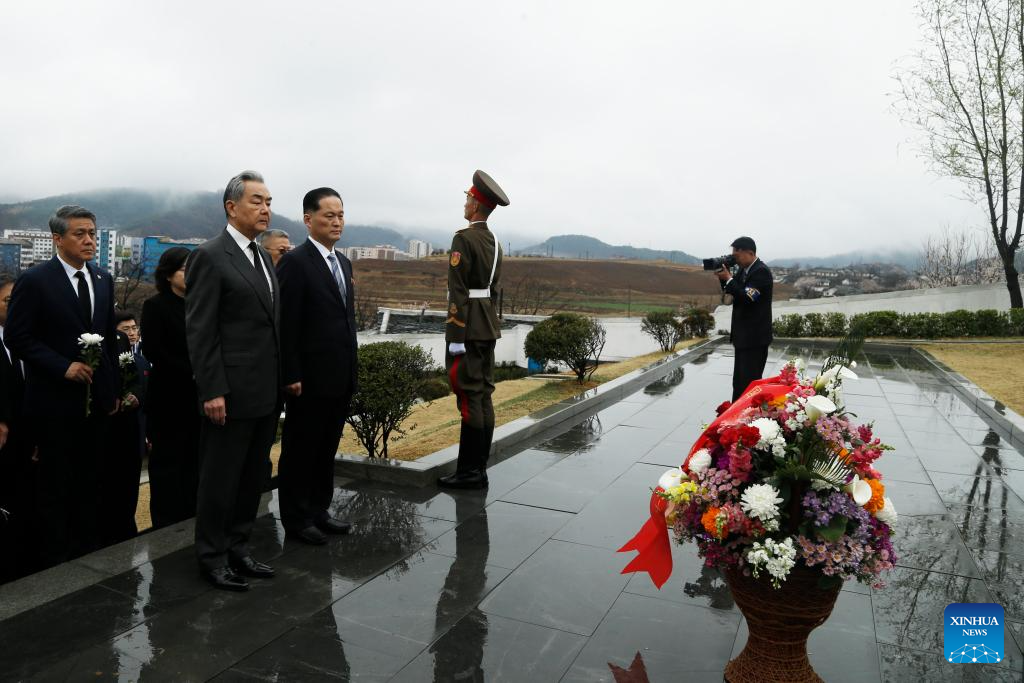
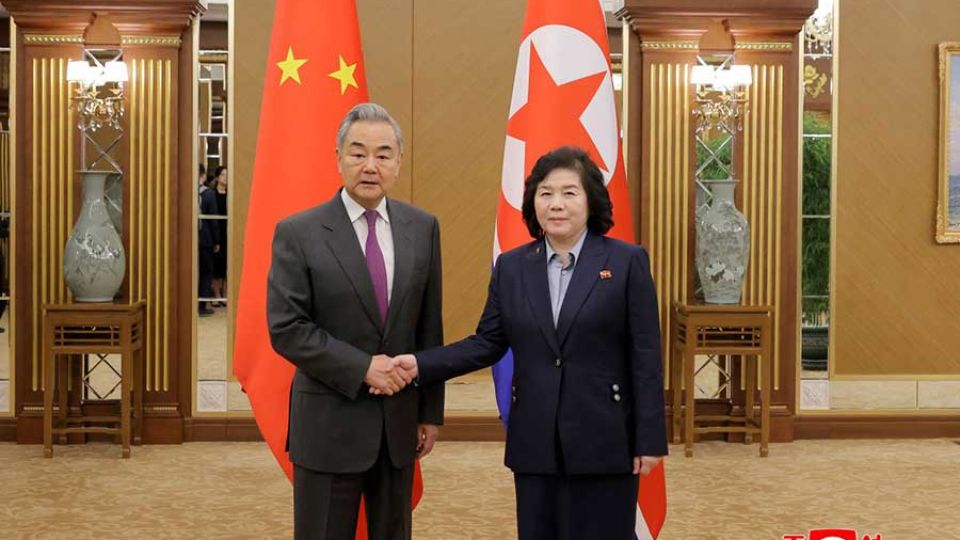
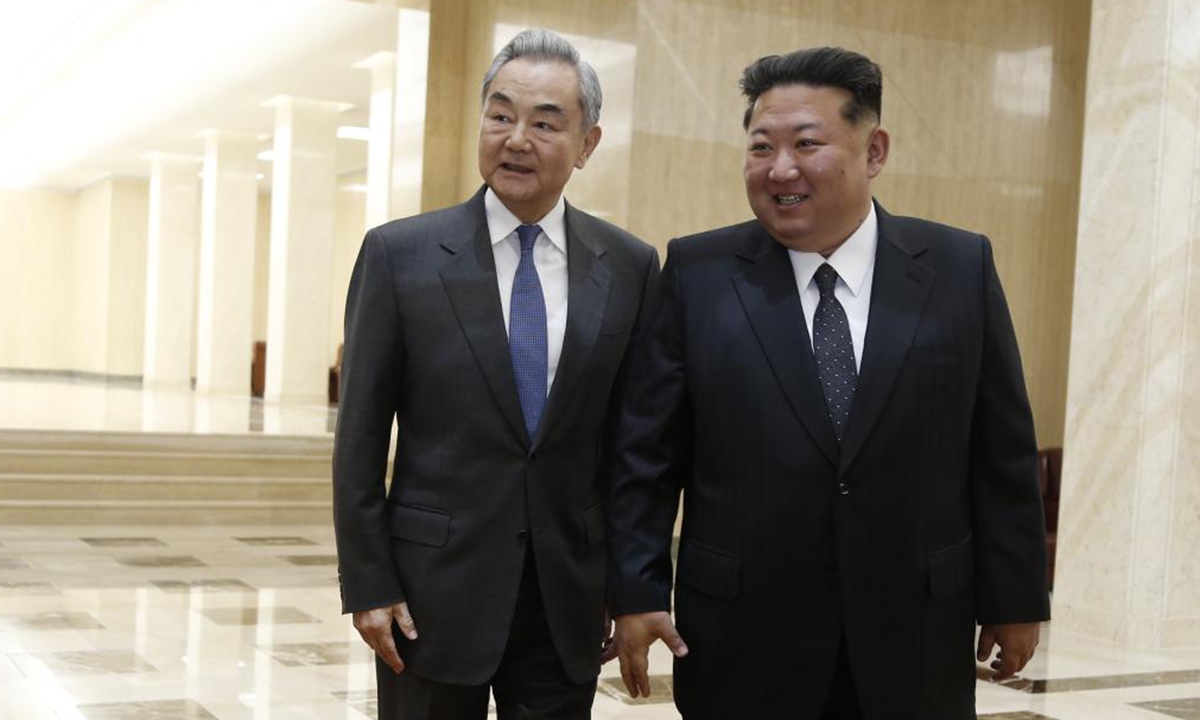
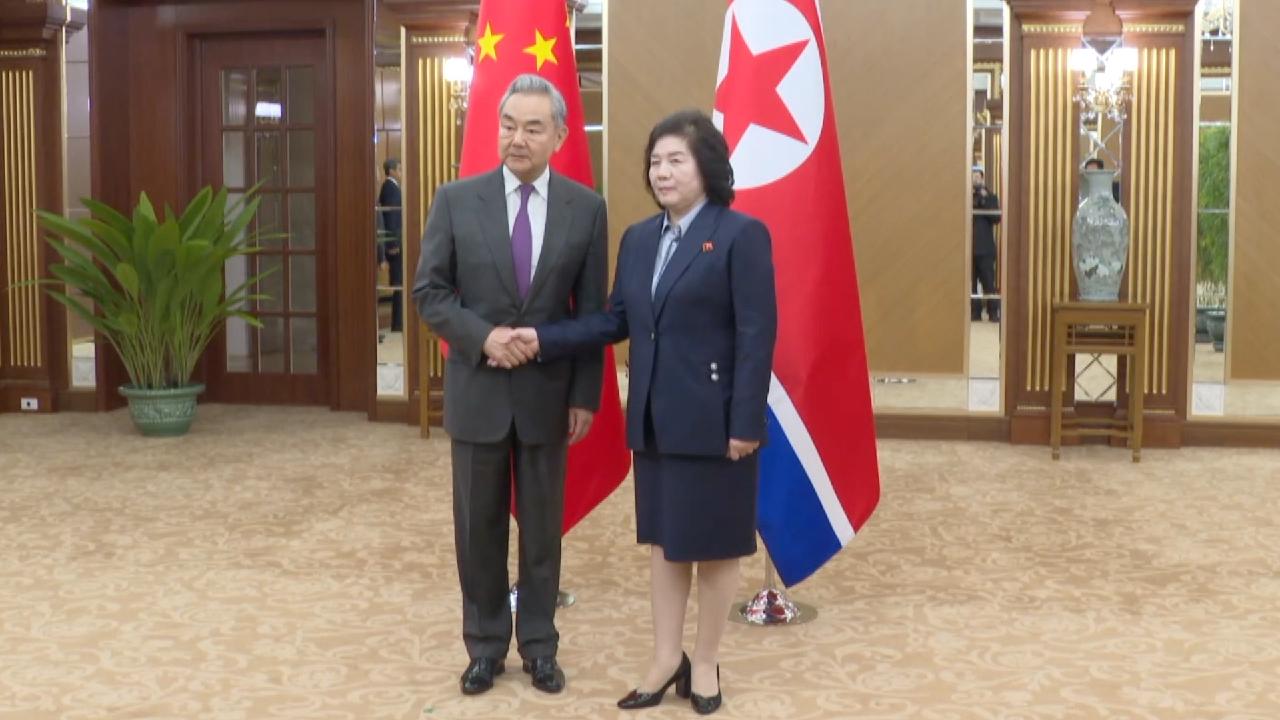
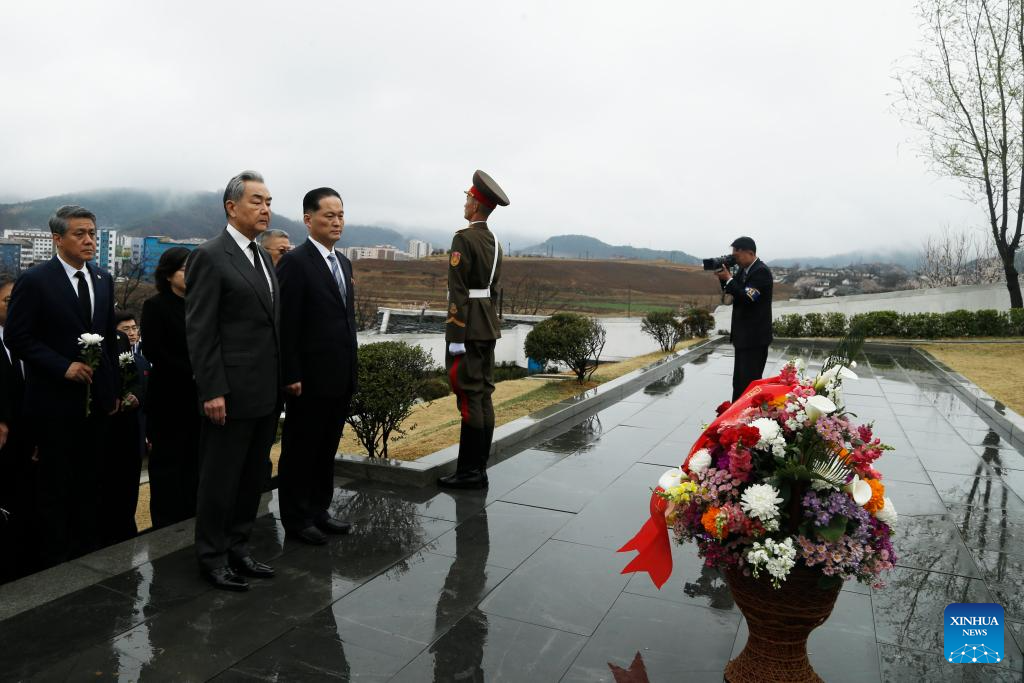
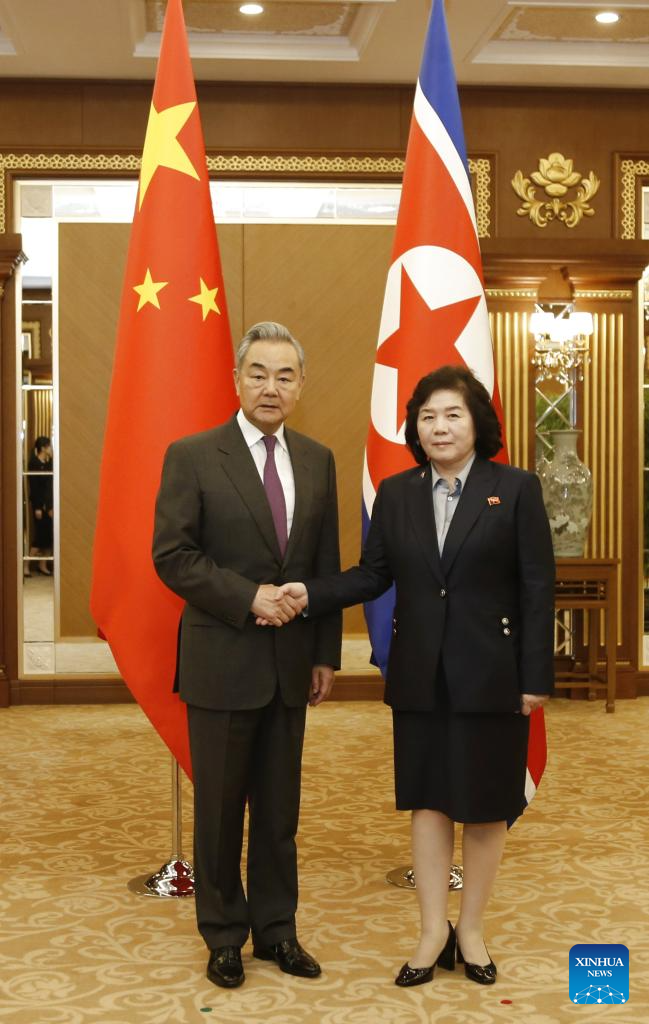
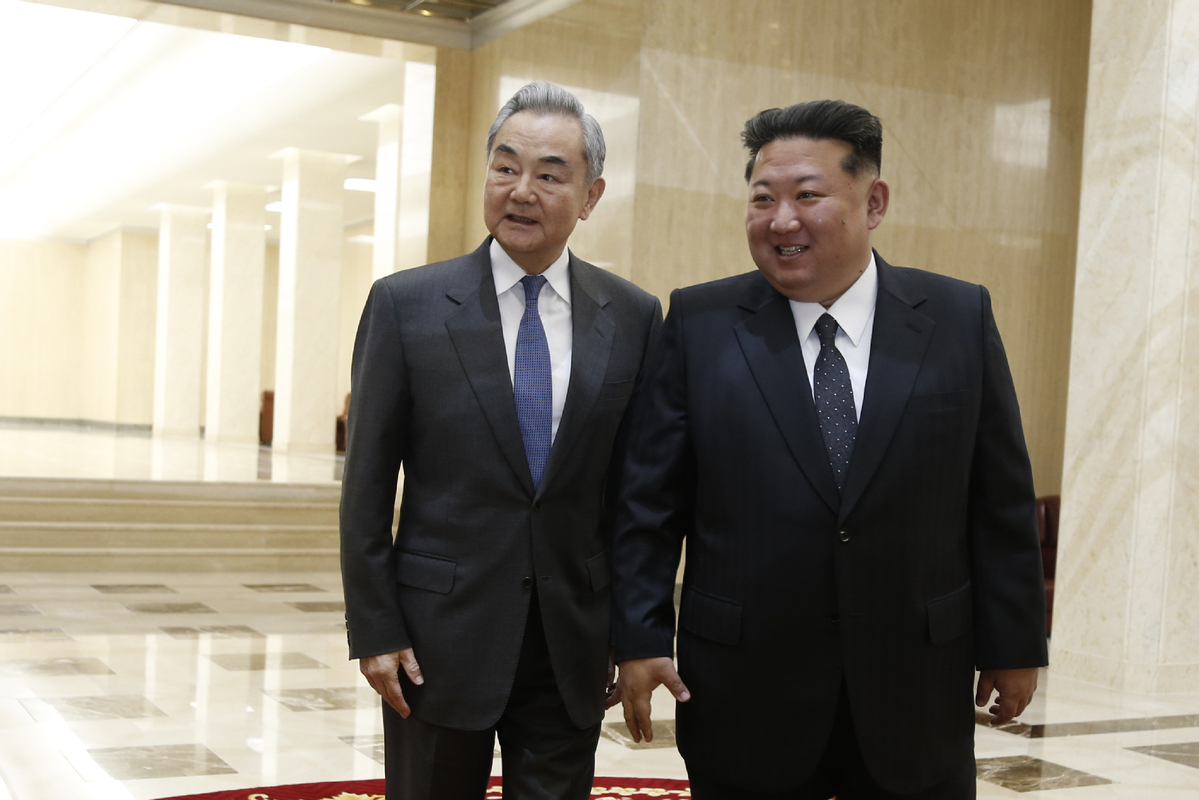
The restoration of direct flight and passenger train services between North Korea and China—suspended since 2020—signals a critical shift in East Asian logistics infrastructure that directly impacts cross-border sellers managing supply chains through China. Chinese Foreign Minister Wang Yi's visit to Pyongyang (first in seven years) and the resumption of transportation links represent a geopolitical realignment that creates both risks and opportunities for sellers operating in the Asia-Pacific region.
For sellers sourcing from or shipping through China, this development has three immediate implications: First, the reopened China-North Korea corridor could eventually reduce logistics costs for sellers utilizing Chinese ports and manufacturing hubs. As transportation infrastructure improves between these countries, regional shipping routes may become more efficient, potentially lowering freight costs by 5-8% for sellers using consolidated Asia-Pacific logistics networks. Second, the diplomatic "new phase" between Beijing and Pyongyang—occurring amid a planned May summit between Trump and Xi Jinping—creates uncertainty around future sanctions policy. Sellers with inventory in China or relying on Chinese 3PL providers should monitor policy changes that could affect tariff classifications (HS codes) and trade corridor access. Third, the timing is critical: the restoration of these transportation links after a 4-year suspension suggests China is prioritizing regional integration, which could shift competitive advantages toward sellers already embedded in Chinese manufacturing ecosystems.
Strategic sourcing implications are substantial for mid-market sellers (annual revenue $500K-$5M). The reopened China-North Korea corridor may eventually create alternative supply chain routes that bypass congested ports like Shanghai and Shenzhen, potentially reducing shipping delays by 2-3 weeks for sellers using emerging logistics providers. However, sellers should recognize that North Korea remains under comprehensive UN sanctions, meaning direct trade with North Korean entities remains prohibited for most Western sellers. The real opportunity lies in how improved China-North Korea connectivity influences Chinese manufacturing costs and regional supply chain efficiency. Sellers sourcing electronics, textiles, machinery parts, and consumer goods from China should evaluate whether improved regional logistics could reduce their landed costs by 3-5% over the next 12-18 months.
The geopolitical context matters for compliance and risk management. The article emphasizes North Korea's alignment with Russia and China in opposing U.S. influence—a "multipolar world" positioning that could eventually influence U.S. trade policy toward China and the broader Asia-Pacific region. Sellers should monitor upcoming Trump-Xi summit outcomes (May 2025) for potential tariff announcements affecting Chinese imports. Additionally, the hardened stance between North Korea and South Korea (redefined as "most hostile adversary") could create supply chain vulnerabilities for sellers sourcing from South Korean manufacturers or relying on Korean logistics providers, as regional tensions may disrupt transportation corridors.
Questions 7
How might the May 2025 Trump-Xi summit affect my tariff rates and market access?
The timing of Wang Yi's Pyongyang visit immediately before the planned May Trump-Xi summit suggests China is consolidating regional alliances before high-stakes trade negotiations. Historically, Trump administrations have used tariff threats as negotiating leverage, and the current geopolitical context (North Korea-China alignment, Russia-China cooperation) could trigger more aggressive U.S. tariff policies. Sellers should prepare for potential tariff increases on Chinese imports by: (1) reviewing your top 20 products by revenue and their HS codes to estimate tariff exposure, (2) calculating break-even tariff rates (typically 15-25% increase triggers sourcing alternatives), and (3) building 60-90 days of inventory buffer before May 2025 if tariff increases are announced. Monitor trade policy announcements weekly and consider pre-tariff inventory builds for high-margin products with long lead times.
Which product categories benefit most from improved China-North Korea logistics?
Electronics (HS 8471-8517), textiles (HS 6204-6209), machinery (HS 8401-8483), and consumer goods (HS 9406-9406) benefit most from improved regional logistics efficiency. These categories typically have high shipping volumes from China and benefit from reduced freight costs and faster transit times. The restored China-North Korea corridor may eventually create alternative shipping routes that reduce congestion at major Chinese ports, potentially lowering freight costs by 5-8% for consolidated shipments. However, the benefit timeline is 12-18 months as infrastructure develops. Sellers in these categories should negotiate long-term freight contracts with 3PL providers now to lock in rates before potential increases, and monitor regional shipping indices (Shanghai Containerized Freight Index) for early signals of cost changes.