




Gaza Reconstruction Funding Gap Creates $70B Supply Chain Opportunity for Cross-Border Sellers
- $16B funding shortfall signals emerging market for construction materials, humanitarian supplies, and infrastructure products across Middle East e-commerce platforms


Overview
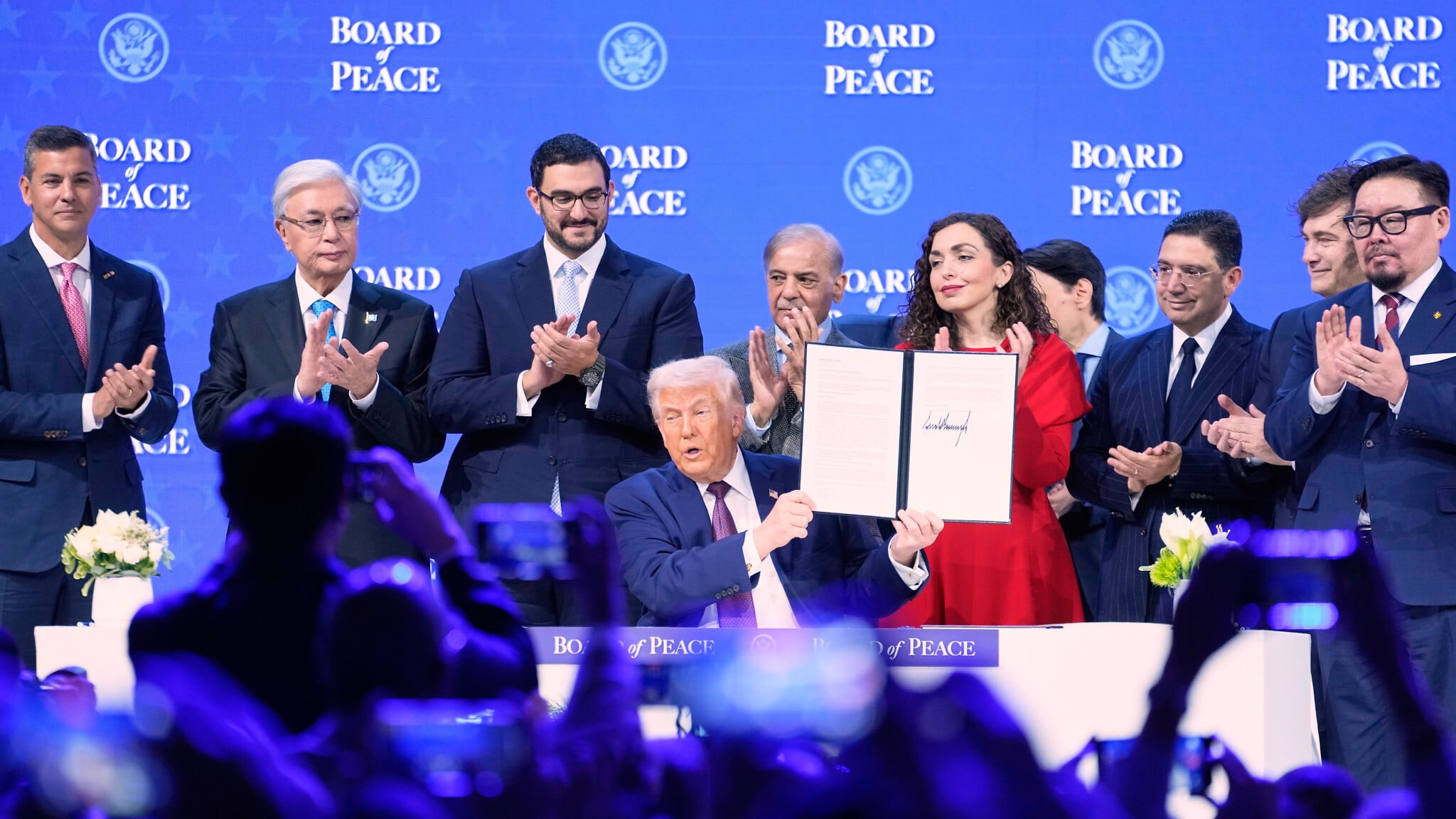
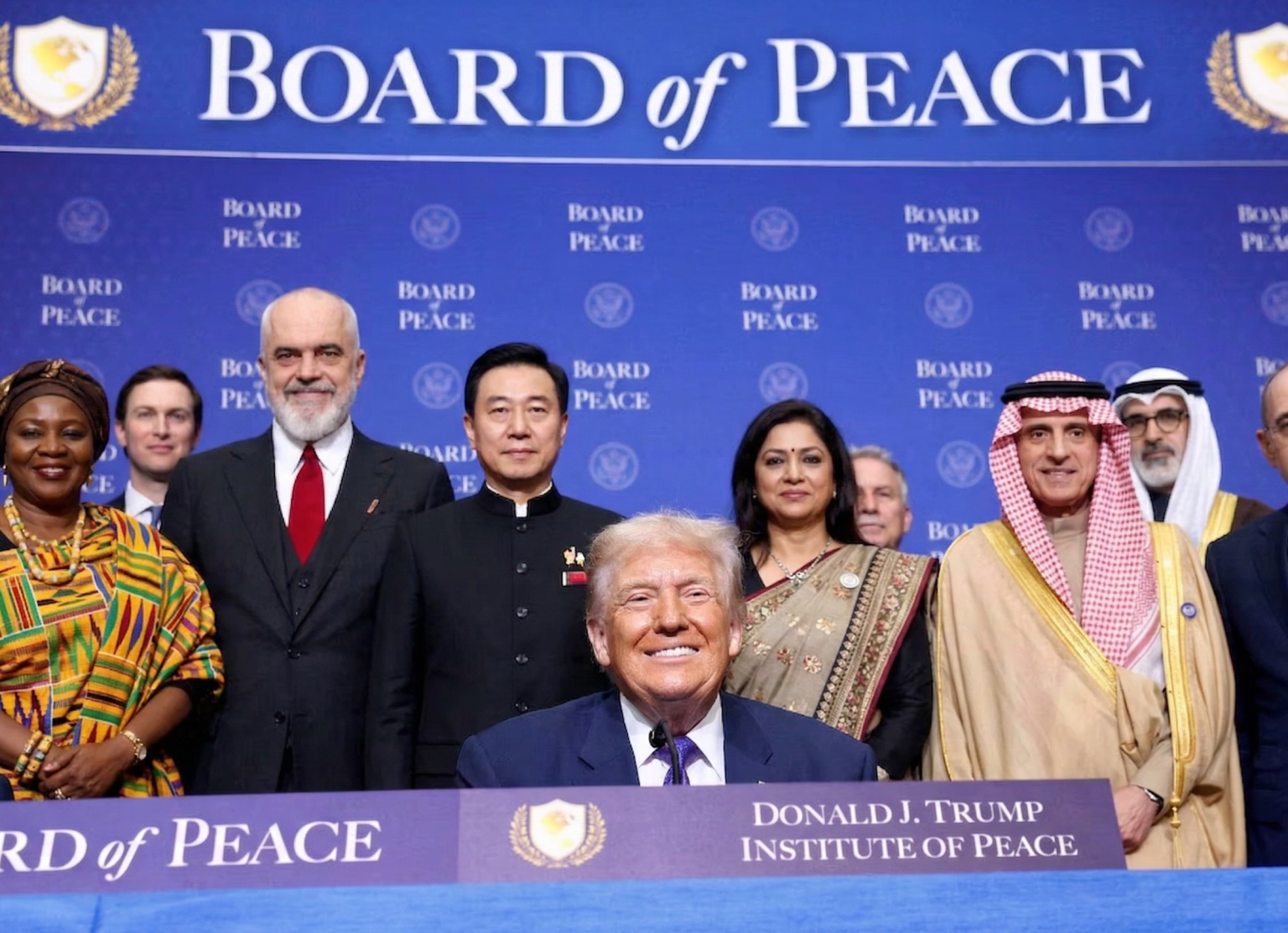
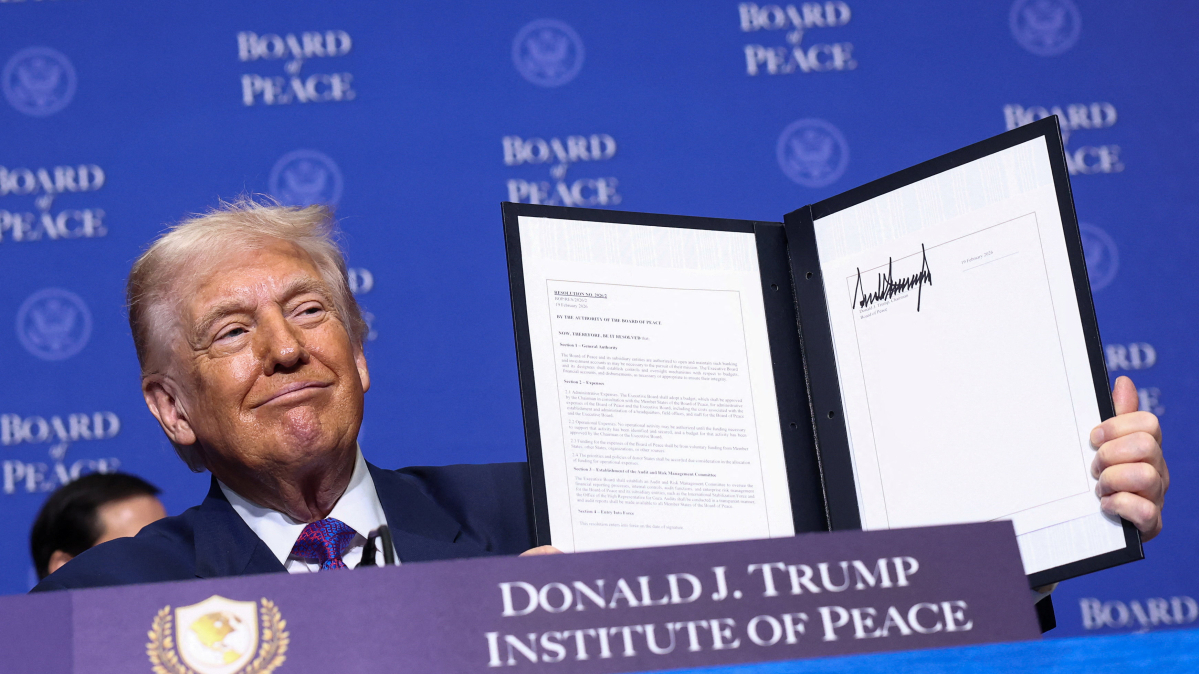
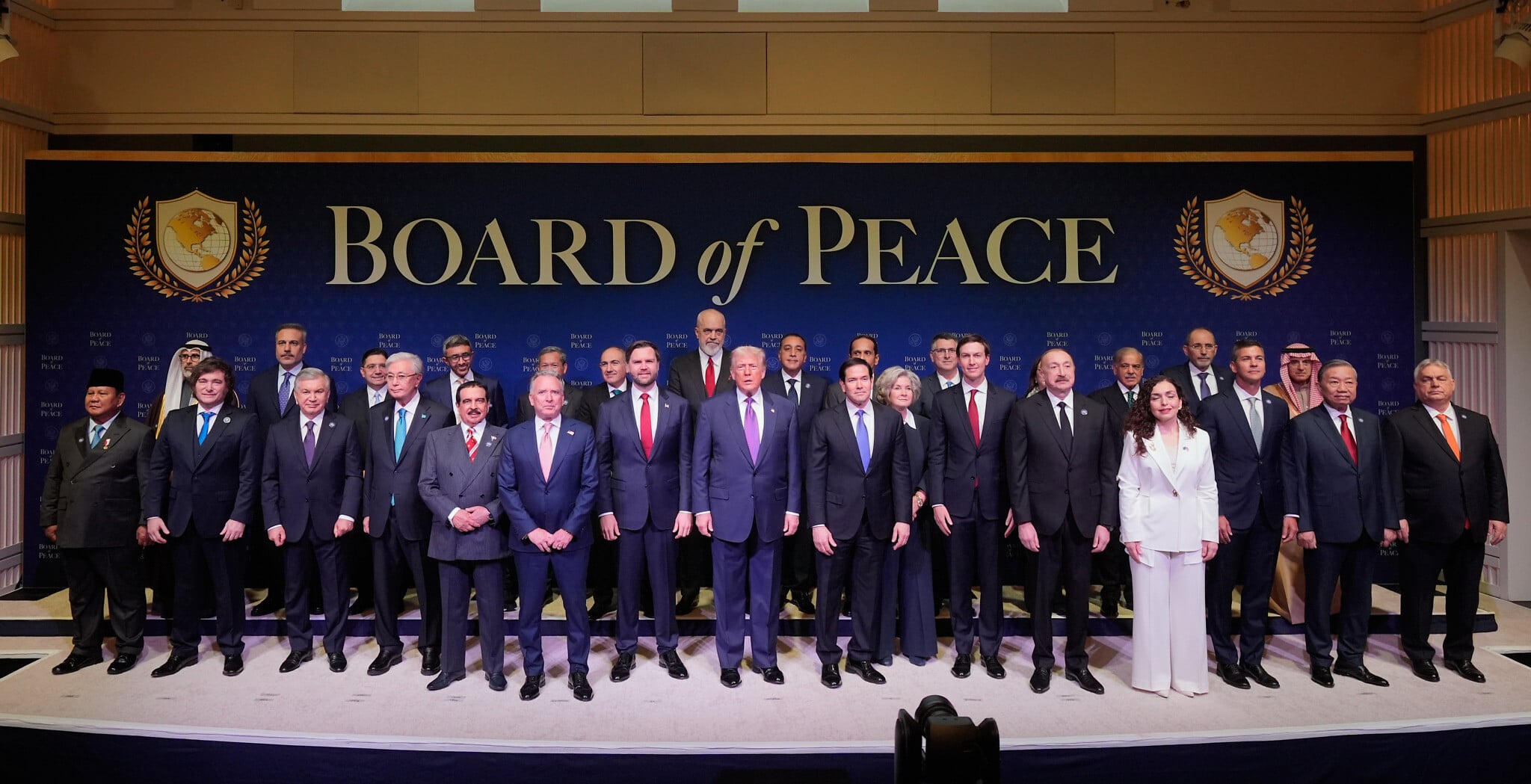
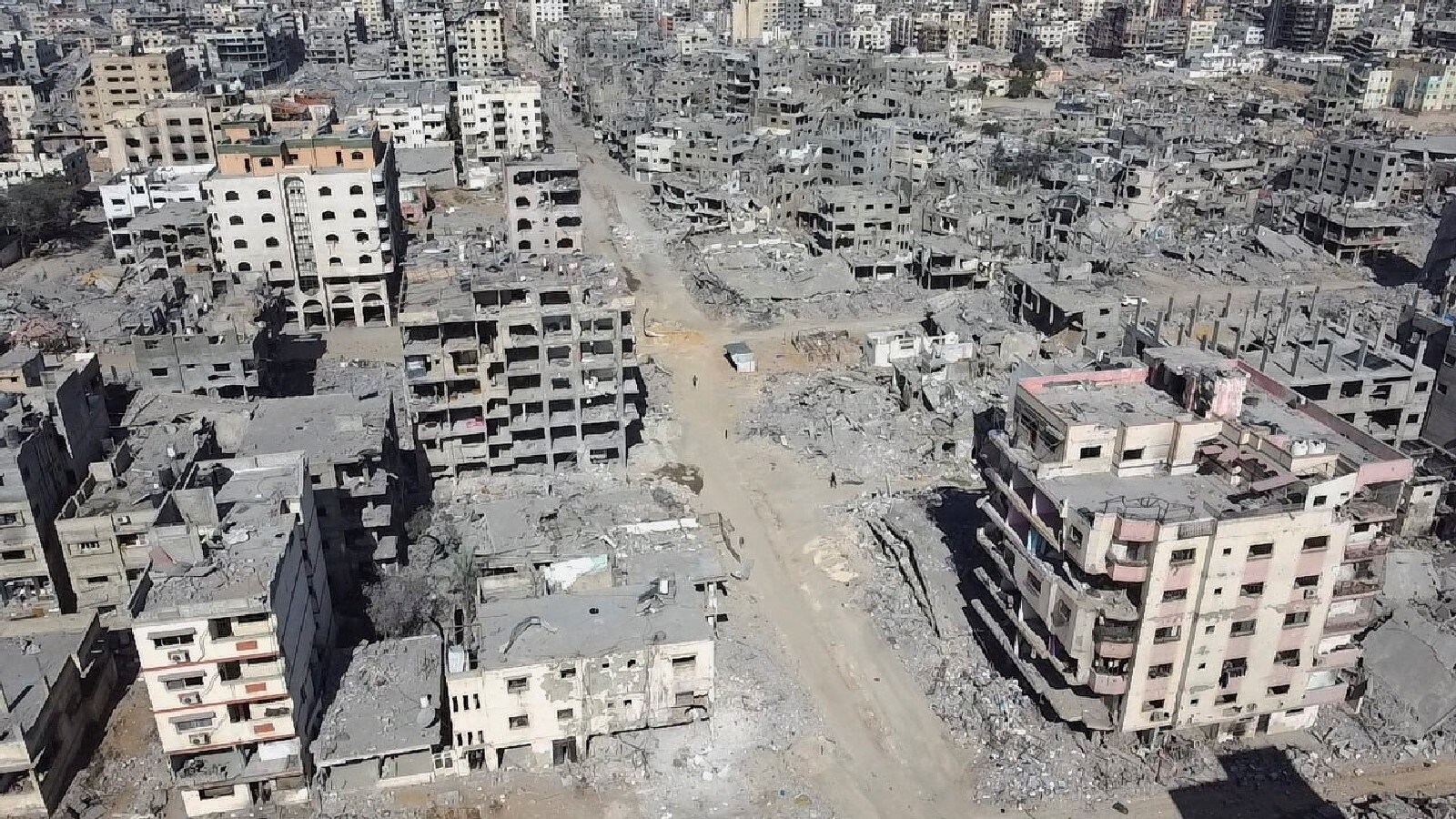
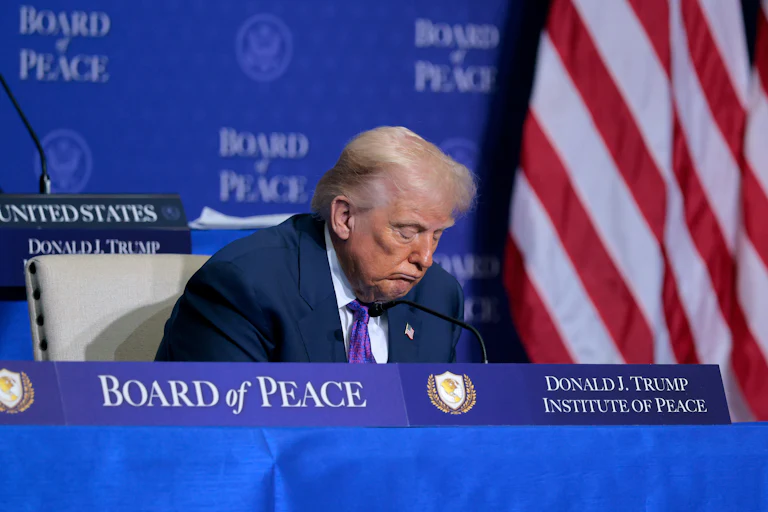
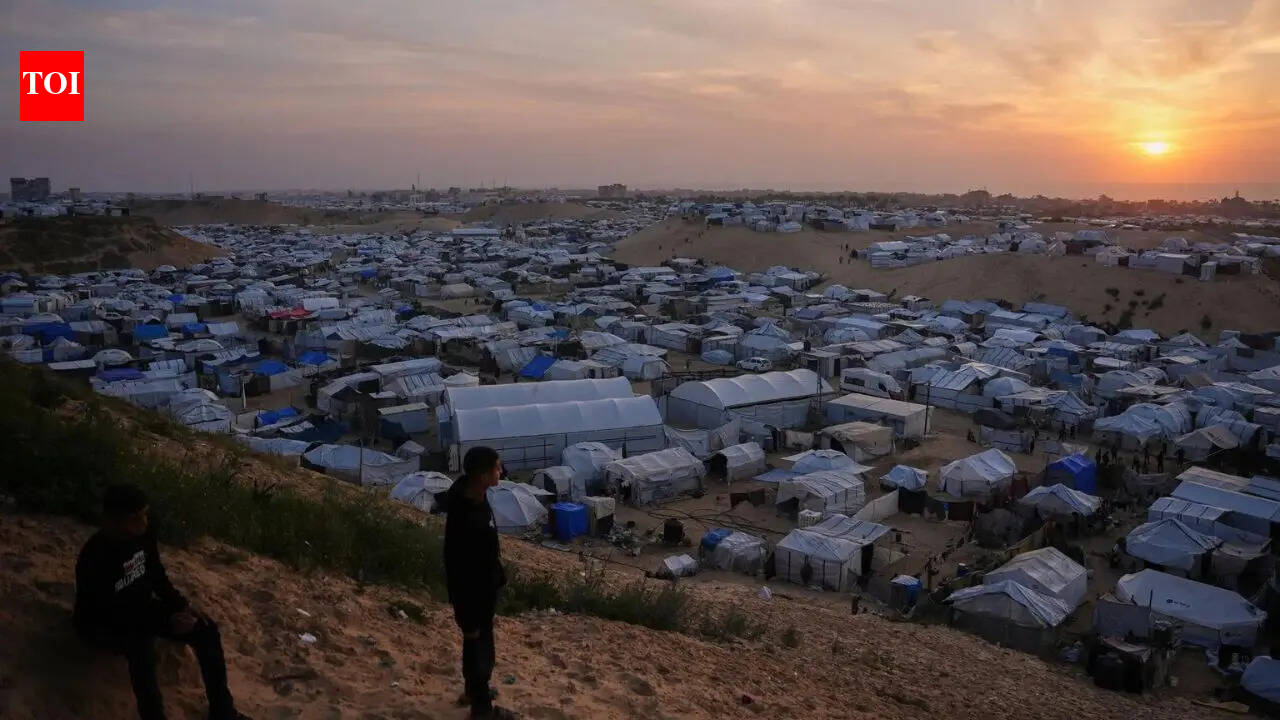
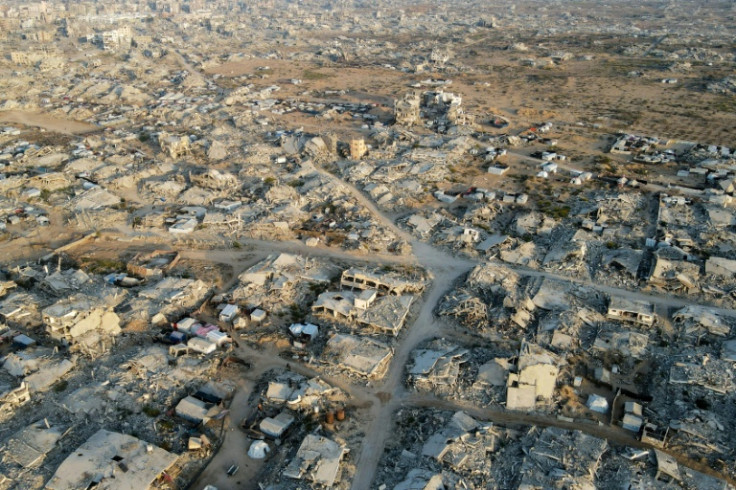
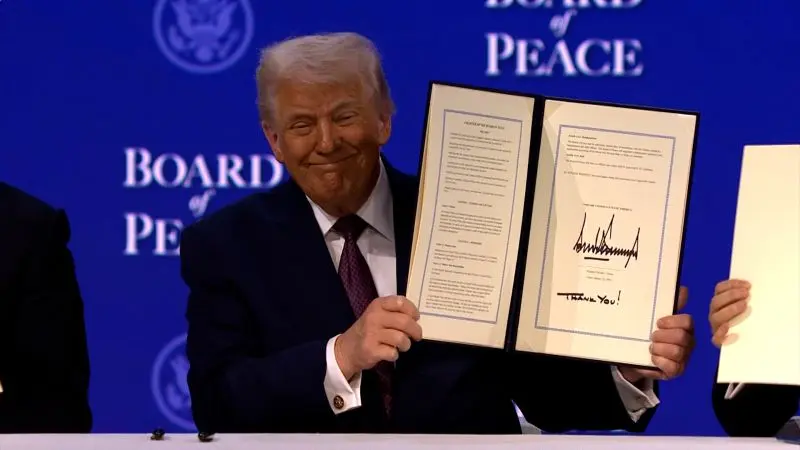
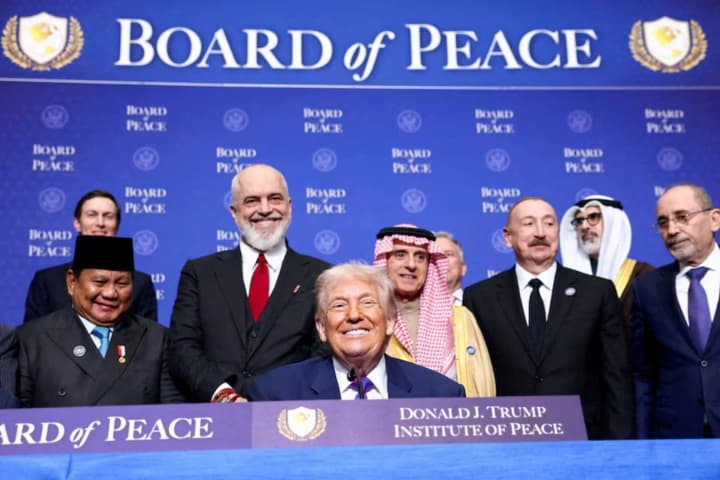
Trump's Board of Peace initiative reveals a critical $70 billion reconstruction opportunity masked by immediate funding constraints. The initiative, formally established January 22, 2026 at Davos, pledged $17 billion from international allies for Gaza's post-conflict rebuilding, yet only $1 billion has materialized as of April 2026—with just 3 of 10 pledging nations (UAE, Morocco, US) delivering funds. This funding gap directly impacts cross-border e-commerce sellers through multiple supply chain vectors: (1) Construction Materials & Infrastructure Products: Gaza's rehabilitation requires rebuilding 80% of destroyed structures, creating demand for cement, steel, electrical components, and building supplies through regional procurement channels. Sellers specializing in industrial materials can target UAE and Moroccan importers now positioning themselves as reconstruction suppliers. (2) Humanitarian & Medical Supplies: News reports document severe shortages in clean water systems, medical supplies, and food products. E-commerce sellers offering water purification equipment, medical devices, and nutritional products can access emerging procurement networks as reconstruction timelines extend. (3) Regional Market Expansion: The funding crisis delays NCAG (National Committee for Administration of Gaza) governance transition, extending the reconstruction timeline from 2-3 years to potentially 5+ years. This extended timeline creates sustained demand for imported goods, benefiting sellers with inventory positioned for long-term Middle East distribution. (4) Geopolitical Risk Pricing: The fragile ceasefire (700+ deaths since October 2023) and escalation risks create supply chain volatility. Sellers can capitalize on premium pricing for critical supplies and establish alternative sourcing relationships with UAE and Morocco-based distributors. The Board's denial of funding constraints (despite Reuters documentation) signals political pressure to maintain investor confidence, suggesting actual funding may accelerate in Q2-Q3 2026. Sellers should monitor reconstruction tender announcements through NCAG and international development organizations, as formal procurement processes typically follow funding releases by 4-6 weeks.
Questions 8
How should sellers price products for Gaza reconstruction versus standard Middle East markets?
Gaza reconstruction pricing typically commands 15-25% premiums over standard Middle East rates due to: (1) Supply Urgency—critical infrastructure needs create inelastic demand; (2) Geopolitical Risk—conflict-zone premiums for supply chain reliability; (3) Procurement Scale—bulk orders from international organizations typically accept higher unit costs for guaranteed delivery. Sellers should implement tiered pricing: standard rates for UAE/Morocco distributors (who absorb risk), premium rates (20-25%) for direct NCAG/international organization contracts, and emergency rates (30-40%) for critical shortage items. Historical post-conflict markets (Iraq, Syria, Afghanistan) show reconstruction premiums sustain for 18-24 months before normalizing. Establish separate pricing models for humanitarian vs. commercial reconstruction procurement.
Which regional e-commerce platforms should sellers use for Gaza reconstruction products?
Primary platforms for Middle East reconstruction procurement: (1) Alibaba/Global Sources—for bulk construction materials and industrial equipment sourcing by UAE/Morocco importers; (2) Amazon Business—for smaller-scale medical and humanitarian supplies; (3) Regional Platforms—Noon.com (UAE), Jumia (regional coverage), and Souq.com for distributor relationships. However, formal reconstruction procurement flows through B2B channels: World Bank e-procurement portal, UN Global Marketplace, and direct NCAG tender announcements. Sellers should maintain presence on both consumer platforms (for distributor visibility) and B2B procurement platforms (for direct contract opportunities). UAE-based sellers have 2-3 month competitive advantage due to geographic proximity and existing distributor networks.