


Samsung's Strategic Tightrope: Incremental Innovation Meets Cost Control in Galaxy S26 Launch
- Magnetic Ecosystem and Conservative Design Signal Careful Market Navigation for Smartphone Manufacturers







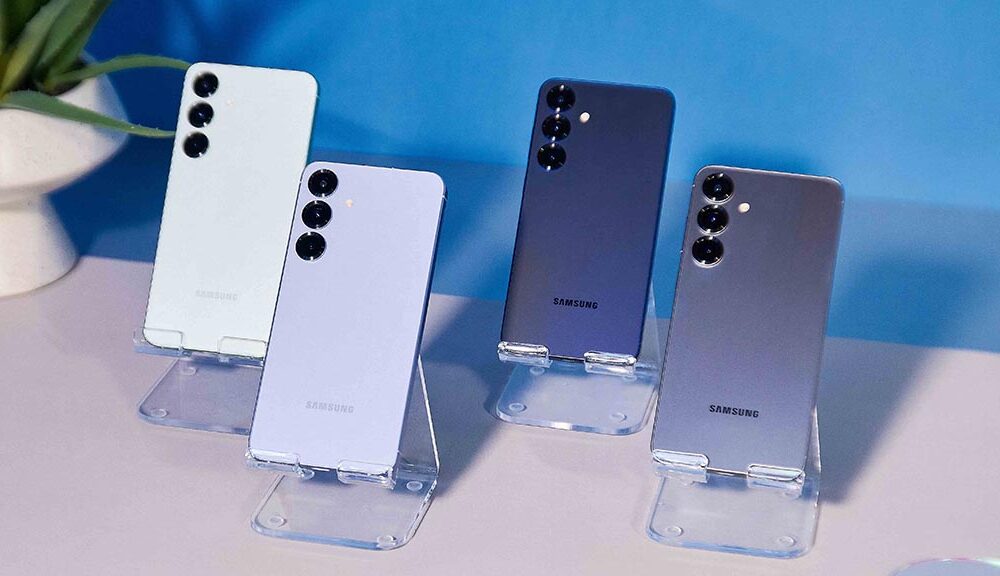







Overview
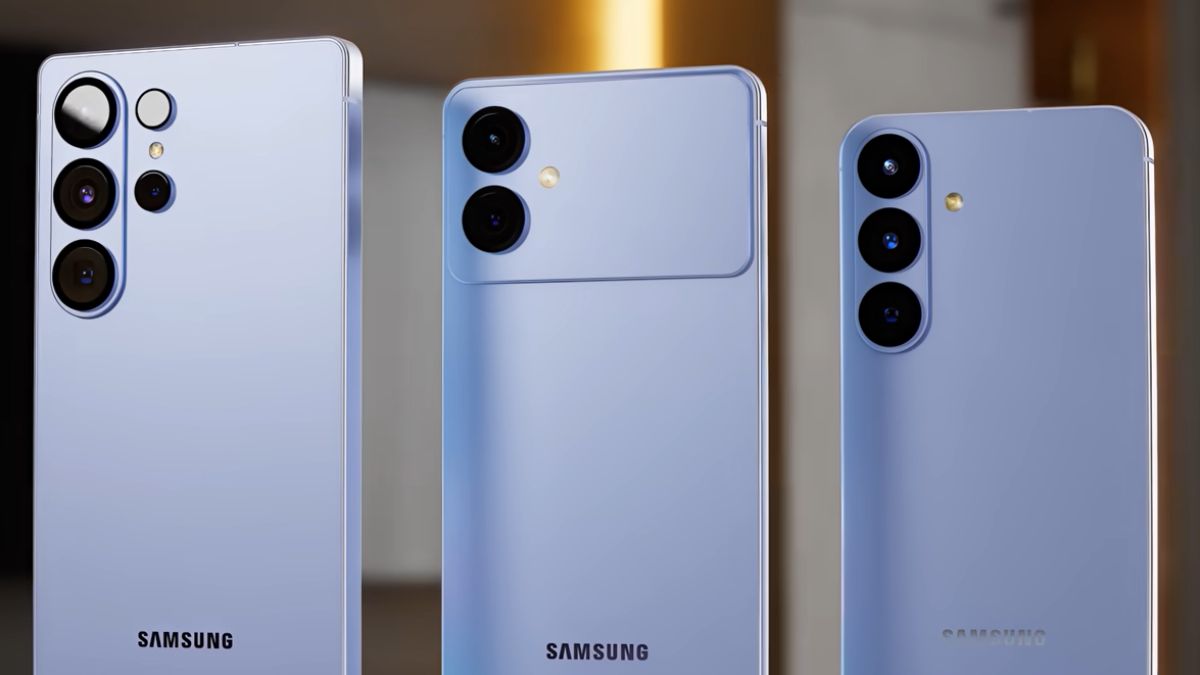
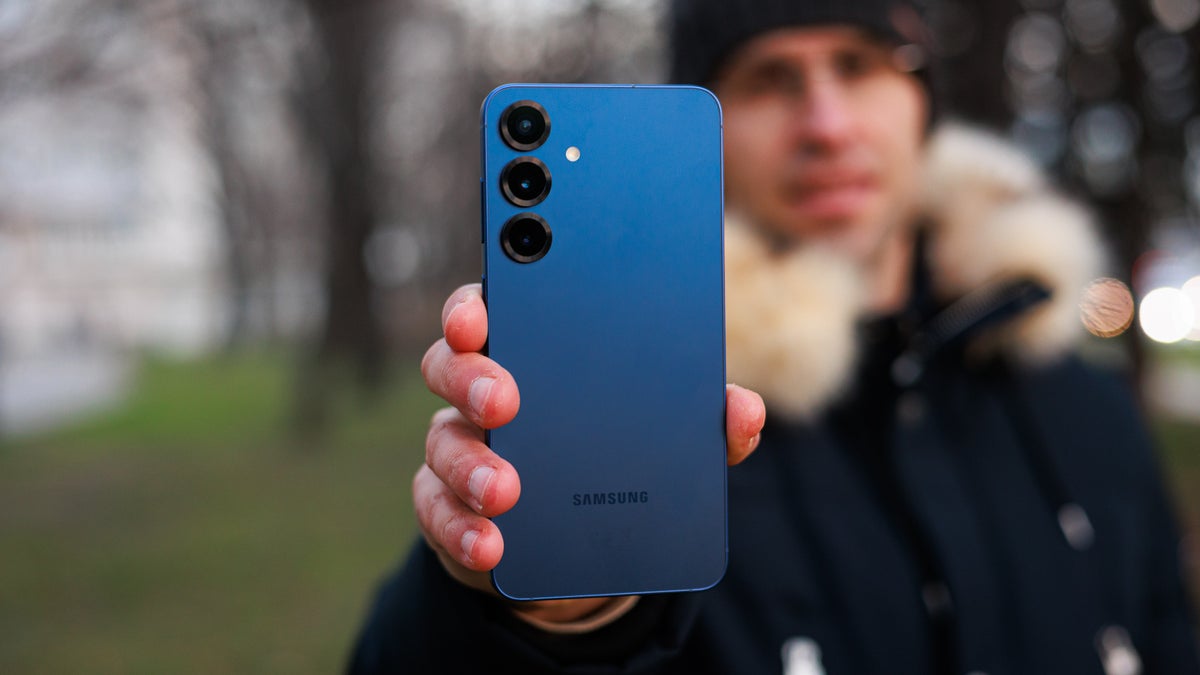
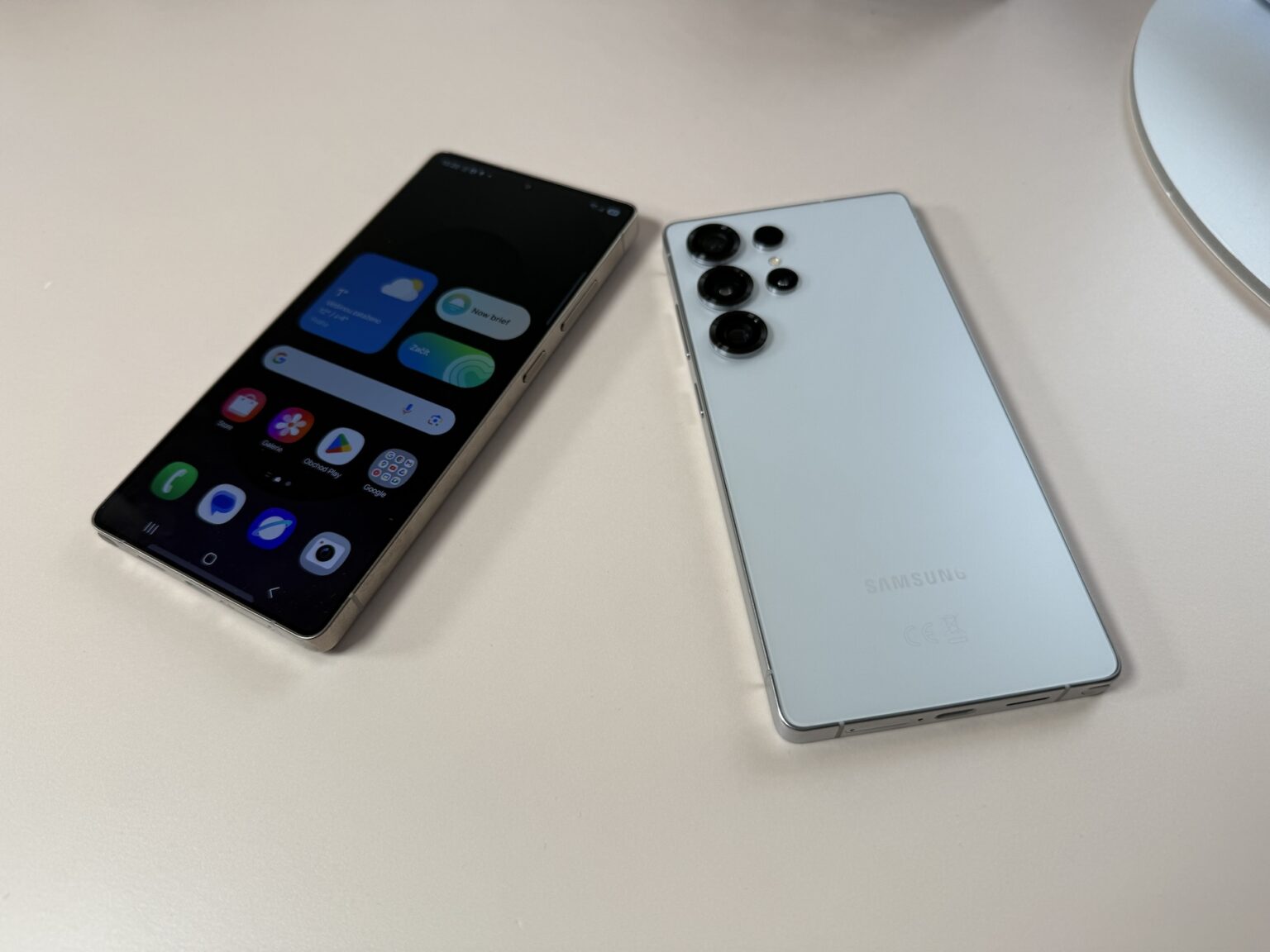
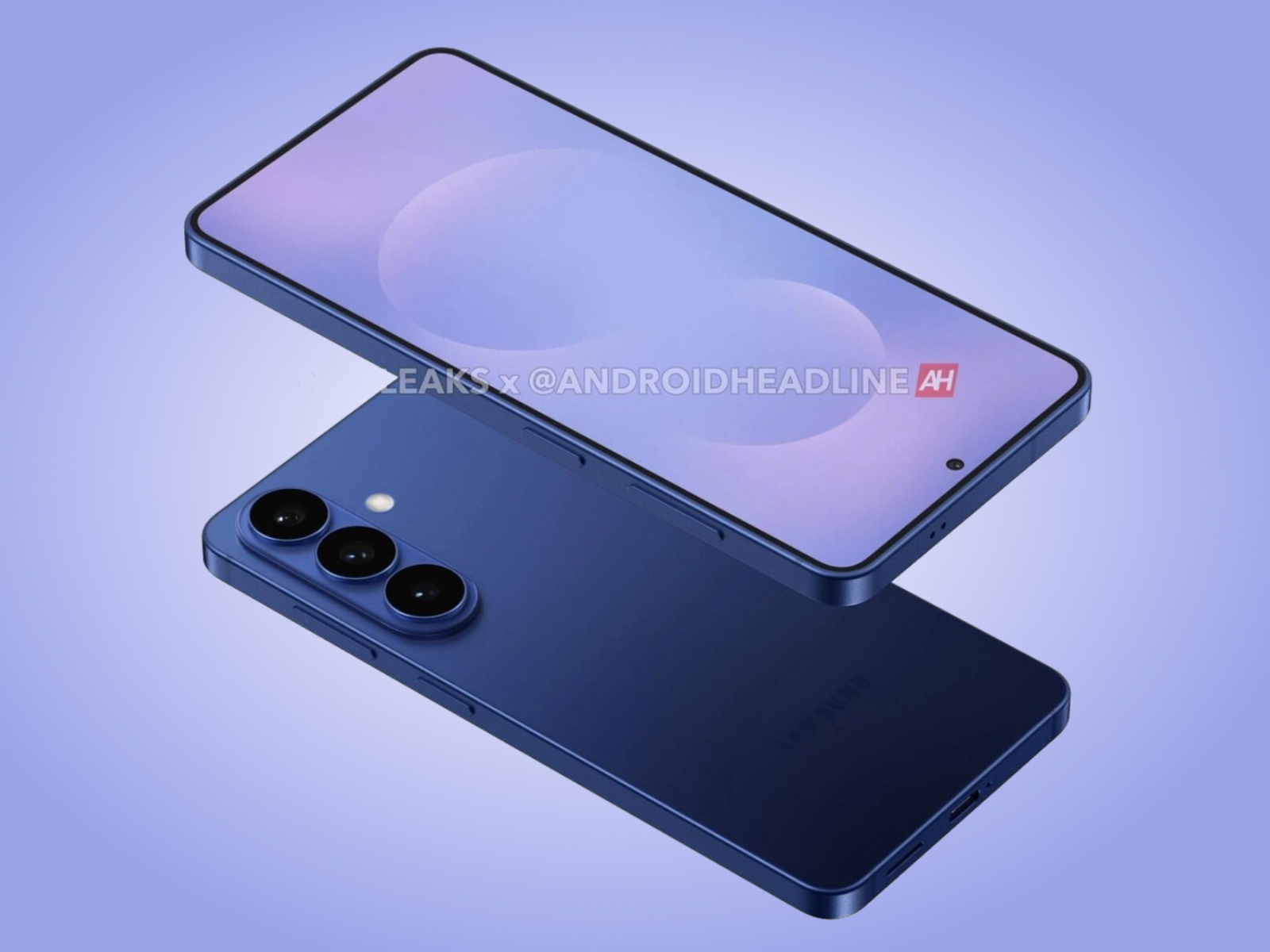
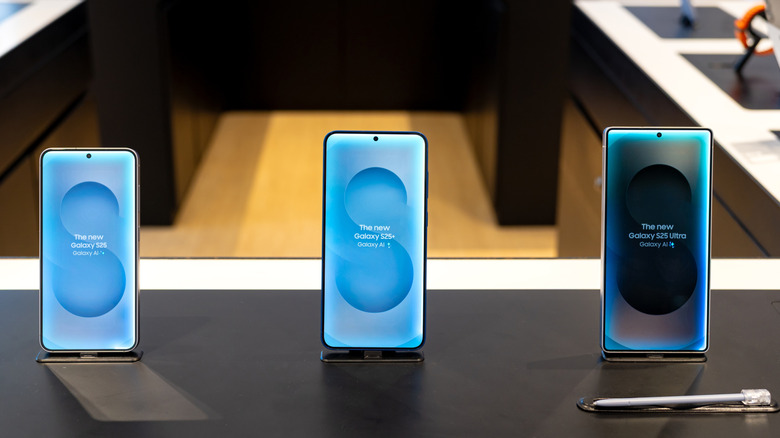
Samsung's upcoming Galaxy S26 series reveals a nuanced strategy of strategic restraint, balancing technological potential with economic pragmatism. The smartphone landscape is witnessing a critical inflection point where innovation must be carefully weighed against production costs, and Samsung's approach epitomizes this delicate equilibrium.
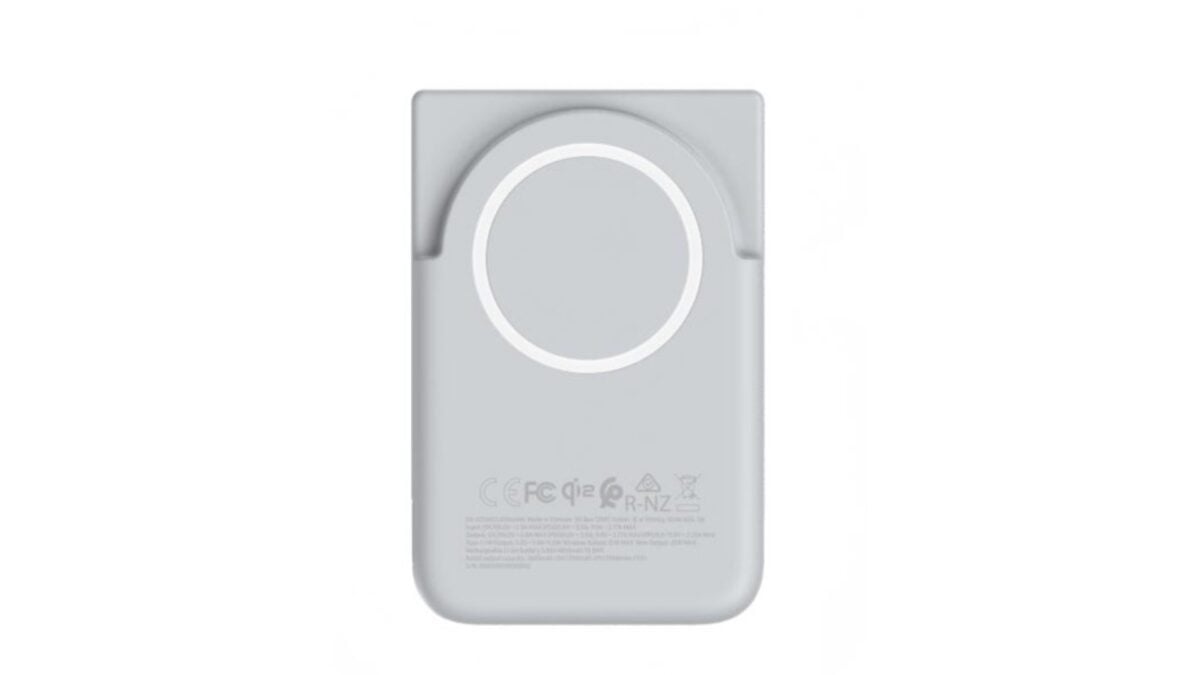
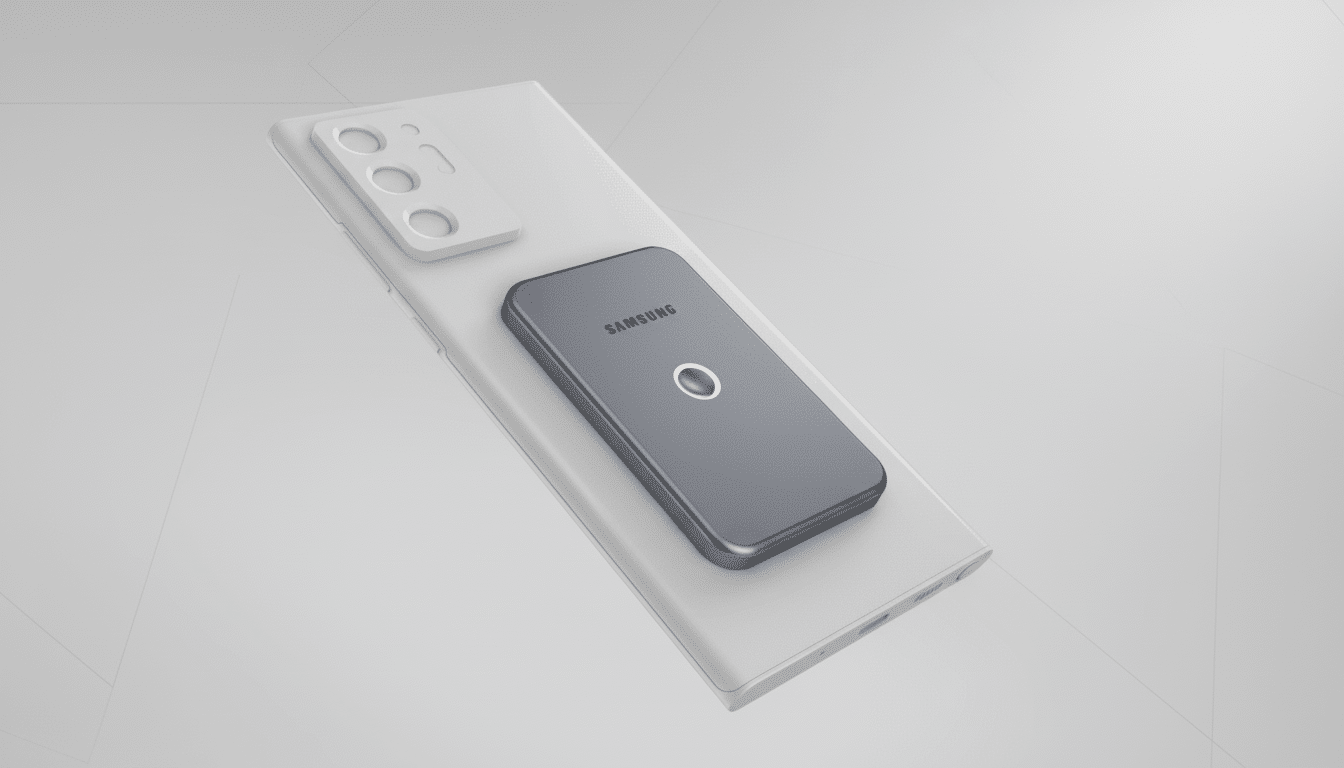
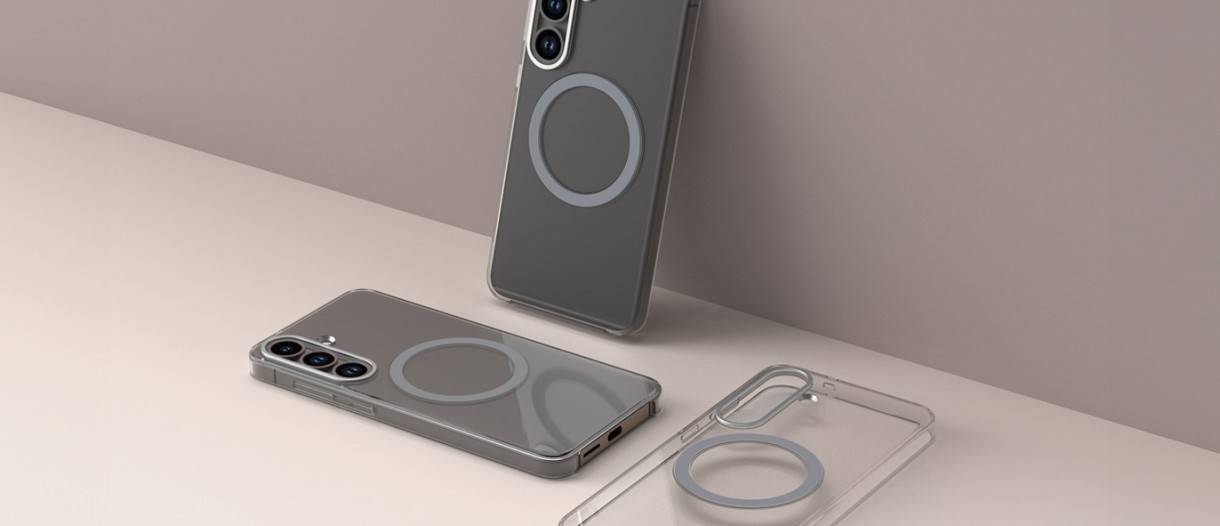
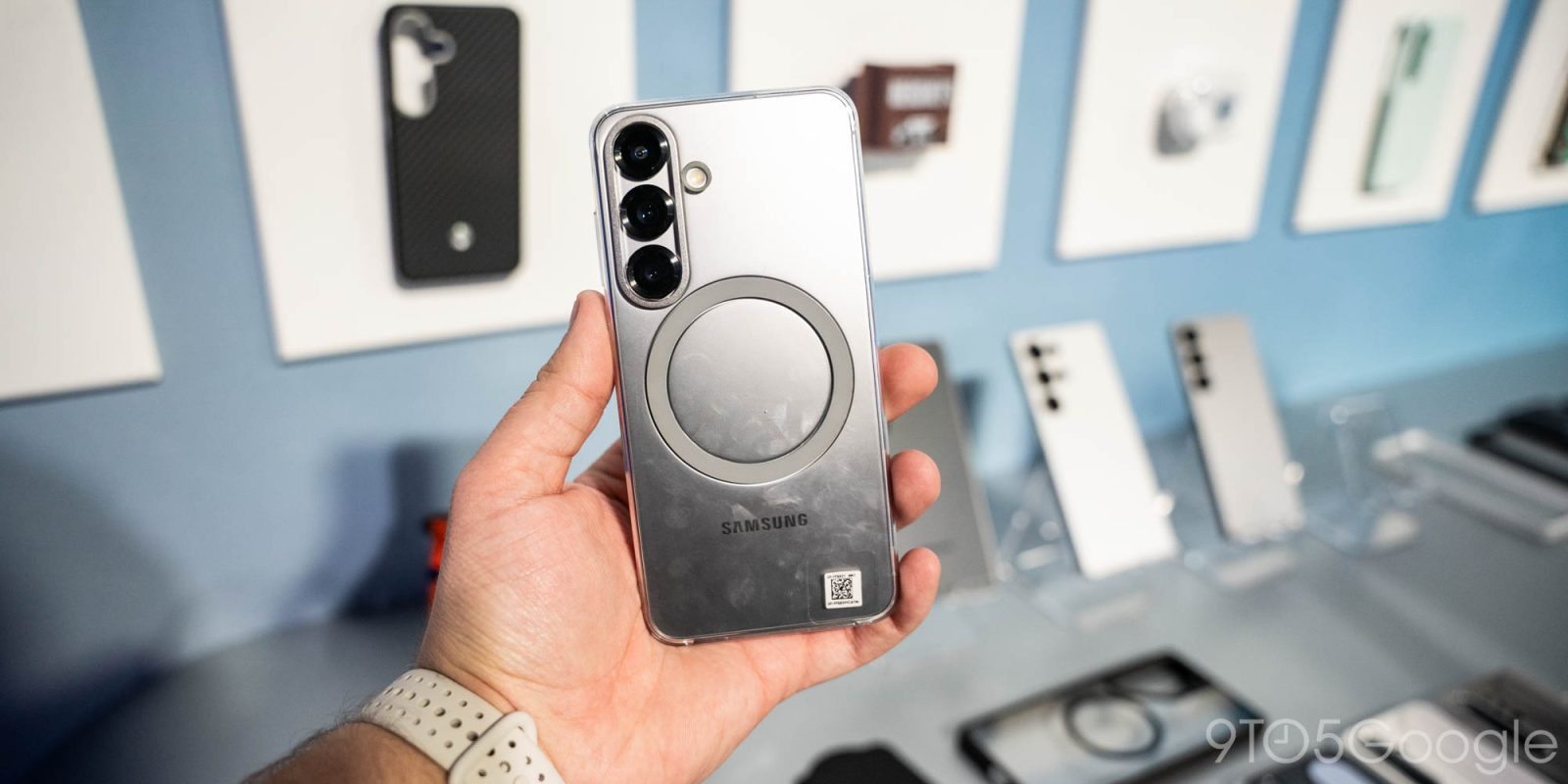
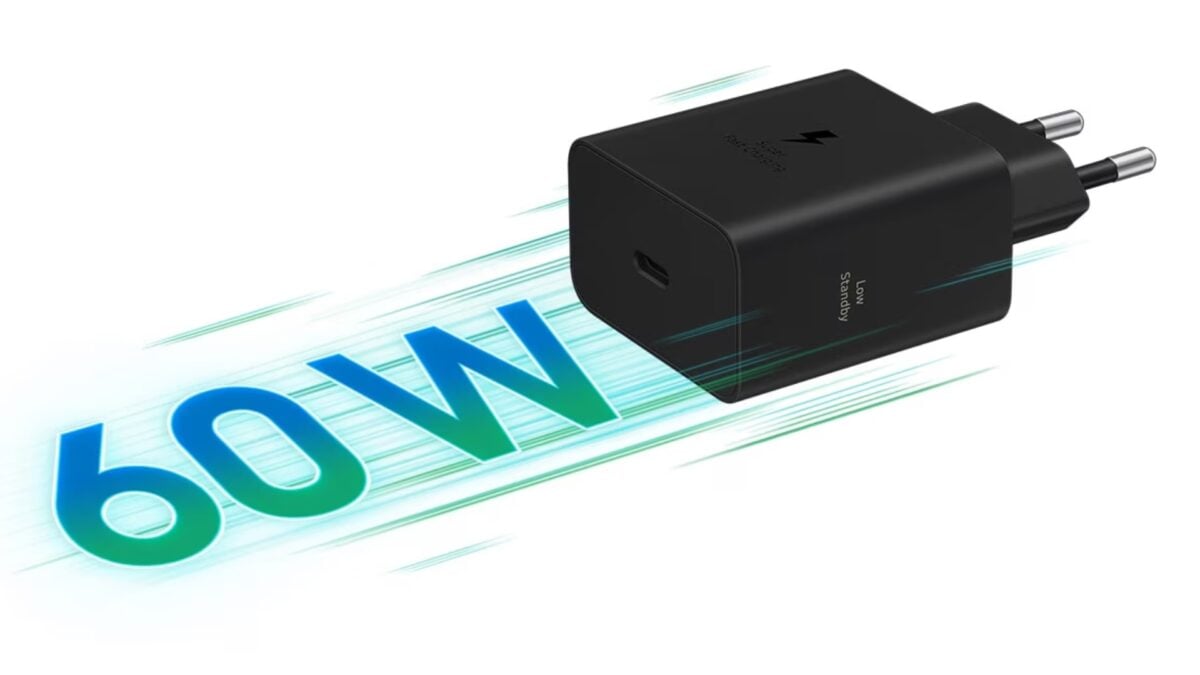
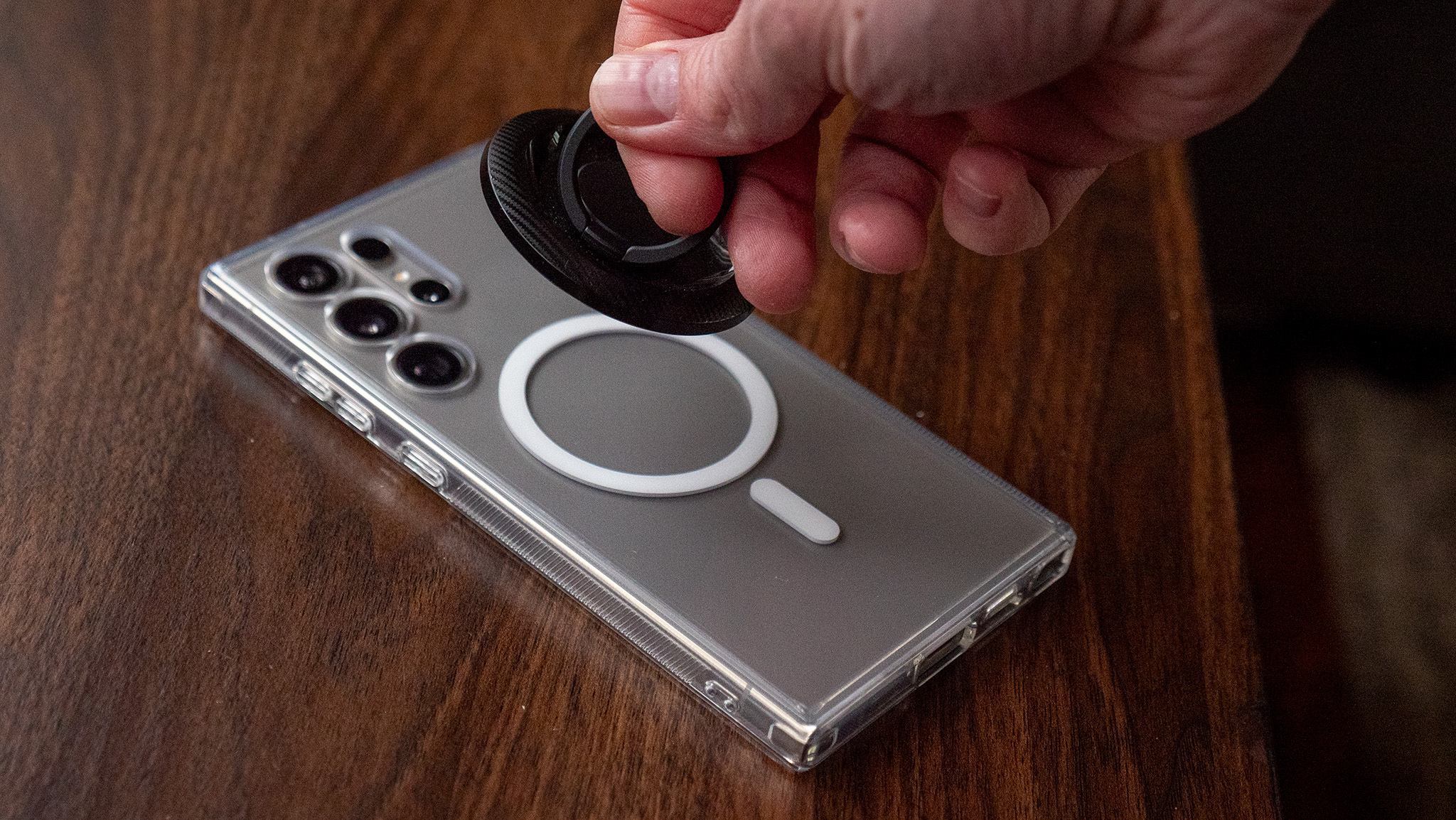
Wireless charging emerges as the primary innovation vector, with Samsung introducing significant upgrades that demonstrate strategic thinking without radical redesign. The new S26 series will feature built-in magnets supporting Qi2 standards, enabling a comprehensive magnetic accessory ecosystem. Wireless charging speeds will jump from 15W to 20-25W across different models, accompanied by a novel 5,000mAh magnetic wireless power bank with an unconventional design. This signals a calculated approach: incrementally improving user experience while maintaining cost discipline.
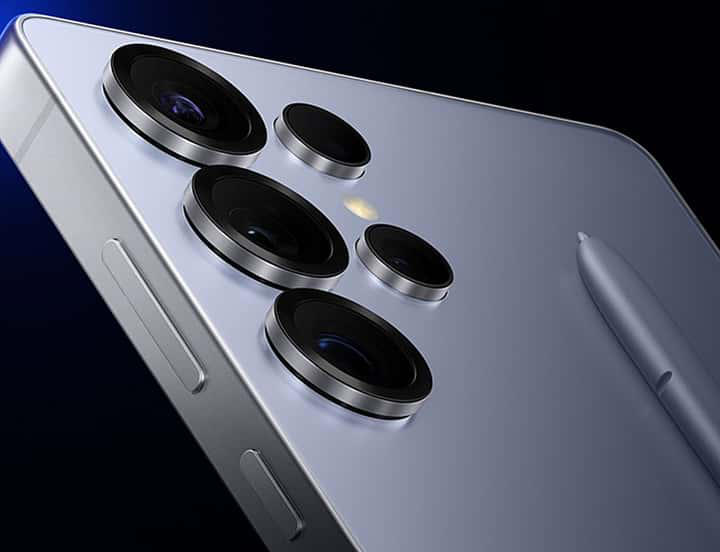
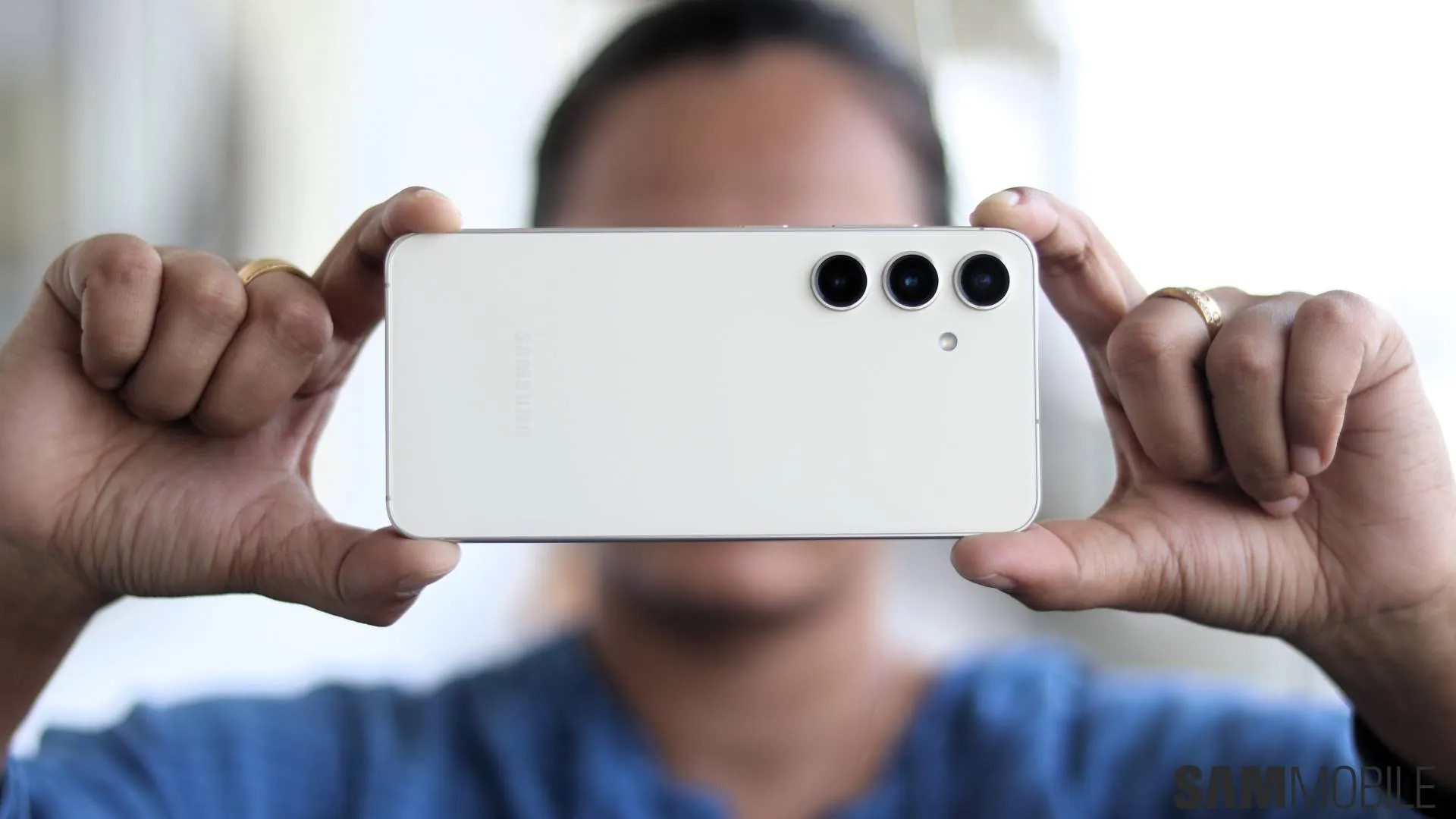
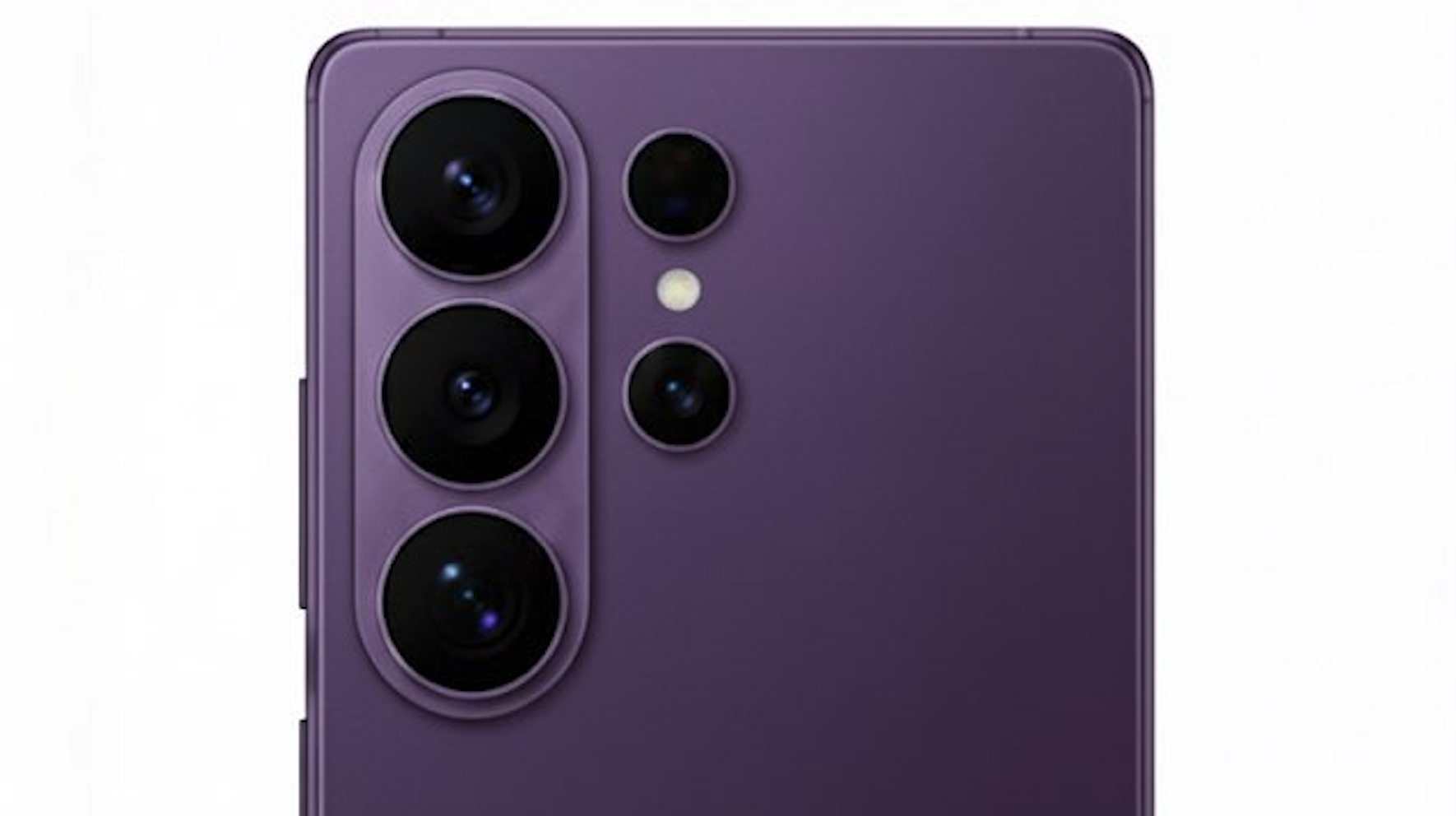
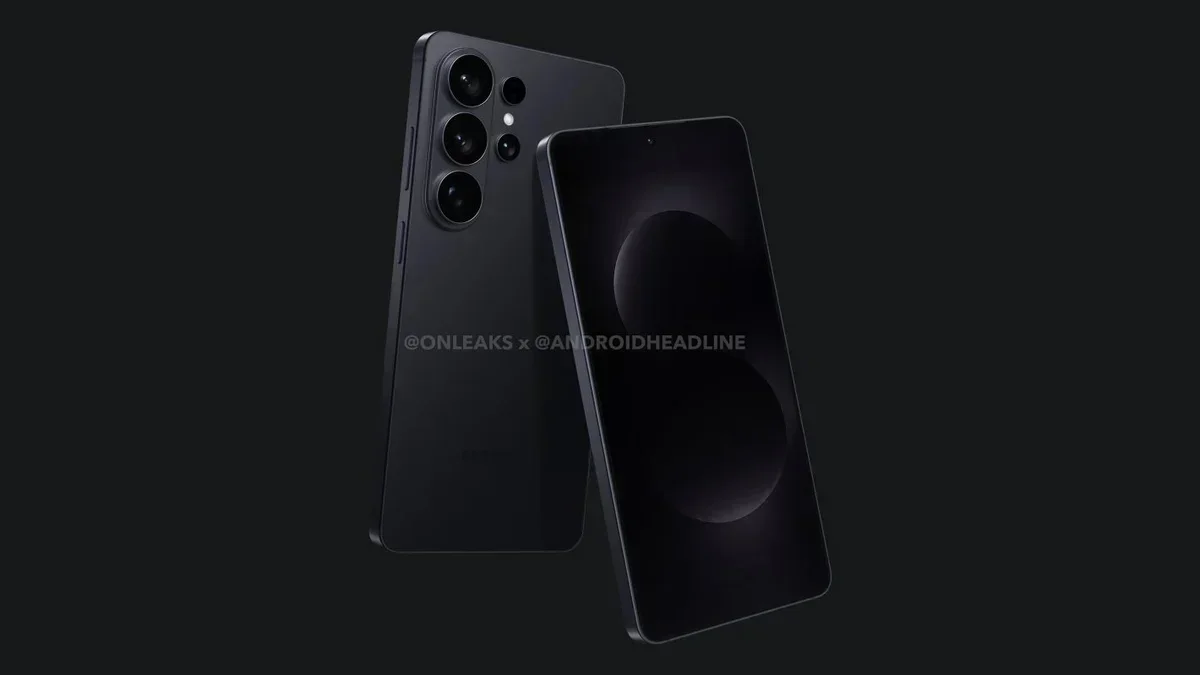
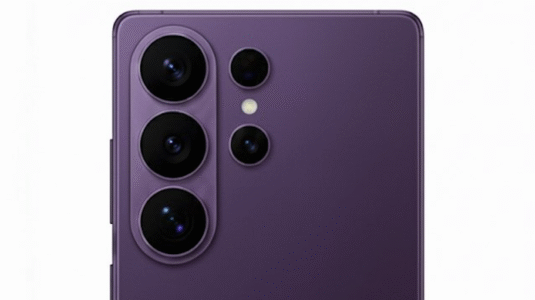
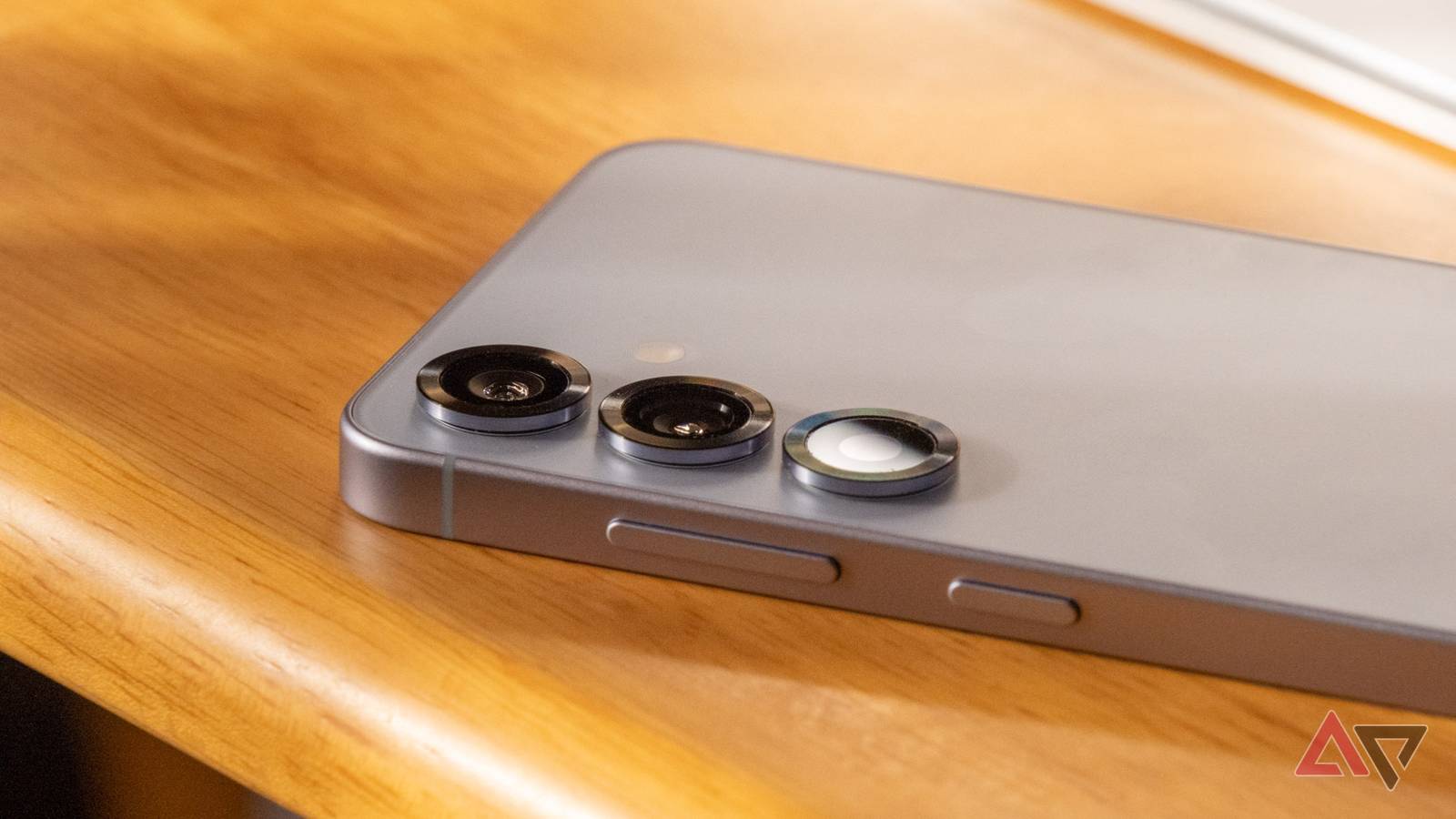
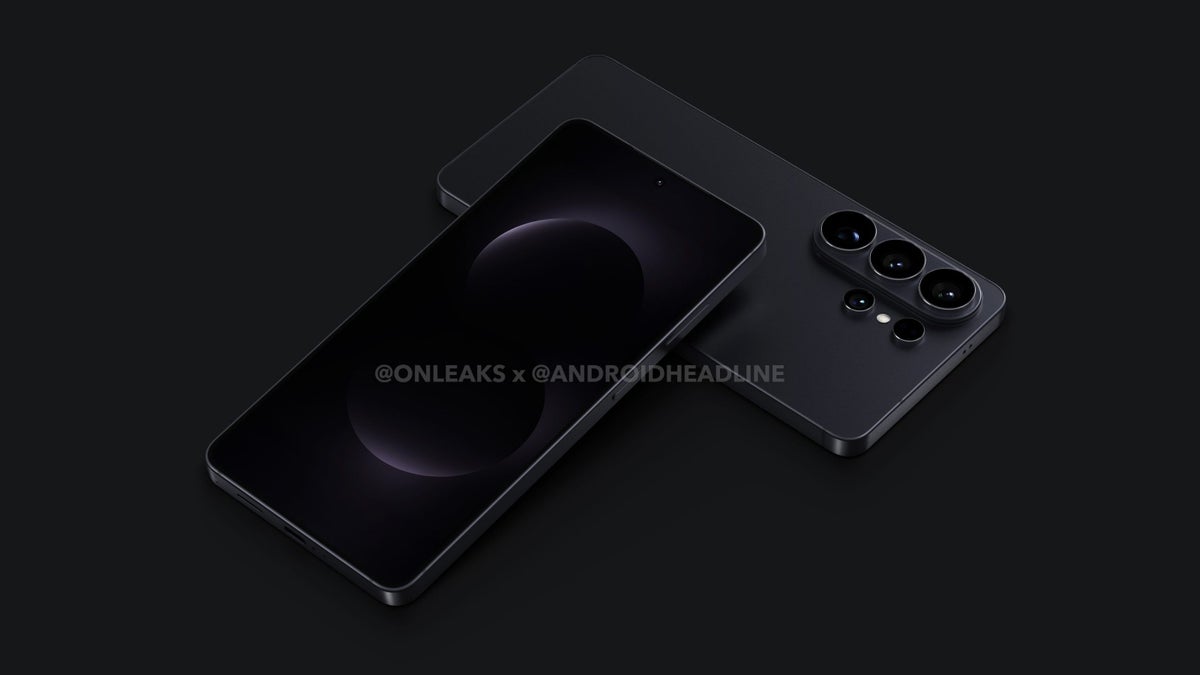
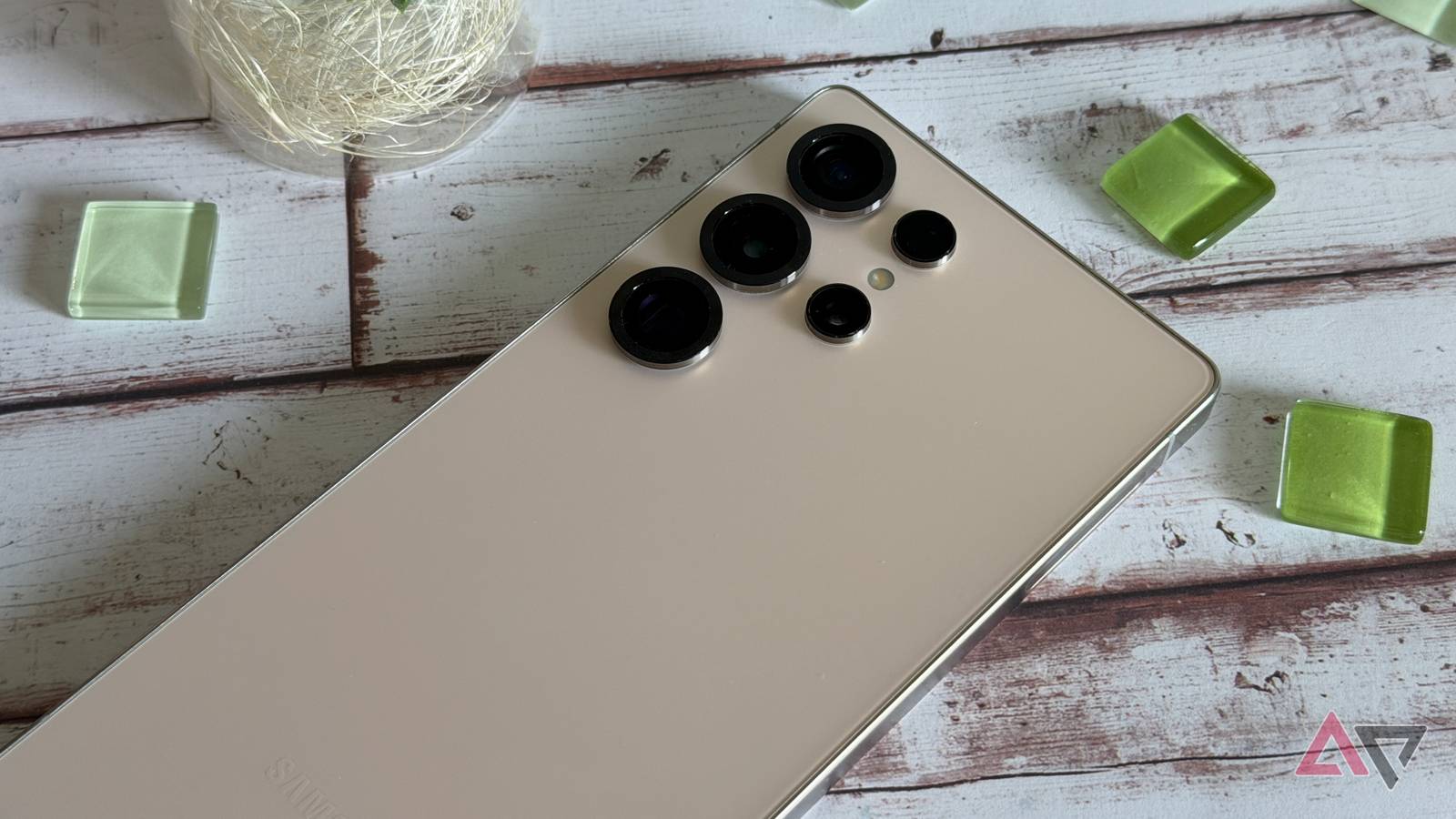
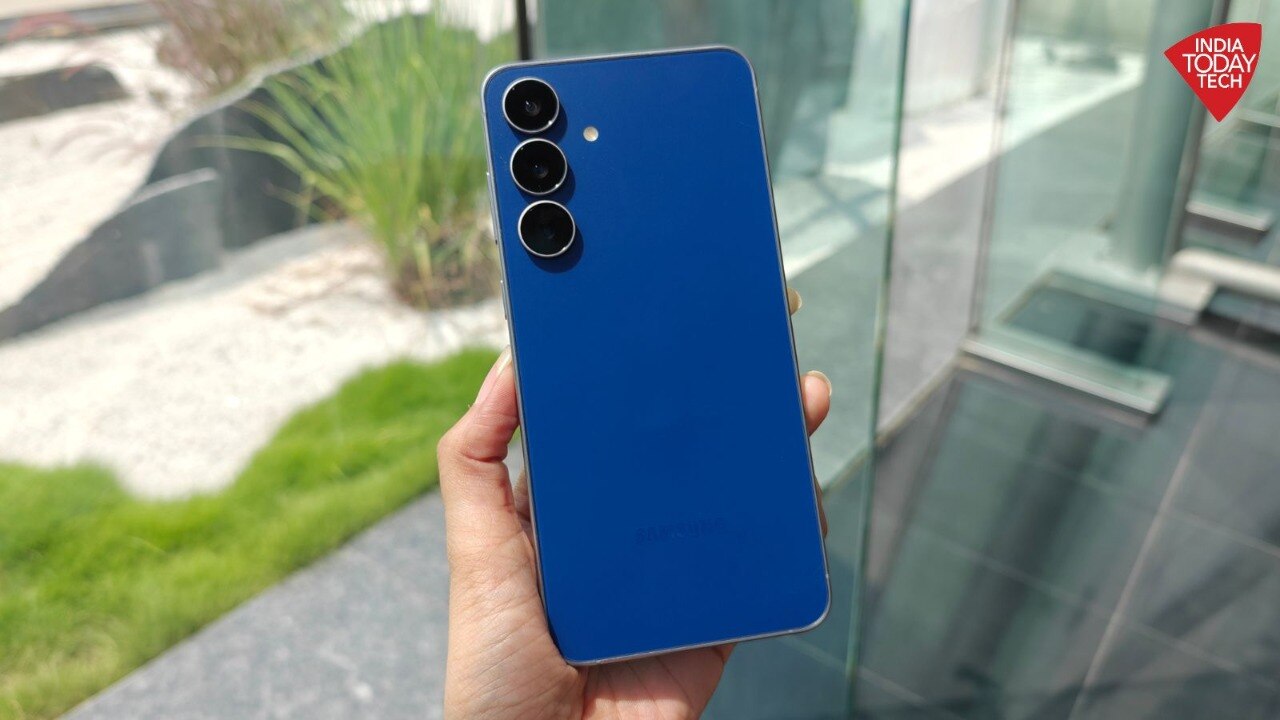
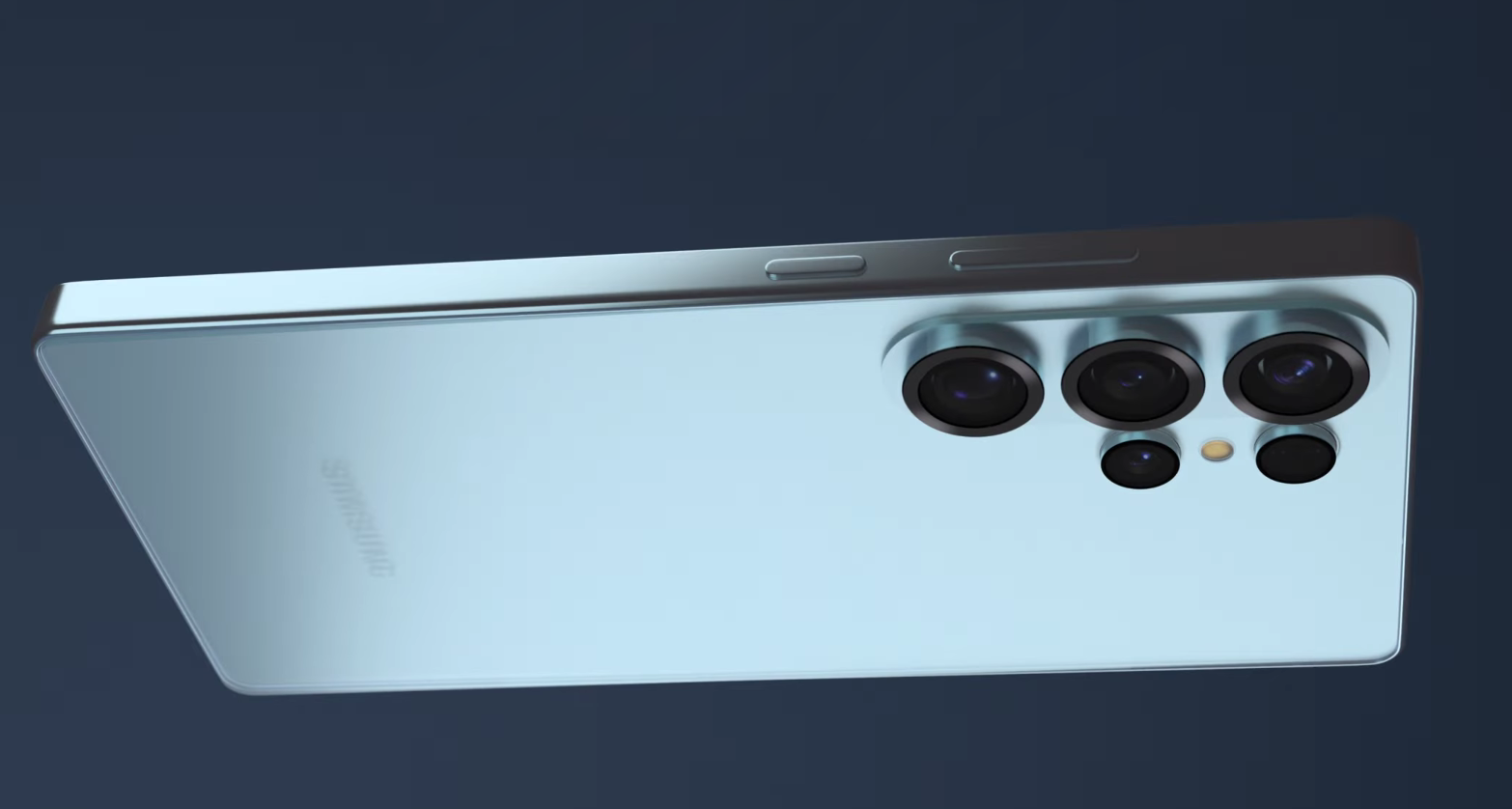
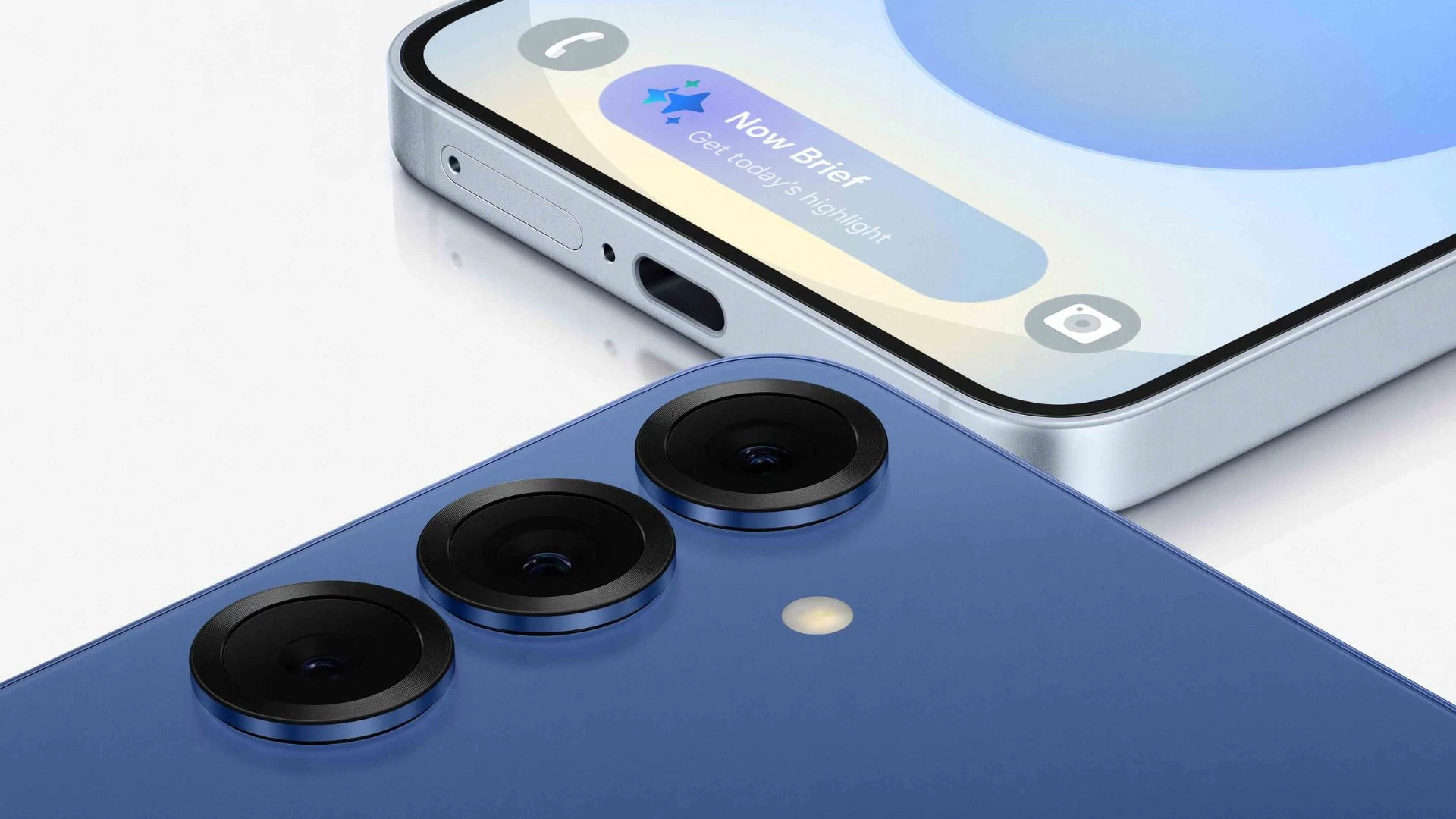
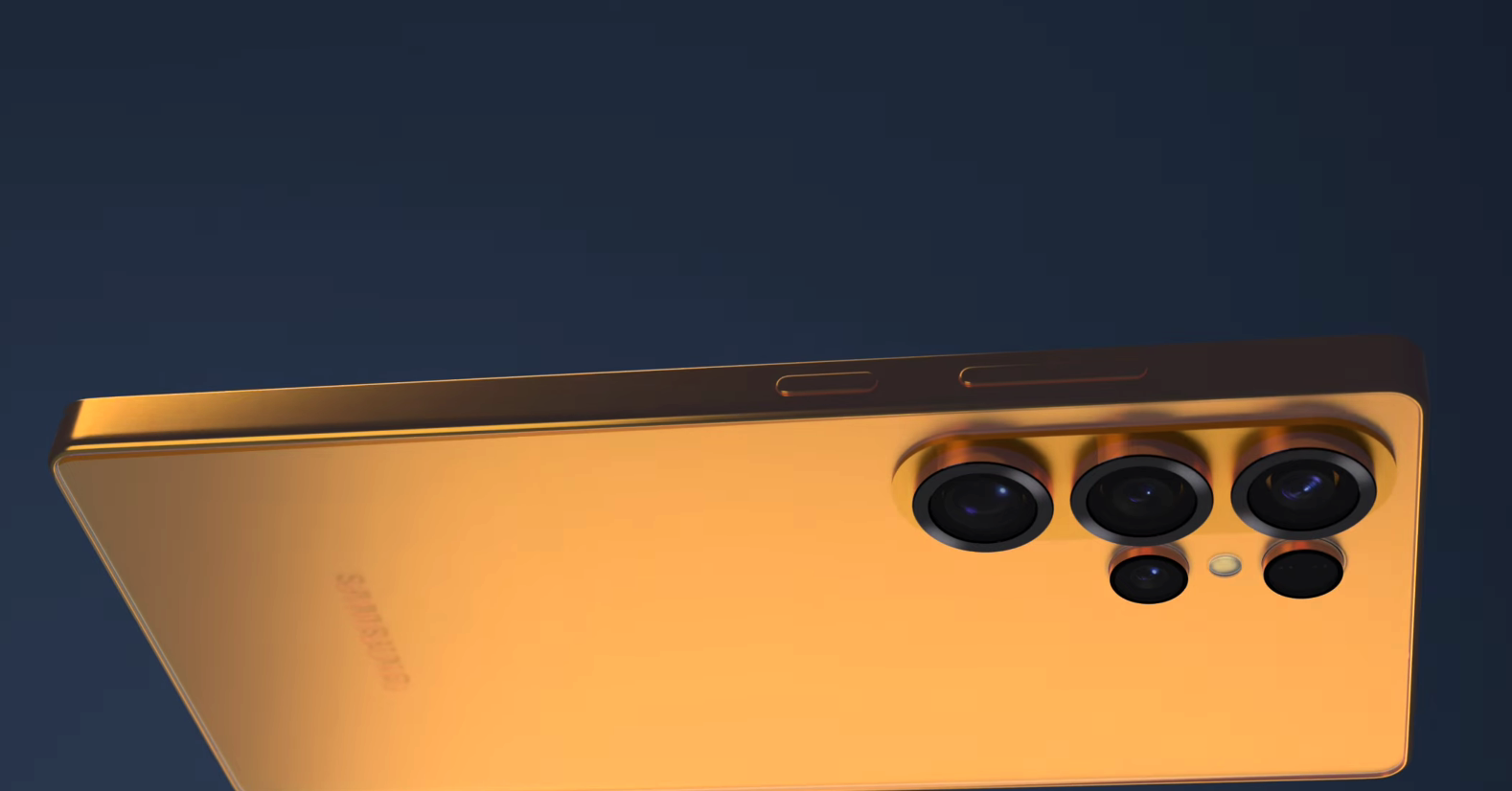
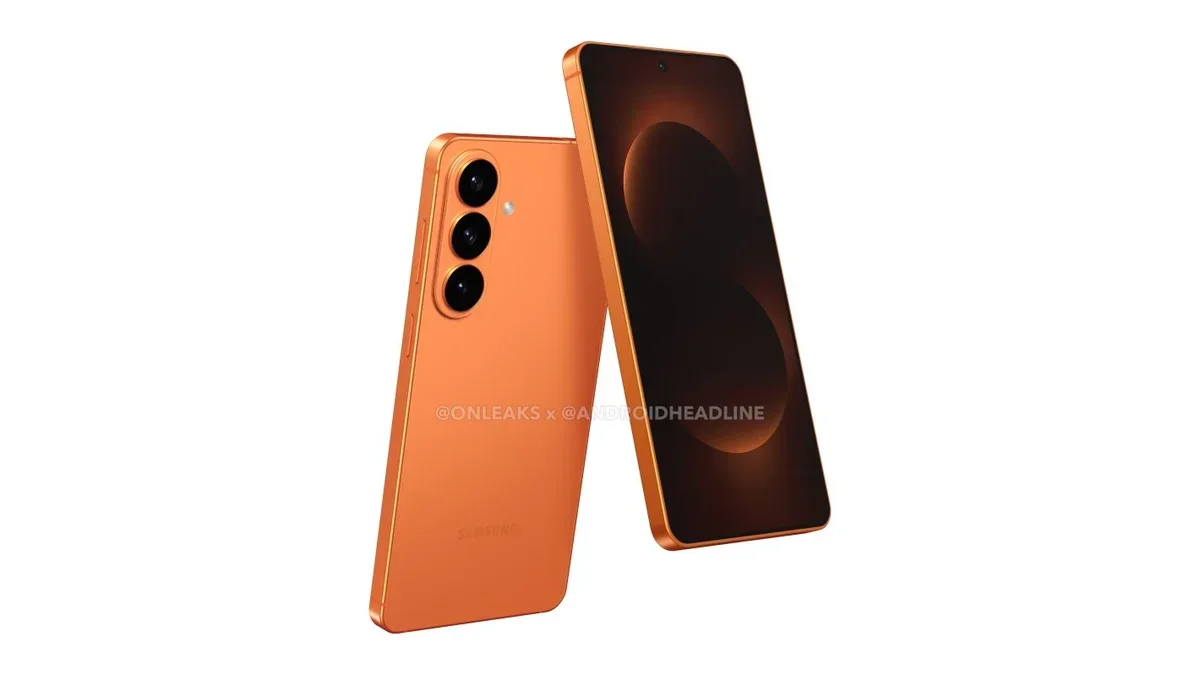
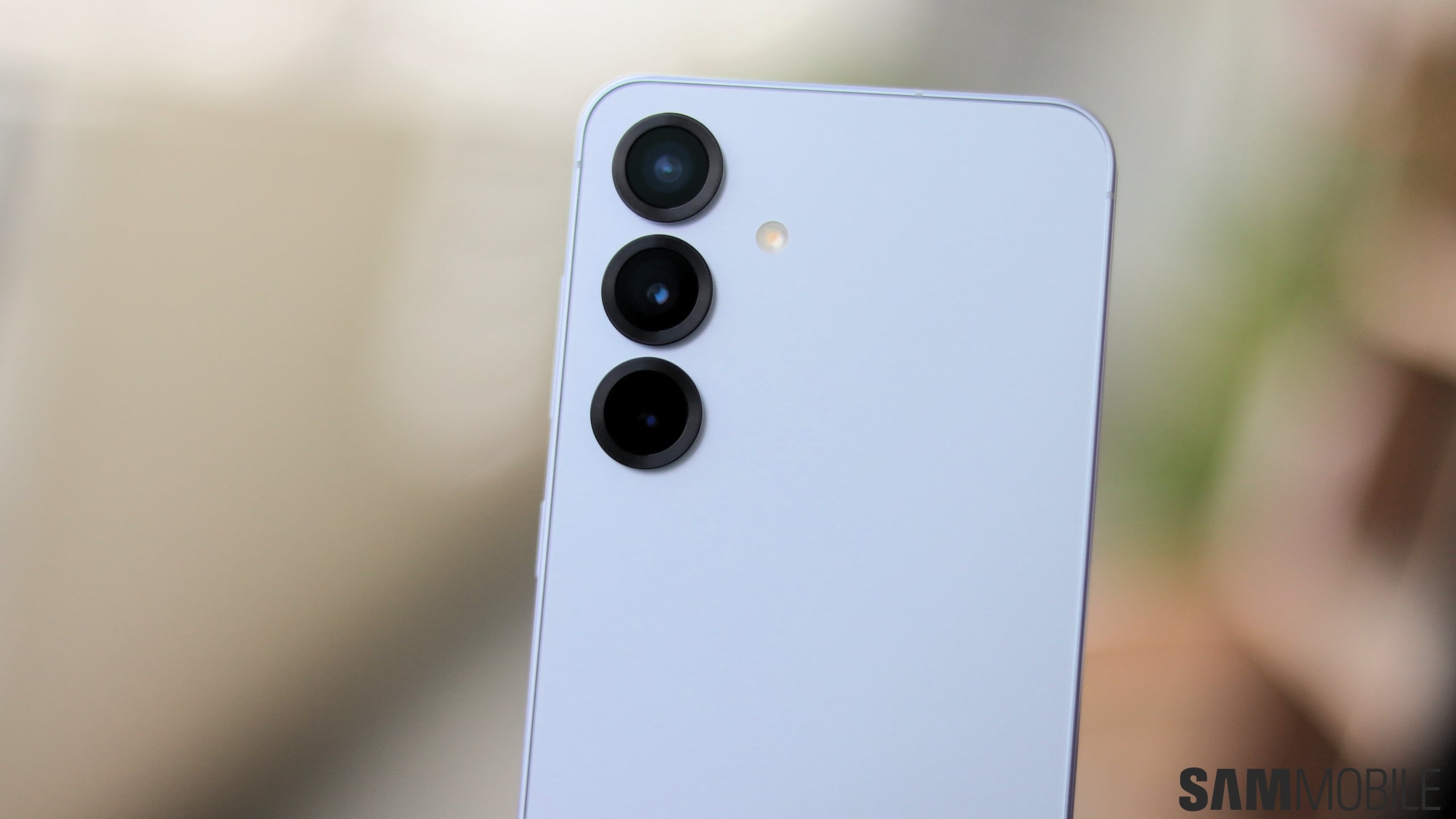
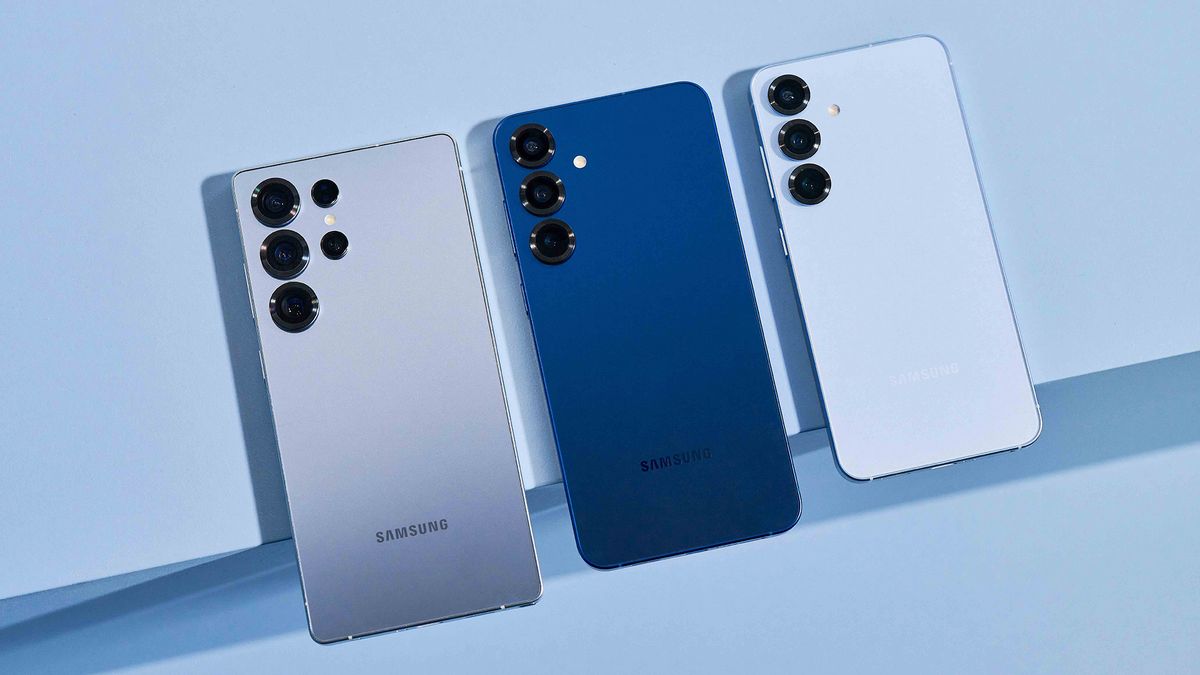
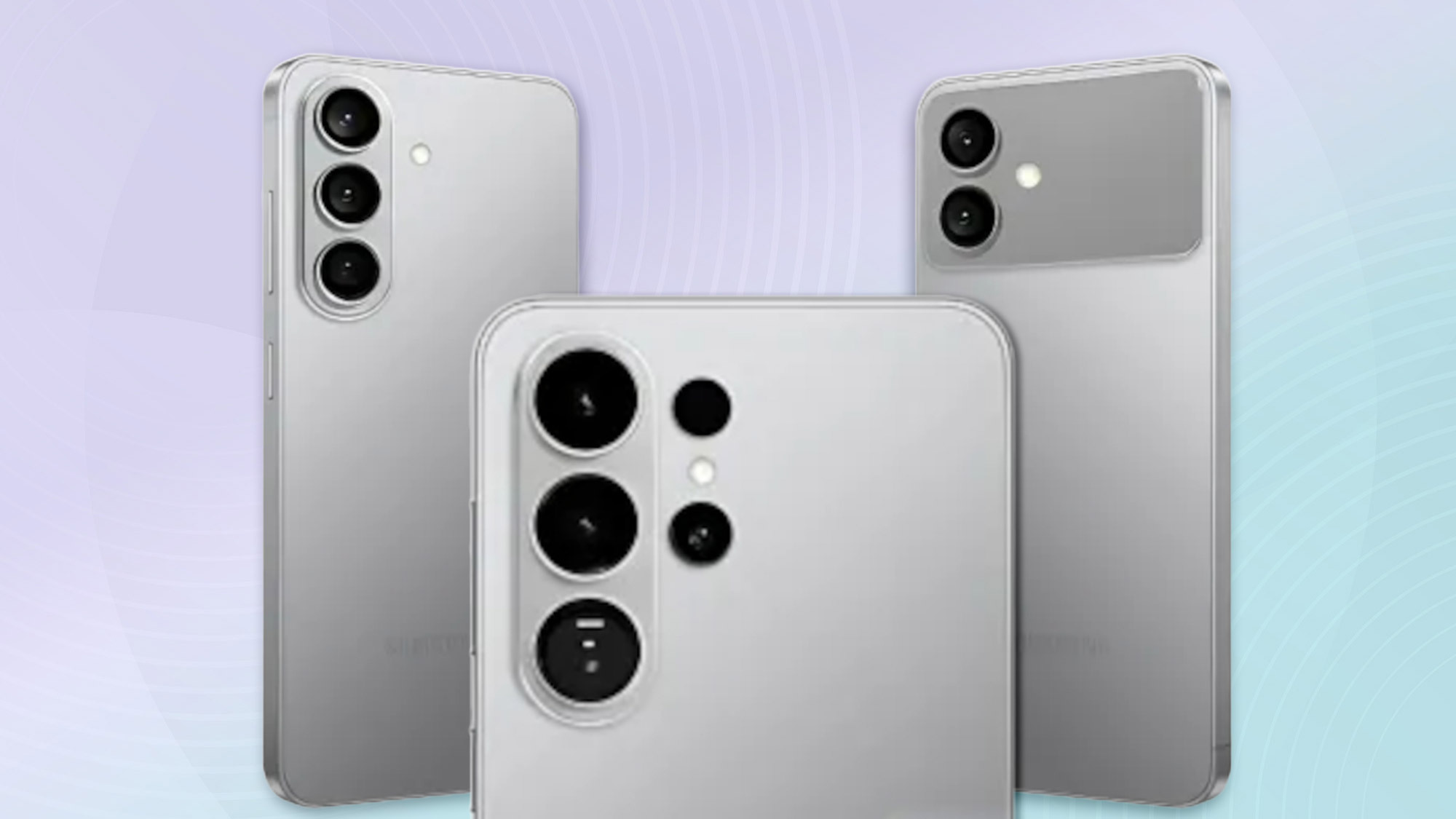
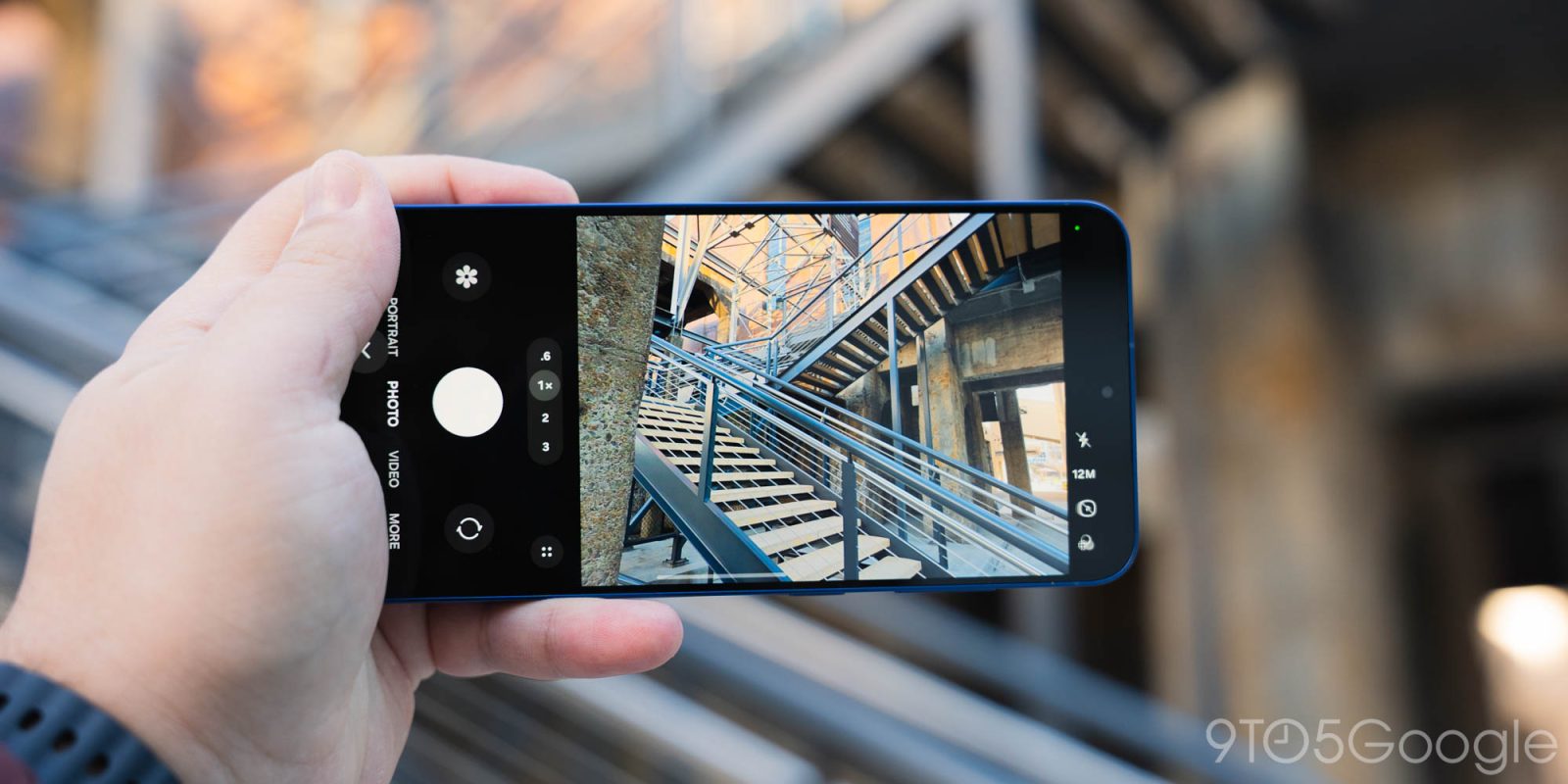
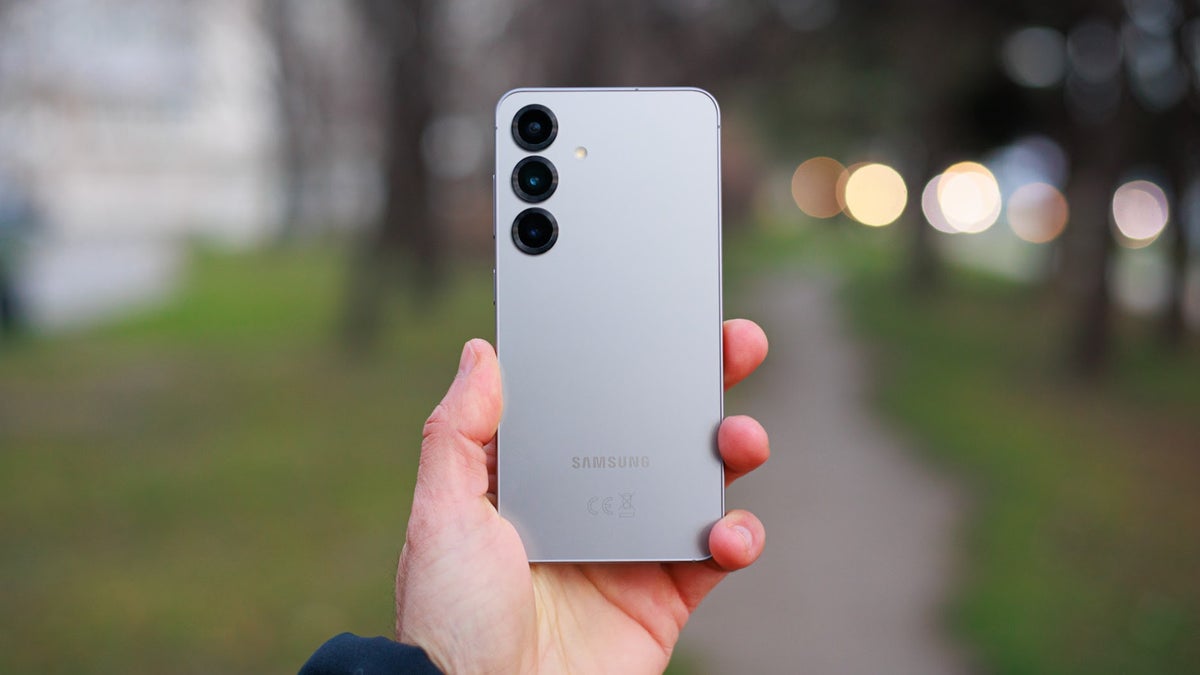
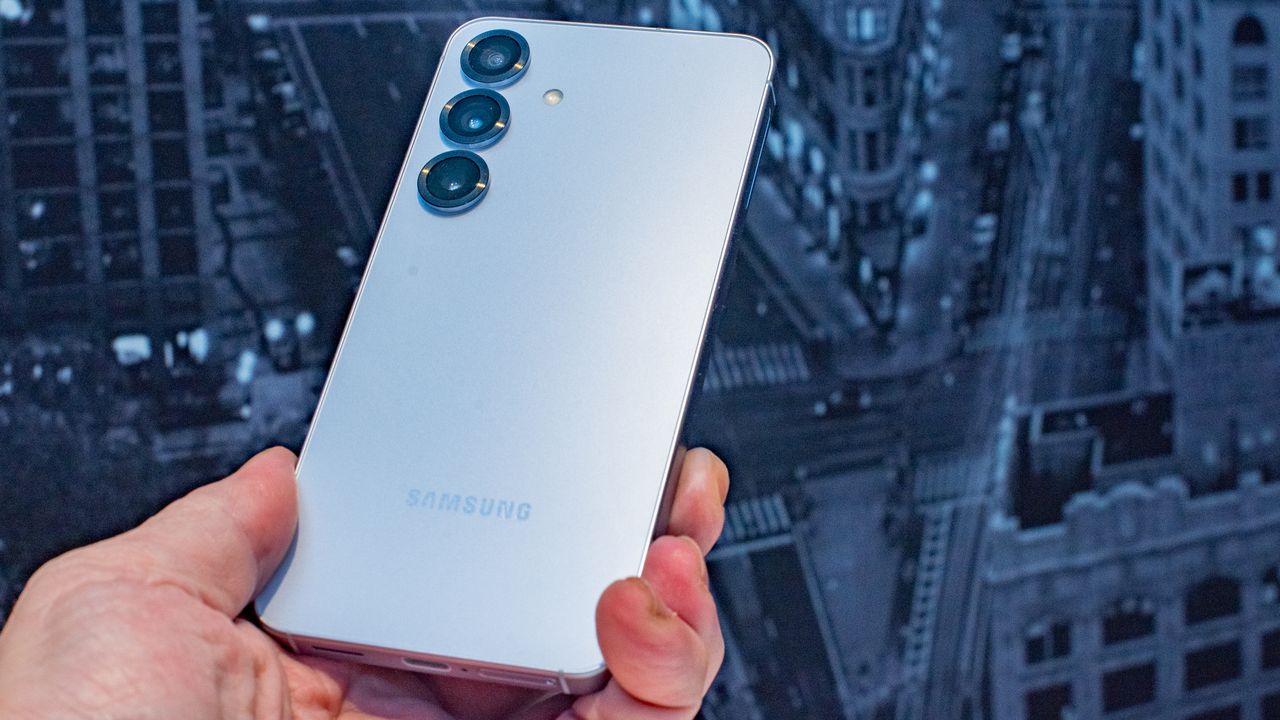
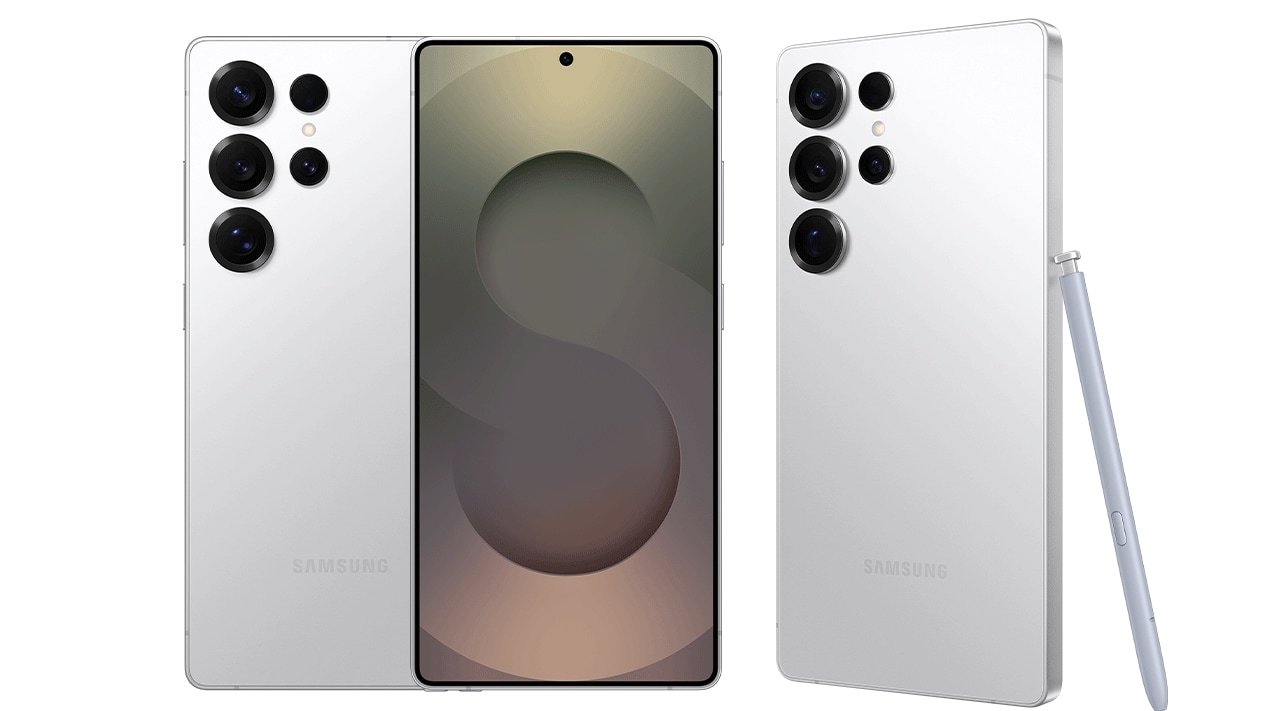
The camera technology strategy underscores a conservative product development philosophy. By retaining the identical camera setup from previous Galaxy models (50MP main, 10MP telephoto, 12MP ultrawide), Samsung is prioritizing cost management over technological leap-frogging. This decision, seemingly influenced by Apple's pricing strategies, reveals a broader industry trend of balancing technological advancement with economic constraints. The risk is palpable: maintaining the same camera configuration across multiple generations could potentially create consumer perception of stagnation.
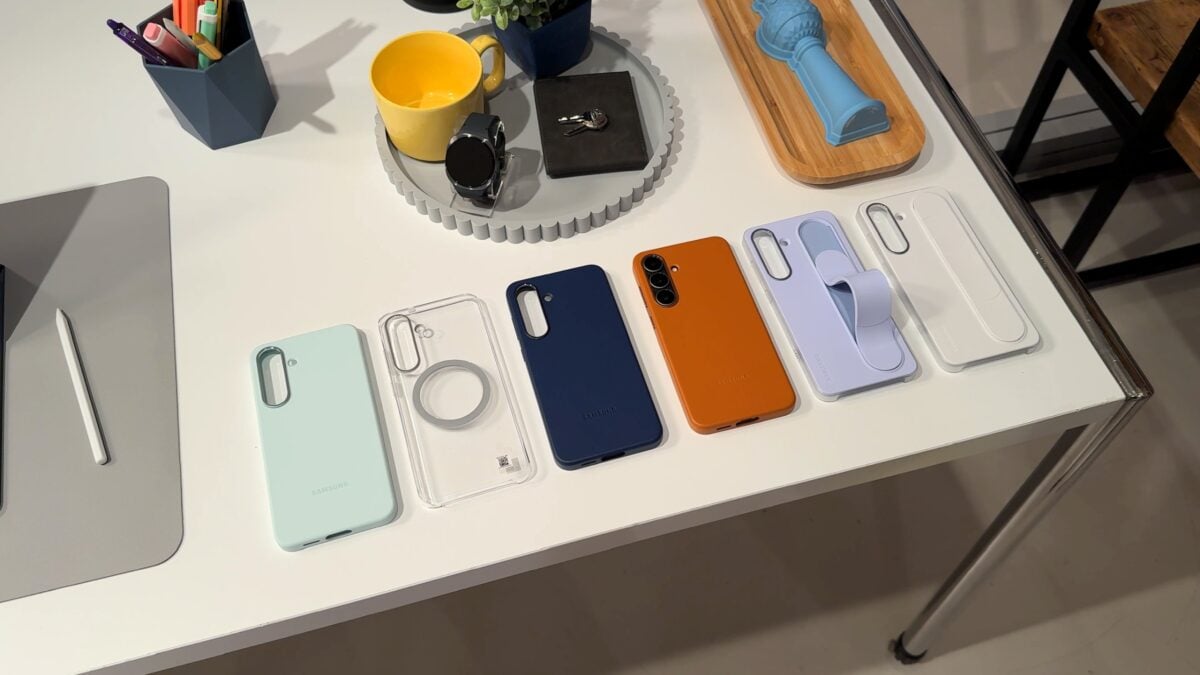
The comprehensive magnetic accessory lineup—including Carbon, Clear, Rugged Clear, and Silicone cases—further demonstrates Samsung's ecosystem-building strategy. By creating a cohesive accessory environment, the company aims to enhance user experience while generating additional revenue streams through first-party products.
Ultimately, Samsung's Galaxy S26 approach represents a sophisticated market navigation strategy. In a highly saturated smartphone market, the company is choosing incremental improvements and cost control over dramatic reinvention, betting that marginal gains in charging technology and accessory integration can maintain competitive positioning.
Questions 3
How do the wireless charging improvements impact the Galaxy S26's market positioning?
Wireless charging speeds increasing from 15W to 20-25W represent a meaningful performance upgrade without requiring a complete hardware redesign. This incremental improvement allows Samsung to offer tangible benefits to consumers while maintaining cost efficiency.
What makes the new magnetic accessory ecosystem significant for the Galaxy S26?
The Qi2 standard and built-in magnets enable a comprehensive first-party accessory lineup, including multiple case variants and a unique magnetic wireless power bank. This approach creates additional revenue streams and enhances user experience through seamless accessory integration.