


Fed Chair Confirmation Delays Signal Monetary Policy Uncertainty | Cross-Border Seller Impact
- Kevin Warsh's delayed Senate hearing extends Fed leadership transition uncertainty, affecting interest rates, currency volatility, and financing costs for 50,000+ cross-border e-commerce sellers





















Overview
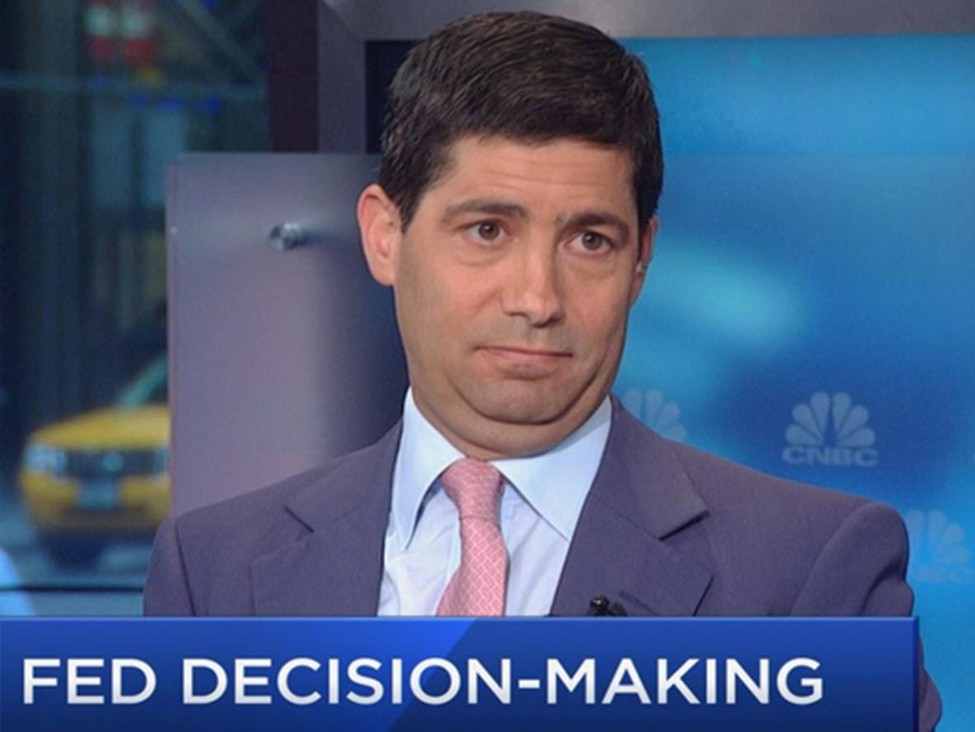
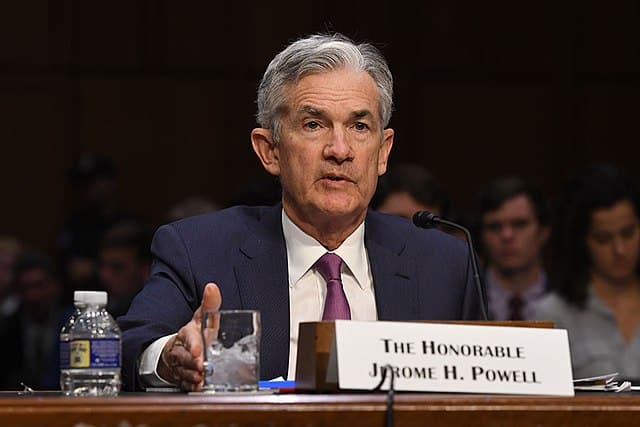
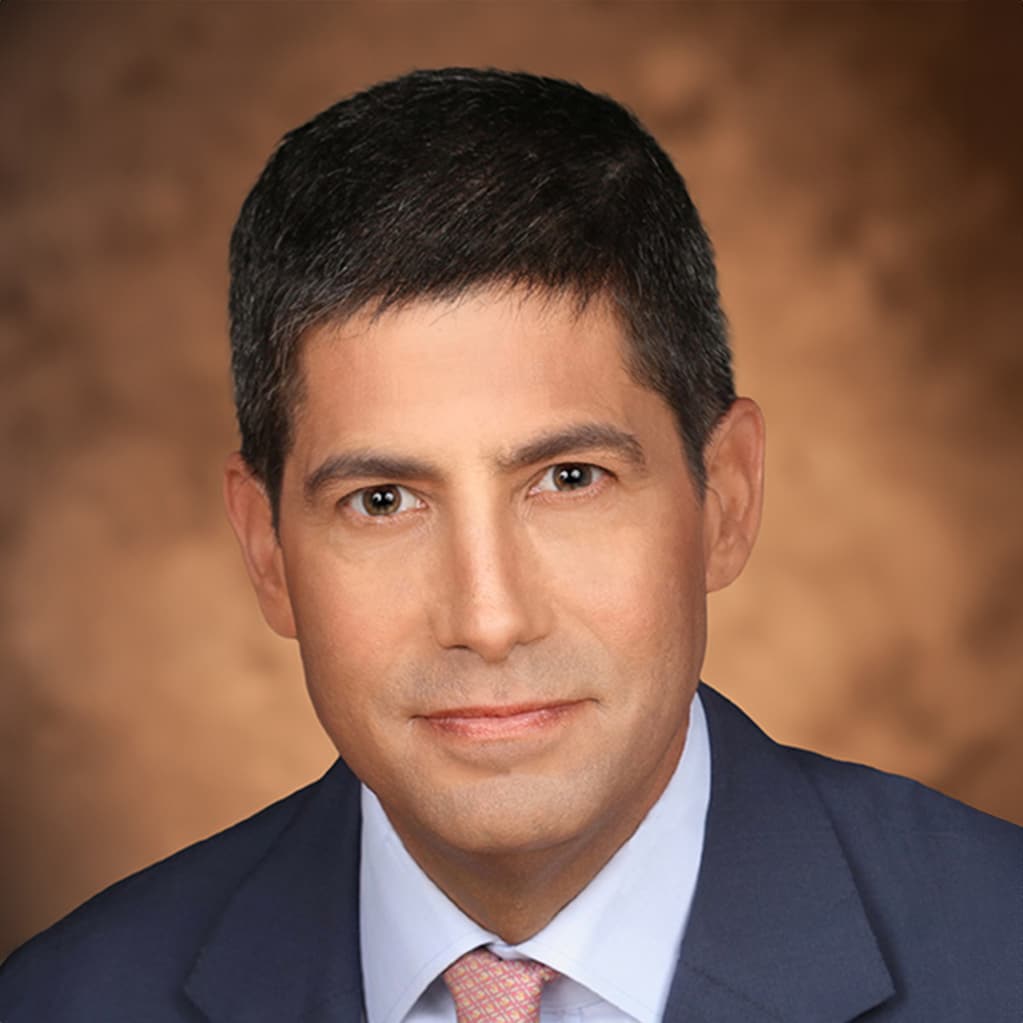
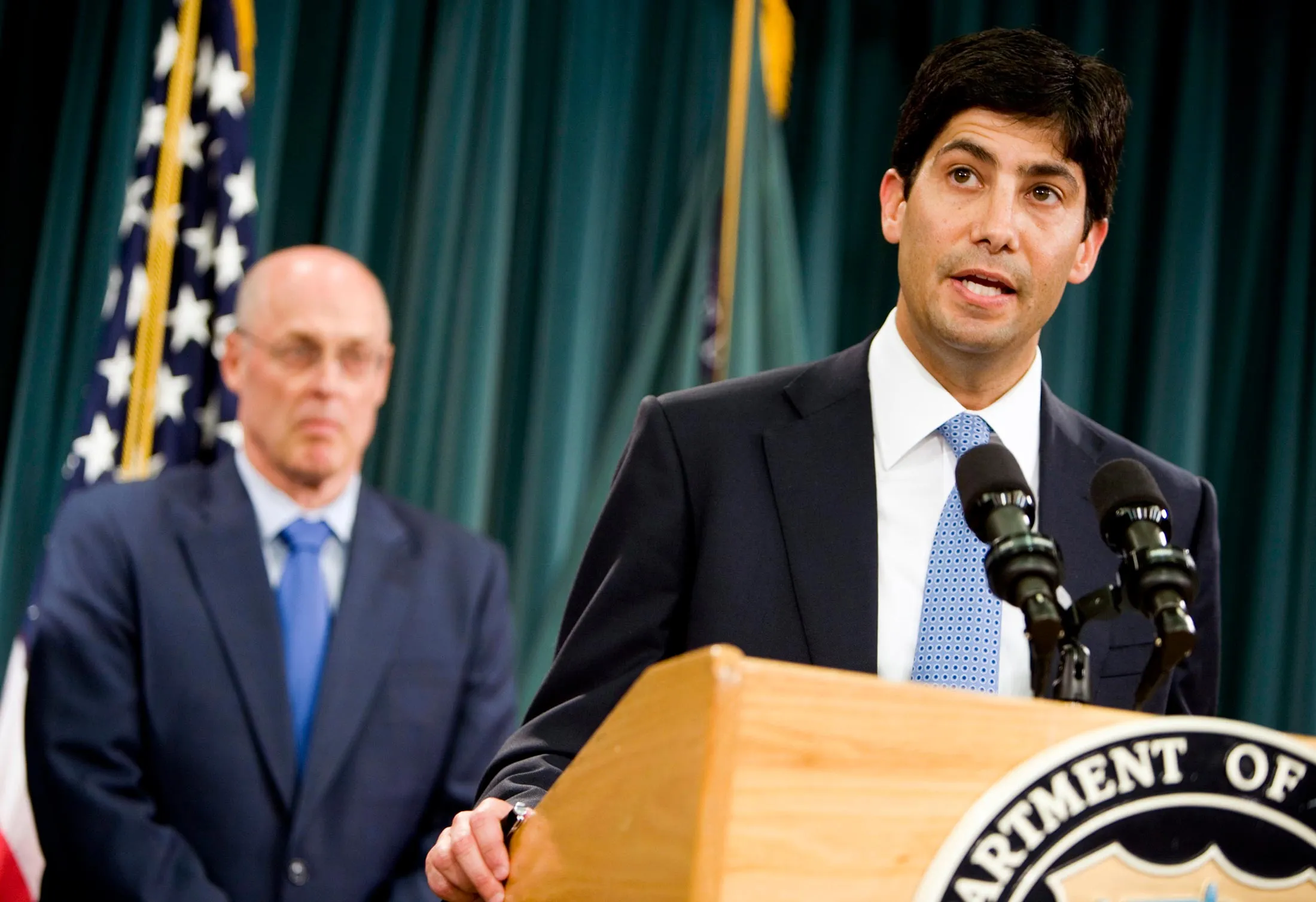
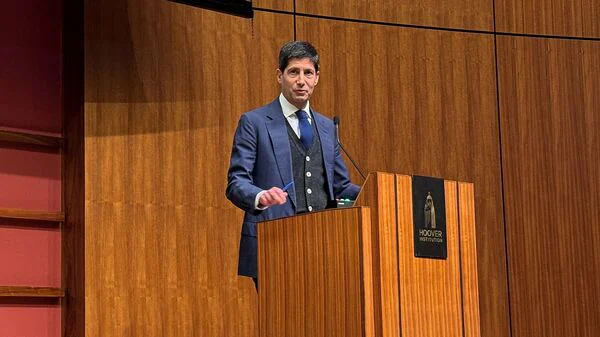
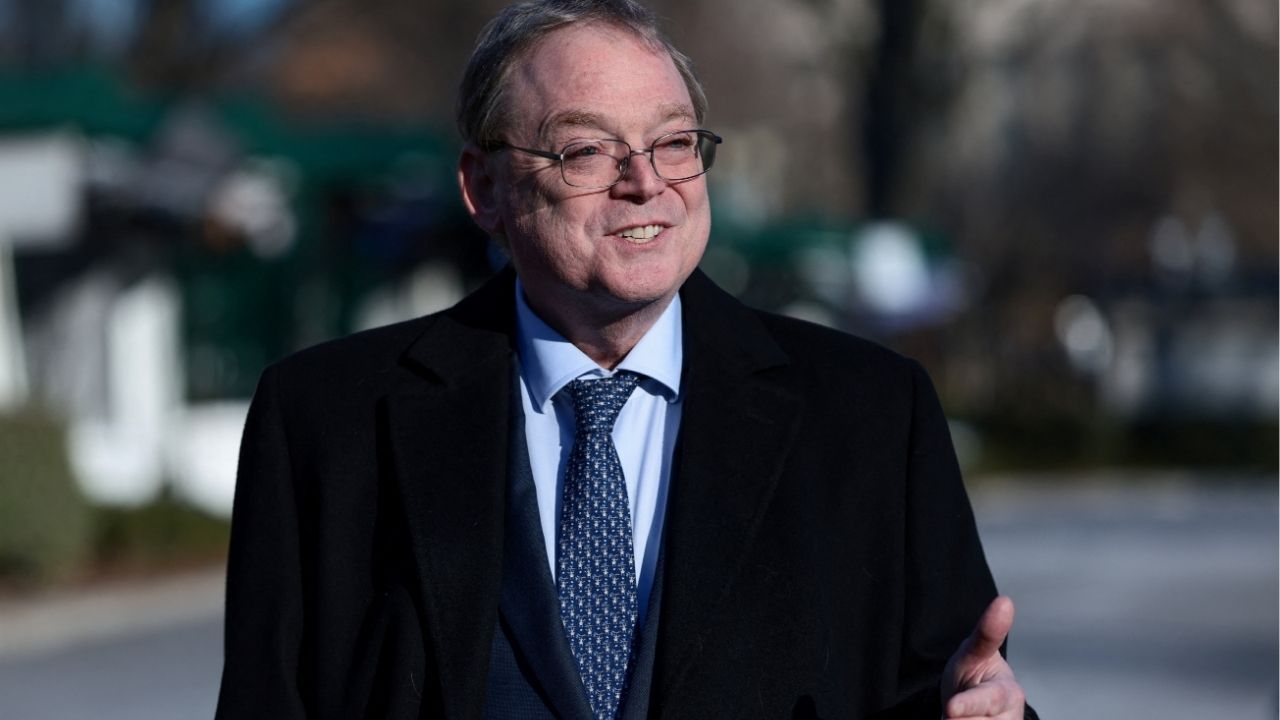
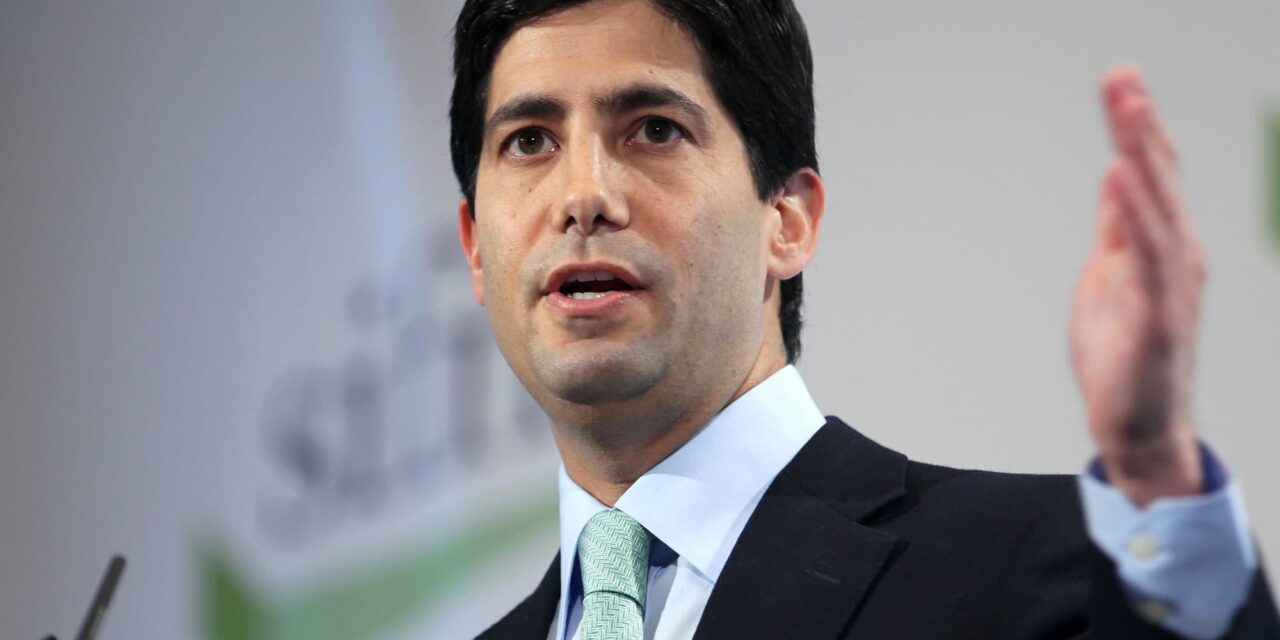
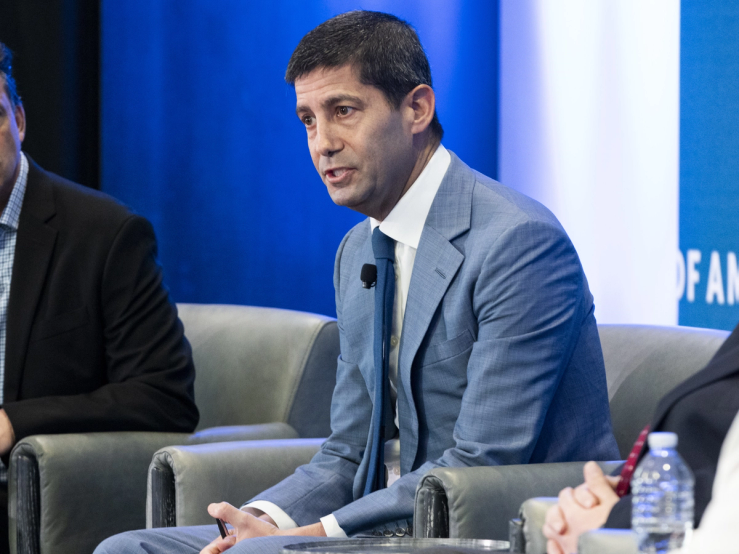
Kevin Warsh's Federal Reserve chair confirmation faces significant delays due to incomplete financial disclosure paperwork, pushing his Senate Banking Committee hearing beyond the originally scheduled April 16 date and extending uncertainty around U.S. monetary policy direction through mid-May 2026. The Trump administration initially targeted May 2026 for Warsh to assume office when current Fed Chair Jerome Powell's term expires, but National Economic Council Director Kevin Hassett's May 15 confidence deadline now appears optimistic given procedural obstacles and political resistance from GOP Senator Thom Tillis, who is blocking any Fed nominee confirmation until the Department of Justice drops its criminal investigation into Powell.
For cross-border e-commerce sellers, this confirmation delay creates a critical window of monetary policy uncertainty affecting three core operational areas. First, interest rate direction remains unclear—the Trump administration advocates for lower rates, a position Warsh reportedly supports, but delayed confirmation extends the timeline for policy shifts that directly impact seller financing costs. Business loans for inventory expansion, working capital, and 3PL infrastructure investments currently carry rates influenced by Powell's tenure; a Warsh-led Fed could signal rate cuts benefiting sellers with variable-rate debt. Second, currency volatility increases during leadership transitions—delayed confirmation extends the period when currency markets price in uncertainty about future monetary policy, directly affecting cross-border sellers managing multi-currency transactions. Sellers with significant operations in EUR, GBP, JPY, or CAD face wider bid-ask spreads and less predictable exchange rates during this extended transition period. Third, consumer purchasing power becomes harder to forecast—inflation expectations shift based on Fed leadership signals, and delayed confirmation means sellers cannot confidently predict consumer spending patterns across different markets through Q2-Q3 2026.
The procedural delays stem from Warsh's complex financial disclosures, which include nearly 1,200 assets predominantly held by his wife, Jane Lauder (Estée Lauder cosmetics heir, net worth exceeding $1.9 billion per Forbes). Senate Banking Committee rules mandate one week's notice before hearings and comprehensive financial documentation submission—requirements that have already pushed the hearing past its original Thursday deadline. Additionally, geopolitical factors compound economic uncertainty: U.S.-Israeli military operations against Iran have disrupted oil shipments through the Strait of Hormuz, elevating global energy prices. BlackRock CEO Larry Fink warned that oil exceeding $150/barrel could trigger global recession, while United Airlines CEO Scott Kirby indicated preparations for sustained oil prices above $100 into 2027. These energy shocks directly increase shipping costs for cross-border sellers, particularly those importing goods from Asia or exporting to energy-dependent markets.
Immediate seller implications include financing cost uncertainty and currency hedging challenges. Sellers with pending inventory loans should lock in rates before potential Fed rate cuts materialize post-confirmation. Those with significant international operations should evaluate currency hedging strategies given extended volatility. Sellers dependent on consumer discretionary categories (electronics, apparel, home goods) should monitor consumer confidence indices closely, as delayed Fed leadership transitions historically correlate with reduced consumer spending in Q2-Q3 periods.
Questions 8
How does Fed chair confirmation delays affect cross-border seller financing costs?
Fed chair confirmation delays extend monetary policy uncertainty, making lenders cautious about long-term rate commitments. Cross-border sellers seeking inventory financing or working capital loans face wider rate spreads (typically 0.5-1.5% higher) during leadership transitions. Kevin Warsh's delayed confirmation—now pushed past April 16—means sellers cannot confidently lock in rates based on expected policy direction. The Trump administration's preference for lower rates (which Warsh reportedly supports) could eventually reduce borrowing costs, but delayed confirmation prevents sellers from timing financing decisions. Recommendation: Sellers with pending loans should evaluate fixed-rate options now rather than waiting for confirmation clarity, as rates may increase if confirmation extends into June 2026.
When will Kevin Warsh's Senate Banking Committee hearing occur?
Kevin Warsh's Senate Banking Committee hearing was originally scheduled for April 16, 2026, but has been postponed due to incomplete financial disclosure paperwork. The Senate Banking Committee requires one week's notice before hearings and comprehensive financial documentation from nominees. Warsh's disclosures are particularly complex due to his marriage to Estée Lauder heir Jane Lauder (net worth exceeding $1.9 billion) and his 2006 Fed nomination filing listing nearly 1,200 assets. National Economic Council Director Kevin Hassett expressed confidence in confirmation by May 15, 2026, but Senator Thom Tillis (R-N.C.) is blocking any Fed nominee confirmation until the DOJ drops its criminal investigation into current Fed Chair Jerome Powell. The exact new hearing date remains uncertain pending paperwork completion.