


Nike Innovation Leadership Crisis | Seller Opportunity in Athletic Footwear Market Disruption
- Fourth CIO change in 3 years signals product innovation delays; Nike stock down 68% from peak creates wholesale/resale arbitrage opportunities for athletic apparel sellers




Overview
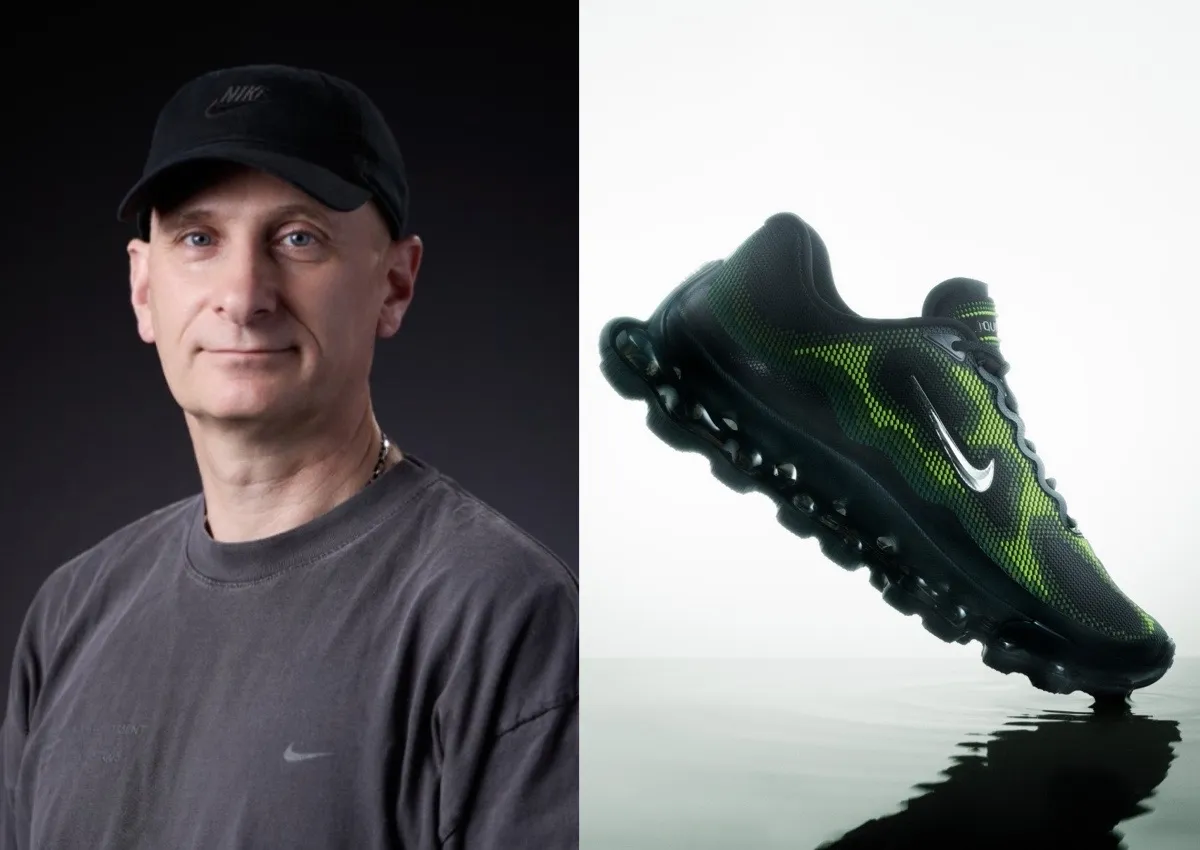
Nike's repeated executive turnover in its Chief Innovation Officer role—marking the fourth leadership change in three years—signals critical disruption in the company's product development pipeline, creating both risks and opportunities for e-commerce sellers in the athletic footwear and apparel categories. The latest transition sees Andy Caine assuming the CIO role effective April 13, 2026, succeeding Tony Bignell who departed after less than a year. This leadership instability occurs amid severe financial pressure: Nike's stock has plummeted 68% from its November 2021 peak of $167.31, Q3 FY2026 net income fell 35% to $520 million, and net sales remained flat at $11.3 billion. CEO Elliott Hill, appointed in October 2024, is executing a "Win Now" action plan to reverse declining sales, particularly in China where Nike is losing market share to local competitors.
For e-commerce sellers, this organizational chaos creates a critical 12-18 month window of opportunity. The repeated CIO departures indicate Nike will likely experience 6-12 month delays in launching new product innovations, creating a supply vacuum in premium athletic footwear categories. Sellers specializing in Nike alternatives, retro Air Force 1 inventory, and classic Air Max models should expect increased demand as consumers seek alternatives during Nike's innovation drought. The Piper Sandler downgrade (price target reduced from $60 to $50) and analyst concerns about product innovation gaps suggest Nike's wholesale partners may face inventory pressure, creating wholesale liquidation opportunities. Sellers with access to Nike overstock, returned inventory, or authorized closeout channels can capitalize on 20-40% margin opportunities through Amazon, eBay, and Shopify storefronts.
The China market weakness presents a secondary opportunity for sellers. Nike's declining competitive position against local brands (Li-Ning, Anta, Peak) in its second-largest market signals potential wholesale channel disruption. Sellers with established relationships in Chinese athletic apparel manufacturing can source alternative brands at 30-50% lower costs than Nike wholesale, creating arbitrage opportunities for US and EU marketplaces. Additionally, the leadership instability suggests Nike's digital transformation initiatives may stall, meaning third-party sellers on Nike.com and authorized reseller platforms could see reduced competition from direct-to-consumer channels. Sellers should monitor Nike's quarterly earnings (next report expected Q4 FY2026) for inventory write-downs and wholesale partner consolidation announcements, which typically precede liquidation sales.
Questions 8
How should sellers position for Nike's China market weakness?
The news reports Nike is losing competitive ground in China to local brands like Li-Ning and Anta, its second-largest market. This weakness creates two seller opportunities: (1) source alternative Chinese athletic brands at 30-50% lower wholesale costs than Nike, then resell on US/EU marketplaces; (2) capitalize on increased demand for Nike alternatives as Chinese consumers shift to local brands. Sellers with manufacturing relationships in China can develop private-label athletic footwear competing directly with Nike's price points. Monitor Chinese e-commerce platforms (Alibaba, Taobao) for emerging athletic brands gaining market share, then establish US distribution through Amazon or Shopify.
What is the timeline for Nike product innovation recovery?
Based on the news reporting Andy Caine's April 2026 appointment and the pattern of three previous CIO departures in three years, expect 12-18 months before Nike stabilizes its innovation pipeline. Caine's background developing Air VaporMax and Air Max 1000 suggests focus on premium performance lines, potentially delaying mid-market and budget product launches. Sellers should plan inventory strategies assuming Nike's new product velocity remains depressed through Q4 2026. This extended timeline creates sustained demand for alternative brands and classic Nike models. Set calendar reminders for Nike's Q1 FY2027 earnings (typically August 2026) to assess whether Caine's leadership is stabilizing the innovation function.