




Dolce & Gabbana Leadership Shift | Luxury E-Commerce Distribution Changes Ahead
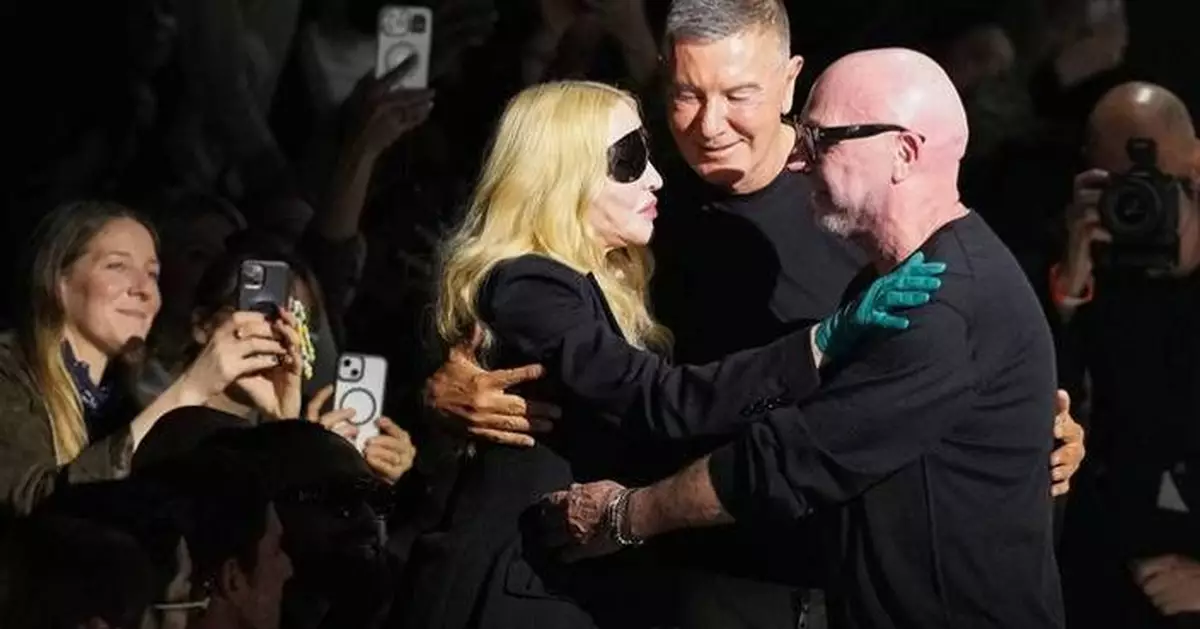
- Domenico Dolce's departure signals strategic repositioning affecting authorized sellers on Farfetch, SSENSE, and luxury marketplaces; expect policy changes in brand guidelines, pricing controls, and marketplace partnerships within 60-90 days




















.webp)


















Overview
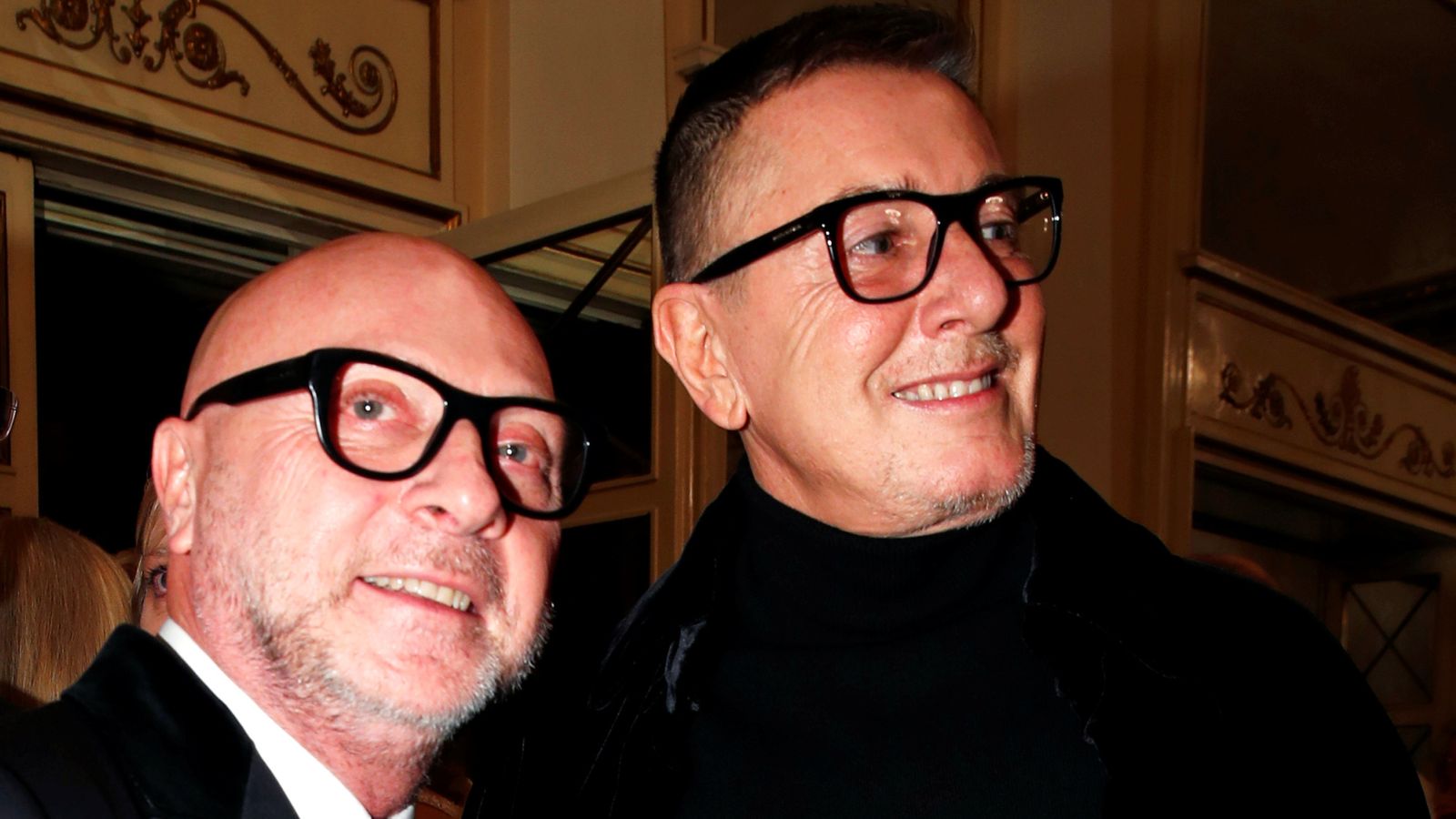
Domenico Dolce's departure as chair of Dolce & Gabbana represents a critical inflection point for luxury e-commerce sellers, signaling potential strategic repositioning of the Italian fashion house's distribution channels, authorized seller networks, and digital marketplace presence. This leadership transition occurs within the broader context of luxury fashion consolidation, where heritage brands are modernizing their e-commerce infrastructure and reassessing authorized seller requirements. For cross-border sellers specializing in luxury goods, fashion resale, or brand-authorized distribution on platforms like Farfetch, SSENSE, Browns Fashion, and Farfetch's luxury marketplace ecosystem, this development carries immediate operational implications.
Leadership transitions at heritage luxury brands typically trigger comprehensive reviews of e-commerce strategy and authorized seller policies. Historically, when luxury fashion houses undergo executive changes, they reassess their distribution models within 60-90 days, often implementing stricter brand guidelines, pricing controls, and marketplace authorization requirements. Sellers currently authorized to distribute Dolce & Gabbana products should anticipate potential policy adjustments regarding minimum order quantities, pricing floors, brand representation standards, and marketplace exclusivity agreements. The luxury goods segment represents approximately $380B globally, with e-commerce accounting for 18-22% of sales, making authorized distribution a high-value opportunity for compliant sellers. However, new leadership frequently implements tighter controls to protect brand positioning and margin integrity.
Sellers should immediately monitor official Dolce & Gabbana announcements regarding new leadership appointments and strategic direction. The departure of a co-founder typically indicates either planned succession or strategic repositioning, both scenarios requiring seller adaptation. Expect potential changes to: (1) authorized seller verification processes on luxury marketplaces, (2) pricing policy enforcement and MAP (Minimum Advertised Price) compliance, (3) product allocation and inventory authorization, (4) brand representation guidelines and content requirements, and (5) commission structures or partnership terms on third-party platforms. Sellers holding significant Dolce & Gabbana inventory should review current authorization status, verify compliance with existing brand guidelines, and prepare for potential policy communications. The fashion industry's shift toward direct-to-consumer models and curated marketplace partnerships means new leadership may prioritize selective distribution, potentially affecting smaller or lower-volume sellers. Additionally, luxury brands increasingly implement authentication requirements and anti-counterfeiting measures following leadership changes, requiring sellers to maintain detailed provenance documentation and supply chain transparency.
Questions 8
How does Domenico Dolce's departure affect authorized sellers on Farfetch and SSENSE?
Leadership transitions at luxury fashion houses typically trigger comprehensive reviews of authorized seller networks within 60-90 days. Sellers on platforms like Farfetch and SSENSE should expect potential policy adjustments regarding brand representation standards, pricing controls, and marketplace authorization requirements. New leadership often implements stricter verification processes and may consolidate authorized seller lists to protect brand positioning. Sellers should immediately verify their current authorization status and review compliance with existing brand guidelines. Prepare for potential communications regarding updated partnership terms, commission structures, or product allocation policies. Monitor official Dolce & Gabbana announcements for new leadership appointments and strategic direction statements.
What inventory and pricing policy changes should luxury sellers anticipate?
Heritage luxury brands typically implement stricter controls following executive transitions, including: (1) enhanced pricing floor enforcement and MAP (Minimum Advertised Price) compliance, (2) revised minimum order quantities for authorized distributors, (3) updated brand representation and content standards, and (4) stricter authentication and provenance documentation requirements. Sellers holding significant Dolce & Gabbana inventory should review current pricing against brand guidelines and prepare for potential enforcement actions. The luxury goods segment's shift toward selective distribution means new leadership may prioritize curated marketplace partnerships, potentially affecting lower-volume sellers. Expect 30-60 day implementation timelines for policy changes. Consider diversifying across multiple authorized platforms to reduce dependency on single marketplace relationships.