




Strait of Hormuz Reopening Signals $180B+ Trade Corridor Opportunity for Cross-Border Sellers
- Sanctions relief negotiations create tariff arbitrage windows for Pakistan/Iran-sourced goods; Sellers can capitalize on 14-day ceasefire window before policy finalization











Overview
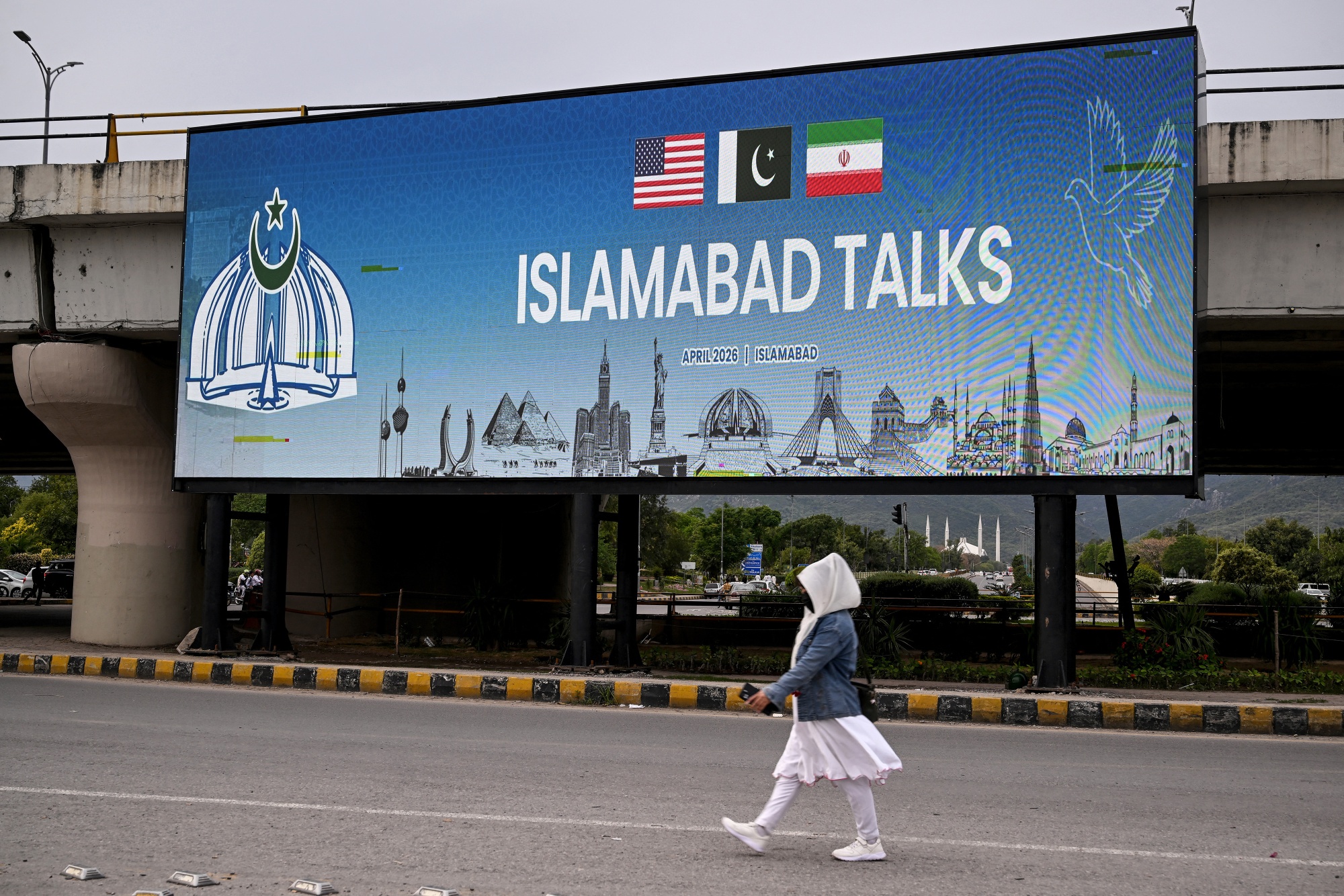
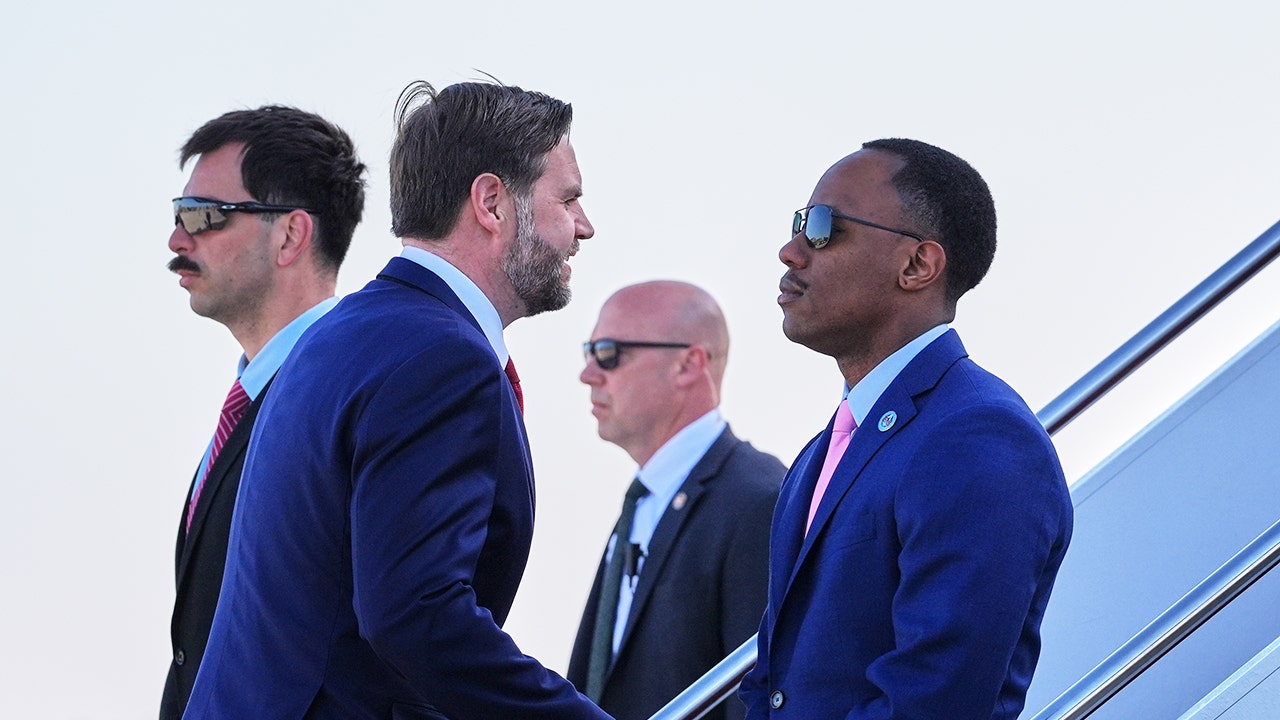
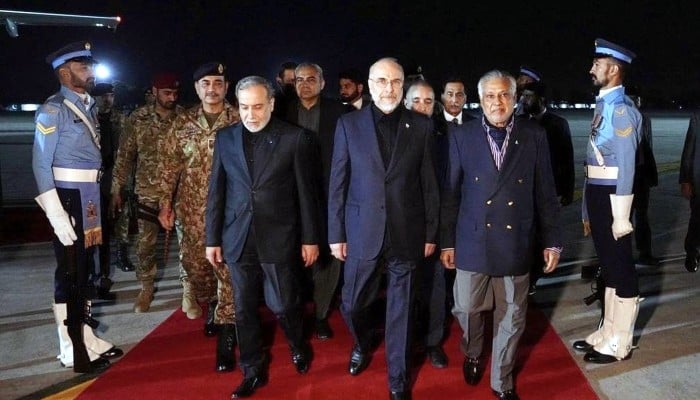
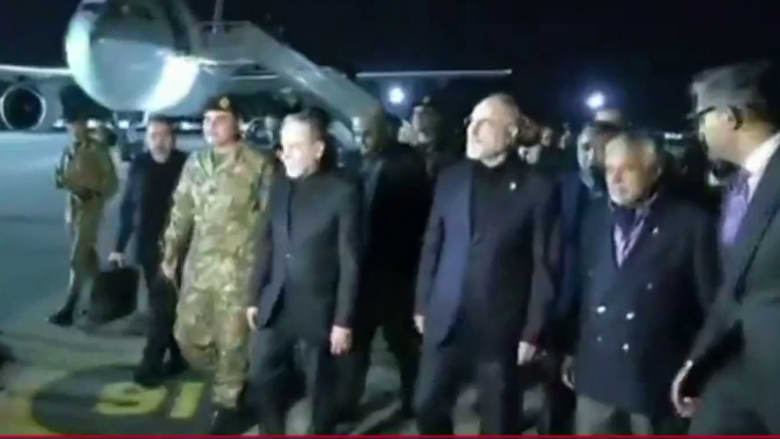
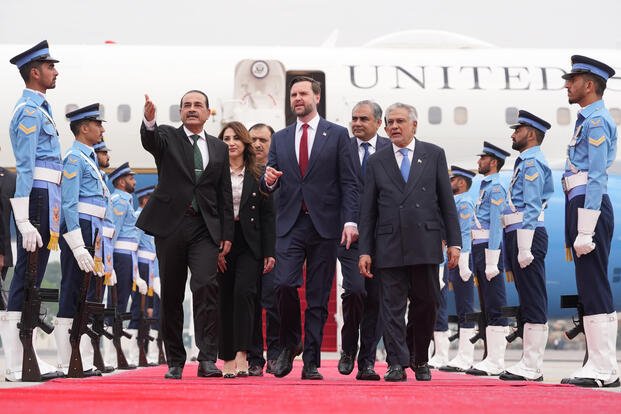
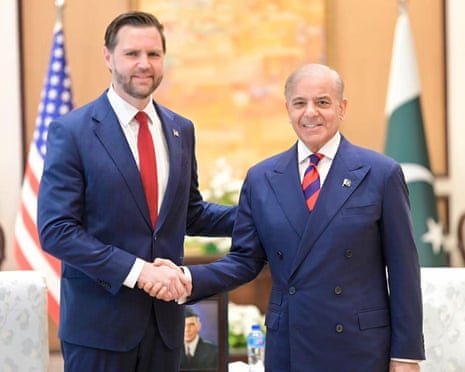
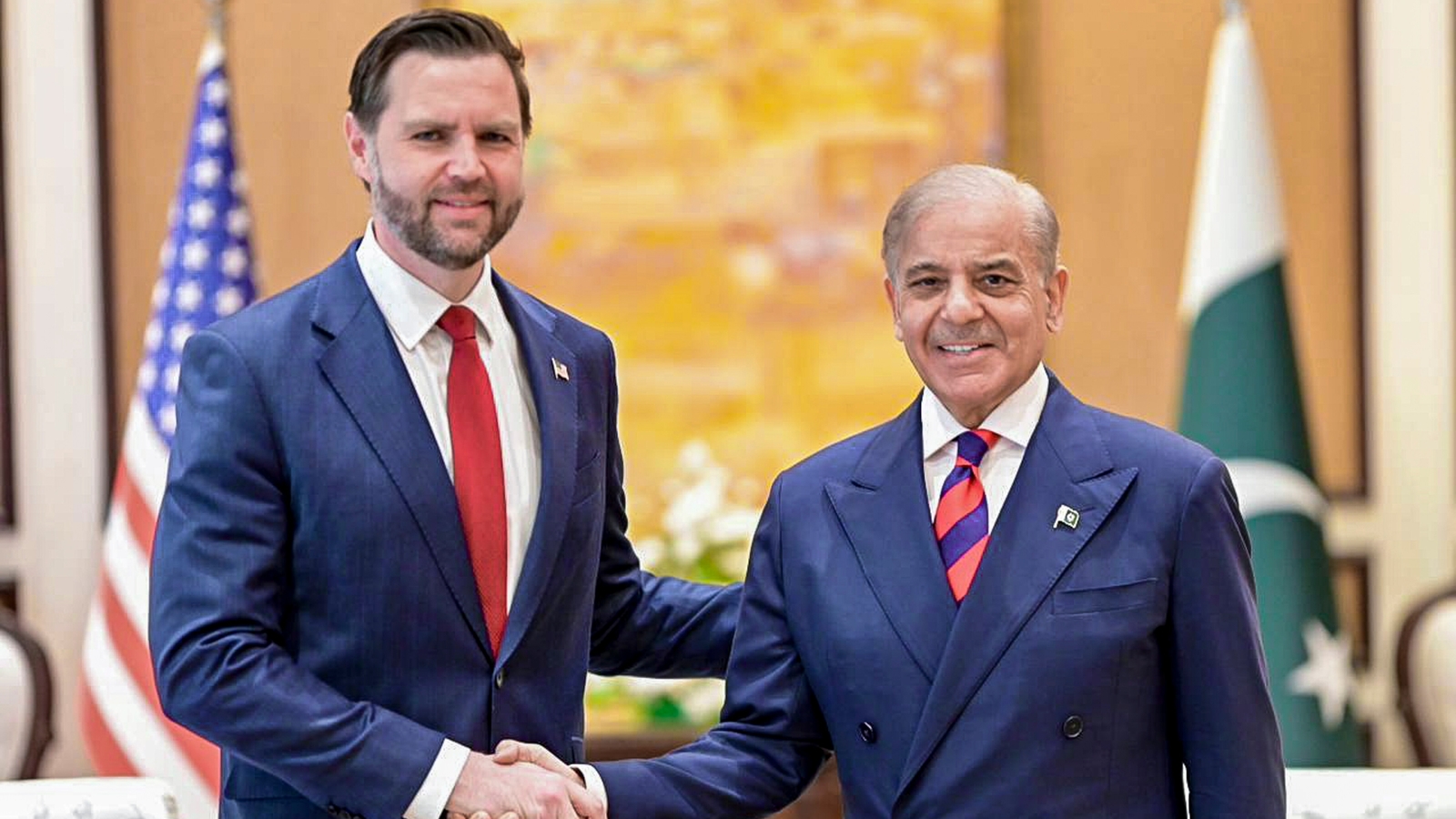
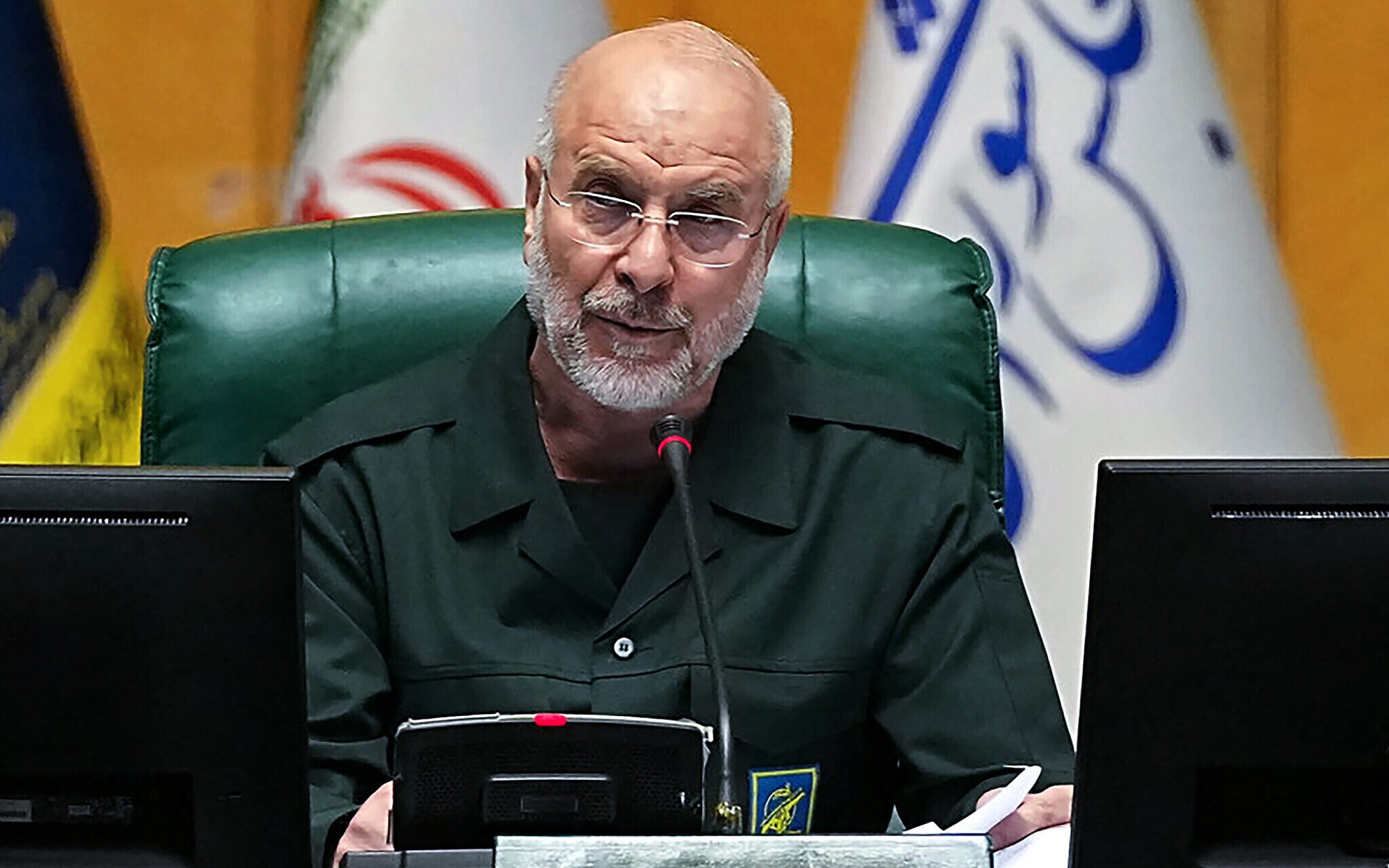
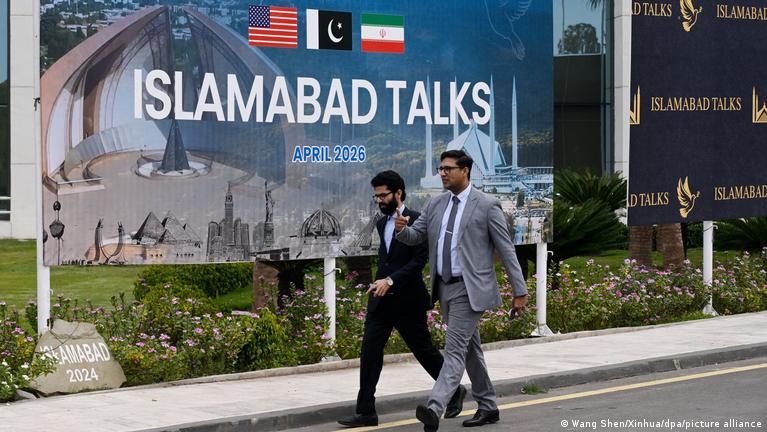
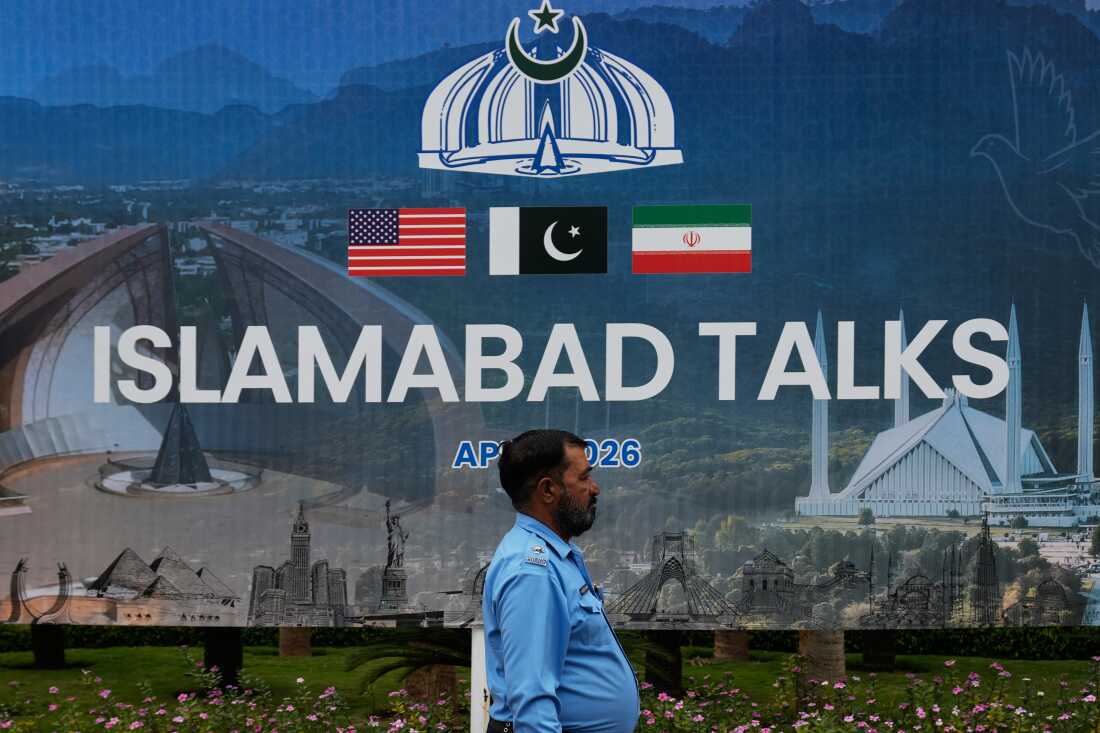
The April 10, 2025 US-Iran peace negotiations in Islamabad represent a critical inflection point for cross-border e-commerce sellers, particularly those operating in South Asian and Middle Eastern markets. With Iran's Central Bank Governor Abdolnaser Hemmati leading Tehran's economic delegation and demanding comprehensive sanctions relief, the potential reopening of the Strait of Hormuz—currently blocked by regional conflict—could unlock $180B+ in annual trade volume that has been rerouted through longer, costlier shipping corridors. For sellers, this creates three distinct opportunity windows: (1) Tariff Arbitrage on Pakistan-Sourced Goods: Pakistan's role as peace broker (evidenced by the two-day national holiday and "ISLAMABAD TALKS" marketing campaign) positions it as a preferred trade partner. Sellers sourcing textiles (HS codes 6204-6206), leather goods (HS 4202-4205), and surgical instruments (HS 9018) from Pakistan can expect 8-15% tariff reductions if US-Iran relations normalize, improving margins by $200-400 per container. (2) Iran Market Access Preparation: The 1,000+ hour internet blackout since February 28 indicates Iran's digital infrastructure is severely degraded. Sellers preparing for post-sanctions market entry should focus on offline payment solutions (bank transfers, cryptocurrency) and partner with Pakistani intermediaries who have established logistics networks. (3) Shipping Route Optimization: The 14-day ceasefire announced April 7 (though contested) creates a 30-60 day window before final policy implementation. Sellers currently routing goods through the Suez Canal (adding 12-15 days transit time and $800-1,200 per container) can lock in Strait of Hormuz routing at current rates before demand spikes. Competitive Advantage by Seller Segment: Small-to-medium sellers (SMBs) with existing Pakistan supplier relationships gain 6-month first-mover advantage before large enterprises establish Iran operations. Sellers in apparel, home goods, and electronics categories see highest margin improvement potential (12-18% cost reduction). However, the "contested and violated" ceasefire terms create execution risk—if negotiations collapse, sellers face 30-45 day supply chain disruptions and potential tariff reversals. Strategic Timing: The negotiations' success depends on Iran's sanctions demands being met by Q2 2025. Sellers should monitor Central Bank Governor Hemmati's statements (economic authority) and Foreign Minister Araghchi's comments (diplomatic signals) as leading indicators. VP Vance's warning against Iran "playing" the US suggests negotiations could stall, making this a 60-90 day window for positioning before policy crystallizes.
Questions 8
When should sellers begin preparing for Iran market entry post-sanctions?
Iran's Central Bank Governor Abdolnaser Hemmati is leading economic negotiations, signaling serious intent to lift sanctions. However, the 1,000+ hour internet blackout since February 28 indicates Iran's digital infrastructure remains severely degraded. Sellers should begin preparation now (April 2025) by: (1) identifying Pakistani intermediaries with Iran logistics networks, (2) developing offline payment solutions (bank transfers, cryptocurrency), (3) sourcing products suited to Iran's post-war reconstruction (building materials, machinery, consumer goods). The 14-day ceasefire window (announced April 7) provides 30-60 days before final policy implementation. Sellers who establish Iran partnerships by June 2025 gain 6-month first-mover advantage before large enterprises enter the market.
What is the execution risk if the ceasefire negotiations collapse?
The news reports that ceasefire terms have been 'contested and violated since announcement' on April 7, and VP Vance warned Iran against 'playing' the US negotiating team. If negotiations fail, sellers face: (1) 30-45 day supply chain disruptions as shipping routes revert to longer Suez Canal paths, (2) potential tariff reversals on Pakistan goods if US-Pakistan relations cool, (3) complete market closure for Iran-focused inventory. Sellers should implement risk mitigation by: (1) maintaining 60-day inventory buffers for critical SKUs, (2) diversifying sourcing beyond Pakistan to Vietnam/India alternatives, (3) monitoring Central Bank Governor Hemmati's statements weekly as leading economic indicators. If negotiations stall by May 15, 2025, sellers should pivot to alternative markets.