

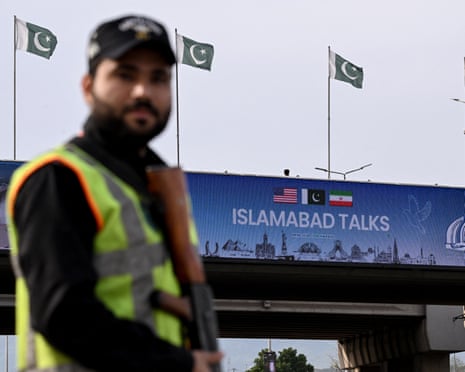



Strait of Hormuz Reopening Signals Major Shipping Cost Reductions for Cross-Border Sellers
- Potential 15-25% logistics savings for sellers shipping to Middle East/Asia; Pakistan emerges as critical trade hub; sanctions relief could unlock $2B+ Iranian e-commerce market

























Overview
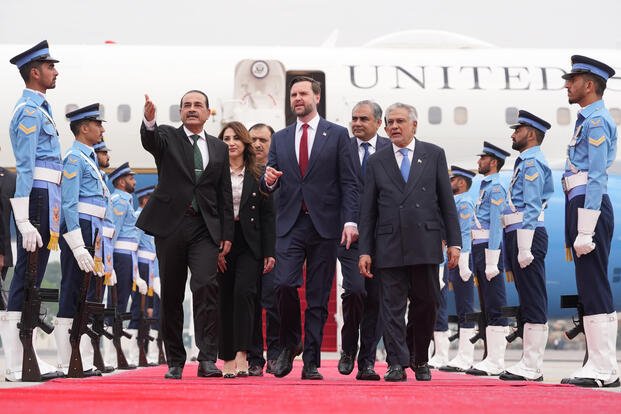
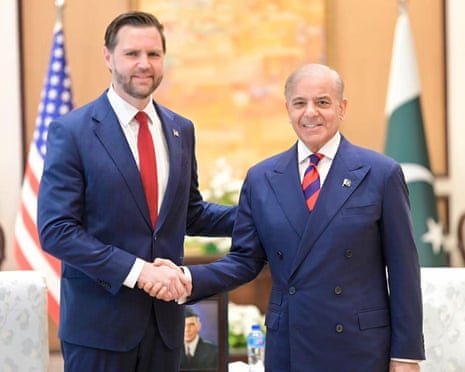
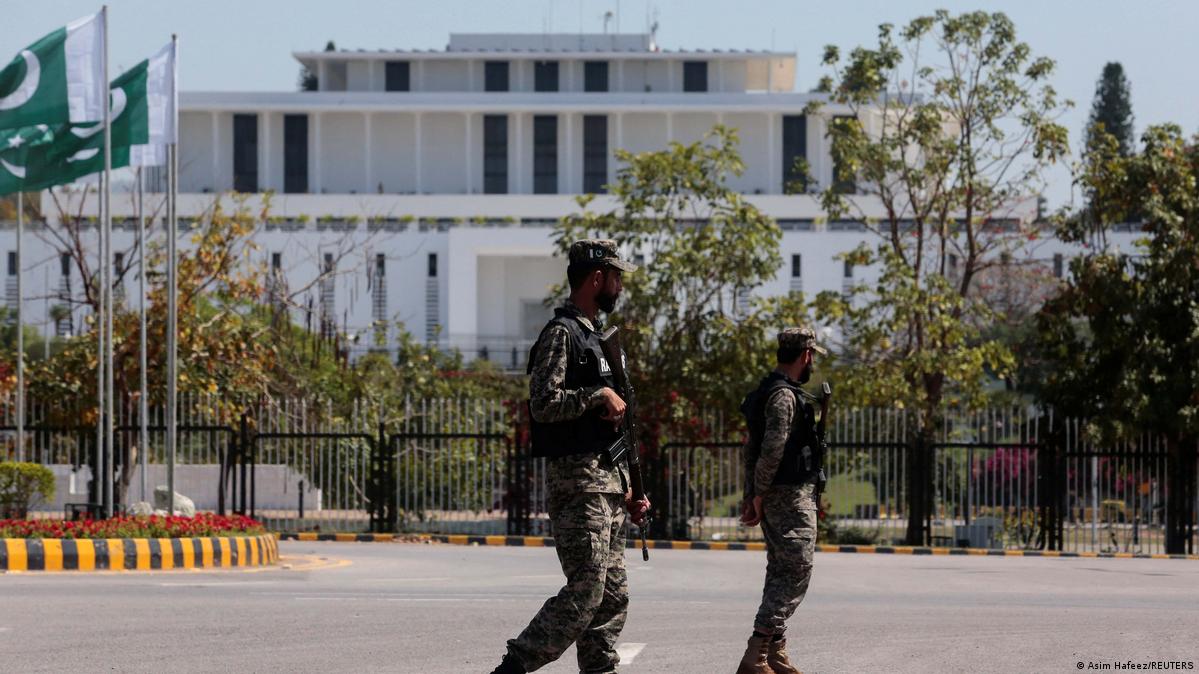
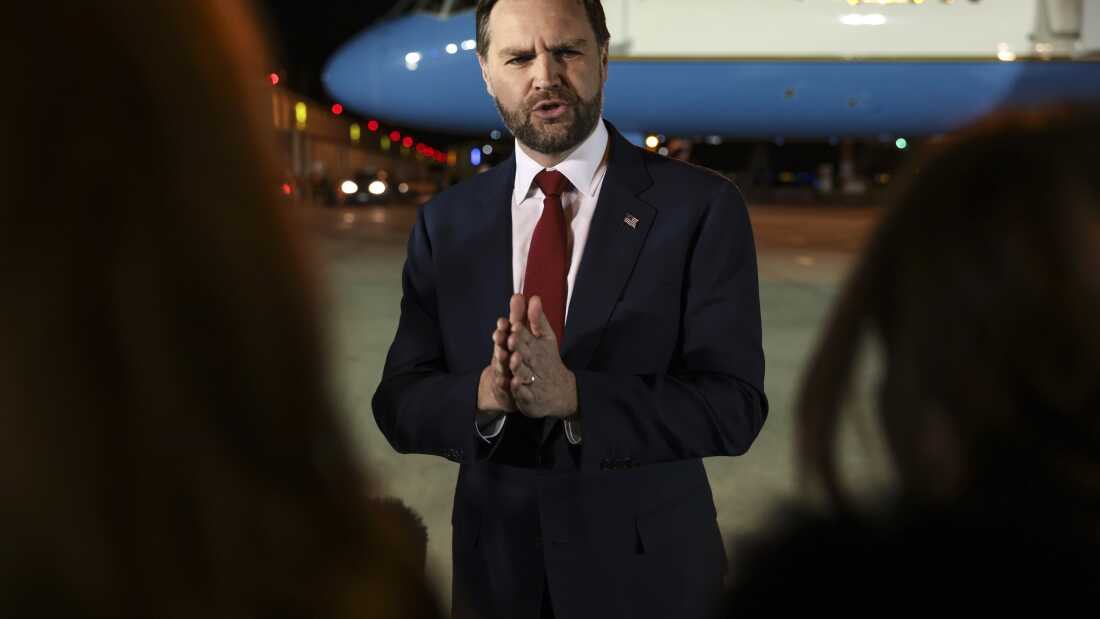
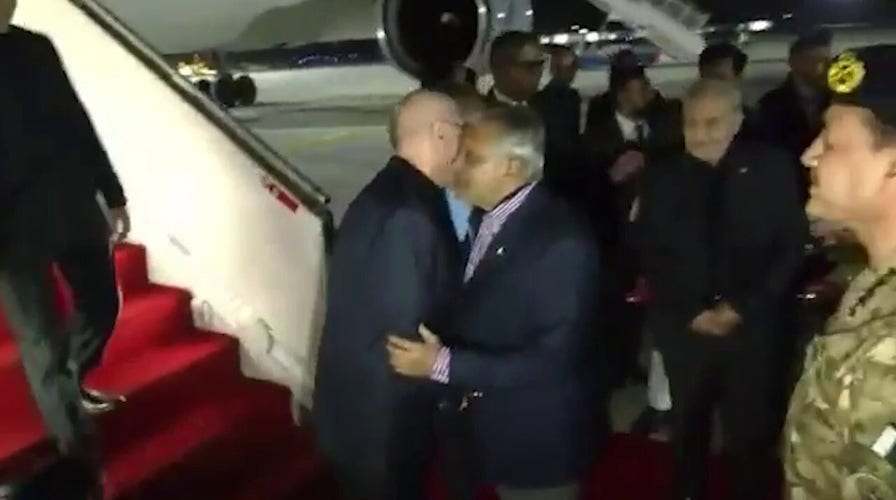
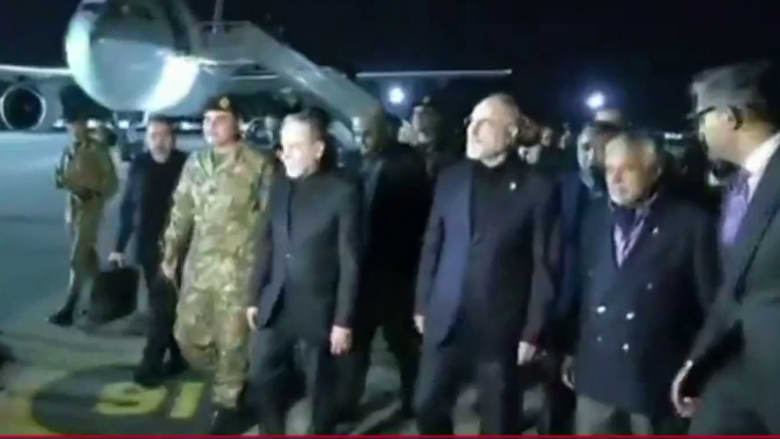
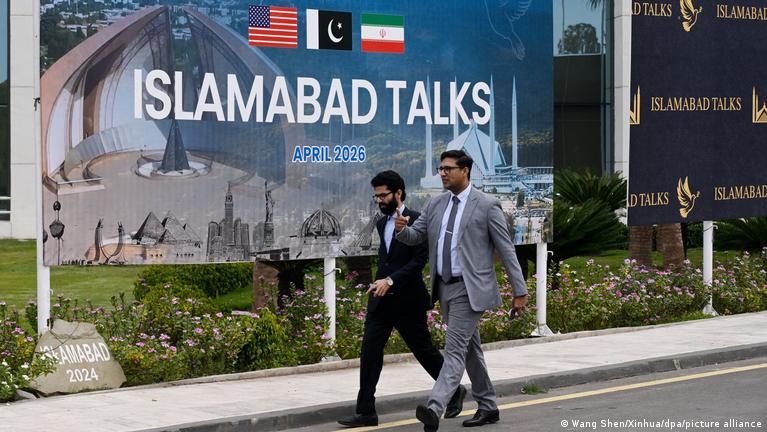
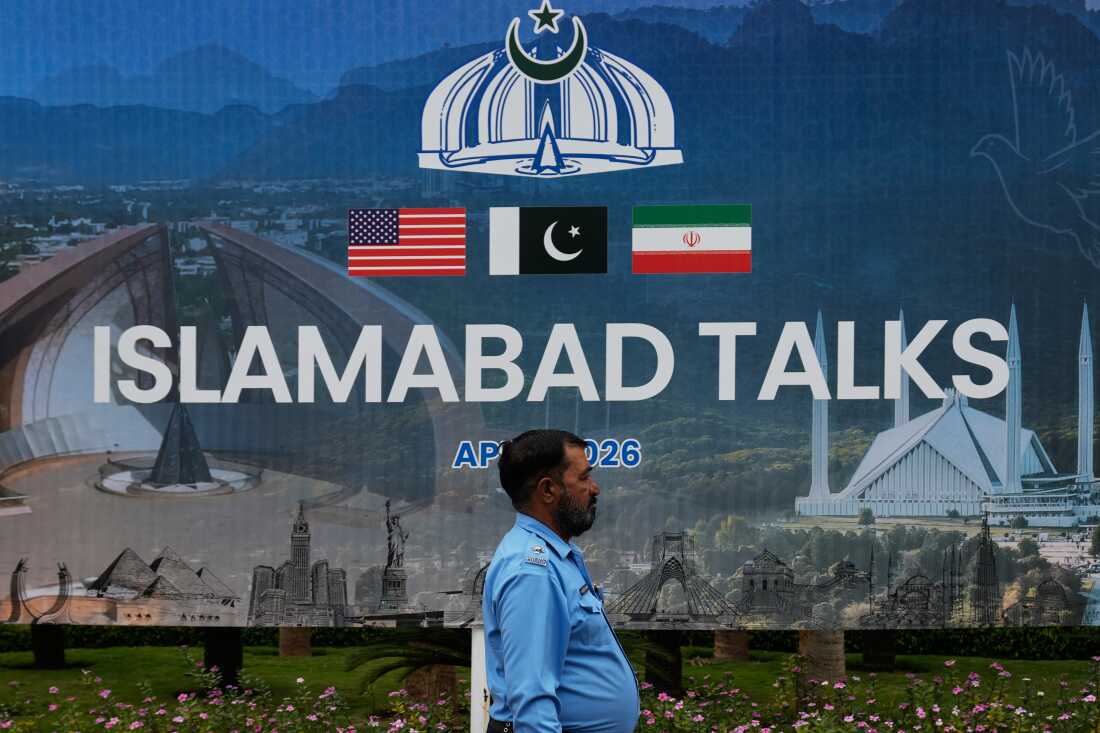
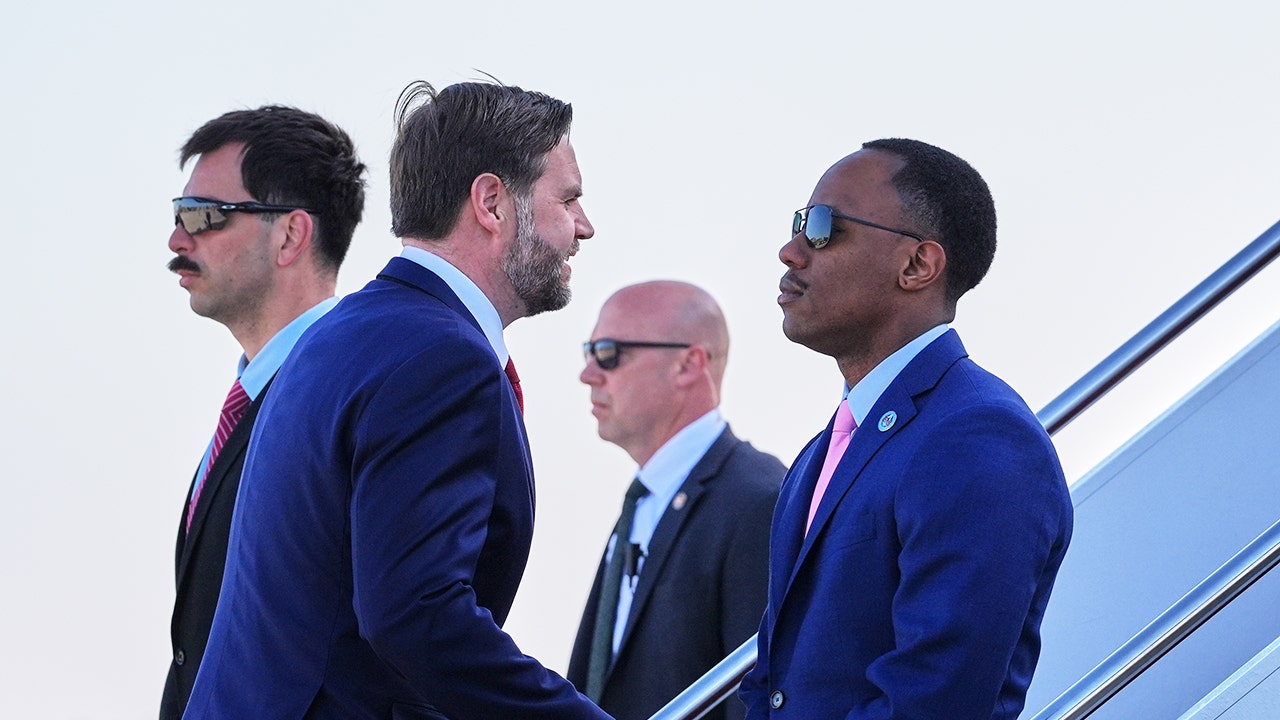
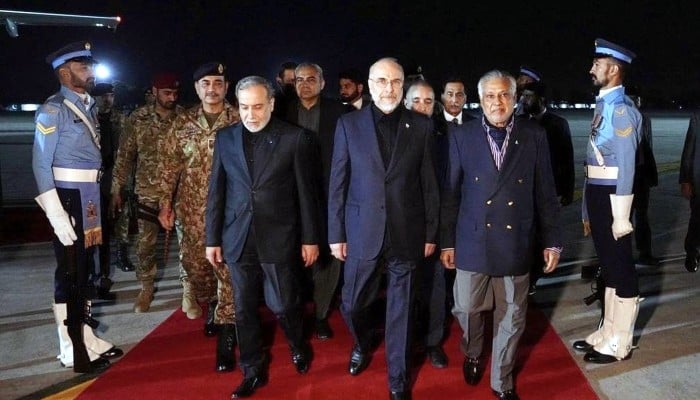
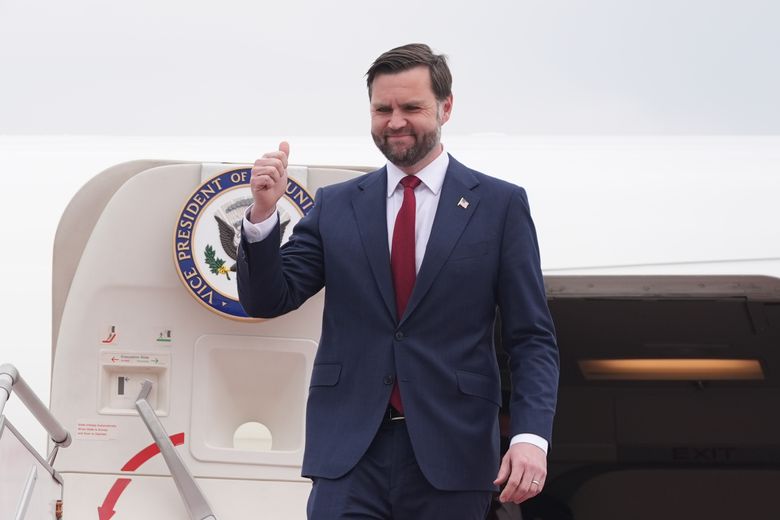
The April 10, 2025 US-Iran peace negotiations in Islamabad represent a critical inflection point for cross-border e-commerce logistics and market access. With the Strait of Hormuz shipping blockade as a central negotiation point, successful talks could reduce maritime freight costs by 15-25% for sellers routing goods through this critical waterway—one of the world's most important shipping corridors handling 21% of global petroleum trade and 30% of maritime commerce. The talks, led by US Vice President JD Vance and Iranian Parliament Speaker Mohammad Bagher Ghalibaf, directly address Iran's demand for sanctions relief and unblocking of Central Bank assets, which has immediate implications for sellers targeting Iranian consumers and Pakistani intermediary markets.
For cross-border sellers, the operational impact is substantial. Current shipping delays through alternative routes (around Cape of Good Hope) add 10-14 days to transit times and increase fuel surcharges by $400-800 per 20-foot container. A reopened Strait of Hormuz would restore direct routing, reducing shipping costs from $2,200-2,800 per container to $1,800-2,100 for Asia-to-Europe routes. Pakistan's declaration of a two-day national holiday and prominent role as negotiation host signals its positioning as a critical trade intermediary hub—particularly relevant for sellers sourcing from or shipping through South Asia. The 1,000+ hour internet blackout in Iran since February 28 has severely disrupted digital commerce infrastructure, but successful negotiations could enable rapid restoration of payment processing systems, opening access to Iran's 88 million population with growing e-commerce adoption rates.
Sanctions relief represents the highest-value opportunity. Iran's Central Bank Governor Abdolnaser Hemmati's participation signals serious intent to unblock $6-8B in frozen assets, which would immediately increase purchasing power for Iranian consumers and businesses. Sellers in consumer electronics, home appliances, fashion, and beauty categories could see 40-60% demand increases within 6 months of sanctions lifting. However, the "contested and violated" 14-day ceasefire announced April 7 indicates negotiations remain fragile—sellers should monitor daily developments and avoid over-committing inventory to Iranian channels until sanctions formally lift. Pakistan's role as mediator creates opportunities for sellers to establish distribution partnerships with Pakistani 3PL providers and marketplace platforms, positioning them to capture first-mover advantages when Iranian e-commerce infrastructure stabilizes. The Trump administration's stated priority of preventing nuclear weapons development while reopening shipping lanes suggests a pragmatic approach favoring commerce normalization, increasing probability of successful agreement within 60-90 days.
Questions 8
What is the timeline for sanctions relief and when could sellers access the Iranian market?
The April 10, 2025 negotiations represent the highest-level US-Iran talks since 1979, with Iran's Central Bank Governor participating—signaling serious intent to unblock frozen assets. While the April 7 ceasefire has been contested and violated, successful negotiations could yield sanctions relief within 60-90 days based on historical precedent with nuclear agreements. Iran's 88 million population represents an untapped e-commerce market currently restricted by payment processing blackouts (1,000+ hours of internet outages since February 28). Sellers should monitor daily negotiation updates and prepare compliance frameworks now, but avoid major inventory commitments until sanctions formally lift and payment systems restore. The Trump administration's stated priority of commerce normalization increases probability of agreement.
Which product categories would see highest demand if Iran sanctions are lifted?
Consumer electronics, home appliances, fashion, and beauty categories would likely see 40-60% demand increases within 6 months of sanctions relief, based on pent-up consumer demand and purchasing power from unblocked Central Bank assets ($6-8B). Iran's young demographic (median age 32) and growing digital adoption create strong demand for smartphones, laptops, cosmetics, and fashion items. Sellers in these categories should prepare localized listings with Farsi language support and establish relationships with Iranian payment processors and 3PL providers now. The news emphasizes Iran's serious negotiating position through high-level delegation participation, suggesting market access could materialize faster than previous sanctions-lifting scenarios.