

Private Credit Crisis Threatens E-Commerce Seller Financing | $2T Market Stress
- Fed investigates $2 trillion private credit sector; tightened lending standards increase borrowing costs 8-15% for e-commerce sellers relying on alternative financing






Overview
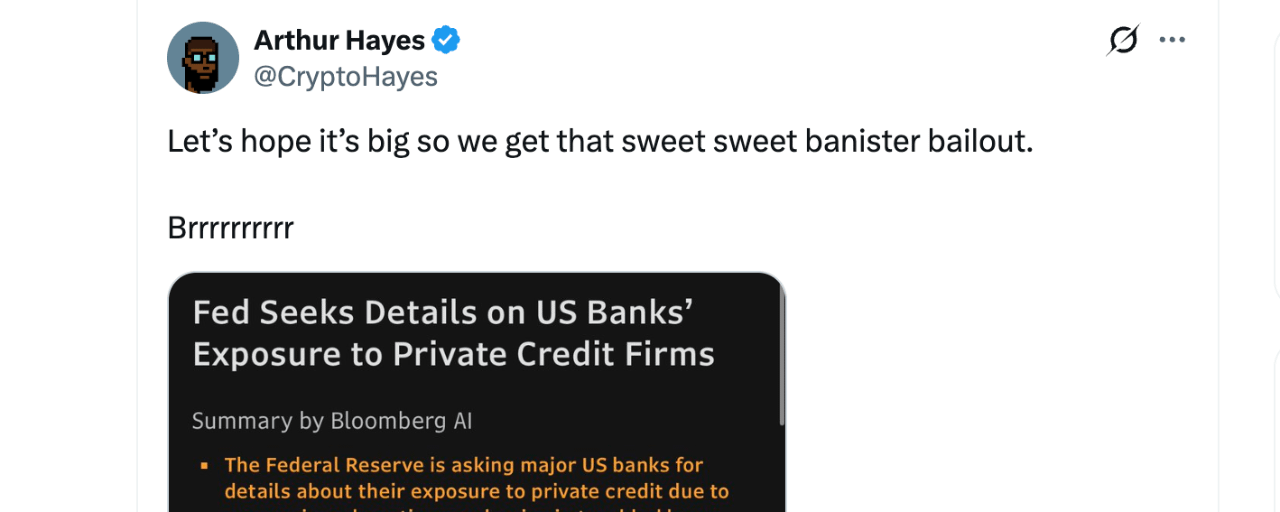
The Federal Reserve's April 2026 inquiry into U.S. banks' exposure to private credit firms signals a critical financing crisis for cross-border e-commerce sellers. The $2 trillion private credit sector—which finances inventory purchases, supply chain operations, and working capital for thousands of e-commerce businesses—is experiencing severe stress from redemption surges, troubled loans, and high-profile bankruptcies. Major U.S. banks have tightened lending standards while private credit funds cap withdrawal requests, directly restricting capital availability for sellers who depend on these alternative financing sources.
Immediate Financial Impact for E-Commerce Sellers: Private credit firms have historically provided faster, more flexible funding than traditional banks for inventory financing, purchase order (PO) financing, and invoice factoring. With redemption pressures intensifying and lenders implementing stricter underwriting, sellers face 8-15% increases in borrowing costs and longer approval timelines. Small to mid-sized sellers (those with $500K-$5M annual revenue) are most vulnerable, as they typically lack access to traditional bank credit lines and rely heavily on private credit, supply chain finance platforms, and alternative lenders. The regulatory scrutiny compounds this pressure—the Treasury Department's meetings with insurance regulators suggest broader credit market tightening ahead, signaling that even non-bank financing options may become scarcer.
Working Capital Cycle Deterioration: The tightening creates a cascading cash flow problem. Sellers who previously accessed 60-90 day inventory financing now face 30-45 day terms or higher interest rates (potentially 12-18% APR vs. previous 8-10%). This compresses working capital cycles by 15-30 days, forcing sellers to either reduce inventory velocity or tap personal capital. For a seller managing $2M in annual inventory, this translates to $40K-$80K in additional annual financing costs. Additionally, the regulatory uncertainty around private credit valuations (highlighted by the NAIC's withdrawn 2024 study on inflated credit ratings) creates pricing volatility—lenders may suddenly reprrice existing facilities or demand additional collateral.
Strategic Financing Diversification Required: Sellers must immediately evaluate alternative funding sources: traditional bank lines of credit (though tightening), supply chain finance platforms (Coupa, Kyriba, Tradeshift), fintech lenders (Clearco, Pipe, Uncapped), and marketplace-integrated financing (Amazon Lending, eBay Capital). Each carries different costs and terms. Bank lines average 6-9% APR but require 6-8 week approval. Fintech platforms offer 2-4 week turnaround at 10-16% APR. Marketplace lending provides fastest access (48-72 hours) at 15-25% APR but caps at lower amounts ($50K-$250K). Sellers should also consider invoice factoring (70-85% advance at 1.5-3% monthly fees) and inventory-backed loans from specialized lenders like Clearco or Wayflyer.
Questions 8
How does private credit stress impact cross-border payment processing and logistics financing?
Private credit stress creates secondary effects on payment processing and logistics financing. Many payment processors and 3PL providers rely on private credit for working capital and expansion funding. As these firms face tighter credit conditions, they may increase processing fees (2-3% vs. 1.5-2% previously), extend settlement timelines (3-5 days vs. 1-2 days), or reduce service availability in lower-margin regions. Logistics financing—critical for sellers managing international shipments—may become scarcer and more expensive. Sellers should lock in payment processing contracts and negotiate multi-year 3PL agreements before pricing increases take effect.
Should I lock in financing now before conditions worsen further?
Yes, if you have access to private credit or alternative financing at current rates, securing committed facilities now is strategically prudent. The Fed's proactive inquiry and Treasury Department meetings with insurance regulators suggest credit conditions will tighten further in coming months. Sellers should: (1) Establish backup credit lines immediately (even if unused), (2) Lock in rates on existing facilities before repricing, (3) Negotiate extended terms (60-90 days vs. 30-45 days) while lenders still have capital, and (4) Build 30-45 days of additional cash reserves to buffer working capital cycles. The cost of securing financing now is lower than the cost of scrambling for capital in a tightened market.