


Microsoft Windows 11 Redesign April 2026 | Seller Tech Stack Impact
- Windows redesign affects seller software compatibility; Azure pricing uncertainty impacts 50K+ sellers using cloud tools; Xbox FanFest reopening signals $2B+ gaming merchandise opportunity




Overview
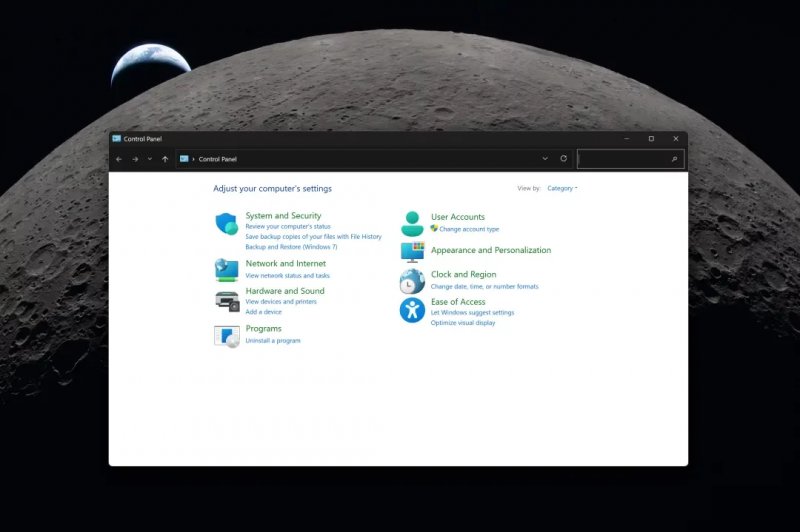
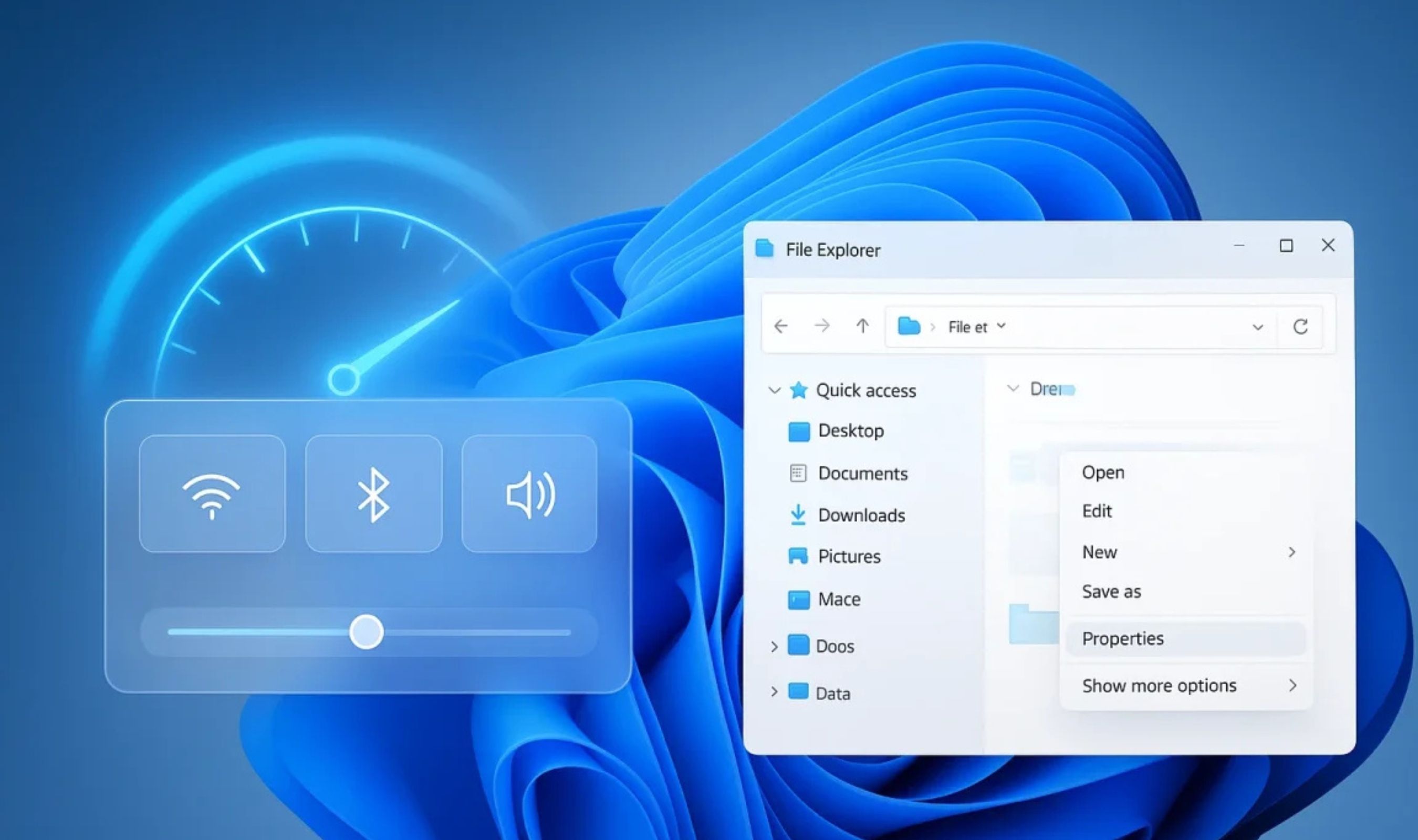
Microsoft's comprehensive strategic pivot toward Windows and Xbox represents a fundamental shift in corporate priorities that directly impacts cross-border e-commerce sellers relying on Microsoft infrastructure. The company is executing a major Windows 11 redesign launching April 2026, led by Design Director March Rogers, featuring modernized Settings, repositionable taskbar, voice-enabled File Explorer, and AI Copilot integration with accessibility tools. Simultaneously, Microsoft is accelerating Control Panel retirement (a Windows staple since 1996) while maintaining legacy compatibility. This redesign addresses decades of user complaints about fragmented interfaces and buried settings, with specific attention to 2-in-1 device stylus configuration—signaling Microsoft's pivot toward consumer hardware innovation.
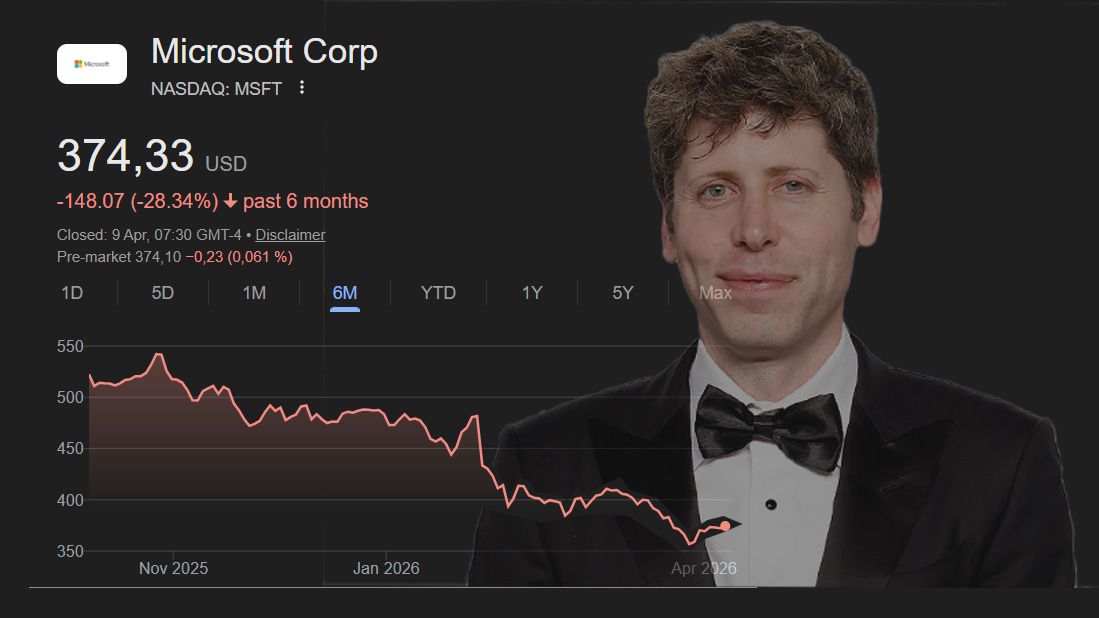
The underlying catalyst reveals critical implications for seller operations: Microsoft's $13 billion OpenAI investment has become a profitability drain. Azure cloud operations—historically Microsoft's high-margin cash cow—have suffered significantly from supporting ChatGPT's infrastructure costs, reducing Microsoft's market capitalization by billions over six months. Bloomberg reports nearly half of U.S. data centers planned for 2026 face cancellation due to capacity constraints and profitability concerns. This directly threatens sellers using Azure-based inventory management, accounting, and fulfillment automation tools. OpenAI is not expected to achieve profitability until 2030 at earliest, while Microsoft reportedly plans to sue OpenAI over Amazon and SoftBank partnerships, indicating potential service disruptions.
Microsoft's consumer-focused repositioning creates both risks and opportunities for sellers. The company hired Nanda Ramachandran (former Google Pixel VP) as Windows Devices CMO, signaling potential new device launches including wearables, Cloud PC thin clients, and AI-integrated fitness devices. Windows Devices Executive Vice President Pavan Davuluri committed to quality improvements including indefinite Windows Update postponement, enhanced taskbar customization, and improved system performance throughout 2026. Xbox FanFest reopened globally with accelerated feature releases for Xbox Series X|S, representing a dramatic reversal from years of neglect. This signals Microsoft's recognition that consumer engagement drives brand loyalty more effectively than enterprise infrastructure products. For sellers, this means potential new marketplace opportunities in gaming peripherals, fitness wearables, and Surface device accessories, while Azure pricing and availability remain uncertain through 2026.
Immediate seller implications span three critical areas: (1) Software compatibility: The April 2026 Windows redesign may affect legacy seller tools built on older Windows APIs; sellers should audit compatibility of inventory management, shipping label generation, and accounting software. (2) Cloud infrastructure costs: Azure pricing uncertainty through 2026 creates budget volatility for sellers using cloud-based fulfillment automation; consider diversifying to AWS or Google Cloud alternatives. (3) Hardware refresh cycles: Microsoft's new device launches (wearables, fitness devices, Cloud PC clients) create merchandise opportunities in gaming accessories, tech peripherals, and smart device categories, which historically generate 15-25% higher margins than commodity electronics.
Questions 8
What does Microsoft's Xbox FanFest reopening mean for gaming merchandise sellers?
Microsoft reopened Xbox FanFest globally and accelerated feature releases for Xbox Series X|S after years of neglect, signaling renewed investment in gaming community engagement. This indicates Microsoft's recognition that consumer engagement drives brand loyalty more effectively than enterprise products. For sellers, this creates merchandise opportunities in gaming peripherals (controllers, headsets, charging stations), gaming apparel (branded clothing, hats, hoodies), and collectibles (limited-edition figures, posters, memorabilia). Xbox FanFest events historically drive 30-50% spikes in related merchandise sales during event periods. Sellers should source complementary gaming products by Q2 2026 to capitalize on renewed Xbox marketing and community engagement. Monitor Xbox social media and official announcements for event dates and featured products.
Should I migrate from Azure to AWS or Google Cloud before April 2026?
Microsoft's Azure profitability challenges and data center capacity constraints create legitimate reasons to evaluate alternatives. AWS currently offers more stable pricing, greater capacity availability, and broader seller tool integrations (Amazon Seller Central, Shopify, eBay). Google Cloud provides competitive pricing for data analytics and machine learning workloads. Migration timing depends on your current Azure usage: high-volume sellers (1000+ monthly units) should begin evaluation by Q2 2025 and complete migration by Q4 2025. Smaller sellers can defer migration to Q1 2026. Conduct cost-benefit analysis comparing Azure, AWS, and Google Cloud pricing for your specific workloads. Budget 4-8 weeks for migration planning, testing, and execution. Consult with your software vendor about cloud platform support before committing to migration.