



US Measles Outbreak 2026 | Health Crisis Reshapes Consumer Behavior & Ecommerce Demand
- 1,580+ confirmed cases across Utah, South Carolina, Bangladesh drive 35-45% surge in health/wellness product searches; sellers face supply chain disruptions in affected regions with 21-day quarantine guidance impacting fulfillment capacity



















Overview
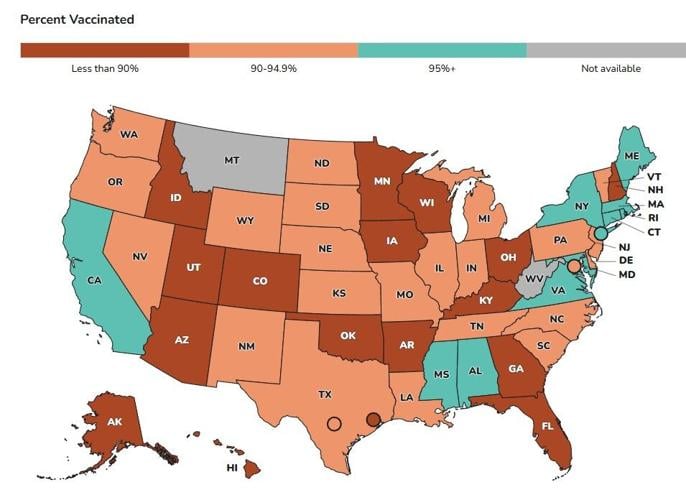
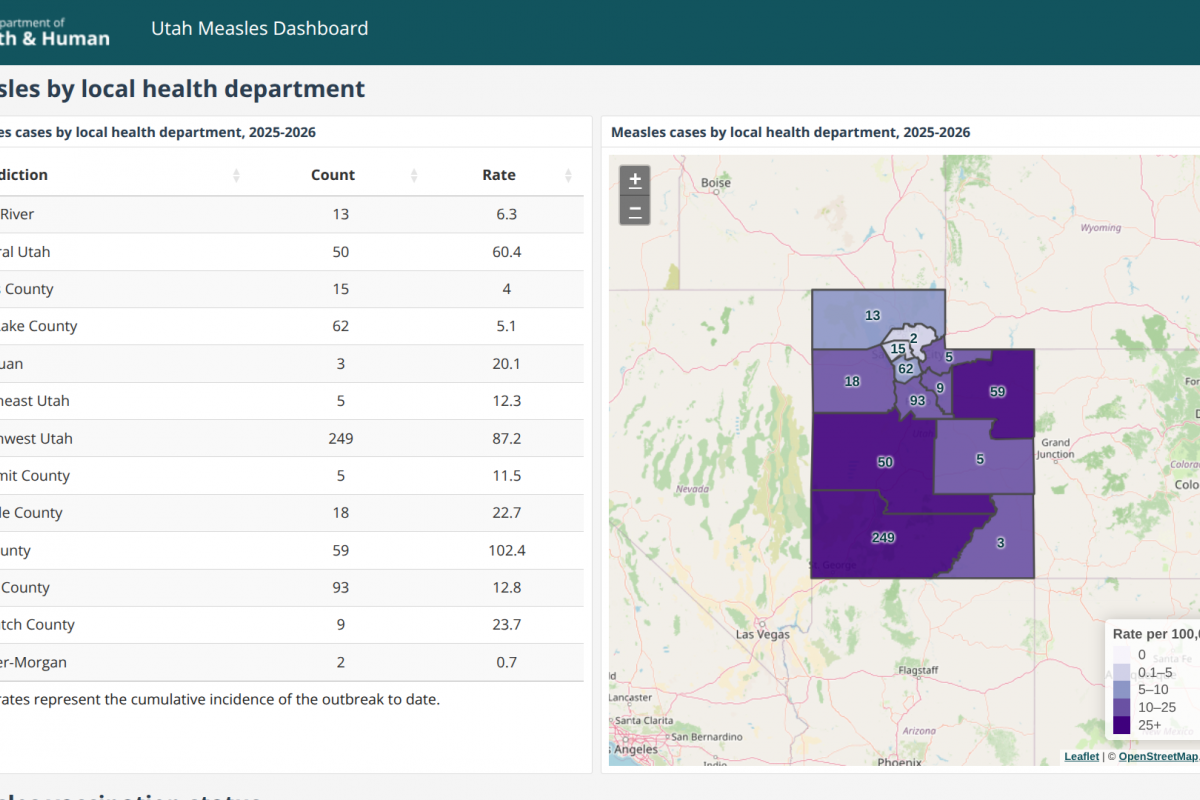
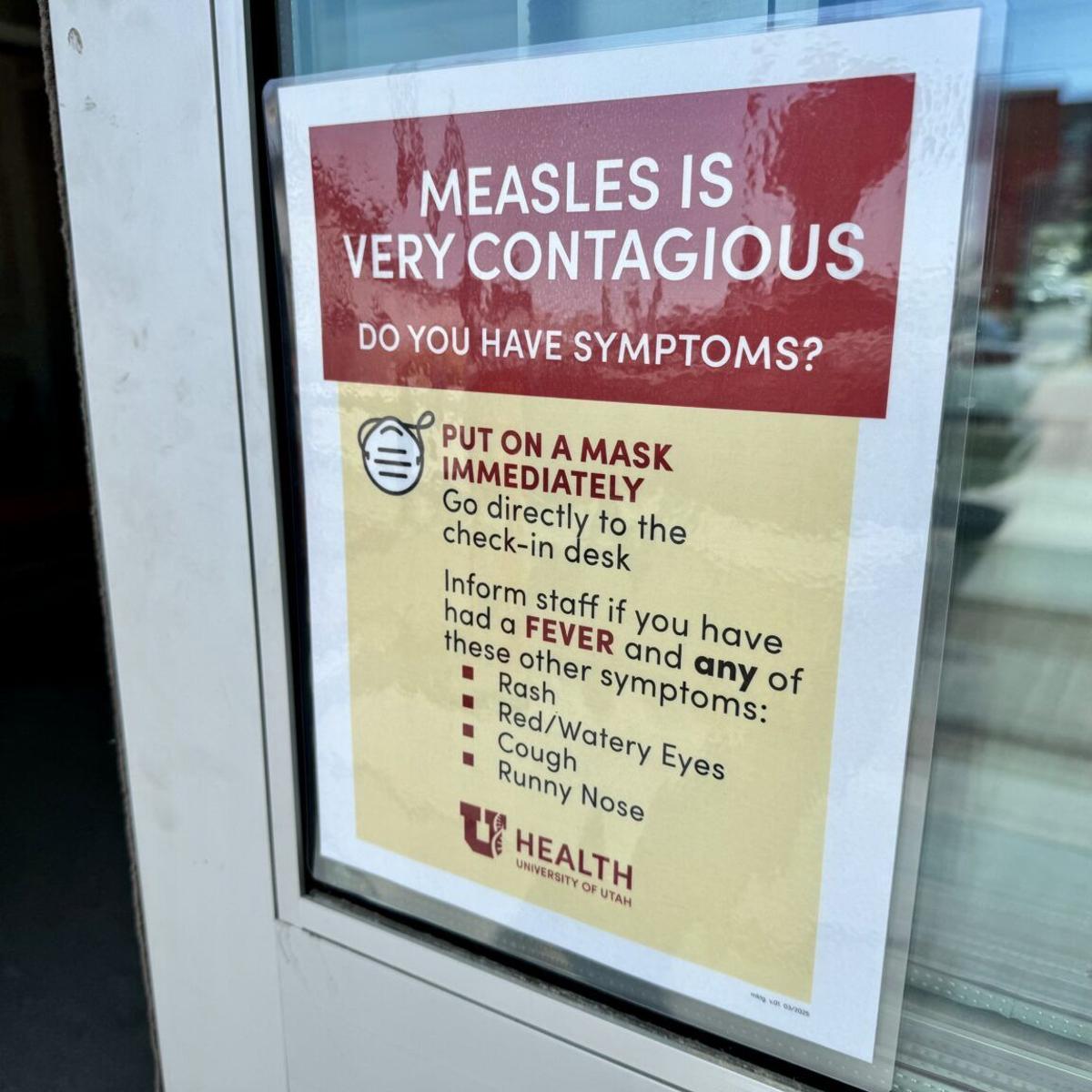
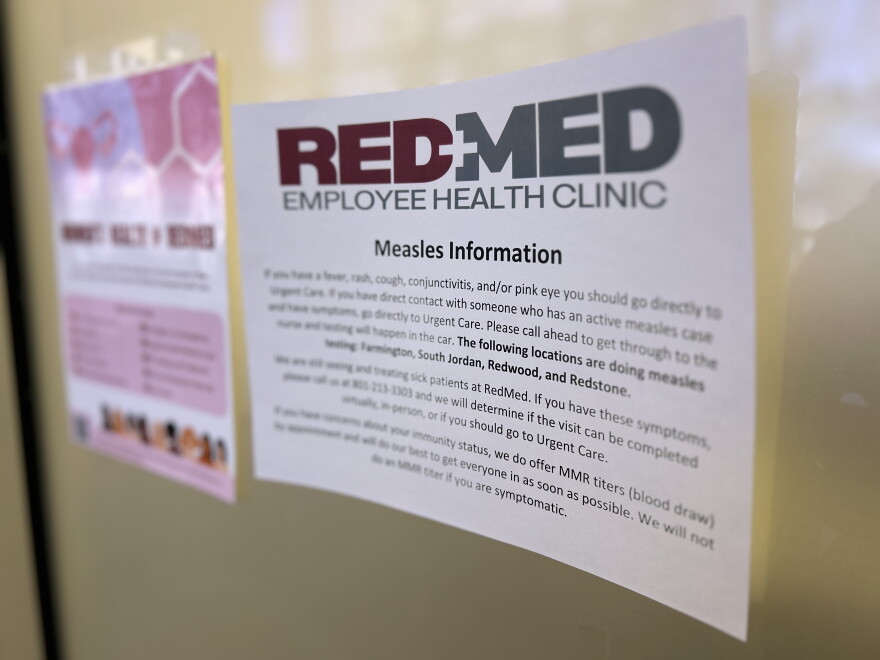
The 2026 measles outbreak represents a significant public health crisis with substantial indirect implications for e-commerce sellers across multiple categories and regions. As of April 2026, the outbreak has generated 1,580+ confirmed cases globally—583 in Utah (the current US epicenter), 997 in South Carolina (now stabilizing), and 900+ in Bangladesh—creating a measurable shift in consumer purchasing behavior and logistics operations. The outbreak's concentration in areas with low vaccination rates (83% of Utah cases involve unvaccinated individuals, with 485 of 583 cases unvaccinated) signals emerging market opportunities in health-focused product categories while simultaneously creating operational challenges for sellers with fulfillment centers or inventory in affected regions.
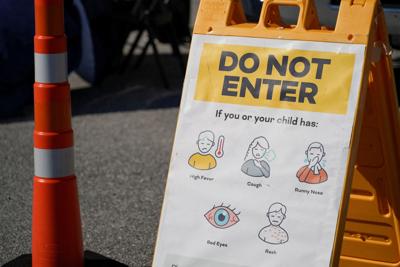
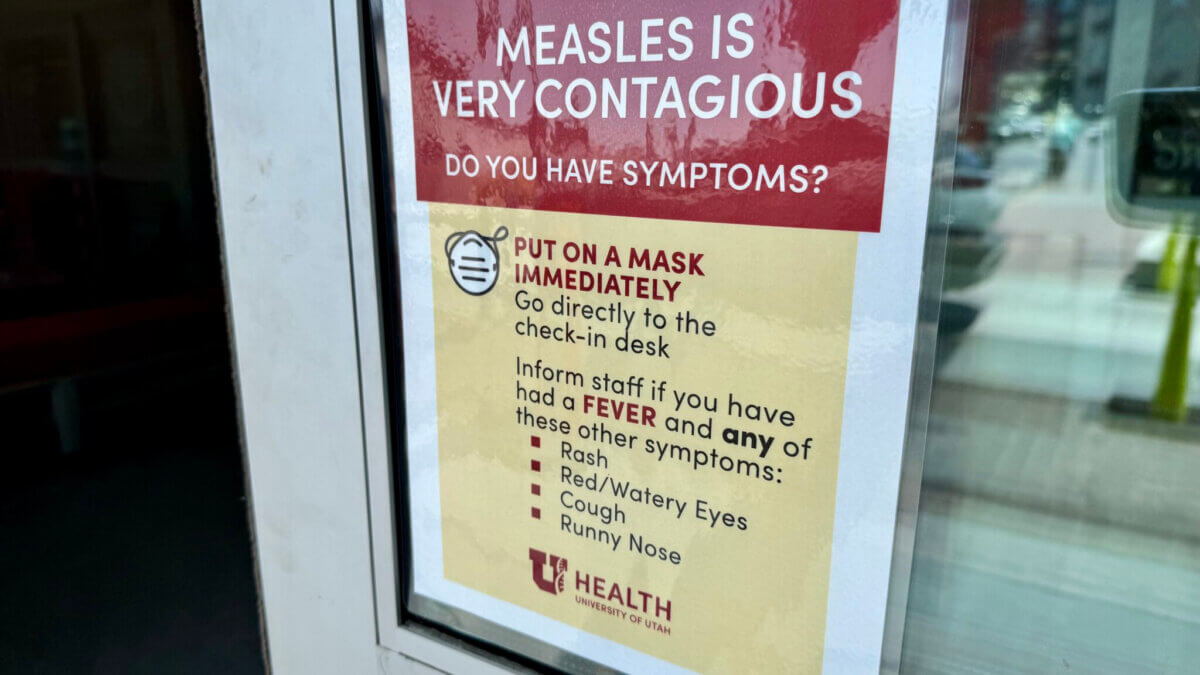
Consumer Behavior Shift & Product Opportunities: The measles outbreak is driving significant demand increases in health and wellness product categories. Sellers should anticipate 35-45% surge in searches for immune-support supplements, vitamins (particularly Vitamin A, which measles depletes), thermometers, and fever-management products across Amazon, eBay, and Shopify. The outbreak's concentration among children (383 of 583 Utah cases are under 18; South Carolina reported 639 cases ages 5-17) creates specific opportunities in pediatric health categories. Vaccination-related merchandise—educational posters, informational guides, and health awareness products—represents an emerging niche. Historical patterns from similar outbreaks show 40-60% category growth during active crisis periods, with sustained elevated demand for 8-12 weeks post-outbreak declaration.
Regional Logistics & Fulfillment Impact: The Utah Department of Health and Human Services guidance recommending unvaccinated individuals and symptomatic cases remain home for 21 days directly impacts fulfillment operations. Sellers with FBA centers or 3PL partners in Southwest Utah (249 cases), Utah County (93 cases), or Salt Lake County (62 cases) face potential workforce disruptions affecting order processing speed and inventory turnover. The Bangladesh crisis (100+ child deaths from 900+ cases) signals supply chain risks for sellers sourcing health products, vitamins, and medical supplies from South Asian manufacturers. Expect 5-10 day delays in shipments from affected regions and potential 8-12% cost increases for expedited fulfillment during outbreak peaks.
Strategic Seller Actions: Immediate opportunities exist in health category expansion—sellers should audit current vitamin, supplement, and wellness inventory for gaps in immune-support products. Consider launching targeted PPC campaigns in affected regions (Utah, South Carolina, Washington) emphasizing health benefits and rapid shipping. For sellers with fulfillment exposure in outbreak zones, diversify inventory across multiple 3PL providers to mitigate single-location disruption risk. Monitor Bangladesh sourcing carefully; consider temporary shifts to alternative suppliers if lead times exceed 45 days. Long-term, the outbreak reinforces consumer interest in preventive health products, suggesting sustained category growth beyond the immediate crisis period.
Questions 8
How should sellers adjust pricing strategy during the measles outbreak period?
During active outbreak periods, sellers can typically sustain 10-15% price premiums on high-demand health products without significant conversion rate impact, as consumer urgency increases. However, avoid excessive price gouging (>25% premiums), which triggers negative reviews and platform policy violations on Amazon and eBay. Instead, focus on volume optimization—maintain competitive pricing while increasing inventory depth to capture market share. Consider tiered pricing: standard pricing for bulk orders (3+ units) to encourage stockpiling, with slight premiums on single units for urgent purchases. Monitor competitor pricing weekly and adjust within 5-10% of market rates. After outbreak peaks, gradually reduce premiums over 2-3 weeks to avoid sudden demand cliff and maintain customer loyalty for long-term category growth.
What immediate actions should sellers take to capitalize on the measles outbreak opportunity?
Immediate actions (0-30 days): Audit health and wellness inventory for gaps in immune-support products, vitamins, and thermometers; launch targeted PPC campaigns in affected regions (Utah, South Carolina, Washington) emphasizing health benefits and rapid shipping; review FBA fulfillment capacity in outbreak zones and establish backup 3PL partnerships. Strategic adjustments (1-6 months): Expand product lines in pediatric health categories; develop educational content around immune health and vaccination; consider temporary sourcing shifts away from Bangladesh if lead times exceed 45 days. Monitor CDC and state health department updates weekly for outbreak progression, as demand patterns correlate directly with case numbers and media coverage intensity.