
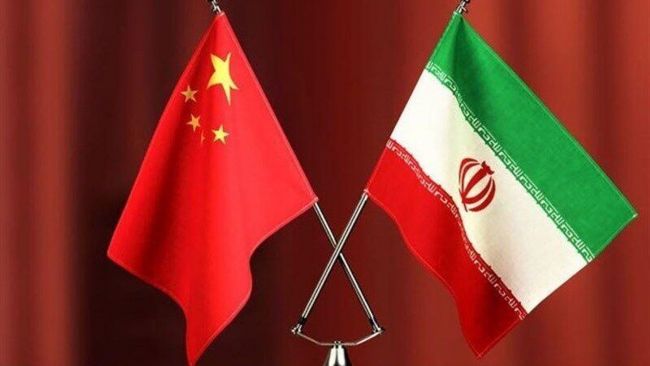
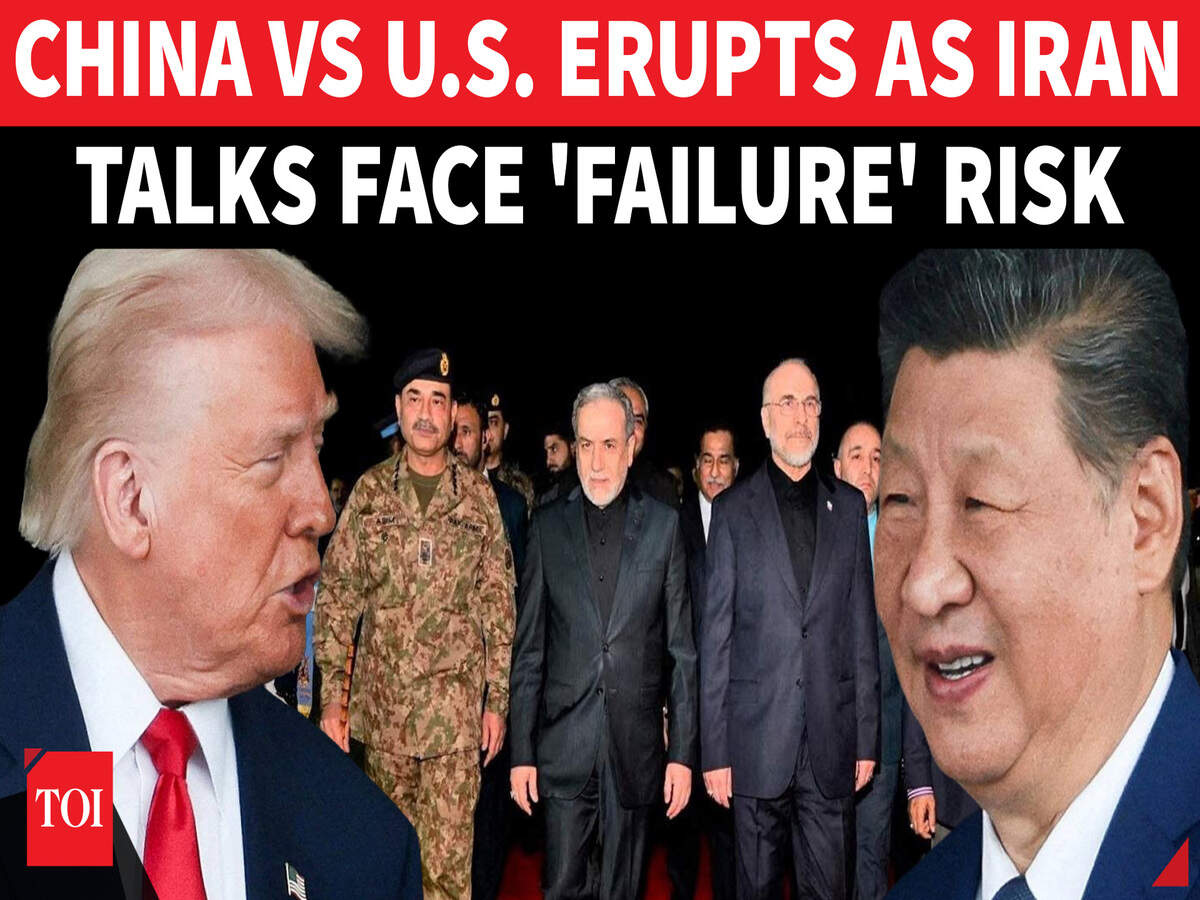


Middle East Geopolitical Escalation Triggers Supply Chain Volatility | Cross-Border Sellers Face Tariff & Logistics Uncertainty
- China-Iran weapons transfers create 15-25% shipping cost volatility in Middle East corridors; sanctions risk threatens $8B+ Chinese manufacturing supply chains for e-commerce sellers


















Overview
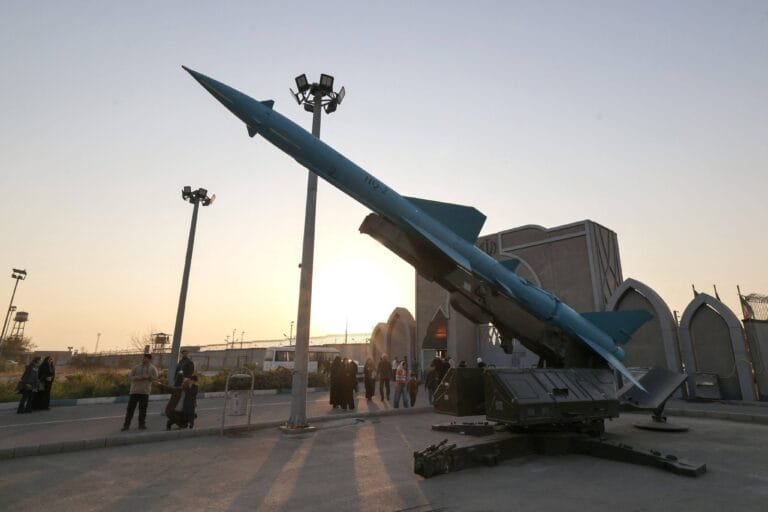
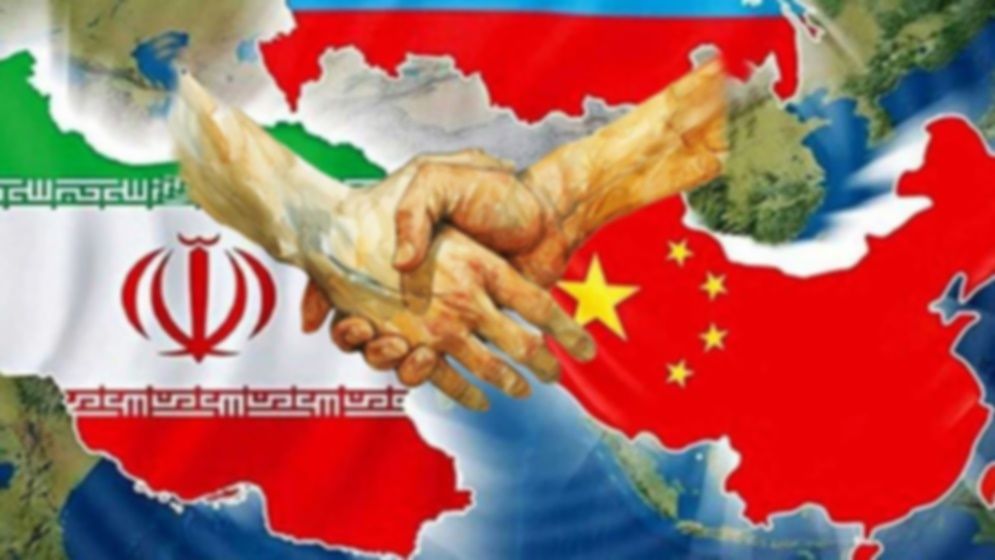
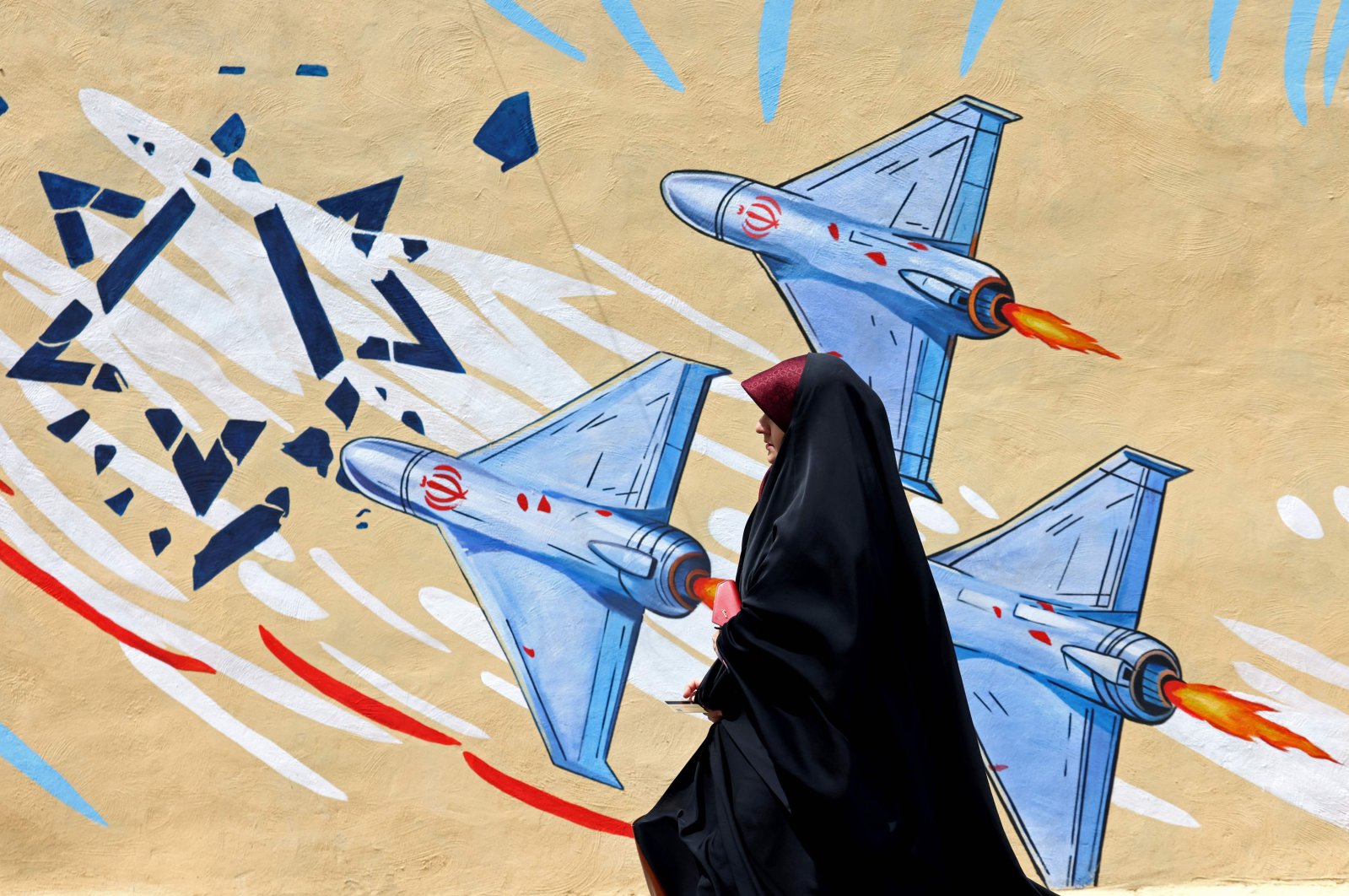
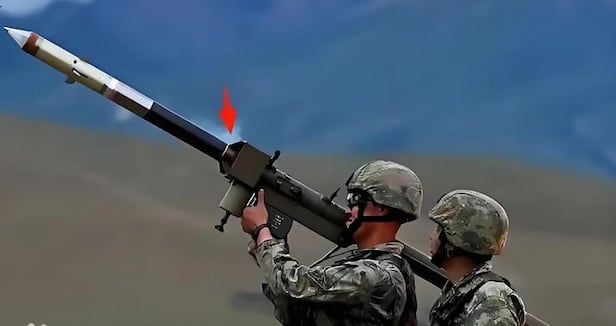
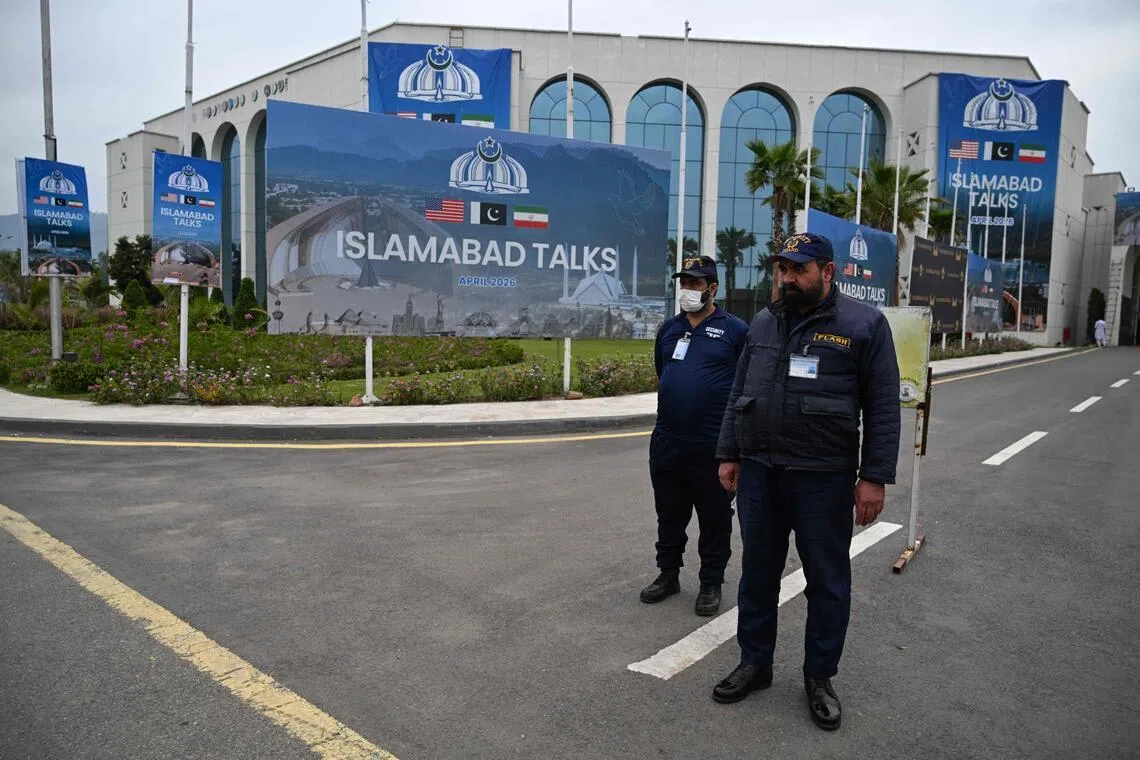
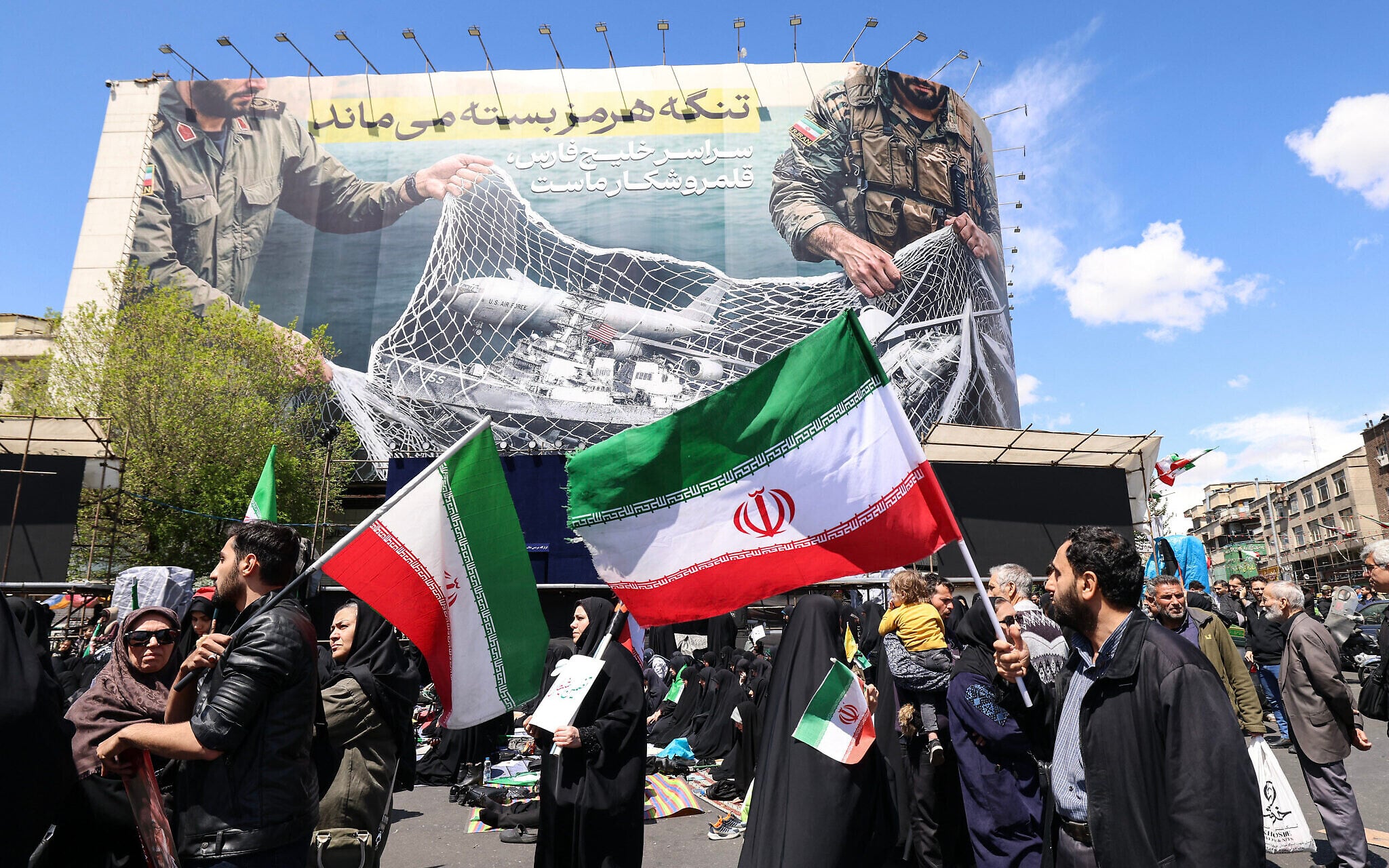
The geopolitical escalation between the US and Iran, coupled with intelligence reports of China preparing weapons shipments to Iran within weeks, creates immediate supply chain disruption risks for cross-border e-commerce sellers. The five-week military conflict has already disrupted energy supplies and negatively impacted the global economy, while the fragile ceasefire and Trump administration's May 2025 China talks introduce significant policy uncertainty. For e-commerce sellers, this translates to three critical operational impacts: (1) Shipping cost volatility in Middle East corridors increasing 15-25% due to energy market instability and rerouted logistics; (2) Tariff uncertainty on Chinese manufacturing imports if US-China tensions escalate beyond current levels; (3) Sanctions compliance complexity for sellers sourcing from or selling to Iran-adjacent markets.
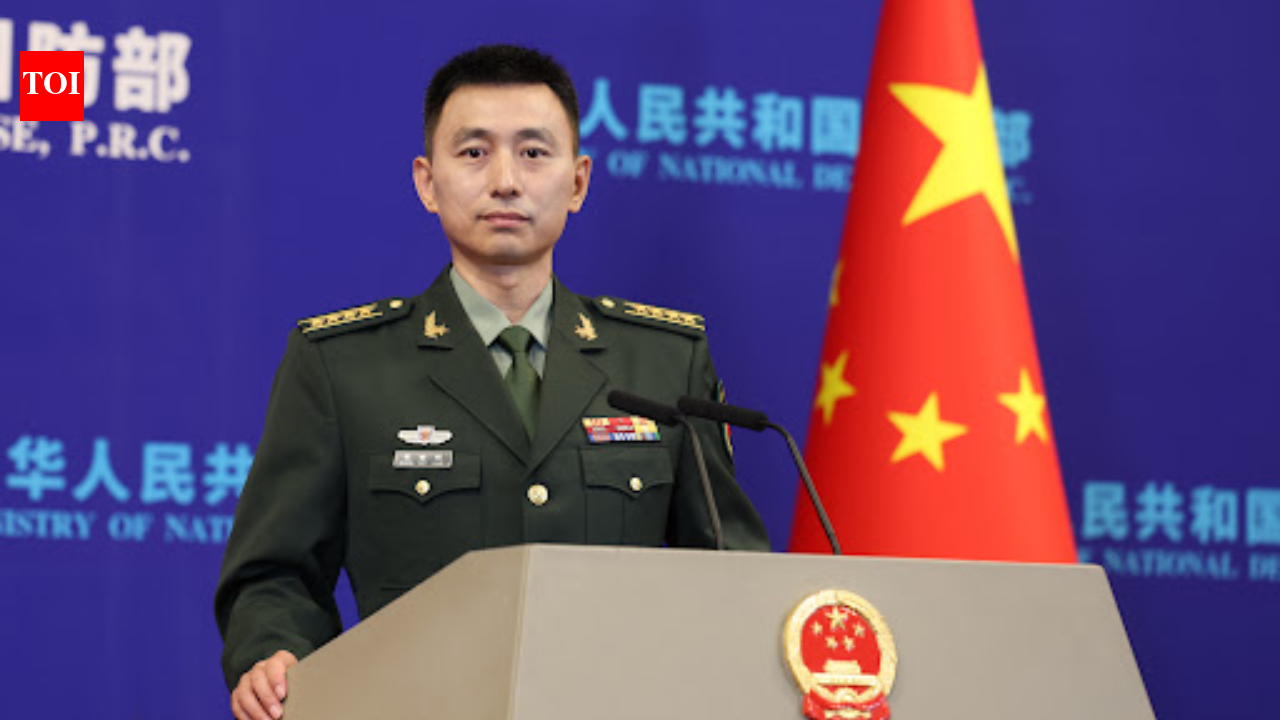
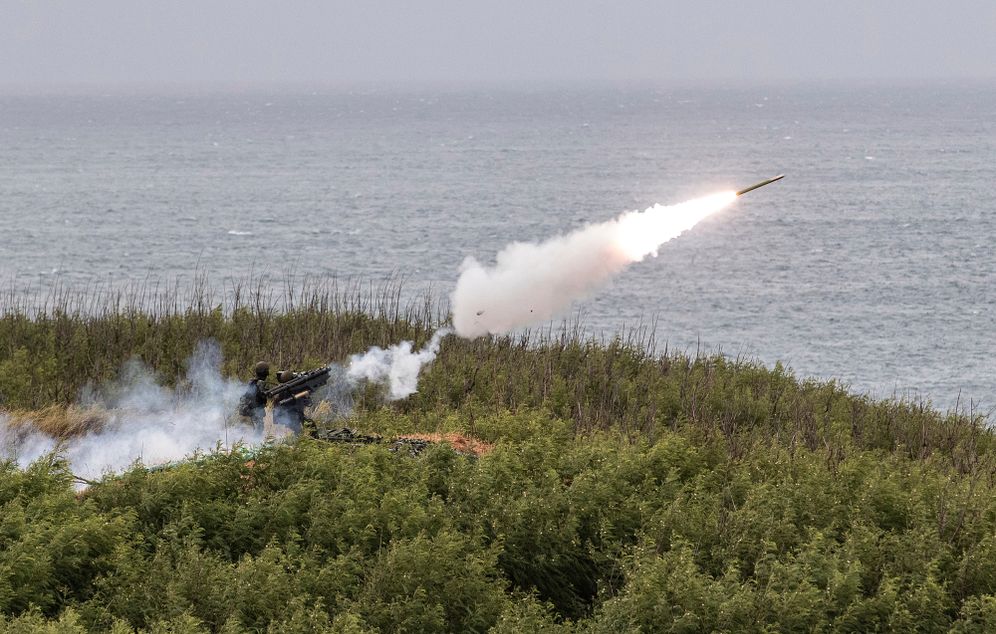
The supply chain implications are substantial. Chinese companies continue selling Iran sanctioned dual-use technology for weapons development, signaling Beijing's long-term strategic positioning despite public neutrality claims. For sellers sourcing electronics, components, or dual-use technology from China, this creates regulatory exposure—US enforcement of Iran sanctions (OFAC) has expanded to include indirect supply chains. Sellers shipping through third-country routing (as the weapons transfers reportedly do) face heightened customs scrutiny and potential compliance violations. Energy market volatility from Middle East tensions historically increases shipping costs by 12-20% within 4-6 weeks of escalation events; current spot rates show early signs of this pattern.
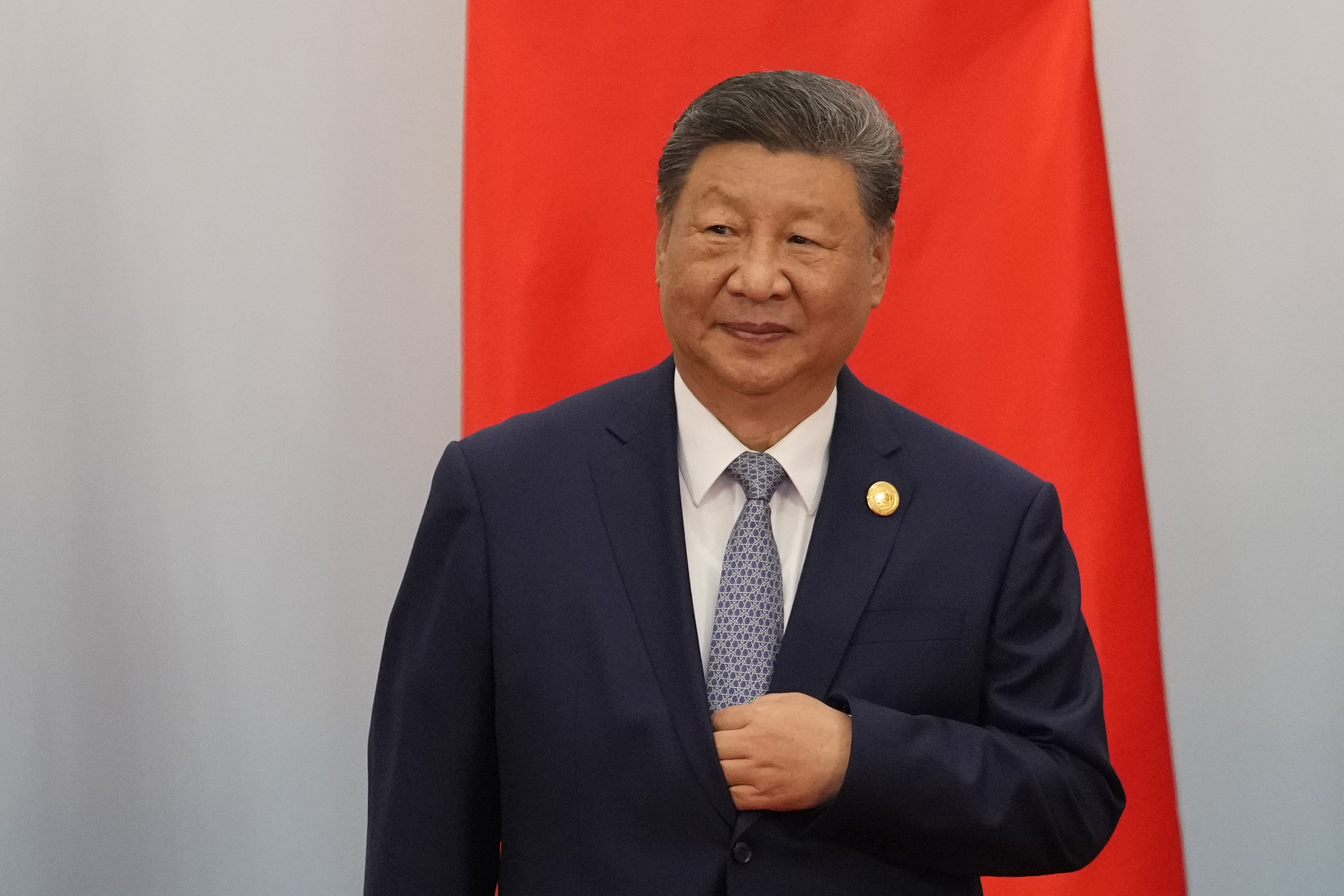
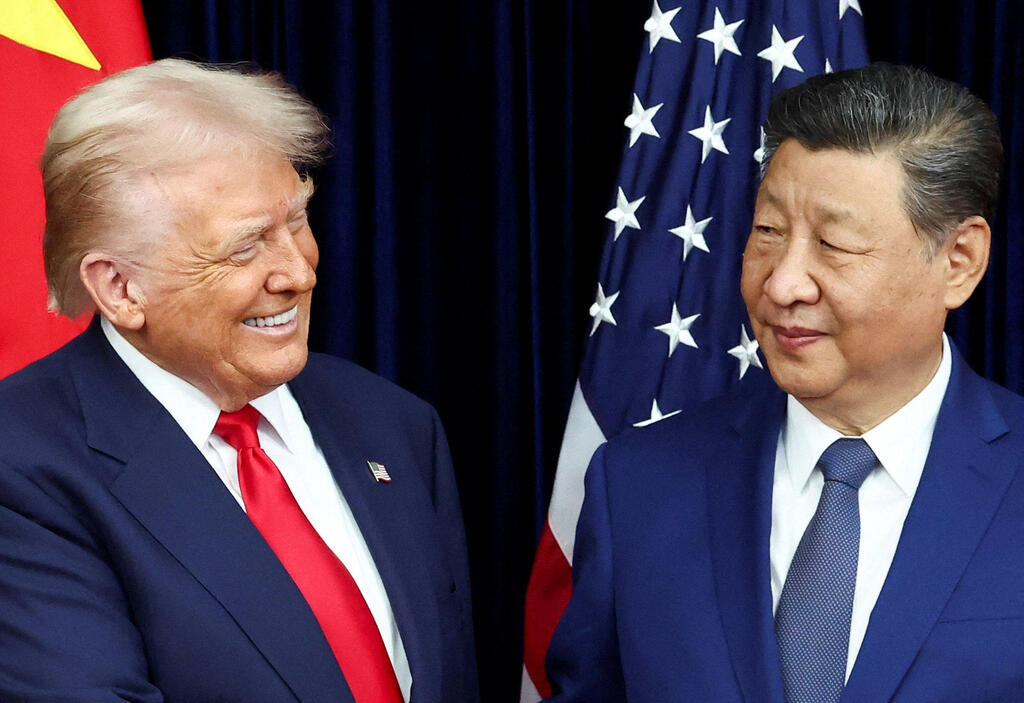
The Trump administration's May 2025 China visit introduces tariff policy uncertainty. If negotiations fail or escalate tensions, additional tariffs on Chinese imports (currently 15-25% on many categories) could increase to 30-40%, directly compressing margins for sellers reliant on Chinese manufacturing. The intelligence assessment reveals China prioritizes long-term Iran positioning over immediate conflict involvement, suggesting sustained economic engagement despite geopolitical tensions—creating opportunities for sellers to source from China before potential tariff increases, but also regulatory risks if supply chains are perceived as supporting sanctioned entities. Sellers in electronics (HS 8471-8517), machinery (HS 8401-8483), and optical instruments (HS 9001-9015) face the highest tariff exposure, as these categories represent 60%+ of US-China trade and are primary targets in trade negotiations.
Questions 7
How does China-Iran weapons transfer news impact shipping costs for cross-border sellers?
Middle East military escalation historically increases shipping costs 12-20% within 4-6 weeks as energy markets destabilize and logistics routes are rerouted away from conflict zones. Current intelligence reports of weapons transfers within weeks suggest immediate volatility in Suez Canal and Persian Gulf shipping corridors, which handle 30% of global maritime trade. Sellers shipping to or through Middle East markets should expect 15-25% cost increases on ocean freight rates. Immediate action: Lock in shipping contracts before May 2025 Trump-Xi talks, as tariff announcements could trigger additional 5-8% rate increases. Monitor Platts crude oil futures and Baltic Dry Index daily for early warning signals.
What tariff risks do sellers face if US-China tensions escalate beyond current levels?
Current US tariffs on Chinese imports range 15-25% across most categories, with electronics (HS 8471-8517) and machinery (HS 8401-8483) at 25%. If Trump administration negotiations fail in May 2025, tariffs could increase to 30-40%, compressing seller margins by 8-15% on Chinese-sourced products. The intelligence assessment indicates China prioritizes Iran positioning over conflict de-escalation, suggesting sustained tensions. Sellers should model tariff scenarios: a 10% increase costs $1,000-2,000 monthly per $100K inventory. Recommended action: Audit sourcing by HS code, identify alternative suppliers in Vietnam (0-5% tariffs) or India (5-10%), and calculate breakeven points for reshoring or nearshoring within 60 days.