



Xenophobic Rhetoric Reshapes Political Landscape and Global Business Dynamics
- Escalating inflammatory discourse creates unprecedented challenges for international entrepreneurs and cross-border collaboration






Overview
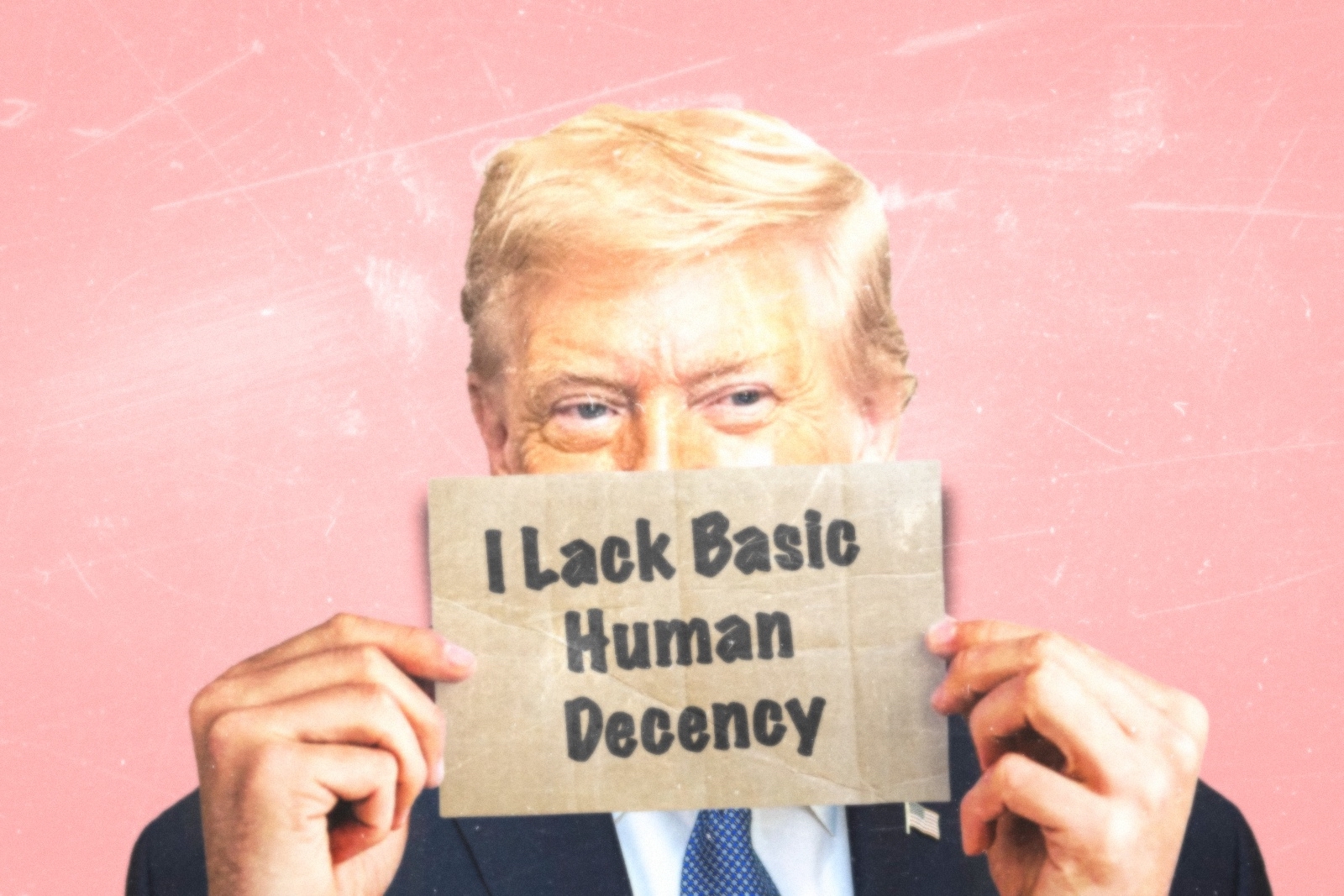
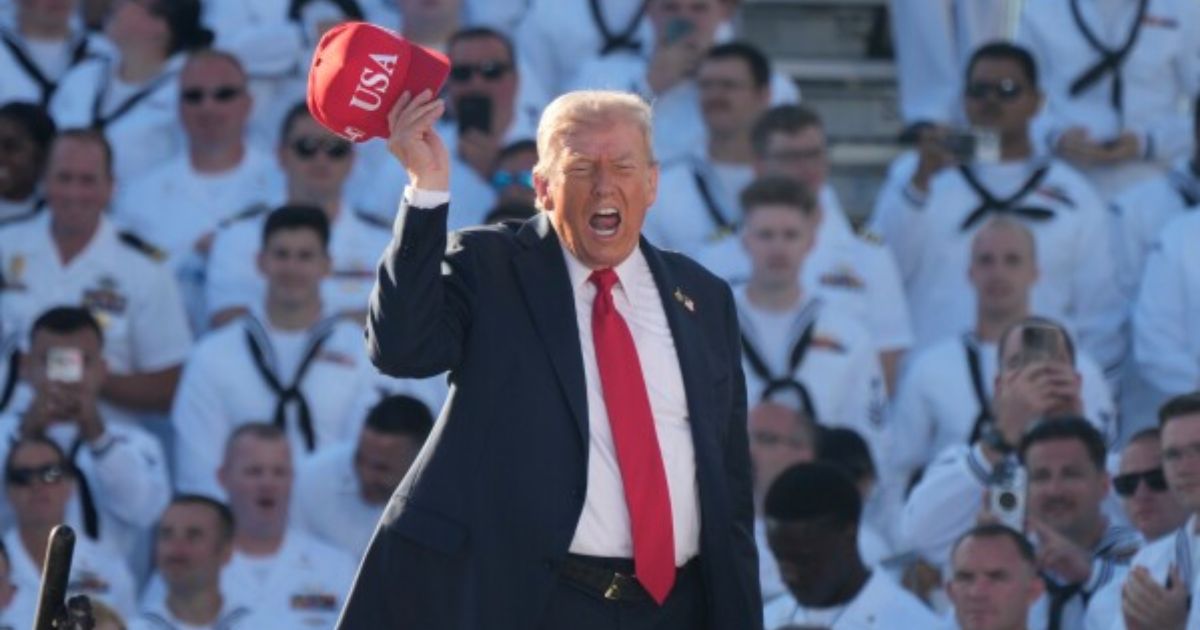
The normalization of xenophobic political discourse represents a critical inflection point with profound implications for global business ecosystems. Trump's recent statements, explicitly targeting countries like Somalia and Haiti while praising predominantly white nations, signal a dangerous escalation that transcends typical political rhetoric and directly impacts international market dynamics.
Geopolitical Polarization and Market Perception emerges as a key strategic concern. The rhetoric goes beyond mere political posturing, creating tangible barriers for cross-border entrepreneurs. By characterizing certain nations as "filthy, dirty, disgusting" and encouraging chants to "send her back", Trump is effectively constructing diplomatic and economic obstacles that will disproportionately impact immigrant-led businesses and international collaboration networks.
The Republican Party's Evolving Response is particularly noteworthy. Unlike previous electoral cycles where senators like Lindsey Graham and Tim Scott expressed disappointment with inflammatory language, the current political environment shows increasing tolerance. Figures like JD Vance are now actively supporting such rhetoric, suggesting a fundamental shift in political discourse that could have long-term repercussions for diverse business ecosystems.
Strategic Implications for Global Entrepreneurs are significant and multifaceted. The normalization of xenophobic language creates a chilling effect on international business, particularly for cross-border e-commerce involving immigrants or businesses from targeted countries. Entrepreneurs must now develop more nuanced strategies for navigating increasingly complex geopolitical environments, potentially requiring:
- Enhanced legal and compliance frameworks
- More robust cultural adaptation strategies
- Proactive reputation management approaches
The emerging landscape demands unprecedented resilience and strategic agility from international business leaders. Companies and individual entrepreneurs must recognize that geopolitical rhetoric is no longer a peripheral concern but a core strategic consideration that can fundamentally reshape market access and collaboration opportunities.
Questions 3
How might xenophobic rhetoric impact cross-border business opportunities?
The inflammatory language creates significant barriers by potentially discouraging international collaboration, reducing market access for immigrant-led businesses, and increasing compliance complexities. Entrepreneurs may face heightened scrutiny, reduced trust, and more challenging diplomatic environments.
Are there long-term economic consequences of normalizing xenophobic discourse?
Yes, the normalization can lead to reduced international talent mobility, decreased foreign direct investment, and fragmentation of global business ecosystems. It potentially creates economic inefficiencies by limiting knowledge exchange and collaborative innovation across borders.