
Strait of Hormuz Mine Crisis Drives 15-25% Shipping Cost Surge for Asia-Europe E-Commerce Sellers
- U.S.-Iran conflict creates 2-month supply chain delays; sellers face $500-2,000 per container premium; mine clearance operations begin April 2026




























)











Overview
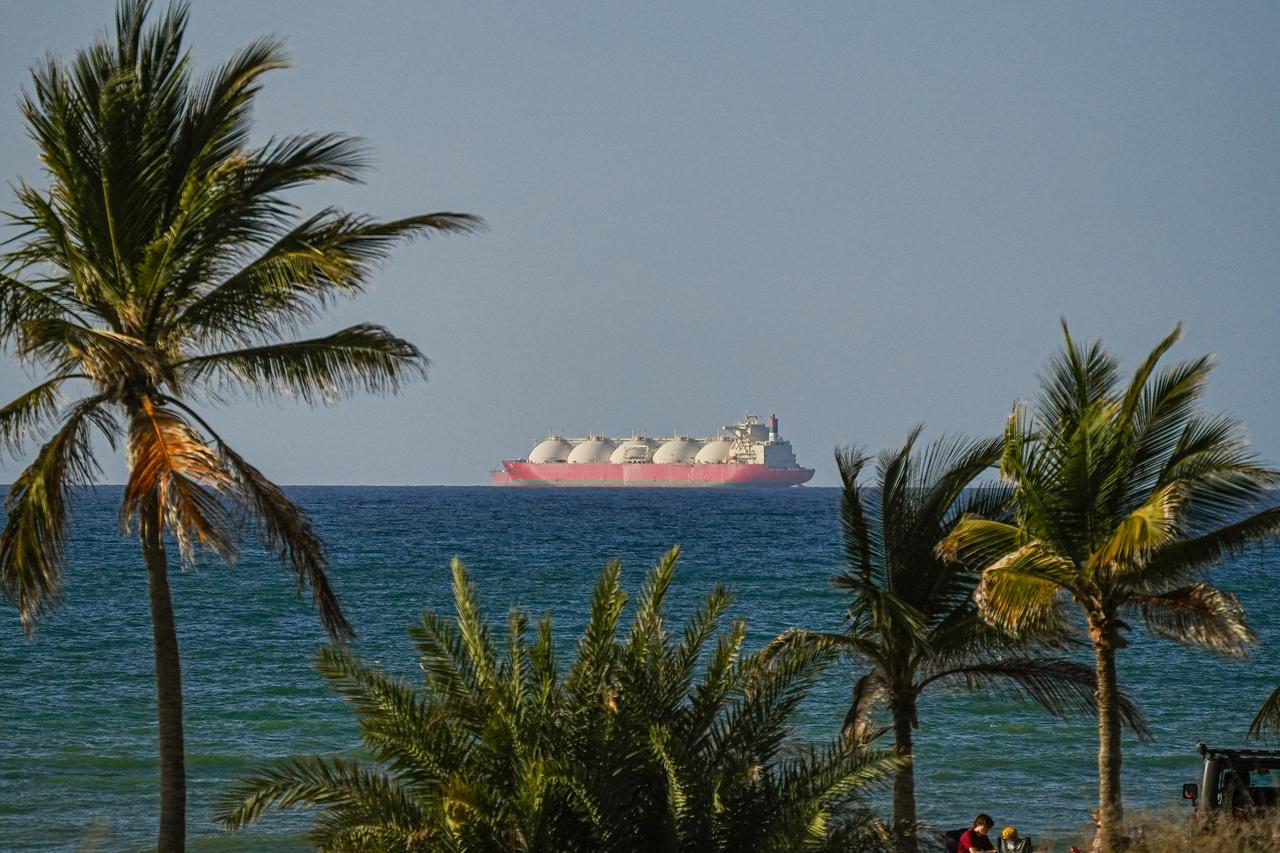
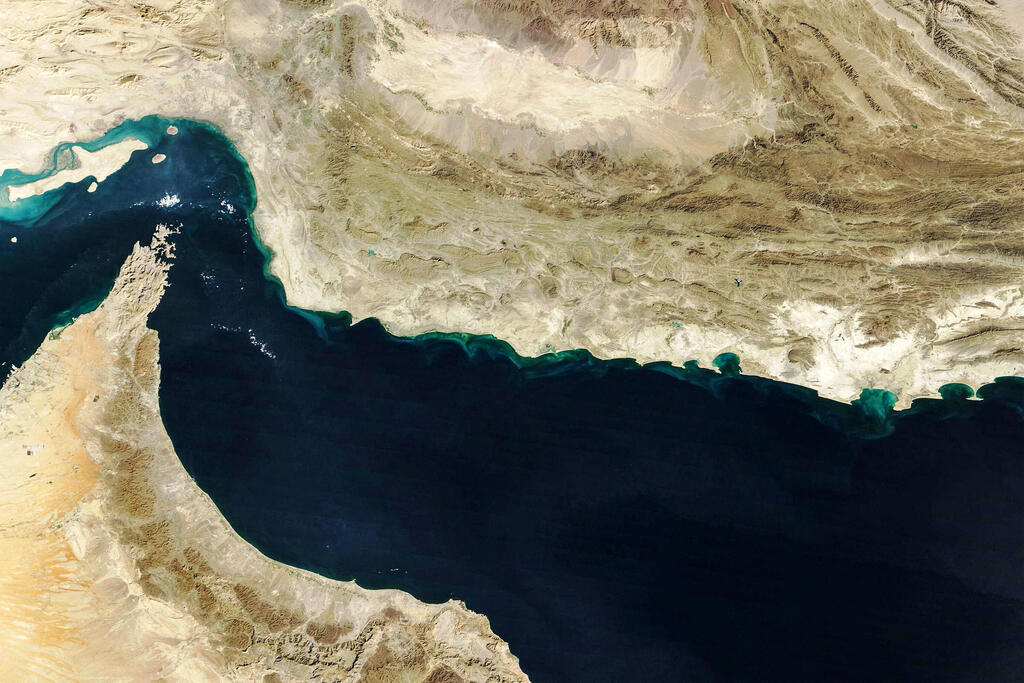
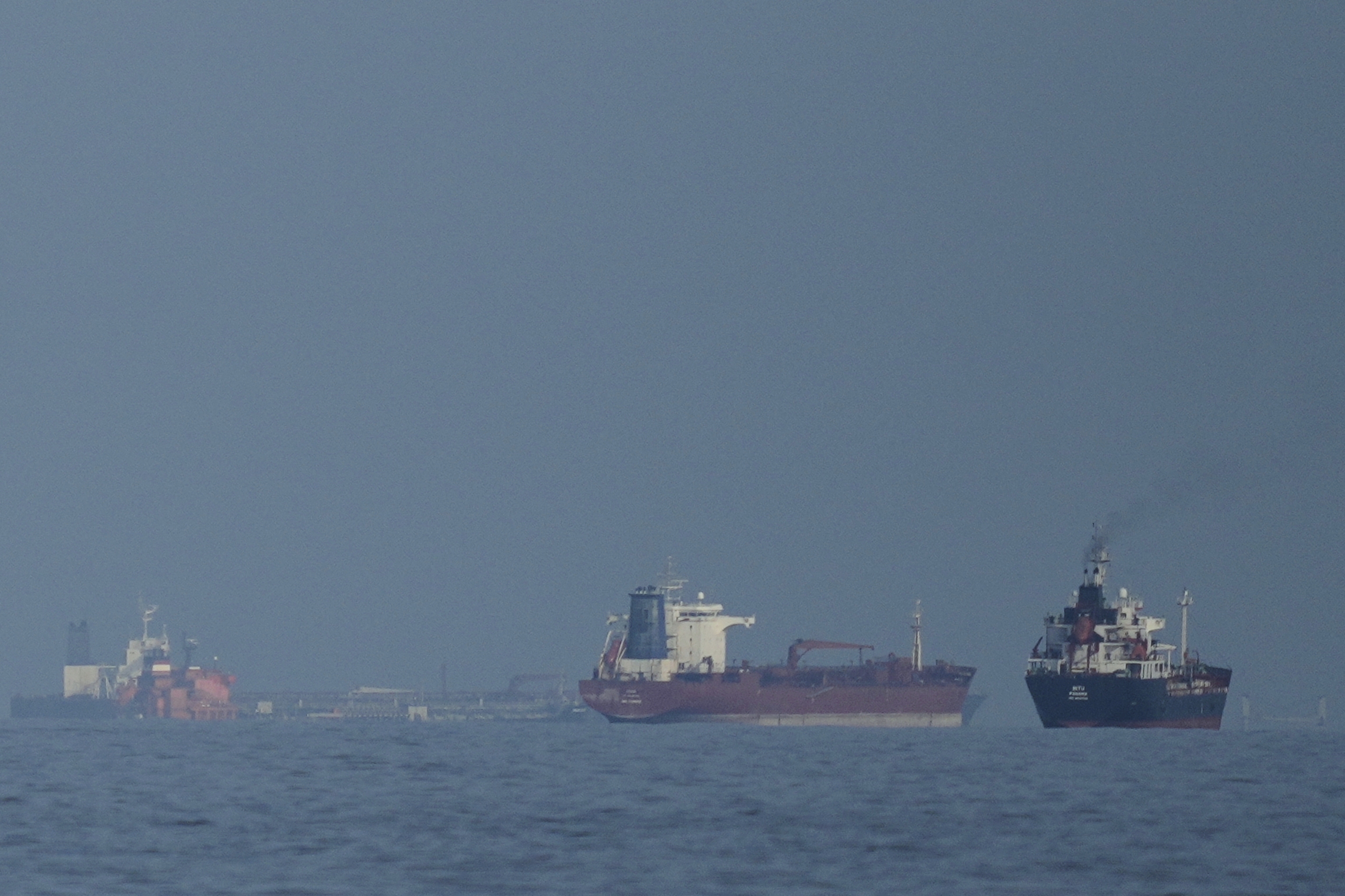
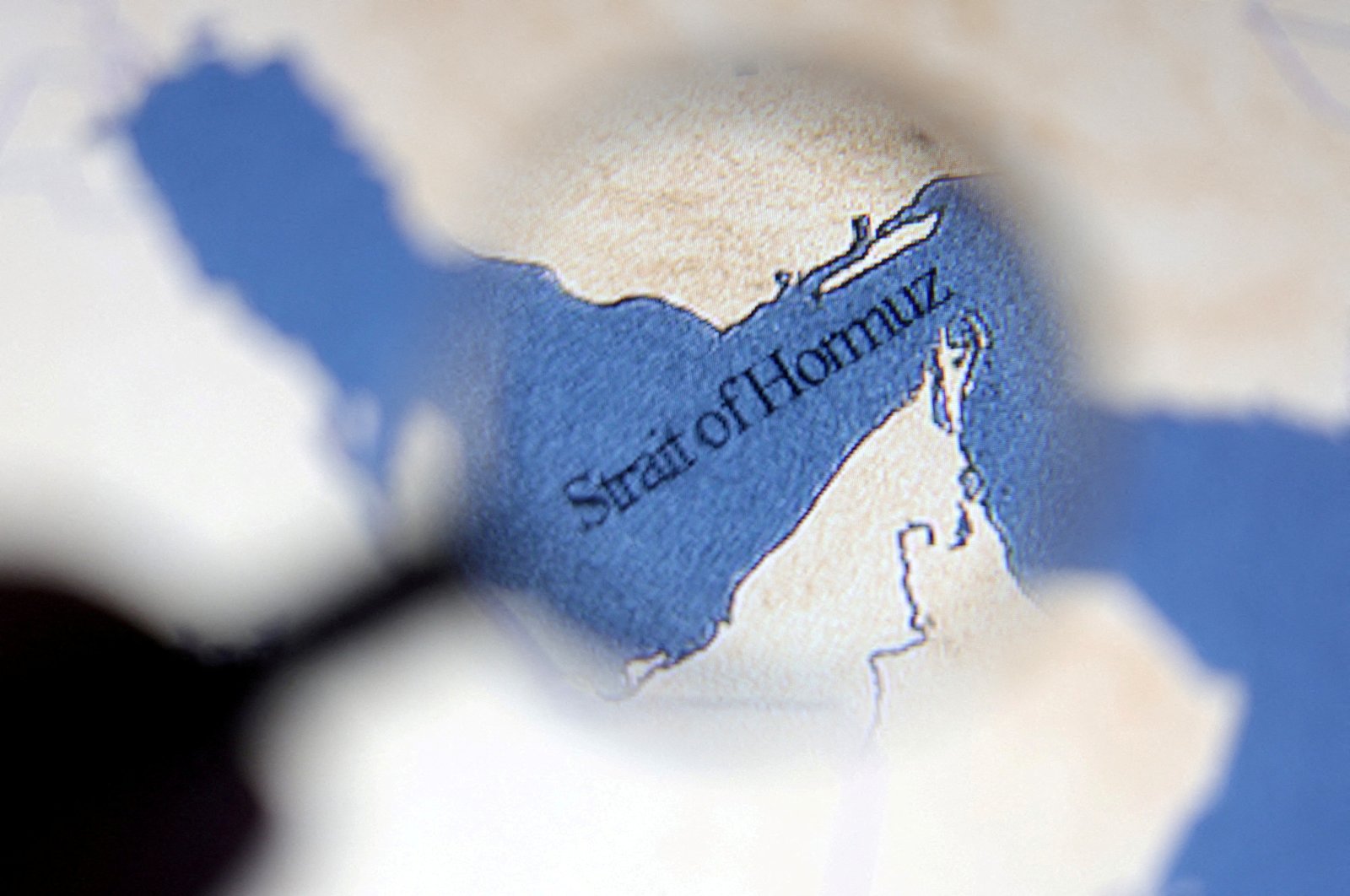
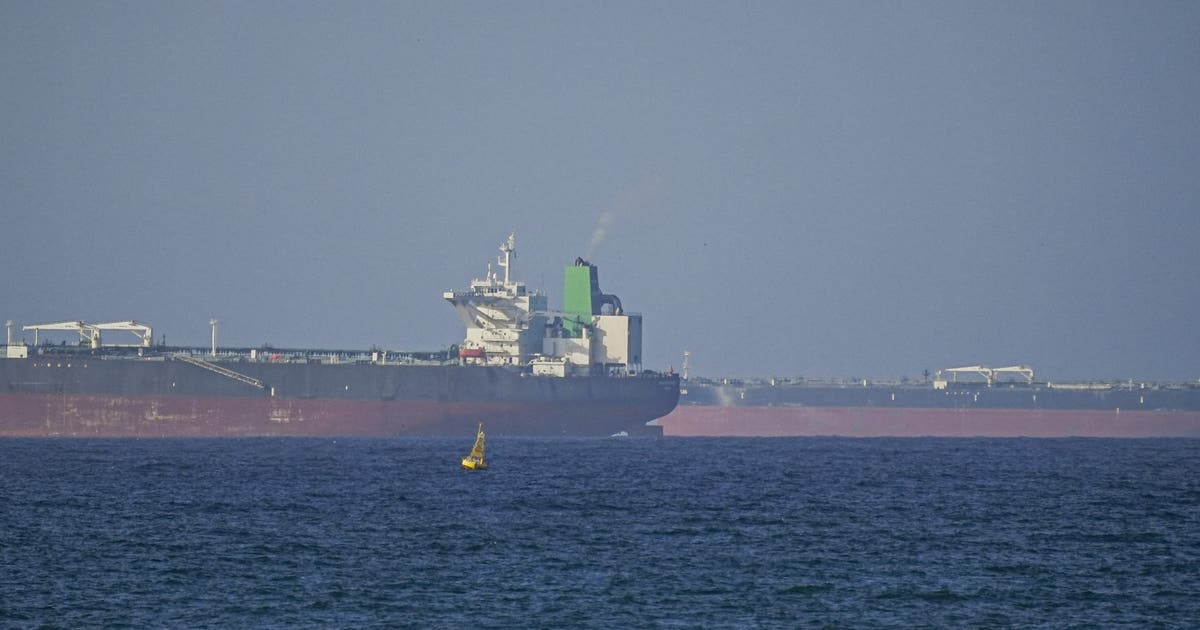
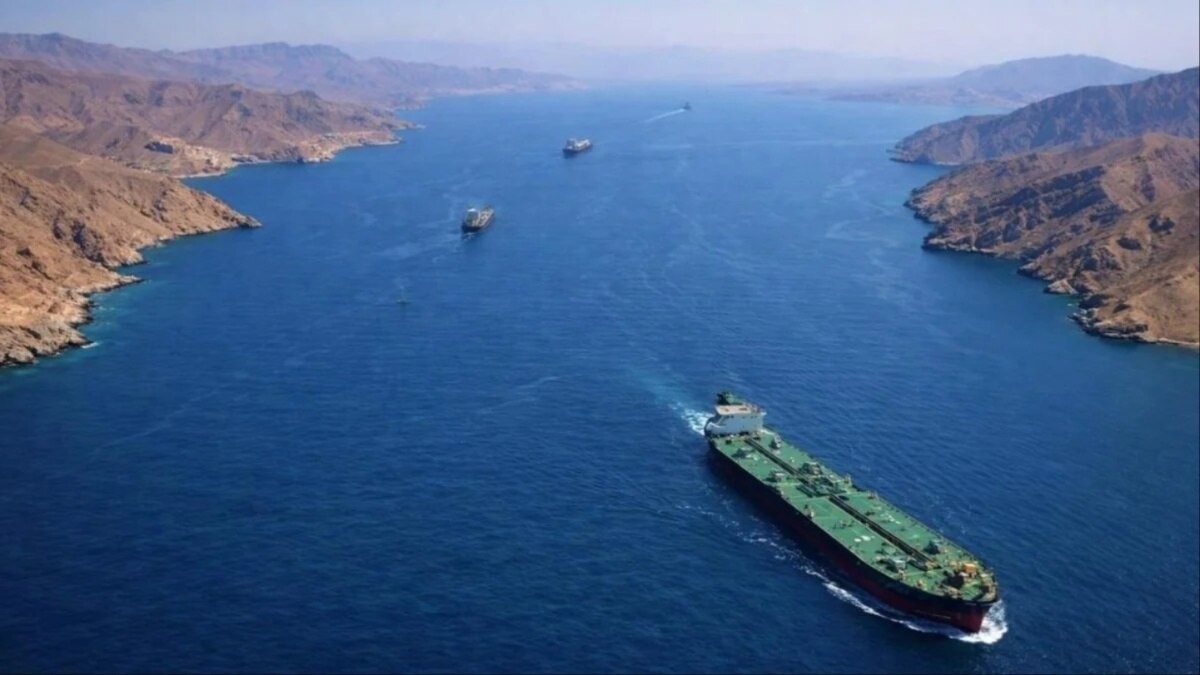
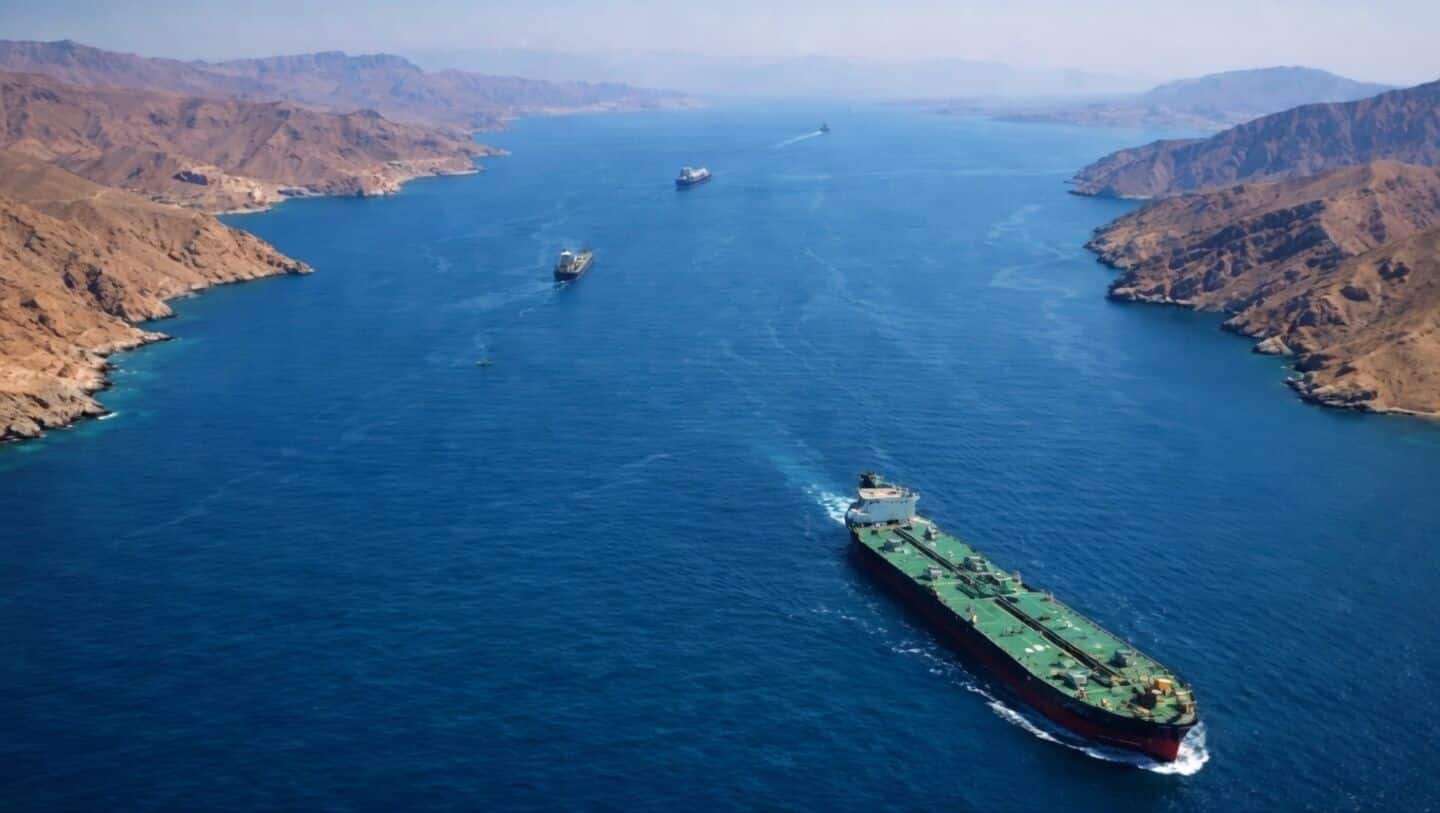
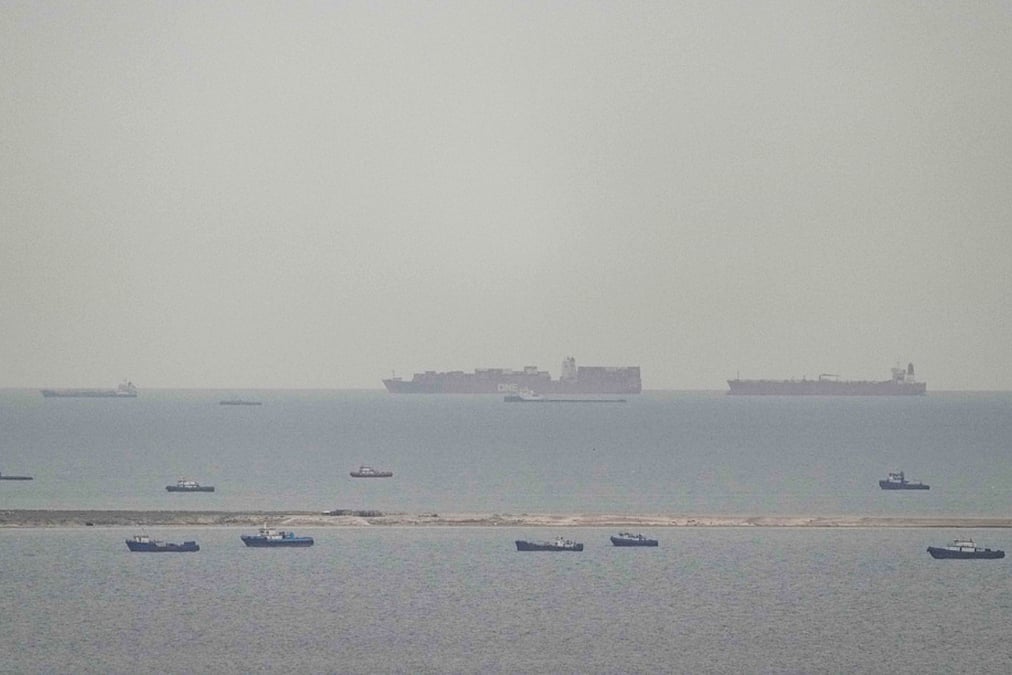
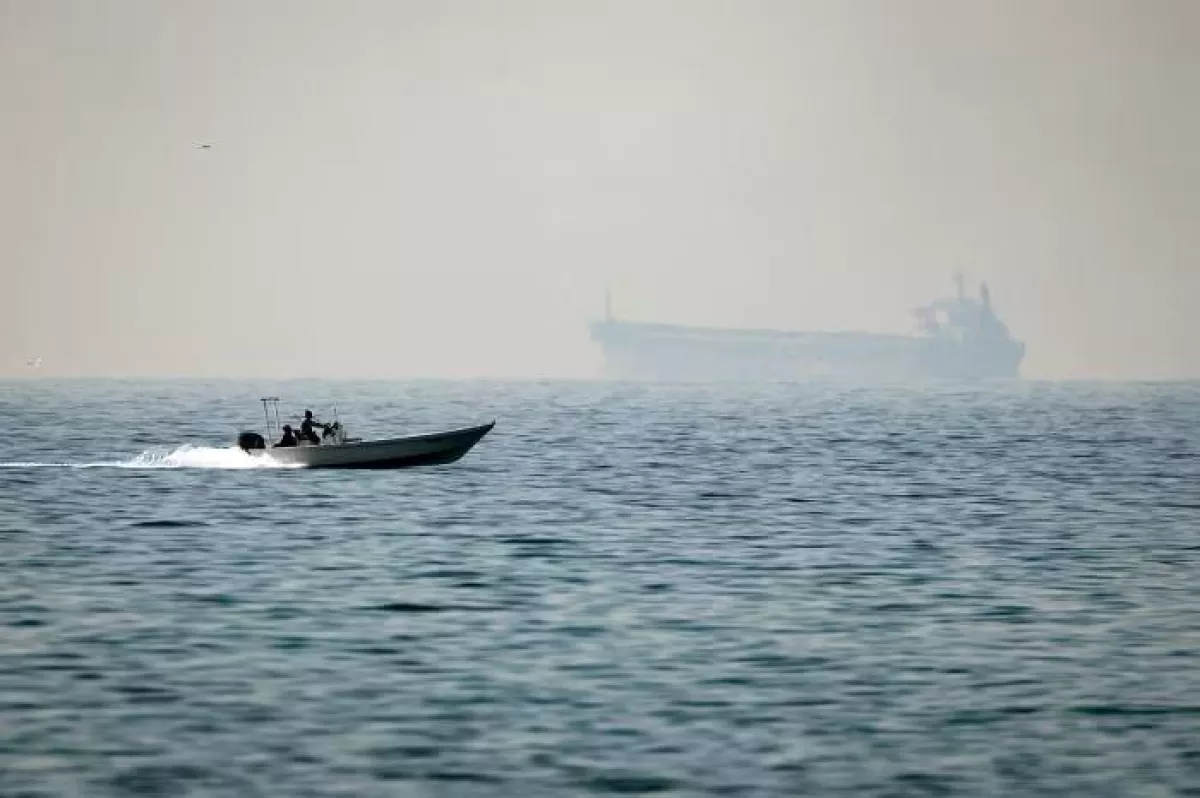
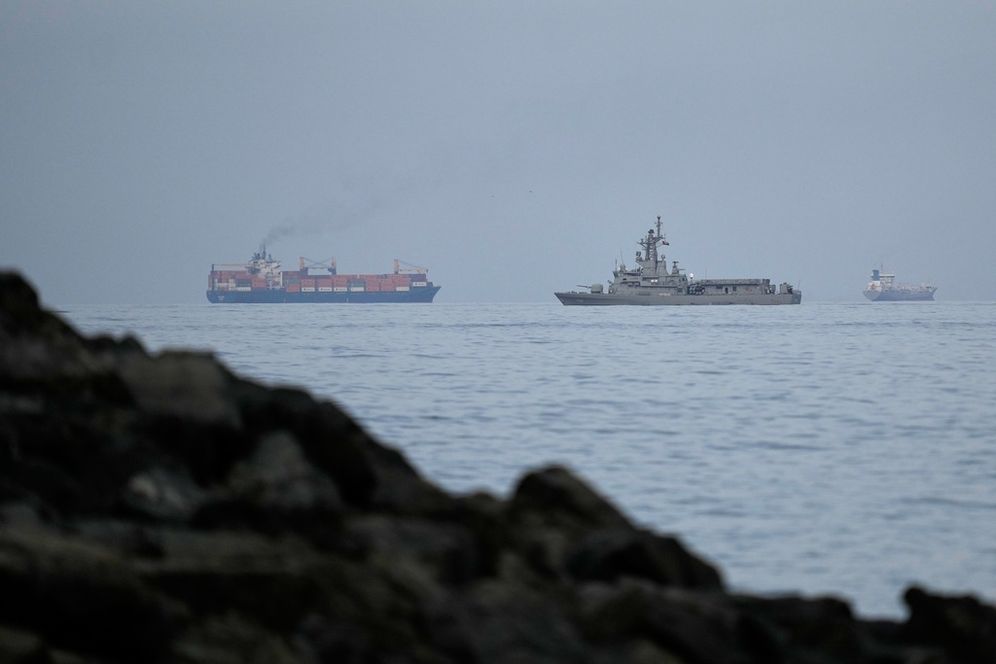
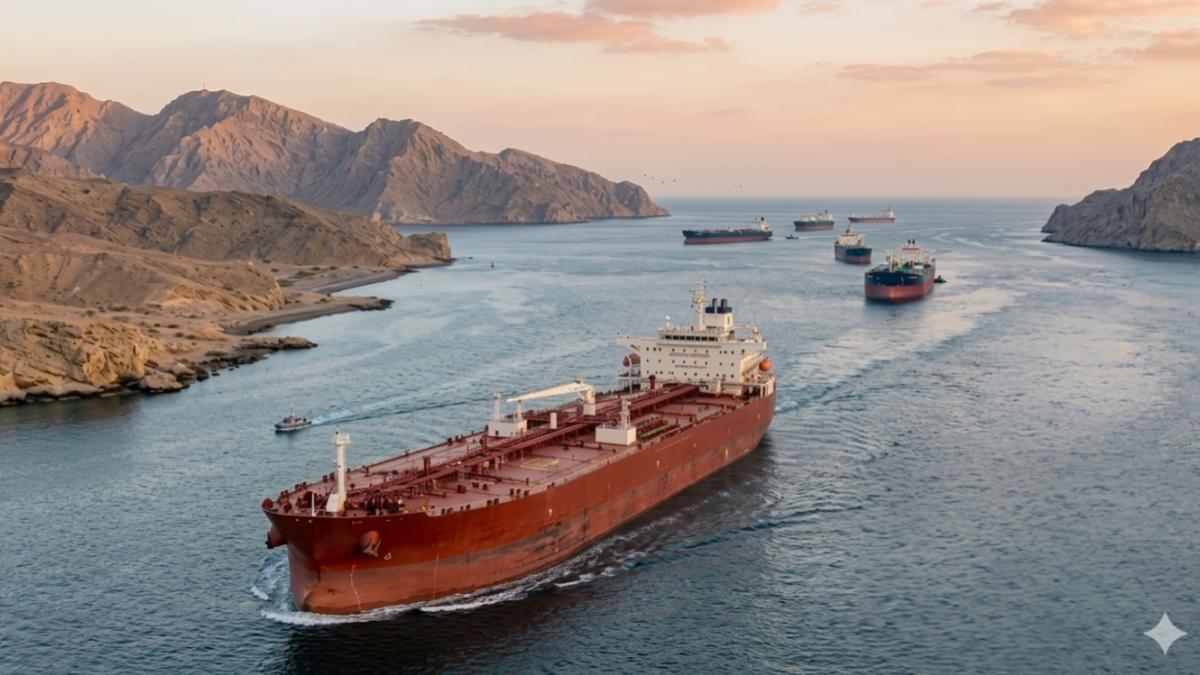
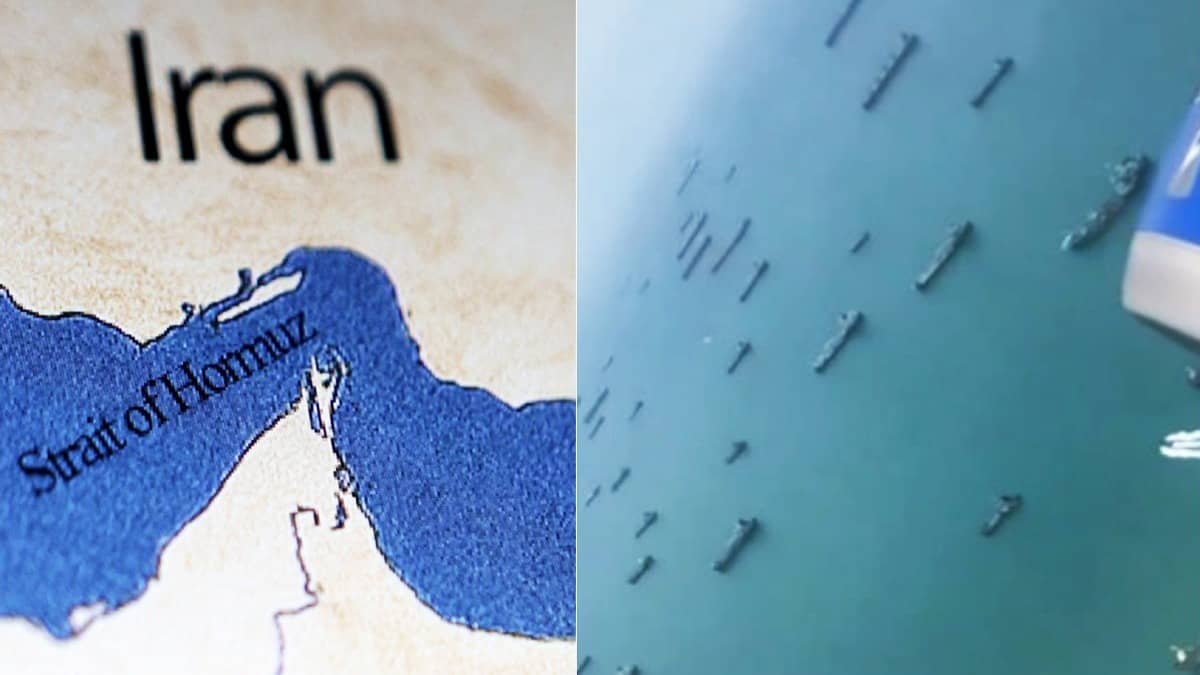
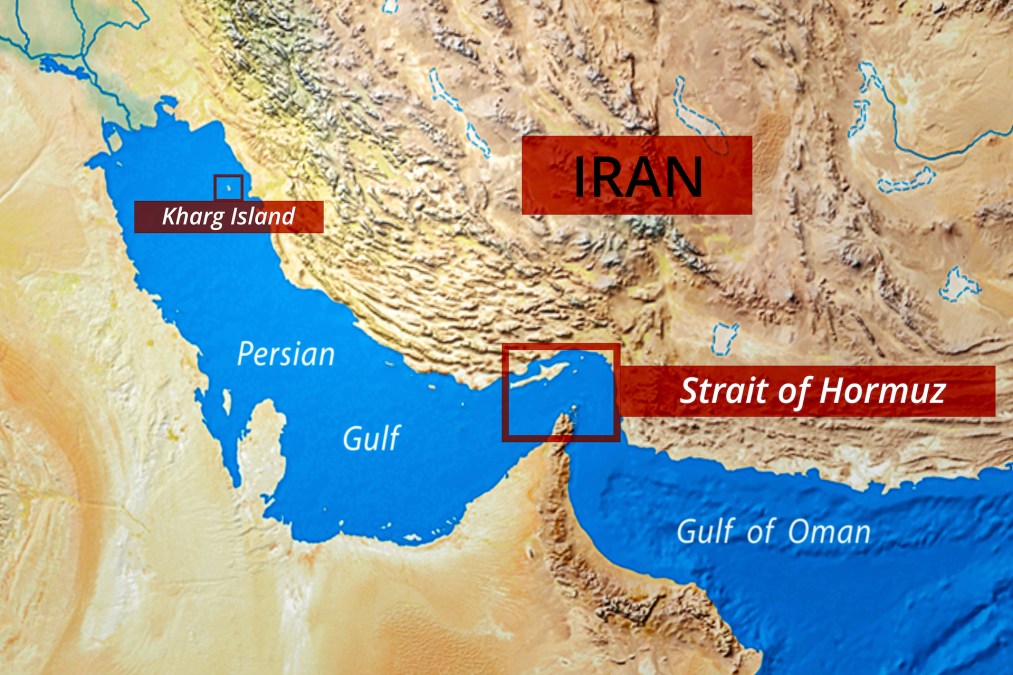
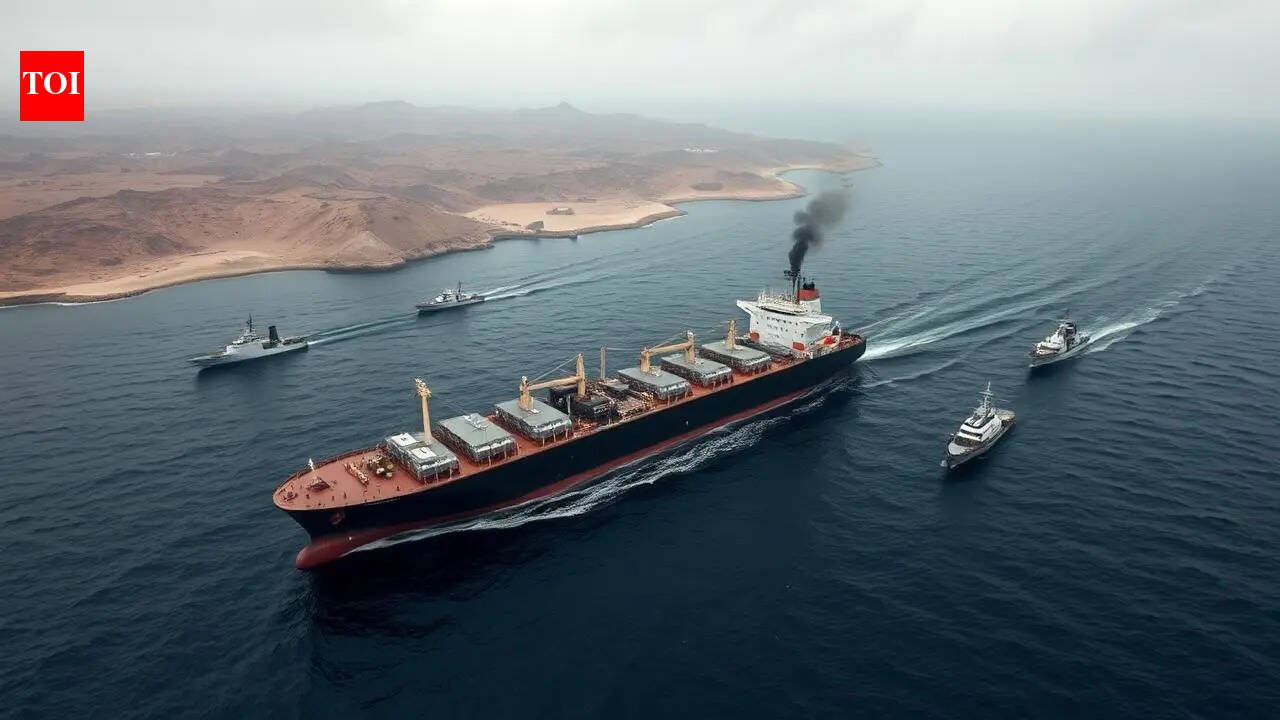
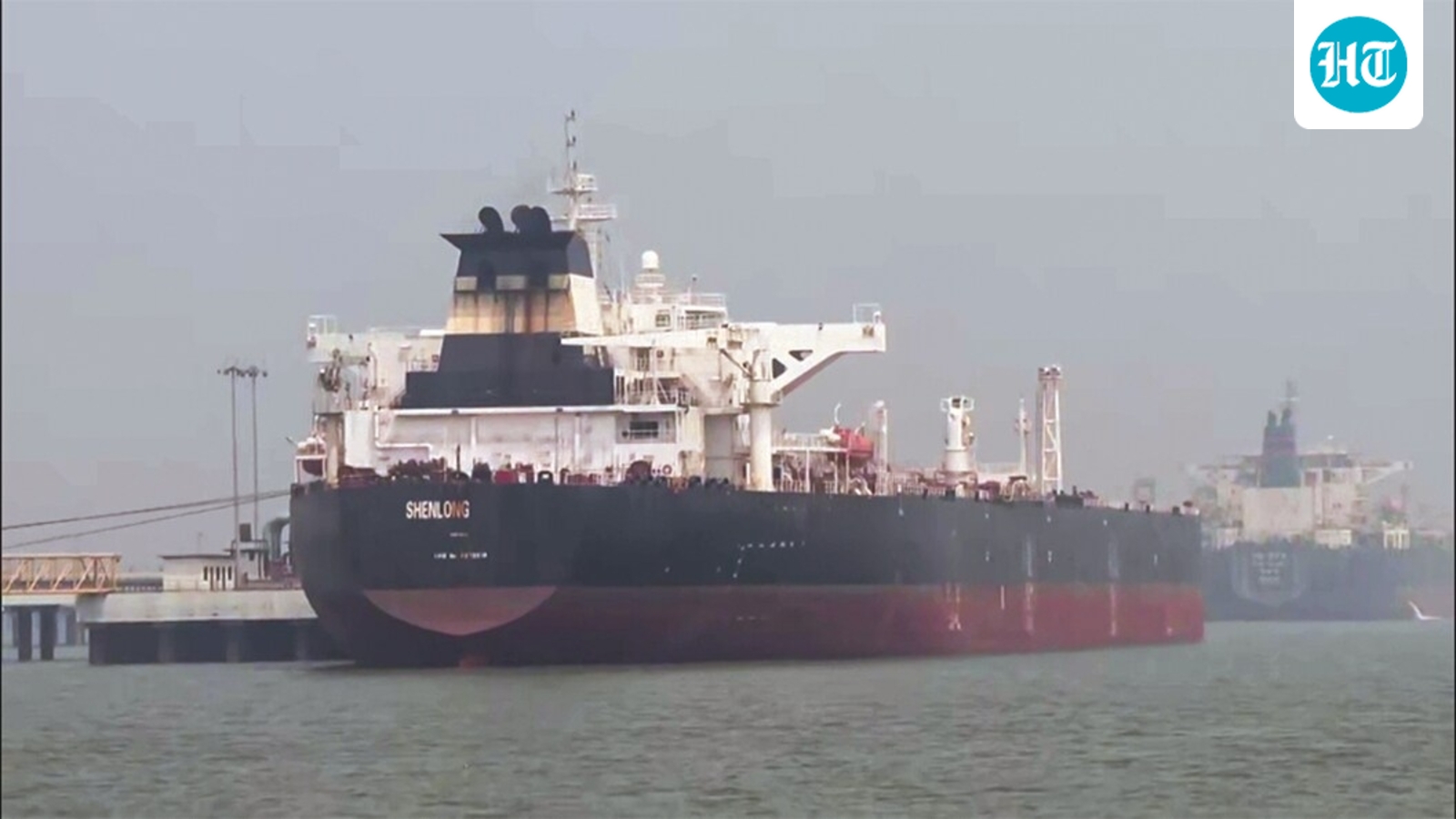
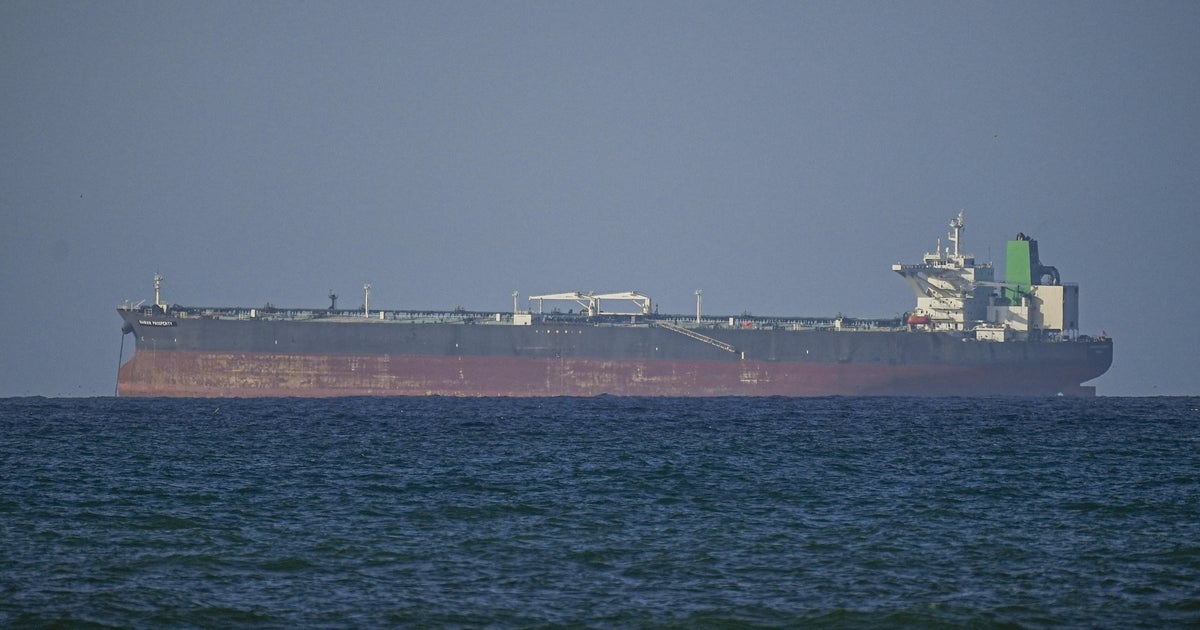
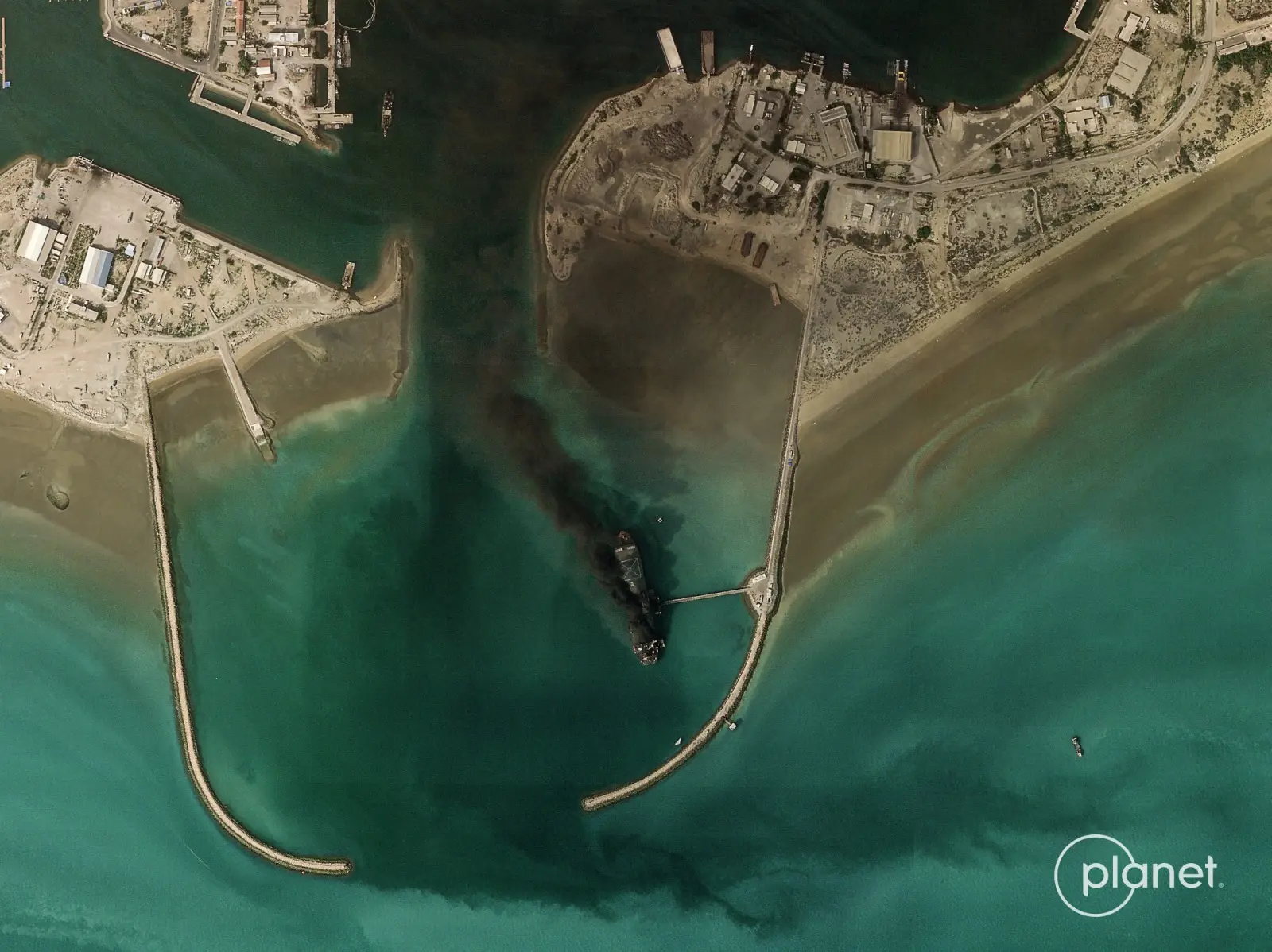
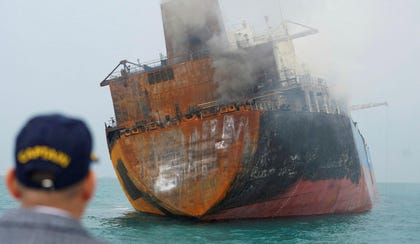
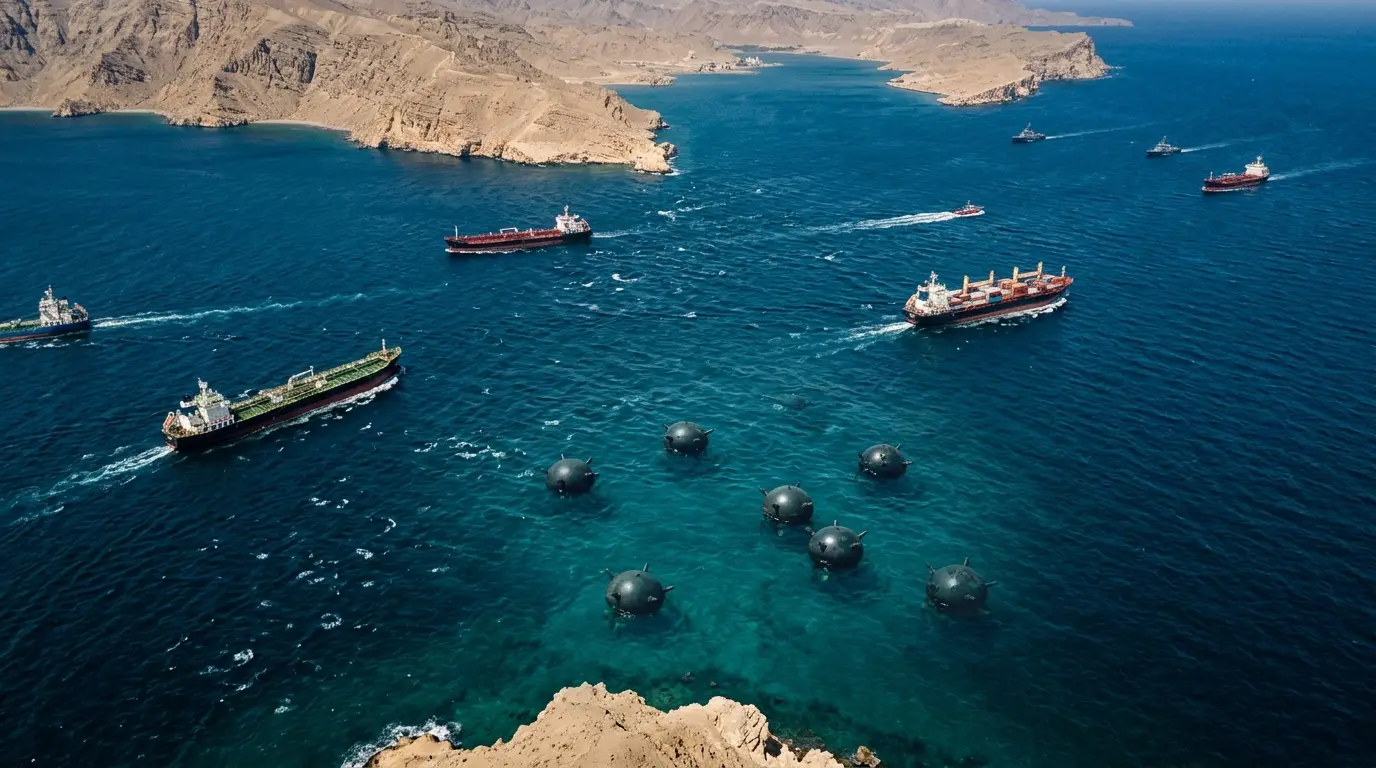
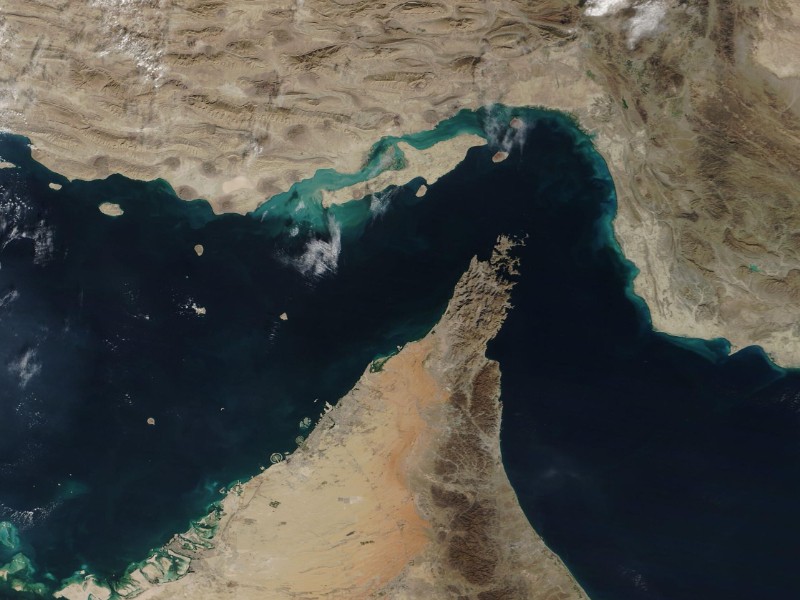
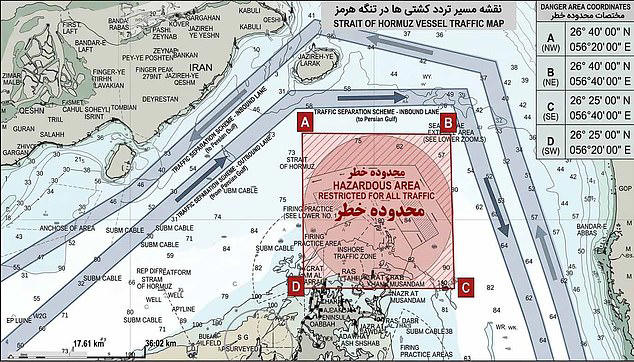
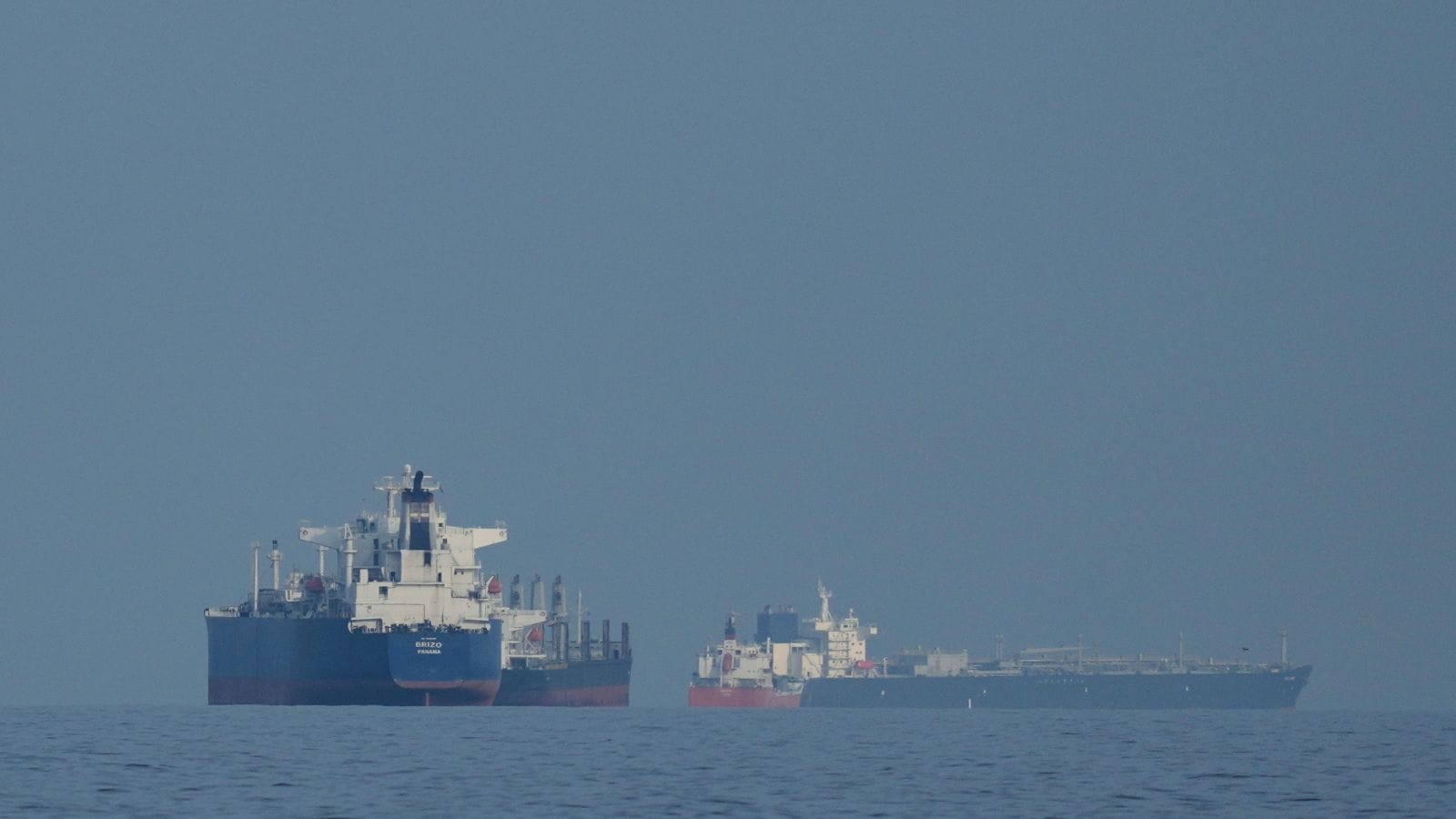
The Strait of Hormuz mine crisis represents a critical supply chain disruption for cross-border e-commerce sellers, with direct implications for shipping costs, delivery timelines, and inventory management. Following Iran's deployment of naval mines in March 2026 during U.S.-Israel military operations, the waterway—which handles approximately one-third of global maritime petroleum trade and 20% of global oil supply—has been effectively closed to commercial shipping. As of early April 2026, transits through the strait remain critically depressed at less than 10% of typical daily flow, with approximately 500-700 large vessels (over 10,000 deadweight tons) stranded in the Persian Gulf. Between March 30-April 5, only 76 transits occurred compared to normal daily volumes, representing a 95% reduction in shipping capacity.
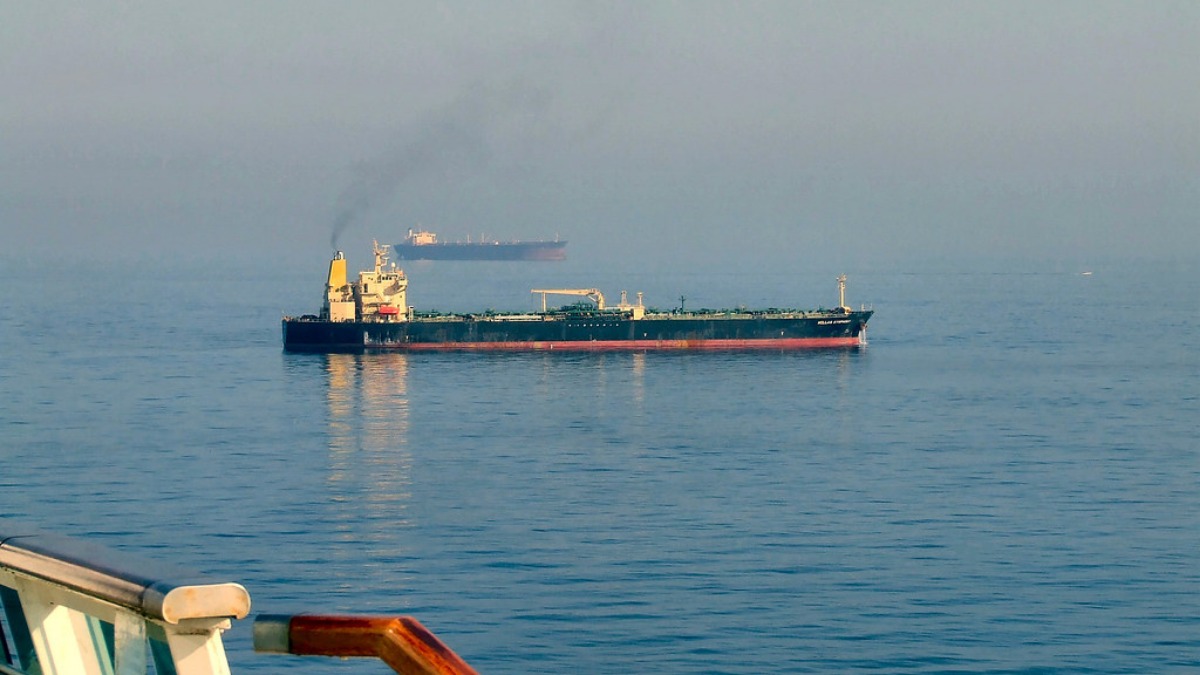
For cross-border e-commerce sellers, this disruption translates into immediate and sustained cost increases. Sellers shipping goods from Asia (China, Vietnam, India) to Europe, Middle East, and North Africa markets face two critical challenges: (1) Forced rerouting around Africa via the Cape of Good Hope, adding 10-14 days to transit times and increasing fuel costs by 15-25%; (2) Shipping insurance premiums have surged due to mine threat assessments, with underwriters noting mines represent the primary vessel risk even under the two-week ceasefire established on April 11, 2026. Container freight rates on Asia-Europe routes have increased $500-2,000 per TEU (twenty-foot equivalent unit), with smaller sellers experiencing proportionally higher per-unit costs due to less negotiating power with freight forwarders.
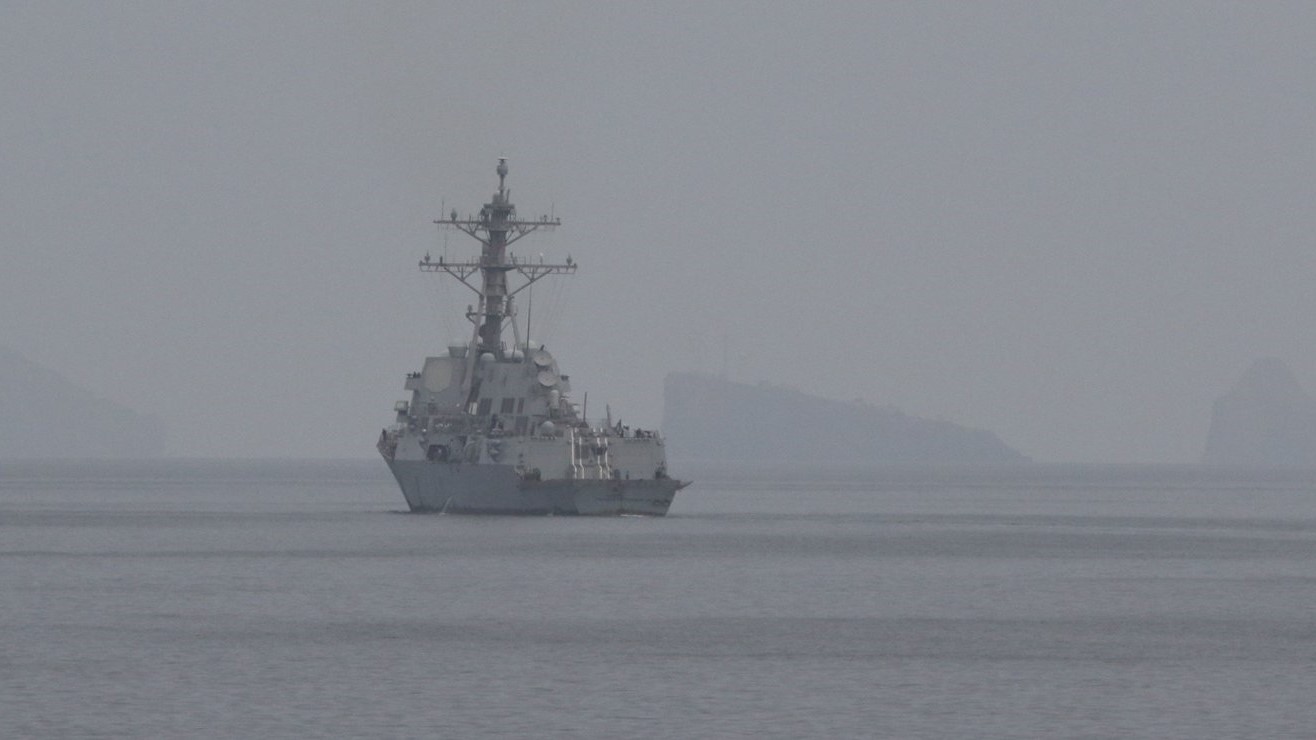
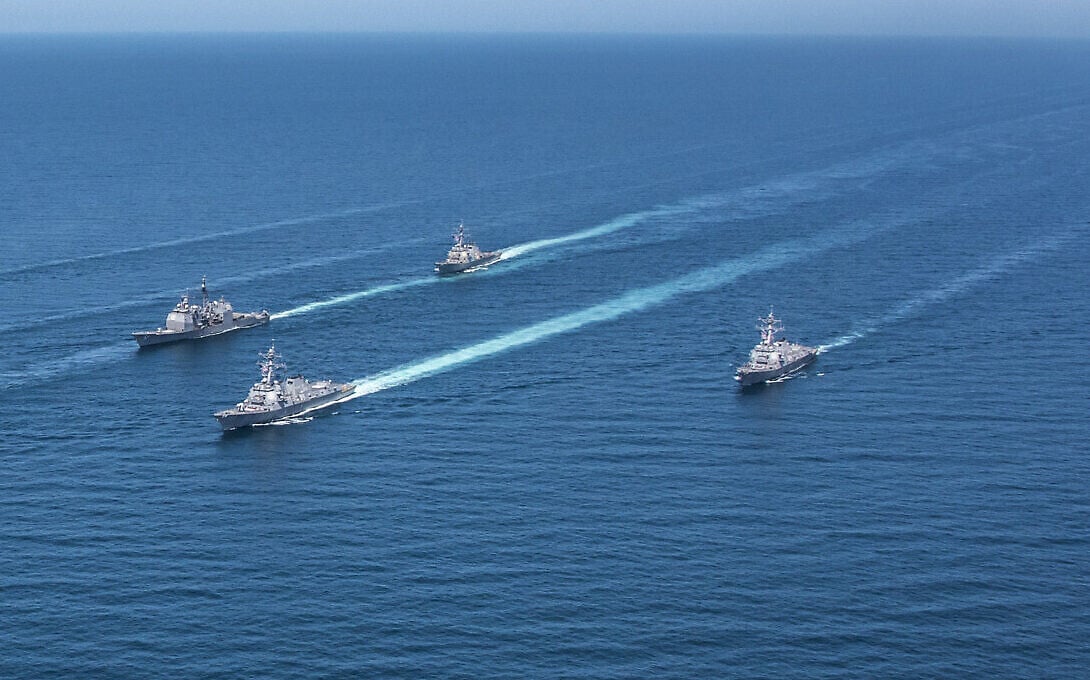
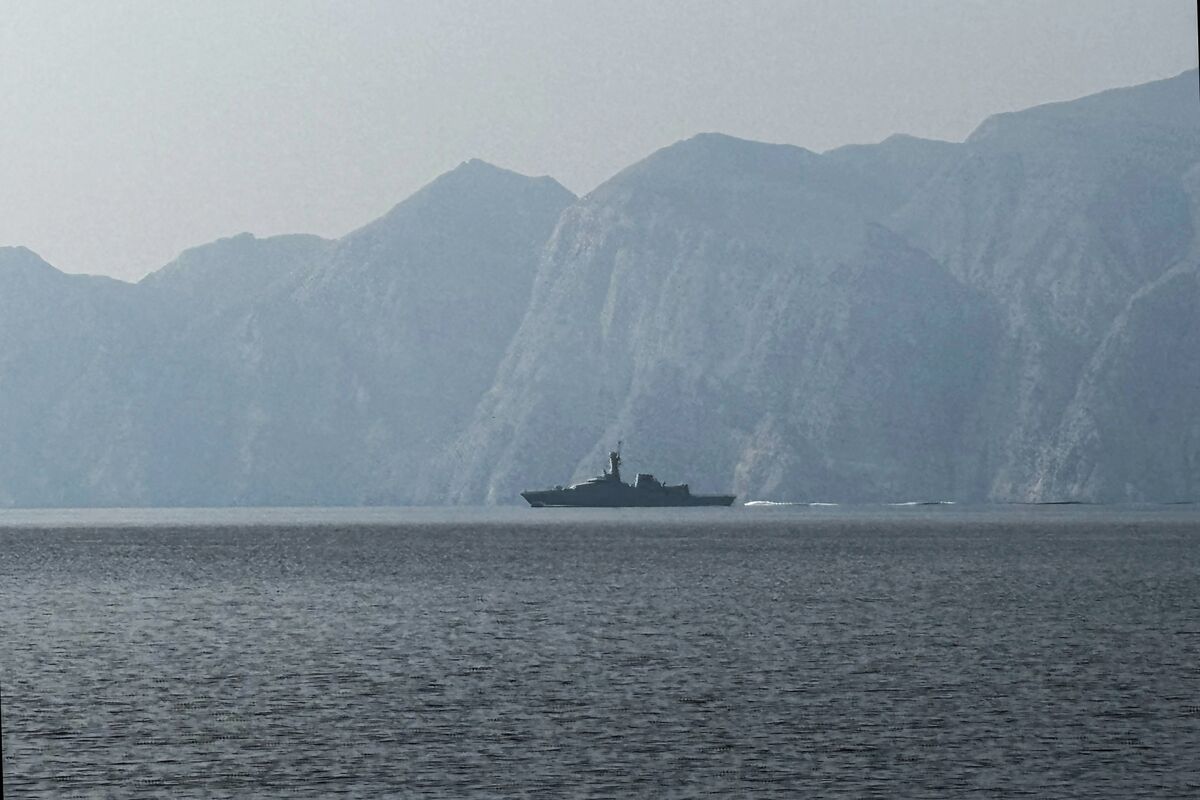
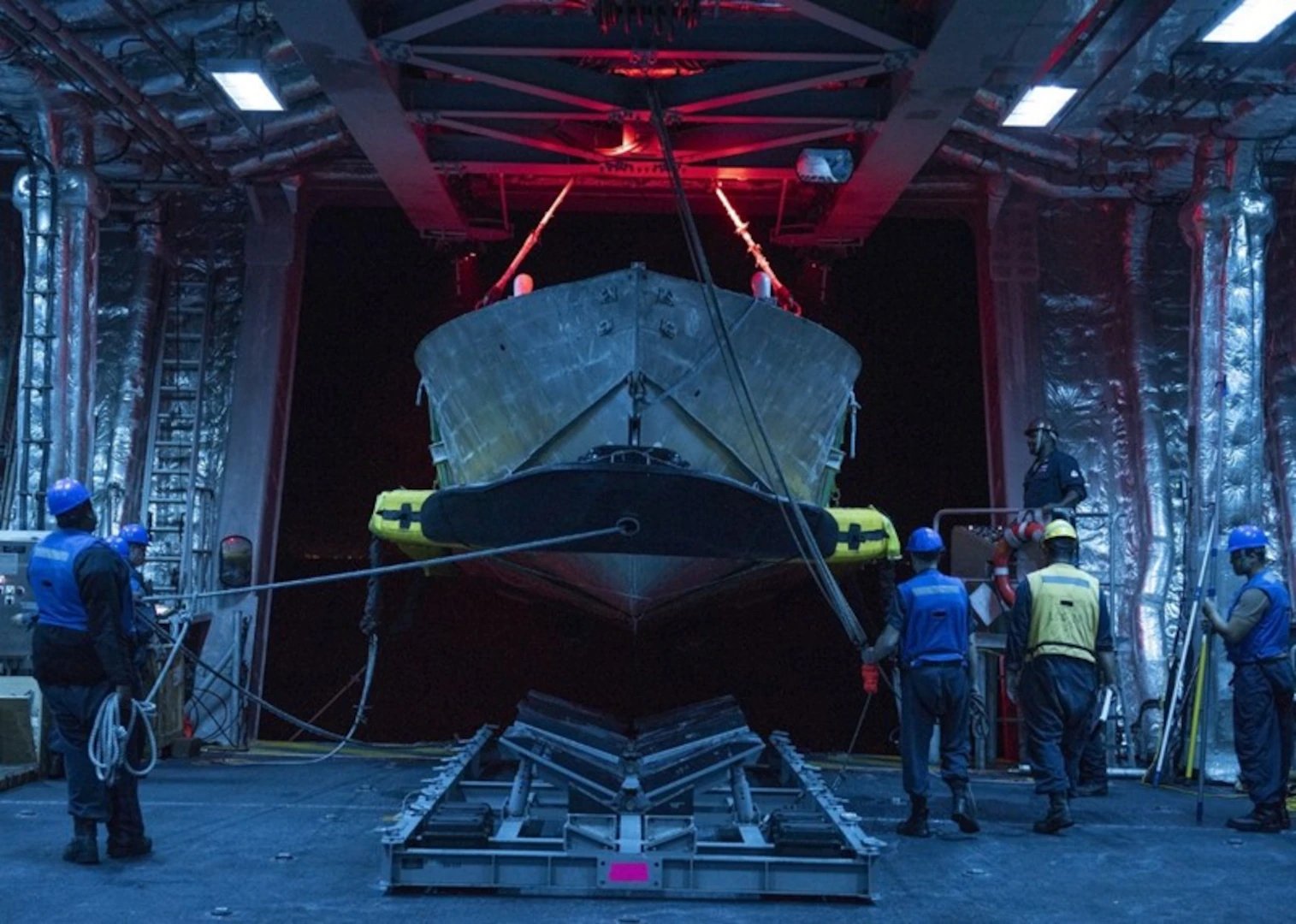
The mine clearance timeline creates a critical window for seller strategy adjustments. U.S. Navy operations began April 11, 2026, with guided-missile destroyers USS Frank E. Peterson and USS Michael Murphy conducting initial clearance operations. However, industry analysts including Henning Gloystein from Eurasia Group warn that even with successful mine removal, shipping companies require at least two months to resume normal tanker operations in the region due to infrastructure damage and operational recovery requirements. This suggests the Strait of Hormuz will remain constrained through June 2026 at minimum. Sellers must evaluate three strategic options: (1) Accept higher shipping costs and pass through 8-12% price increases to customers; (2) Shift inventory sourcing to Vietnam, India, or Southeast Asian suppliers to reduce reliance on China-to-Europe routes; (3) Increase safety stock in European distribution centers to buffer against extended transit times. The ceasefire agreement includes provisions for reopening the strait to commercial vessels, but Iran's denial of U.S. warship transits and threats to "deal severely" with military vessels create ongoing diplomatic uncertainty that could extend the disruption beyond June 2026 if hostilities resume.
Questions 7
Should sellers pass shipping cost increases to customers or absorb them?
Sellers should implement a tiered pricing strategy: (1) Pass through 5-8% price increases to price-insensitive categories (premium goods, collectibles, specialty items) where customers prioritize availability over cost; (2) Absorb 3-5% of costs in price-sensitive categories (electronics, apparel, home goods) to maintain competitiveness; (3) Offer expedited shipping alternatives at premium rates ($15-30 surcharge) for customers willing to pay for faster delivery via air freight. Monitor competitor pricing on Amazon, eBay, and Shopify to avoid losing market share. The news reports that shipping insurance underwriters note mines represent the primary threat to vessels, suggesting insurance costs will remain elevated even after mine clearance begins. Sellers shipping to Middle East and North Africa markets face the highest cost increases (20-25%) due to geographic proximity to the crisis zone.
What sourcing alternatives should sellers consider during this disruption?
Sellers should evaluate shifting 20-30% of inventory sourcing from China to Vietnam, India, or Southeast Asian suppliers to reduce reliance on Asia-Europe routes through the Strait of Hormuz. Vietnam and India offer competitive manufacturing costs (5-15% lower than China in many categories) and alternative shipping routes via the Indian Ocean that bypass the Strait entirely. This strategy works best for sellers in electronics, apparel, home goods, and consumer products categories. However, sourcing transitions require 4-8 weeks for supplier qualification and production setup. Alternatively, sellers can increase safety stock in European distribution centers by 15-25% to buffer against extended transit times, though this requires additional working capital. The news indicates that approximately 500-700 large vessels remain stranded in the Persian Gulf, suggesting significant backlog that will take weeks to clear even after mine removal.