


Strait of Hormuz Shipping Crisis: 20% Global Oil Supply Disruption Reshapes Cross-Border Logistics Costs
- Shipping delays and energy costs surge as 700K barrels/day pipeline attack disrupts Middle East routes; sellers face 8-15% logistics cost increases through Q2 2025




















Overview
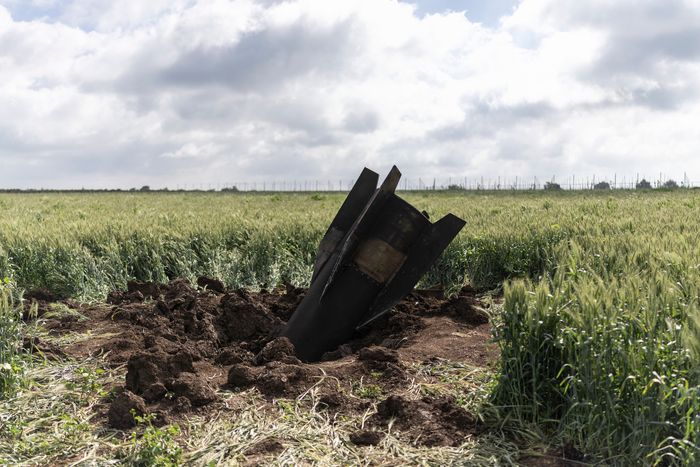
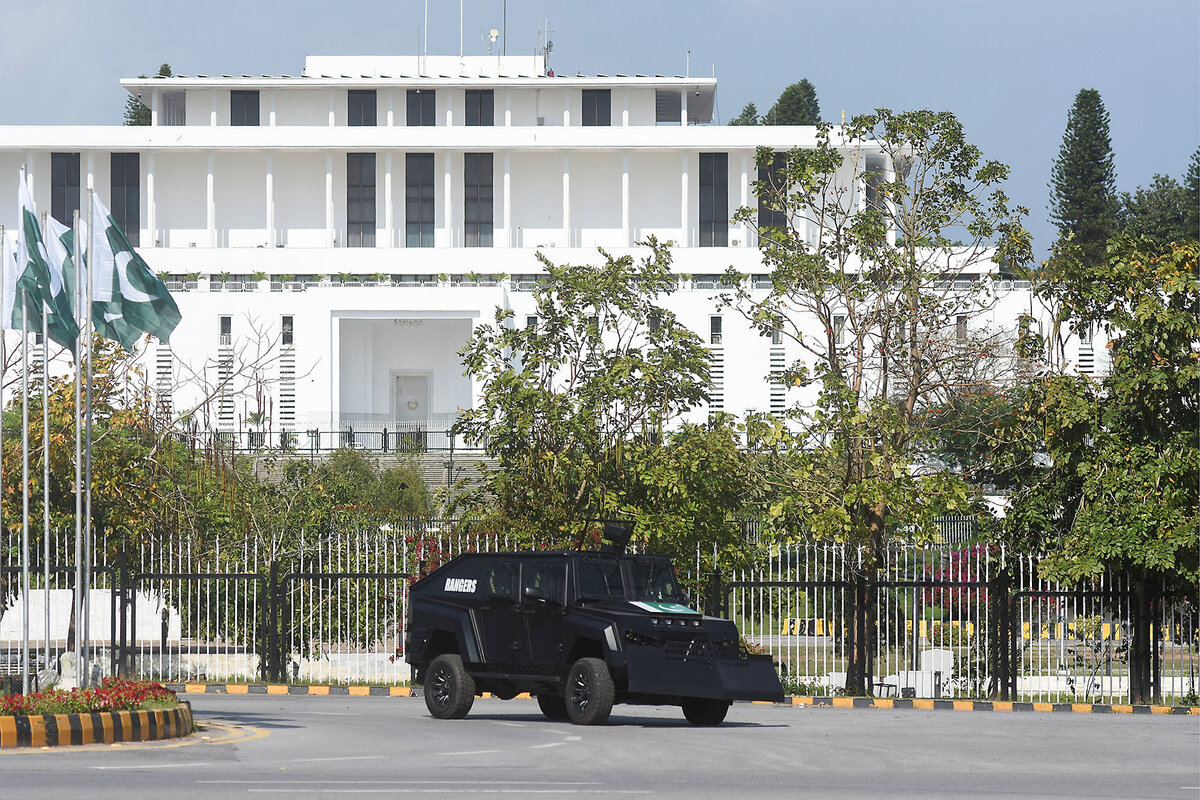
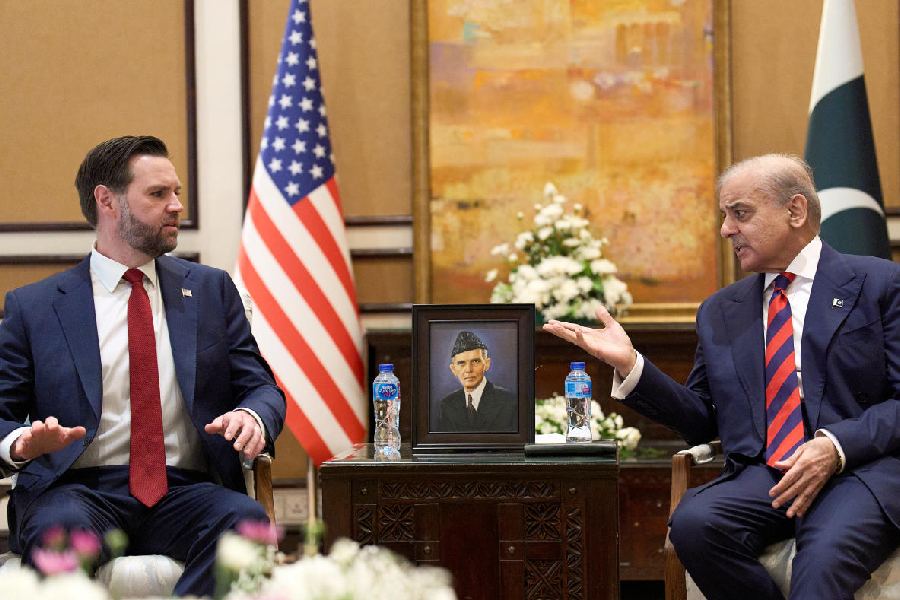
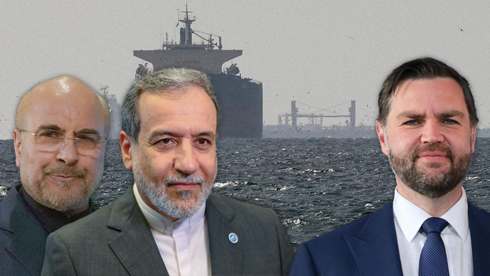
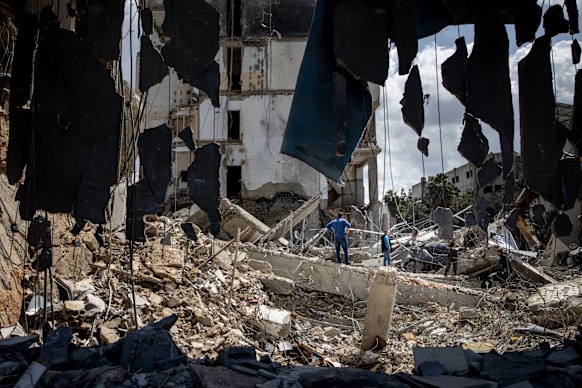
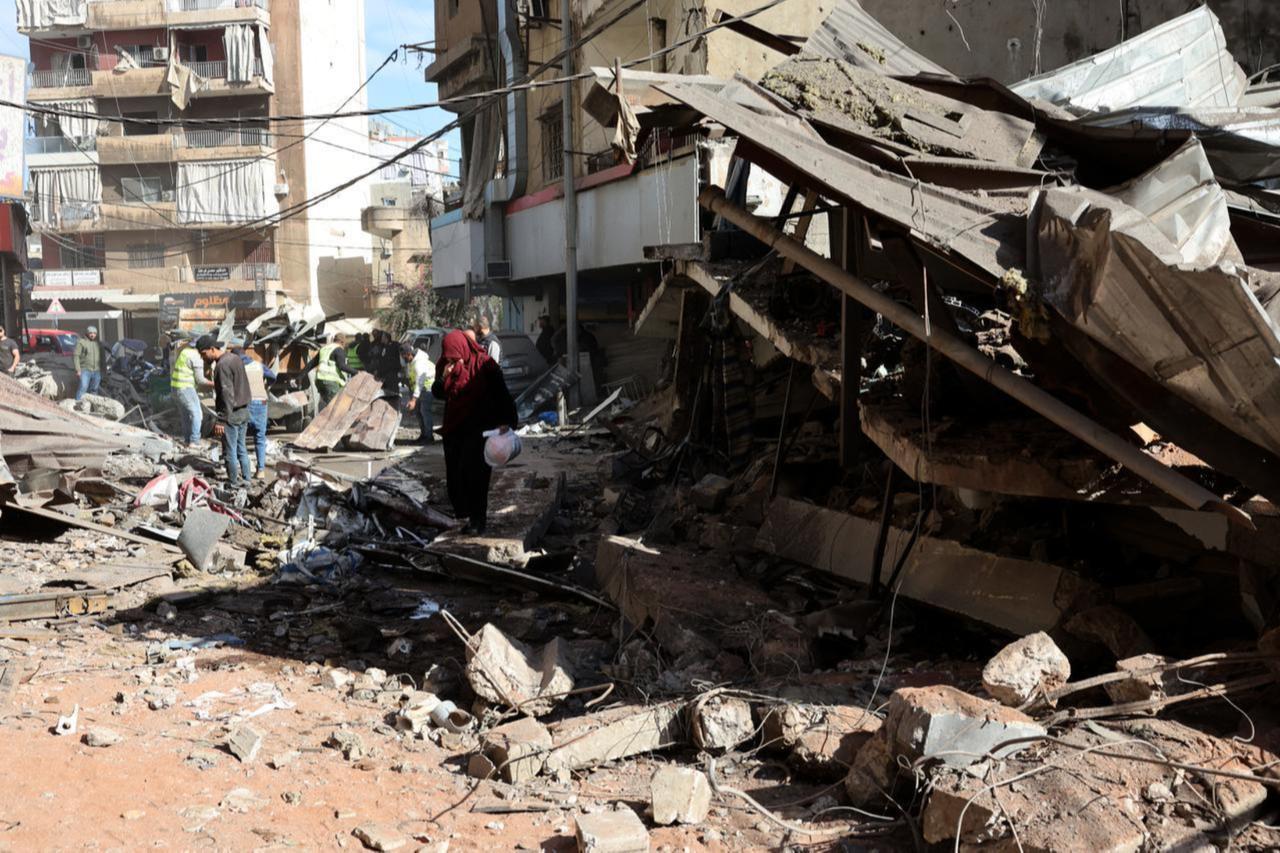
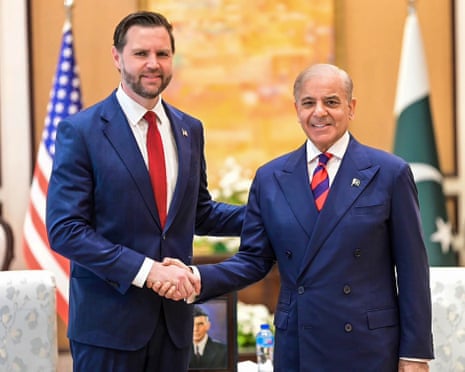
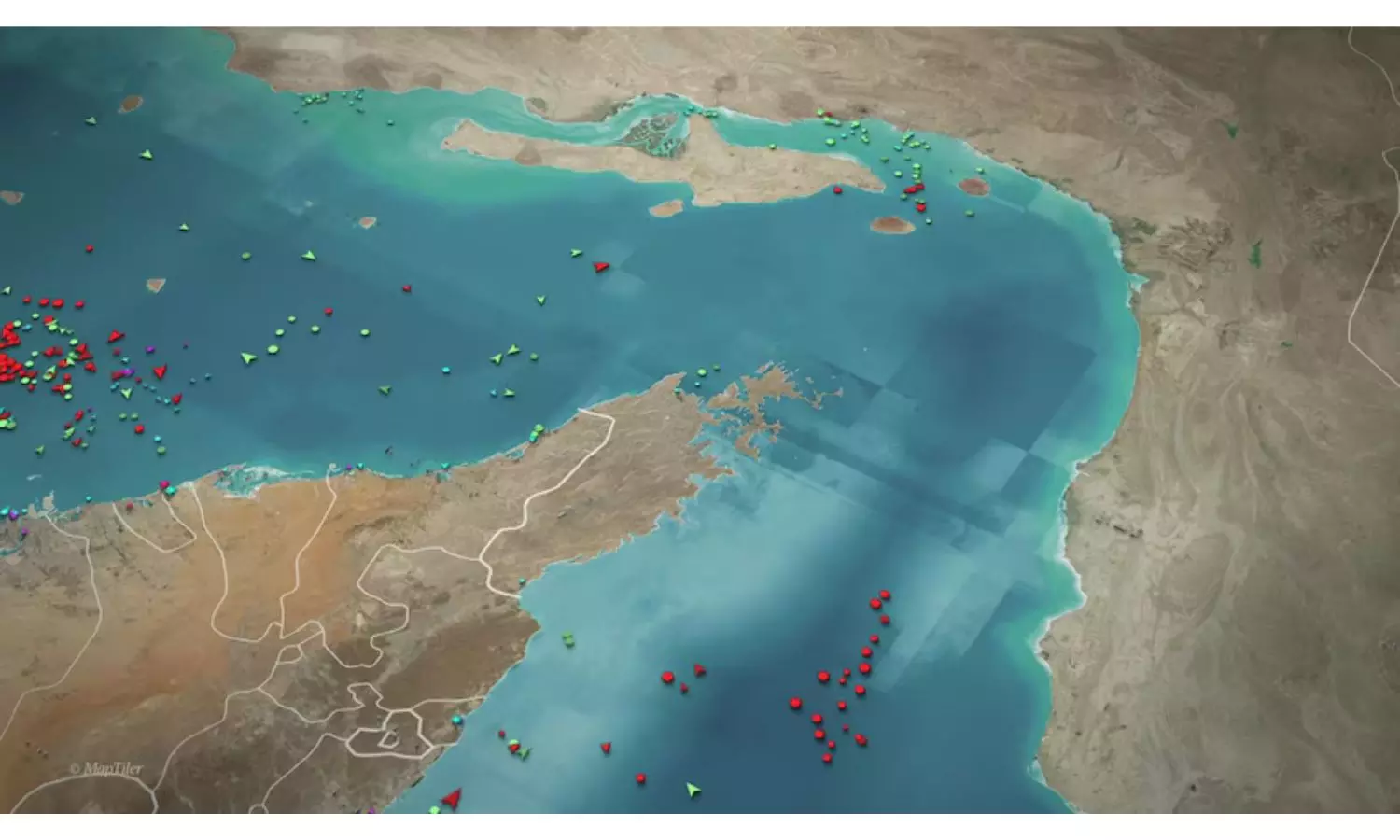
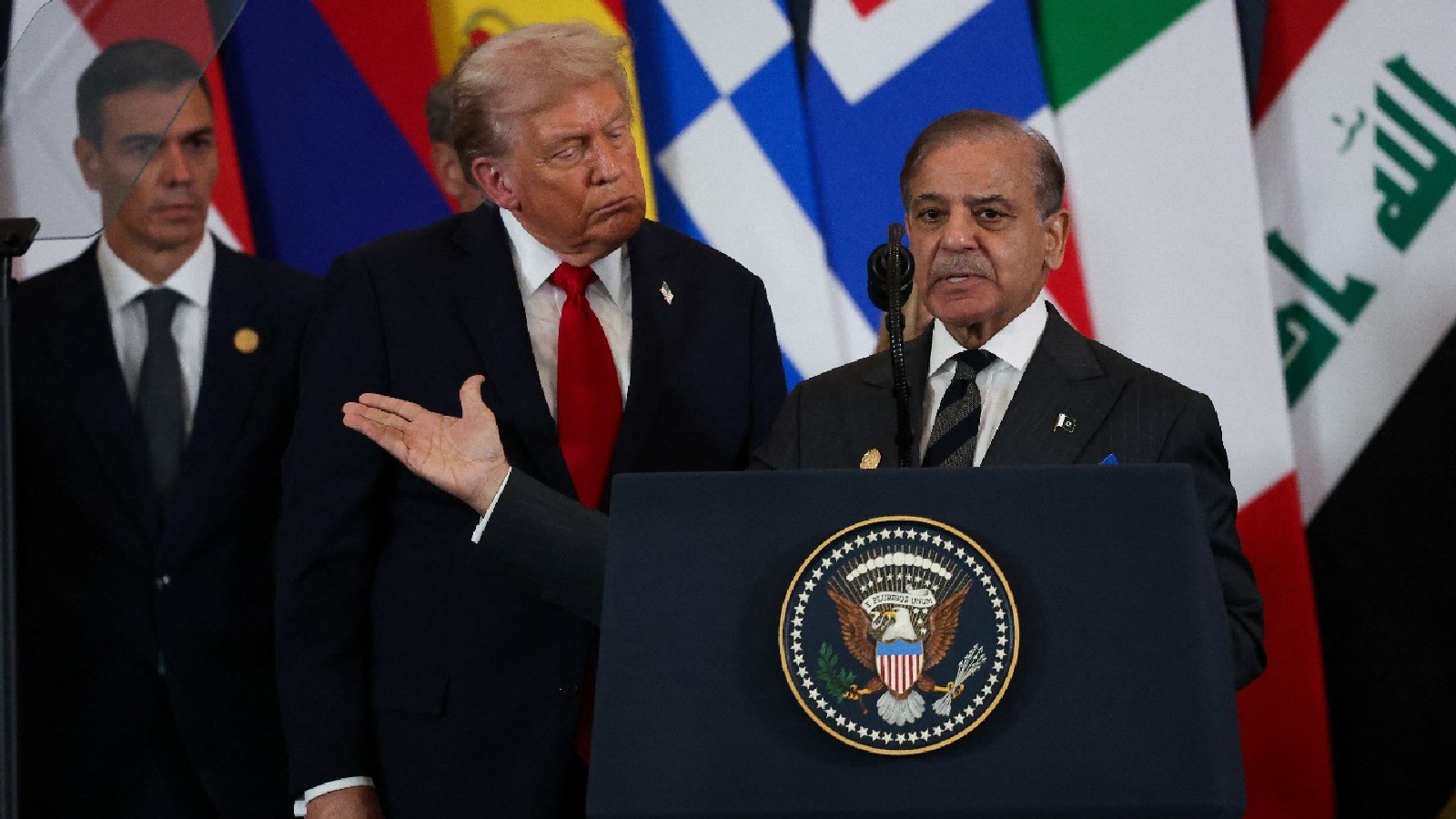
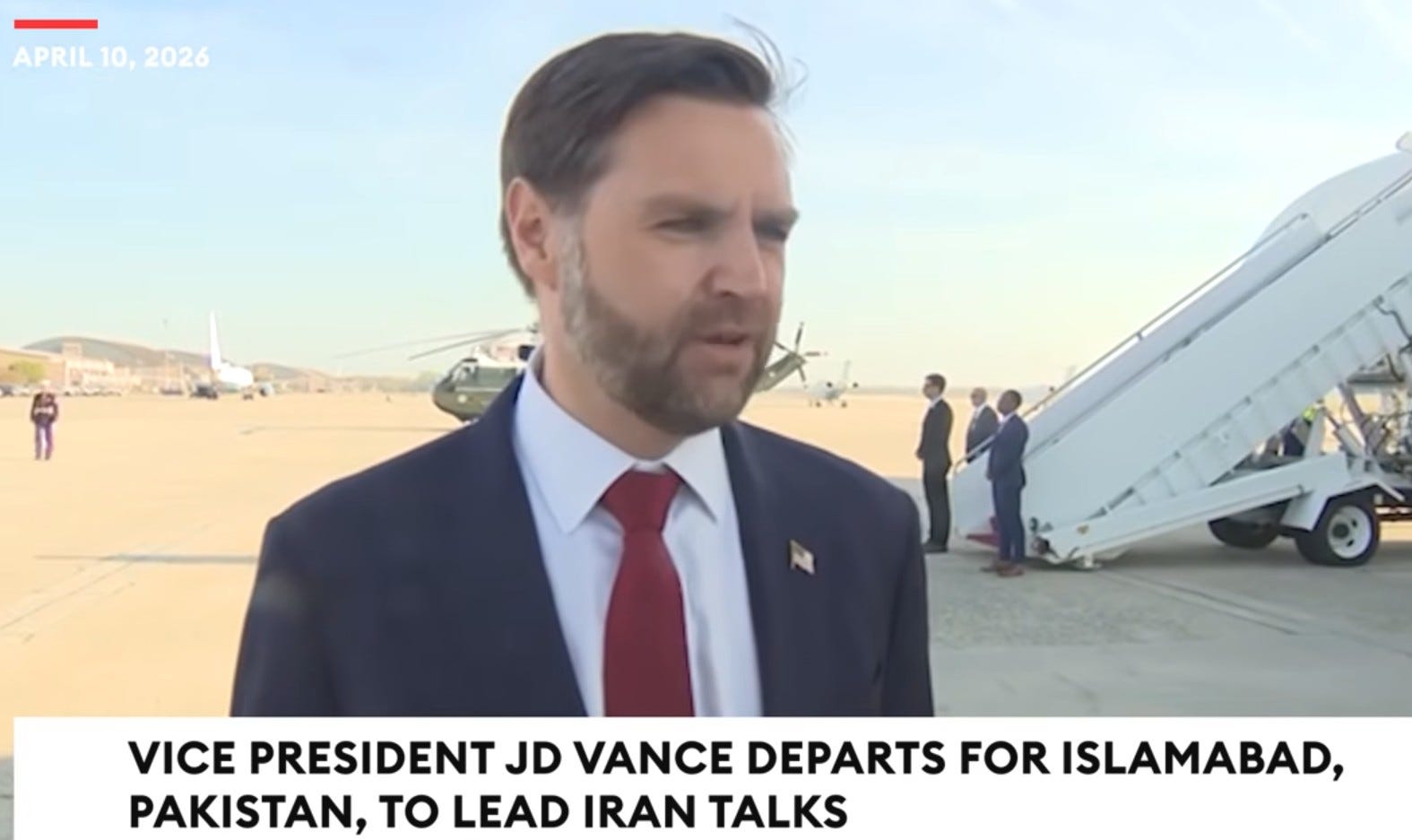
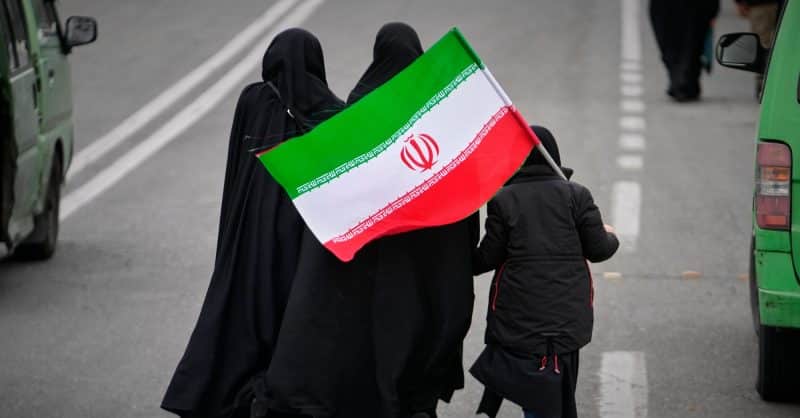
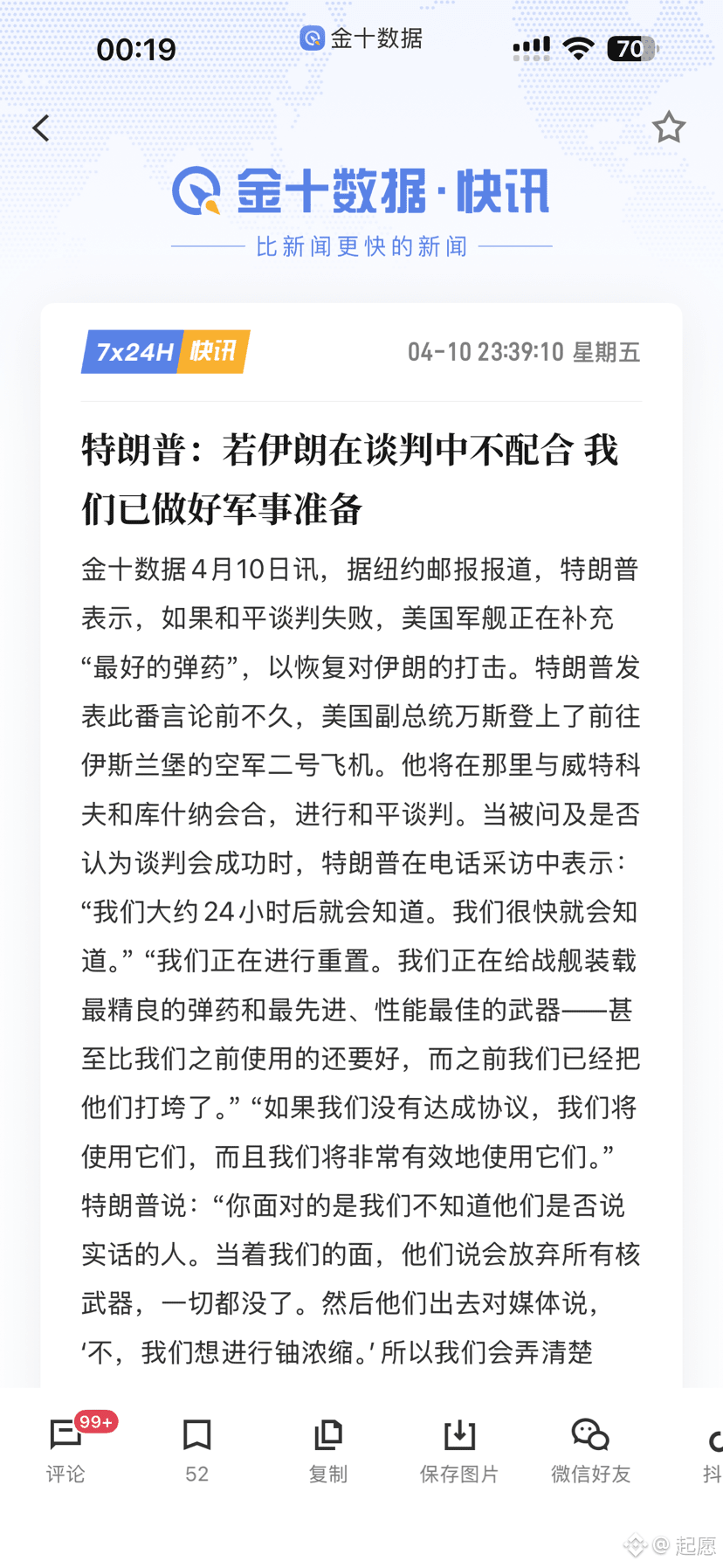
The escalating US-Iran conflict has created a critical supply chain crisis directly impacting cross-border e-commerce sellers. The Strait of Hormuz, which handles approximately 20% of global oil and natural gas trade, remains severely restricted following military operations that began February 28, 2025. Saudi Arabia's East-West pipeline suffered a pumping station attack reducing throughput by 700,000 barrels per day, while ongoing ceasefire negotiations in Islamabad (led by US Vice President JD Vance and Iranian Parliament Speaker Mohammad Bagher Qalibaf) remain deadlocked over control of the strategic waterway.
Immediate Logistics Impact: Sellers shipping through Middle Eastern routes face 8-15% cost increases due to sustained oil price volatility. Shipping carriers are implementing fuel surcharges and rerouting vessels around Africa, adding 10-14 days to transit times from Asia to Europe/US markets. This directly affects sellers using FedEx International, DHL Express, and ocean freight providers who pass through the Strait. Small-to-medium sellers (SMBs) shipping 500-2,000 units monthly will see $1,200-3,500 additional monthly logistics costs; large sellers (10,000+ units) face $8,000-25,000 monthly increases.
Regional Seller Vulnerability: Iranian sellers face compounded challenges—Iran has imposed a nationwide internet shutdown exceeding 1,000 hours, the longest on record, severely limiting their ability to manage Amazon Seller Central, eBay accounts, and customer communications. Pakistan-based sellers benefit from proximity to ceasefire negotiations, potentially gaining negotiating leverage for alternative routing agreements. Chinese manufacturers exporting through Middle Eastern ports face 15-20% cost escalation, creating sourcing arbitrage opportunities for sellers who can shift to Vietnam, India, or Indonesia suppliers (typically 5-8% cost premium but avoiding Hormuz transit).
Market Opportunity Window: The ceasefire talks represent a time-sensitive opportunity. If negotiations succeed (Trump administration indicated reopening the waterway is a priority), logistics costs could normalize within 30-60 days, creating a 90-day window where early-movers who locked in pre-crisis pricing gain competitive advantage. Conversely, if negotiations fail, expect sustained disruption through Q3 2025. China's factory-gate prices rose for the first time in over three years, signaling upstream cost pressures that will cascade to sellers within 4-6 weeks. Alibaba's $290 million AI investment suggests Chinese platforms are preparing for prolonged supply chain volatility by developing predictive logistics models.
Questions 7
What happens to my Iranian seller account if internet shutdowns continue?
Iranian sellers face severe operational disruption. Iran's current internet shutdown exceeds 1,000 hours—the longest on record—making it impossible to manage Amazon Seller Central, eBay, or Shopify accounts in real-time. If shutdowns persist beyond April 2025, consider appointing a Pakistan-based business partner or using VPN services (though legally risky in Iran) to maintain account access. Proactively update your seller profile with backup contact information and enable two-factor authentication to prevent account lockouts. Monitor your account health score daily through cached browser sessions. If shutdowns extend beyond 30 days, prepare to pause inventory and shift to marketplace-managed fulfillment to avoid negative seller metrics.
Should I shift sourcing from China to Vietnam or India to avoid Hormuz shipping costs?
Yes, for sellers shipping 5,000+ units monthly. Vietnam and Indonesia suppliers typically cost 5-8% more than China but avoid Strait of Hormuz transit entirely by routing through Singapore/Malaysia ports. The cost premium pays for itself within 2-3 months for high-volume sellers. However, small sellers (under 1,000 units/month) should maintain China sourcing—the 5-8% premium exceeds current Hormuz surcharges. Negotiate with suppliers for 90-day price locks before April 15, 2025, before they adjust pricing upward. Use Alibaba's supplier verification tools to identify Vietnam/India alternatives; expect 4-6 week lead time for new supplier qualification.